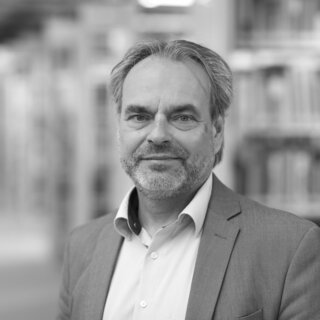
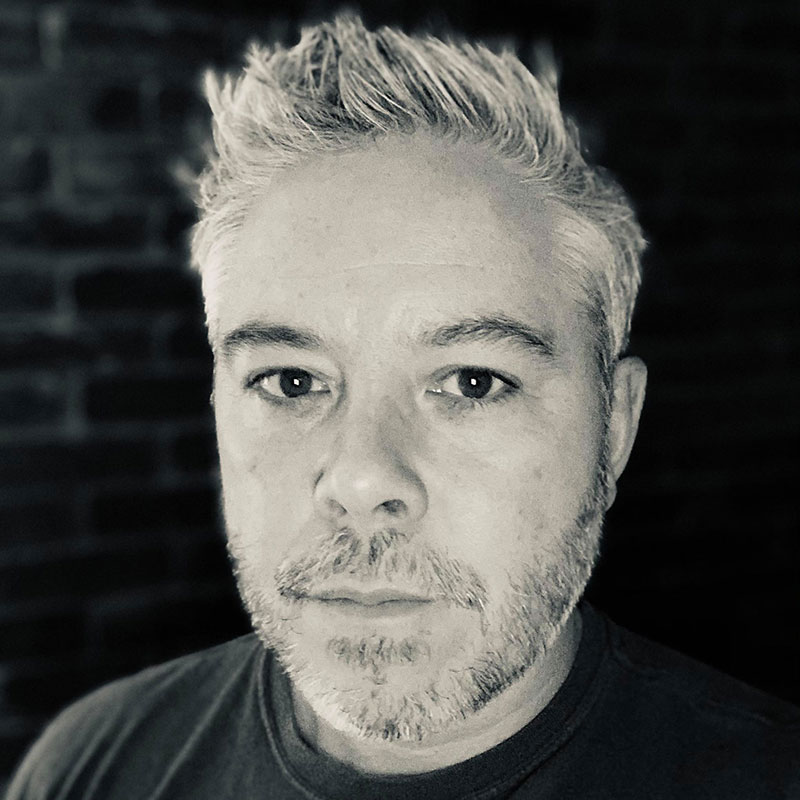
Dr. Nicholas S. Bell is an Assistant Professor in the Department of Special Education at the University of Connecticut. His research and teaching focus on disrupting educational injustices through anti-racist practices, culturally relevant pedagogy, and advanced quantitative methods. Spencer Foundation Racial Equity Grant Spencer Foundation Conference Grant Dr. Bell’s research spans four key areas: anti-racist special education policies, culturally relevant STEM teaching for students with/without disabilities, special education teacher preparation, and the application of QuantCrit in educational research. His methodological approach combines qualitative, mixed-method, and advanced statistical models like structural equation modeling. Recent publications highlight his work on racialized resegregation in special education, equity-focused teacher training, and culturally responsive STEM instruction. Dr. Bell mentors PhD students and secures grants to advance racial equity in education.
Brooke Coley is an Assistant Professor in Engineering at The Polytechnic School of Arizona State University . She is also affiliated with the Engineering Education Systems and Design department and serves as an Affiliate Faculty Member in the Mary Lou Fulton College for Teaching and Learning Innovation . Ph.D., Bioengineering, University of Pittsburgh B.S., Chemical Engineering, University of Maryland Research Interests include Engineering Education , Social Justice in STEM , Educational Technology , and Biomechanics . Her work focuses on virtual reality for empathy development, hidden populations in engineering, and inclusive pedagogies . She co-leads NSF-funded studies on diversity in makerspaces and identity formation for underrepresented students. Recent Publications highlight themes of anti-Blackness in STEM , equity in engineering education , and inclusive pedagogical tools . Her 2025 articles explore collaborative innovation , advisor support systems , and intersectional leadership in STEM. Scientific Awards include the Apprentice Faculty Grant from ASEE and the AAAS Science and Technology Policy Fellowship . She advocates for inclusion in research, teaching, and service and mentors the National Society of Black Engineers at ASU. Lab and Teams include NSF-funded studies on makerspaces and community college pathways . She co-facilitates international workshops on inclusive maker pedagogies and collaborates with global institutions to redefine engineering cultures .
Carla Rice is a Professor in the Department of Family Relations & Applied Nutrition at the University of Guelph, and holds a Tier 1 Canada Research Chair in Feminist Studies and Social Practice. Her work bridges critical psychology, equity education, and disability studies, focusing on embodiment, social justice, and arts-based methodologies. She leads Re•Vision: The Centre for Art and Social Justice and the Revisioning Differences Media Arts Laboratory (REDLAB), leveraging digital storytelling and participatory research to challenge marginalization. Rice earned a Ph.D. in Women's Studies from York University (2004) and an M.Ed. in Applied Psychology from OISE (1993). Her research addresses topics like early puberty, body-based harassment, and the sexualization of girls, while centering intersectional and decolonial frameworks. Recent projects include Bodies in Translation (disability arts and technology) and Into the Light (countering eugenic legacies in education). Her awards include the SSHRC Tier 1 CRC, Royal Society of Canada membership, and the Lieutenant Governor’s Ontario Heritage Award. Rice’s work emphasizes community-engaged scholarship, training students in transformative methodologies and fostering inclusive policies in health care, education, and the arts. Key initiatives include Relaxed Performance (accessible theater), Re•Storying Autism (autistic narratives), and Stretching Our Stories (digital storytelling for marginalized groups). She currently supervises graduate students pursuing critical theories and arts-informed research.
Michael Russell is a Professor in the Department of Measurement, Evaluation, Statistics & Assessment at Boston College's Lynch School of Education and Human Development. His expertise spans educational measurement, systemic racism in testing, and accessibility in assessment design. He holds a Ph.D. and M.Ed. from Boston College and a B.A. from Brown University. Russell leads research addressing racism in educational measurement, including his book Systemic Racism and Educational Measurement (2023), which critiques the influence of systemic racism on testing practices. His work emphasizes anti-racist methodologies, intersectionality, and equitable assessment design. Key research interests include innovative uses of computer-based technologies, large-scale assessment design, and Universal Design principles. Russell has published extensively on topics like differential item functioning, deficit narratives in quantitative research, and the social justice implications of testing. He collaborates on redesigning graduate programs to prepare scholars for anti-racist research. His courses include Foundations in Research Methodology and Assessment Programs . Russell's work bridges critical theory with practical assessment tools, advocating for equitable educational practices.
Fiona Jane Dowling is a Professor of Pedagogy at the Department of Sport and Social Sciences , Norwegian School of Sport Sciences . With a background in physical education, qualitative research, and social justice, she has contributed extensively to teacher education and sport sociology through research, teaching, and scholarly publications. Education: PhD in Physical Education Teacher Life Histories, Norwegian School of Sport Sciences (1998) MSc, Loughborough University (1989) Research Interests: Dowling’s research spans physical education pedagogy , narrative inquiry , gender and race in sport , and teacher professional development . She explores how identity, equity, and inclusion are shaped within educational and sporting contexts, with a particular focus on marginalized groups such as ethnic minorities, refugees, and women in sport. Her work often employs qualitative methodologies , especially narrative inquiry , to give voice to teachers, students, and families. She has examined how discourses around race, gender, and inclusion are constructed and enacted in policy and practice, particularly in physical education and youth sport. Recent Publications Trends: Dowling’s recent publications focus on children’s rights in sport , ethnic inclusion in sport policy , and qualitative research in sport studies . Her scholarly output reflects a consistent engagement with critical social issues in education and sport, using discourse analysis and narrative methods to interrogate systemic inequities and advocate for transformative pedagogies. Scientific Contributions: Co-editor of the book Equity and Difference in Physical Education, Youth Sport and Health: A Narrative Approach (Routledge, 2012) Contributor to multiple international handbooks and edited volumes on physical education and sport pedagogy Published over 50 peer-reviewed articles and book chapters Teaching and Supervision: Dowling teaches courses in sport sociology , pedagogy , physical activity and health , research methodology , and qualitative methods . She has supervised numerous master’s and doctoral students and is actively involved in curriculum development and teacher training programs. Current Projects: International study on teacher educators’ and teachers’ perspectives on whiteness, race, and anti-racism in physical education and sport (funded by the British Academy) Investigation of sport and physical activity provision for unaccompanied minor asylum seekers Contact: Email: fionajd@nih.no Phone: +47 23 26 24 16 Mobile: +47 92 40 43 32
Adam Danquah is a Clinical Professor at the University of Manchester’s Division of Psychology & Mental Health. He leads the Equality, Diversity, and Inclusion (EDI) initiative on the Doctoral Training Programme in Clinical Psychology (ClinPsyD) and serves as Associate Dean for Inclusive Education and Engagement. He focuses on inclusive education, psychoanalytic approaches, and addressing systemic inequalities in healthcare. Doctorate in Clinical Psychology Co-founder of The Ghana International Journal of Mental Health His research explores attachment theory , intercultural practice , and anti-racism training in healthcare. Recent work highlights ethnicity categorisation , medical education inclusivity , and systematic reviews of adoption experiences . Awards include the 2021 Pandemic Pedagogy Teaching Award and the 2022 Teaching Excellence Awards (team - Winner). He also advises on the Greater Manchester Race Equality Panel and co-leads the Higher-Education Anti-Racism Training (HEART) programme. Making A Difference Award: Commended (2021) Teaching Excellence Award (2019) Educational Leadership and Inclusive Education (2024)
Joni S. Williams, MD, MPH, is an Associate Professor of Medicine and holds dual roles as the Section Chief for Inclusion and Community Outreach and Section Chief for Research in the Department of Medicine at the Medical College of Wisconsin (MCW). She also serves as the Milwaukee Community Chair in Health Equity Research and Director of the Center for Advancing Population Science (CAPS). Her research focuses on reducing health inequities through social-medical integration, particularly addressing race, socioeconomic status, and geographic barriers affecting chronic disease outcomes in marginalized communities. She leads the ARCHE team within CAPS, advancing health equity research, clinical trials, and community engagement. Dr. Williams earned her MD from the Medical University of South Carolina (2012) and her MPH in Community Health from Drexel University (1998). She completed a postdoctoral fellowship in health disparities research at the Medical University of South Carolina (2008–2014). Her research interests include health equity, community-based interventions, and addressing social determinants of health. She has secured multiple grants, including NIH R01, R21, and U54 awards, and has authored over 260 publications. She is an active member of the Society of General Internal Medicine’s Health Equity Commission and serves as an associate editor for the Journal of General Internal Medicine and the American Journal of Medicine Open . Dr. Williams is committed to education, mentoring over 50 learners, and has received recognition such as the MCW President’s Inclusive Excellence Award (2023). She collaborates with community partners like the Milwaukee Area Health Education Center and the Greater Galilee Baptist Church to advance health equity initiatives.
Célia Romulus is an Assistant Professor at the Faculty of Social Sciences, University of Ottawa, with cross-appointments to the Institute of Feminist and Gender Studies and the School of International Development and Global Studies. Her work bridges anti-oppression, anti-racist education, Afrofeminism, and decolonial frameworks. Research Focus: Gender, race, and politics of memory; migrations and citizenship; political violence; interdisciplinary methods. Past Roles: Program Director at UN Women for gender-based violence in public spaces and security sector reform. Consulting Work: Ongoing training and consultation on anti-oppression, anti-racism, Black femininities/masculinities, and gender mainstreaming in public policies. Her scholarship emphasizes epistemic violence and resistance, decolonizing knowledge, and critical feminist theory.
Marissa Abram is an Assistant Professor in the School of Nursing at Duke University, holding this position since 2023. She earned her Ph.D. from Adelphi University in 2017 and maintains active external relationships with the International Nurses Society on Addictions (IntNSA) and Wake County HIV Clinic. Education: Ph.D., Adelphi University, 2017 Dr. Abram's research centers on psychiatric-mental health nursing with critical contributions to substance use disorder treatment, harm reduction frameworks, and innovative simulation-based education. Her work addresses urgent gaps in preparing mental health nurse practitioners for traumatic scenarios like patient suicide, developing nurse-led care models for substance use disorders, and combating stigma in addiction nursing. She demonstrates strong commitment to health equity through research examining racial justice in clinical training and intersecting vulnerabilities like climate impacts on rural substance users. Analysis of her 2023-2025 publications reveals three dominant trajectories: (1) Simulation methodology for interprofessional trauma-informed training, (2) Structural analysis of nursing's role in the national addiction crisis, and (3) Implementation science for nurse-led models of care. Her work consistently bridges clinical practice, education innovation, and policy advocacy with emphasis on vulnerable populations. Grants: Faculty Scholars Program 2025 Research (Principal Investigator), Josiah Macy, Jr. Foundation (2025-2027) Dr. Abram actively mentors through DNP projects (NURSING 975) and teaches advanced courses including NURSING 766 (Assessment and Management of Addictive Disorders). Her external partnerships with IntNSA and Wake County HIV Clinic demonstrate applied commitment to addiction nursing practice and HIV care integration. She contributes to professional discourse through editorial work with major nursing journals while advancing workforce development for behavioral health through interprofessional fellowship models.
Dr. Robert L. Bing III is a Professor in the Department of Criminology and Criminal Justice at The University of Texas at Arlington, where he has served since 1994. He holds a Ph.D. in Criminology from Florida State University and has played a foundational role in shaping the department, serving as its first Chair from 1994 to 2006 and again as Interim Chair in 2014–2015. He is also a CAAS Faculty Fellow and has held leadership roles in diversity and inclusion initiatives at the university. Ph.D., Criminology, Florida State University, 1987 M.S., Criminology, Florida State University, 1976 B.A., Sociology, College of the Holy Cross, 1975 Dr. Bing’s research centers on race, crime, and justice, with a focus on plea bargaining, corrections, sentencing disparities, and the role of race in criminal justice education. He has extensively explored issues such as the militarization of police, day fines, and pretrial detention. His scholarly work reflects a deep commitment to equity and social justice within legal and educational institutions. The 15 most recent publications highlight a consistent focus on racial disparities, legal policy, and institutional reform. His work spans topics such as stand-your-ground laws, mentoring in criminal justice, and the criminogenic potential of healthcare systems. These articles reflect interdisciplinary engagement with public policy, victimology, and organizational behavior. Faculty Excellence Award, AAFSA (2019) Unsong Hero Award, Alpha Phi Alpha Fraternity (2018) Becky Tatum Excellence Award, ACJS (2010) Outstanding Service Award, African American Faculty and Staff (2016) Dr. Bing has advised numerous master’s students, chaired theses and comprehensive exams, and mentored early-career faculty. He has received research funding, including a $100,000 grant for the 'Community Courts Initiative.' He has served on multiple university and professional committees, including the Academy of Criminal Justice Sciences (ACJS), where he was Chair of the Section on Minorities and Women and currently serves as Trustee-at-Large. He is actively involved in community service, including the MLK Celebration Committee and Mothers Against Teen Violence. He has presented widely at national conferences such as ACJS and the American Society of Criminology, addressing topics like police-community relations, diversity in education, and sentencing reform.
Michelle Sunkel is an Associate Professor of Social Work and Director of the Master of Social Work Program at Colorado Mesa University. She holds a Doctor of Social Work (DSW) from Capella University and is a licensed clinical social worker and licensed addiction counselor in Colorado, as well as a licensed independent clinical social worker in Minnesota. Her academic and clinical work is centered in the Department of Social Work, where she leads graduate education and curriculum development. DSW, Doctor of Social Work – Capella University MSW, Master of Social Work – San Diego State University MBE, Master of Bioethics – Consortium of European Universities (KU Leuven, Radboud University, University of Padua) BS, Psychology – Lincoln University Dr. Sunkel’s research and practice focus on forensic social work, human trafficking, ethical decision-making, anti-oppressive pedagogy, and international social work. She has extensive clinical experience working with the severely and persistently mentally ill in emergency departments, psychiatric hospitals, correctional facilities, and outpatient settings. Her international work includes service in Uganda, where she provided crisis intervention, psychoeducation, and school-based support for vulnerable populations. Her recent publications reflect a strong commitment to social justice, ethics, and inclusive education. Themes across her work include trauma-informed care for marginalized populations, integration of anti-oppressive frameworks in social work training, ethical considerations in digital learning, and the intersection of law, ethics, and human rights in social work practice. Her scholarship spans peer-reviewed articles, book chapters, book reviews, and invited conference presentations. Dr. Sunkel actively contributes to the academic community as a journal reviewer for Advances in Social Work and Critical Social Work . She has presented at national and international conferences, including the Council on Social Work Education and the International Social Work Association. Her leadership in curriculum development and ethical practice underscores her role as an educator and advocate. Journal Reviewer, Advances in Social Work (2020–present) Journal Reviewer, Critical Social Work (2019–present) She mentors students through her role as MSW Program Director and integrates experiential learning, including international service-learning trips. Though no specific advisees are named, her leadership in graduate education implies significant advising responsibilities. She has not received any named scientific awards, but her sustained scholarly and clinical contributions reflect professional excellence. Dr. Sunkel is involved in interdisciplinary collaborations, particularly in forensic ethics and emergency mental health. Her work bridges clinical practice, policy advocacy, and academic training, positioning her as a key figure in advancing ethical, equitable social work practice.
Professor Dr. Eckhardt Fuchs serves as Director of the Leibniz Institute for Educational Media | Georg Eckert Institute since 2015. He holds a W3 Professorship in Historical and Comparative Educational Research at Technical University of Braunschweig since 2011, and previously served as deputy director (2009-2015) and research coordinator (2007) at the Georg Eckert Institute. Education : University of Leipzig (PhD 1992) Key Affiliations : Leibniz Institute, Technical University of Braunschweig, International Standing Conference for the History of Education (President 2012-2015) Research Focus spans globalization of education, transnational textbook revision, educational policy analysis, and historiography. His work examines international organizations in education, European educational history, and the evolution of teaching materials. Recent Trends : Transnational textbook analysis Curriculum development Postcolonial memory politics Scientific cooperation history History of educational media Global educational governance Leadership Roles include editorial board memberships (Comparativ, Paedagogica Historica) and organizing scientific conferences. Active in policy advisory through UNESCO collaborations and research projects.
Dr. Wiley Chung is an Assistant Professor in the Division of General Surgery & Division of Thoracic Surgery at Queen's University, affiliated with Kingston Health Sciences Centre (KHSC). He holds cross-appointments in the Department of Surgery within the School of Medicine. His clinical expertise focuses on esophageal and lung cancers, alongside benign esophageal diseases and endobronchial ultrasound guidance. His research emphasizes surgical innovation, medical technology development, and patent creation. Education: MD from The University of British Columbia (2009), BSc in Microbiology and Immunology (2005). Completed residencies in General Surgery (University of Toronto) and Thoracic Surgery (University of Calgary). Research Interests: Dr. Chung's work spans surgical technique optimization, perioperative care advancements, and translational research in gastrointestinal oncology. He leads studies on venous thromboembolism prevention, atrial fibrillation mitigation in thoracic surgery patients, and patient navigation programs to reduce esophageal cancer treatment delays. Key Roles: Attending Staff at KHSC, clinician-scientist focused on surgical innovation, and principal investigator for trials like the COP-AF study. He actively contributes to surgical education through initiatives like the C-CASE conference and anti-racism virtual simulations. Affiliations: Kingston Health Sciences Centre (Attending Staff), Queen’s Laboratory for Molecular Pathology (QLMP) collaborator, and member of multidisciplinary cancer teams.
Nicholas Ng-A-Fook is a Full Professor of Curriculum Studies and Vice-Dean of Graduate Studies at the University of Ottawa's Faculty of Education. He actively addresses the 94 Calls to Action from the Truth and Reconciliation Commission through partnerships with Indigenous communities and school boards. Past-President, Canadian Society for the Study of Education Principal Investigator, Curriculum Theory Project research team His research focuses on: Indigenous and anti-racist curriculum development Oral history and narrative inquiry methodologies Digital citizenship and emergent technologies in education Settler colonialism's educational legacies Recent publications and grants include SSHRC-funded work on: Co-Curricular-Making with Indigenous communities Reconciliation education in elementary classrooms Transnational migration narratives Scientific recognition: Ted T. Aoki Distinguished Service Award (2018) Society of Professors of Education Outstanding Book Award (2021) R.W.B Jackson Award for 2022 article (2023) He leads a research team working with First Nations, Inuit, and Métis communities on curriculum transformation projects. The team's work spans: Indigenous land-based pedagogies Digital history education Systemic inequity reduction strategies
Dr. Sulaimon Abiodun Olawale Giwa is an Associate Professor and Associate Dean of Undergraduate Programs at Memorial University's School of Social Work. He holds a cross-appointment to the Department of Sociology and Police Studies and serves as the Endowed Chair in Criminology and Criminal Justice at St. Thomas University. His expertise spans critical race theory, LGBTQ+ migration, and anti-racism advocacy. Giwa earned his PhD in Social Work from York University, specializing in race, ethnicity, and culture. Giwa's research focuses on intersectional stigma, minority stress, and systemic racism in policing. He has led over 20 funded projects, including initiatives addressing LGBTQ2S+ newcomer integration and racial profiling. His work has been published in journals like Journal of Human Behavior in the Social Environment and Canadian Journal of Human Sexuality . He is a member of the Royal Society of Canada's College of New Scholars, Artists and Scientists. Giwa chairs the City of St. John's Anti-Racism Working Group and co-chairs the Faculty of Humanities and Social Sciences Anti-Racism Committee. His advocacy includes training programs on antiracism and equity for police, healthcare providers, and educators. He has authored books like Racism and Gay Men of Color and contributed to policy reforms through SSHRC-funded projects. Key achievements include pioneering community-police dialogues in Ottawa and Newfoundland, advancing LGBTQ+ inclusion in policing, and shaping provincial restorative justice guidelines. His work bridges academia and activism, emphasizing transformative pedagogy and community-driven solutions.