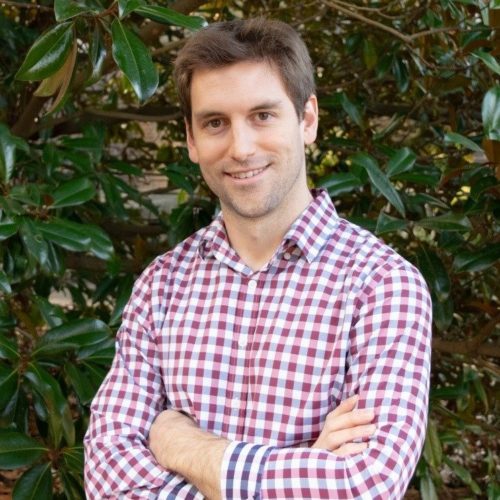
Jan Huizinga is a Professor at the McMaster School of Biomedical Engineering, McMaster University. His research focuses on gastrointestinal motility, smooth muscle physiology, and the interplay between the autonomic nervous system and gut dysfunction. Key interests include colonic dysmotility, interstitial cells of Cajal (ICC), and neurogenic/myogenic motor patterns in health and disease. Education and background details are not explicitly provided in the text. His work combines experimental and mathematical modeling approaches to understand gut motor patterns, particularly in conditions like chronic constipation and autonomic dysfunction. He collaborates on translational research, including diagnostic tools like hydrogen breath testing and ultrasound imaging of motor patterns. Research emphasizes clinical applications such as evaluating therapies (e.g., spinal laser therapy) for colonic motility disorders and validating novel diagnostic methods (e.g., heart rate variability analysis). Recent studies investigate the role of short-chain fatty acids in restoring motility in germ-free mice and the physiology of defecation reflexes via high-resolution colonic manometry. No awards or grants are listed, but his extensive publication record reflects sustained contributions to gastrointestinal physiology and neurogastroenterology. He advises no listed students, though collaborations with clinicians and researchers in the field are implied. Labs/teams: Affiliated with McMaster’s biomedical engineering research clusters focusing on therapeutics, imaging, and translational physiology. Active in human and animal model studies to bridge basic science and clinical practice.