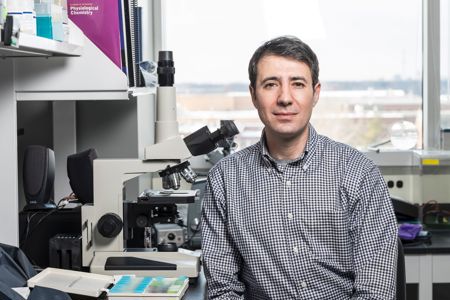
Martin Khechara is a Senior Lecturer in Biomedical Science (Microbiology) at the University of Wolverhampton 's School of Biology, Chemistry and Forensic Science. With a background in molecular biology and proteomics from Defence Science Technology Laboratories (DSTL) in Salisbury, he transitioned to academia in 2008. Expertise: Biomedical Countermeasures, Bacteriophage Therapy, Science Communication Professional Memberships: Society for General Microbiology, British Science Association His research spans pedagogical innovation (flipped classrooms, theatre-based learning) and public engagement strategies. Recent publications focus on phage applications, microbiology education, and outreach effectiveness. Recognized for best poster award at IBMS Congress 2015.
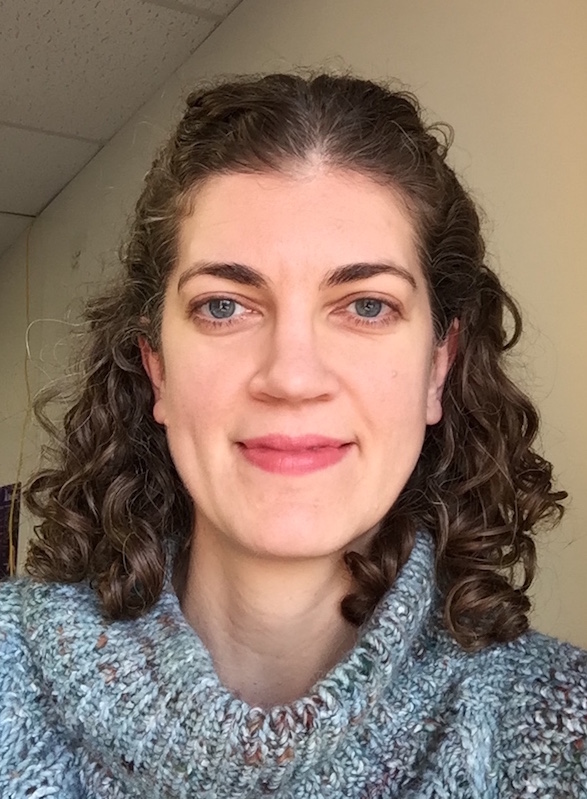
Jessica Jacob, Ph.D., is an Assistant Professor of Biology in the Department of Natural Science at the College of Natural and Computational Sciences, Hawaii Pacific University (HPU). Her work bridges marine biology, infectious disease research, and public health, with a focus on zoonotic pathogens and disease mitigation in mammalian hosts. Education: Postdoctoral Scholar, Disease Mitigation – Oregon State University Ph.D., Veterinary Medical Sciences – University of Florida M.S., Marine Science – Hawaii Pacific University B.S., Marine Biology – Hawaii Pacific University A.S., Marine Science and Geographic Information Systems – Colorado Northwestern Community College Her research focuses on the detection and characterization of viral and bacterial pathogens in marine and terrestrial mammals, particularly those that can be transmitted to humans. She investigates disease impacts on individual animals and populations and explores mitigation strategies such as vaccines and probiotics. Her professional interests include molecular biology, microbiology, and marine mammal health, which are reflected in both her research and teaching. While no recent publications are listed in the provided text, her research trajectory suggests strong engagement in infectious disease ecology, zoonosis, and translational biomedical interventions in wildlife. She is actively involved in mentoring students through laboratory research opportunities and teaches courses including Cell and Molecular Biology Laboratory, General Biology, and Marine Mammal Biology. Her teaching philosophy emphasizes real-world relevance, student engagement, and preparation for future careers in science. There is no mention of scientific awards or fellowships in the current profile. She mentors undergraduate and graduate students in her laboratory and integrates research into her teaching. Though no specific grants are listed, her postdoctoral and academic trajectory suggest prior funding support for disease mitigation research. Her lab likely focuses on molecular detection of pathogens and evaluation of immune-modulating interventions in marine species. Jessica Jacob is actively contributing to marine health science and undergraduate education at HPU, combining field-relevant research with dedicated mentorship and innovative teaching.
Katherine Steele is a Reader in Sustainable Crop Production at the School of Environment and Natural Sciences, Bangor University. She holds a PhD in Molecular Plant Pathology from the University of Nottingham (1998) and has been a key figure in sustainable crop research, particularly in rice and tomato breeding. She currently serves as Director of Impact & Engagement in her school and is actively involved in multiple research committees and external advisory panels. Her educational background includes a BSc in Biology (University of Nottingham, 1993), an MSc in Applied Genetics (University of Birmingham, 1994), and a Postgraduate Certificate in Teaching in Higher Education (2006). Dr. Steele’s research focuses on using genetics and genomics to improve global food security. Her work emphasizes crop genetics—especially in rice, barley, tomato, and potato—with a strong focus on abiotic and biotic stress resistance. She applies quantitative trait locus (QTL) mapping, marker-assisted selection, and participatory breeding methods to develop resilient, high-yielding crop varieties. Her projects often involve collaboration with industry, breeders, and international partners to ensure real-world impact. The analysis of her recent publications reveals a consistent trend in molecular breeding, particularly using KASP markers for rice variety authentication, stress resistance, and yield improvement. Her work spans diverse areas including food authenticity, climate change adaptation in crops, and sustainable agricultural systems. Member, SENS Management Committee Member, SENS Research Committee Member, CoSE Impact Committee Member, Henfaes Research Centre Committee Member, LEAF Marque Standard Plant Health & Protection Working Group (2023–2024) Member, Welsh Agricultural Science Panel (2023) Member, Wales Plant Health Evidence and Advisory Group (2023) Member, International Association for Cereal Science and Technology: Rice Working Group (2016–2026) Dr. Steele actively supervises PhD and Master’s students, including Commonwealth Scholars and KESS-funded researchers, and has led numerous funded projects such as TRIP (Transformative Reduced Input Potatoes) and initiatives on KASP marker development for rice. She also contributes to editorial boards of journals like Frontiers in Sustainable Food Systems and Agronomy . Her research is conducted within the Agriculture, Food and the Environment; Evolution, Development and Molecular Biology; and Microbiology and Biotechnology research groups at Bangor University. She has been instrumental in applying molecular tools to real-world agricultural challenges, from combating potato pathogens to improving barley for nutritional health.
Md Niaz Rahim is an Adjunct Professor at the Max Rady College of Medicine , University of Manitoba, and serves as the Chief Scientific Officer for Veterinary Diagnostic Services (VDS) in the Manitoba government. His work bridges veterinary diagnostics, zoonotic disease research, and public health initiatives. Doctor of Philosophy (PhD), University of Manitoba Postdoctoral Fellowship in Special Pathogens, National Microbiology Laboratory, Public Health Agency of Canada Dr. Rahim’s research focuses on cross-species disease transmission under the One Health framework , integrating human, animal, and environmental health. Key areas include virus-host interactions , molecular biology , and infectious disease trends in animals , with implications for food safety , animal welfare , and public health risk assessment . He mentors graduate students and accepts Master’s students, emphasizing advancements in veterinary diagnostics and infectious disease prevention . Contact details: Room 543, 745 Bannatyne Avenue, University of Manitoba (Bannatyne campus), Winnipeg, MB R3E 0J9 Canada. Email: mdniaz.rahim@gov.mb.ca .
Adam Burgener is a Professor at the School of Medicine, Case Western Reserve University, and co-leader of the Population and Cancer Prevention Program at the Case Comprehensive Cancer Center. He also holds cross-appointments at the University of Manitoba's Department of Obstetrics, Gynecology and Reproductive Sciences. Dr. Burgener specializes in mucosal immunity and microbiome interactions in infectious diseases and cancer. His research focuses on understanding how the human microbiome influences susceptibility to HIV, HPV, and other sexually transmitted infections, particularly in women. He pioneered the discovery that vaginal microbiome composition affects HIV pre-exposure prophylaxis efficacy. His work extends to gynecologic cancers, exploring disparities in incidence across populations and developing personalized prevention strategies. Recent publications highlight his studies on hormonal contraceptives' impact on mucosal immunity, antibiotic effects on gut immunity, and microbiome's role in HIV reservoir dynamics. His lab employs mass spectrometry proteomics and systems biology to analyze host-microbe interactions in human cohorts and animal models across Canada, the US, and Africa. Dr. Burgener mentors graduate students and collaborates with international teams. He has no listed scientific awards in the provided texts but maintains an active research program with significant translational potential in HIV prevention and cancer research.
Dr Hayley Stannard is a Senior Lecturer in Animal Anatomy and Physiology at Charles Sturt University, within the School of Agricultural, Environmental and Veterinary Sciences. She specializes in wildlife ecology, marsupial physiology, and conservation, with a strong focus on Australian native species such as the bare-nosed wombat, kultarr, and Tasmanian devil. Her work integrates teaching and research, contributing significantly to both academic and practical outcomes in animal health and conservation. Her educational background includes a BAnimSc, BSc(Hons), PhD, and a Graduate Certificate in Learning and Teaching in Higher Education (GCLTHE). She completed her PhD in 2012 on carnivorous marsupial nutrition and served as a Postdoctoral Research Associate at the University of Sydney from 2015 to 2018 under an ARC Linkage project with Taronga Zoo. Dr Stannard's research focuses on animal nutrition, health, disease treatment (especially sarcoptic mange), and the physiological adaptations of wildlife to environmental challenges. She investigates how animals utilize scarce resources for survival and reproduction, and how pathogens impact animal health. Her research has led to improved disease treatments, nutritional guidelines for captive populations, and better health assessment tools for wildlife. Her recent publications span topics including wombat mange treatment, roadkill data, kultarr behavior, and marsupial nutrition. These works reflect a strong trend in applied conservation science, integrating field data, captive studies, and translational outcomes for wildlife management. Executive Dean’s Teaching Awards (2024) Fellowship, Higher Education Academy (2023) Vice-Chancellor's Research Excellence Award (2024) Grant: Investigating veterinary nanotechnology to treat sarcoptic mange in wombats (2024) Dr Stannard actively supervises higher-degree research students and collaborates with external organizations including zoos, conservation groups, and government bodies. She has been involved in grant-funded research and public engagement, including media contributions on wombat conservation and reproduction. While no formal lab name is mentioned, her research activities suggest leadership in a wildlife physiology and conservation research group at CSU.
Dr. Stanley Chan is a Lecturer in the Department of Health and Biomedical Sciences at RMIT University. His research focuses on understanding the pathogenesis of obesity, insulin resistance, and smoking-related comorbidities such as COPD and cardiovascular diseases. He employs molecular biology techniques to identify novel pharmacological strategies targeting cellular mechanisms involved in metabolic and inflammatory pathways. Current research interests include biochemistry, pharmacology, and the development of therapies for smoking-induced atherogenesis, hepatic steatosis progression to NASH, and musculoskeletal disorders in COPD. He is open to supervising students on topics like COPD pharmacology, metabolic syndrome, and drug delivery systems. Stanley actively collaborates on projects investigating antioxidant therapies (e.g., apocynin and ebselen), the role of adipokines in COPD, and the impact of cigarette smoke on neurological and vascular health. His work bridges basic science with clinical applications, emphasizing translational research.
Dr David Bulmer is an Associate Professor in the Department of Pharmacology at the University of Cambridge, School of Biological Sciences. He is also Bye Fellow at Wolfson College and was previously a Visiting Lecturer in Neuroscience at Queen Mary University of London. Current Position: Associate Professor, Department of Pharmacology, University of Cambridge Previous Employment: Lecturer in Neurogastroenterology, Queen Mary University of London (2009-2017) Industry Experience: Neuroscience & Gastrointestinal Centre of Excellence in Drug Discovery at GlaxoSmithKline Education: BSc in Pharmacology from University of Manchester and PhD in Autonomic Neuroscience from University College London Dr Bulmer's research focuses on understanding the causes of pain in gastrointestinal disorders, particularly Inflammatory Bowel Disease (IBD) and Irritable Bowel Syndrome (IBS). His work examines how mediators released from the gut sensitize pain-sensing nerves (nociceptors), leading to the perception of pain in the brain. His lab has identified key roles for voltage-gated sodium channels (NaV1.9) and Matrix Metalloproteinases in activating visceral nociceptors in IBD. His research combines electrophysiological, imaging and sequencing approaches with tissue samples from well-phenotyped patient cohorts. His recent publications span several key areas including the role of ion channels in visceral pain (NaV1.9, KV7, TRPV4), neuro-immunological interactions in pain (IL-13, IL-17, TNFα, angiotensin II), gut-brain axis signaling (ATP, glutamate), and development of novel bioelectronic devices for studying gut function. His work has strong translational components, often bridging fundamental discoveries with potential clinical applications. Dr Bulmer collaborates with both academic institutions and pharmaceutical companies including Astra Zeneca, Sosei-Heptares and GlaxoSmithKline. His research is supported by funding from Crohn's and Colitis UK, Crohn's and Colitis Foundation, BBSRC, MRC, Takeda Pharmaceuticals, Pfizer, and the Pain Relief Foundation.
Robert Abramovitch is an Associate Professor in the Department of Microbiology, Genetics, & Immunology and the BioMolecular Science Gateway at Michigan State University. His research focuses on understanding how Mycobacterium tuberculosis adapts to intracellular environments, particularly within macrophages, to develop novel drug therapies. Education: B.Sc. (2000, University of British Columbia), Ph.D. (2006, Cornell University), Postdoctoral studies (2007–2011, Cornell University). Research Interests: My lab investigates the mechanisms of M. tuberculosis adaptation to acidic pH, carbon nutrient sources, and other host-derived cues. We utilize genetic, genomic, and biochemical approaches to identify targets for drug discovery. Key projects include characterizing the PhoPR-aprABC pathway and developing high-throughput screening platforms for inhibitors of bacterial survival mechanisms. Recent Research Trends: Our work highlights pH-driven adaptation as a critical survival strategy, with recent findings linking PhoPR signaling to virulence attenuation. We also explore the role of central carbon metabolism in bacterial persistence and the translational potential of synthetic reporter systems for drug screening. Grants & Awards: Not explicitly listed, but research is funded by NIH grants focused on tuberculosis pathogenesis and drug development. Lab & Collaborations: The Abramovitch Lab collaborates with institutions on drug discovery initiatives, including the development of whole-cell assays targeting validated pathways. Future work aims to expand studies on hypoxia and host immune interactions.
Dr. H.J.M. (Hermie) Harmsen is an Associate Professor at the Faculty of Medical Sciences, University of Groningen. He specializes in Microbiology with a focus on the Human Microbiome, probiotics, and infectious diseases. His research explores microbial interactions in health and disease contexts, including gut microbiota dynamics, antimicrobial discovery, and microbiome-driven therapies. Key research areas include culturomics for bacterial species discovery, metagenomic analysis of microbial communities, and the role of microbiota in conditions such as obesity, diarrhea, and colorectal cancer. He has contributed to studies on Faecalibacterium species reclassification and the impact of DNA extraction methods on microbiome analysis accuracy. His work bridges fundamental microbiology with translational applications, emphasizing clinical relevance and technological advancements in microbiome research. Media engagements highlight his expertise in probiotics, antimicrobial resistance, and microbiome-related health topics.
Allison Malloy is a medical researcher at the Uniformed Services University of the Health Sciences (USUHS), where she serves as Principal Investigator of the Laboratory of Pediatric Infection and Immunity since 2014. Affiliated with the School of Medicine's Department of Pediatrics, her work focuses on understanding age-dependent immune development and its implications for pediatric infectious diseases, particularly respiratory syncytial virus (RSV). Dr. Malloy obtained her MD from George Washington University and completed specialized training through a Pediatric Infectious Disease Fellowship at Children's National Medical Center and a Clinical Research Fellowship at the NIH Vaccine Research Center. Research Interests: Age-dependent immune development Pediatric infectious diseases Host-pathogen interactions Innate and adaptive immunity in neonates Innovative animal models for vaccine design Immunotherapeutic agent development Publications Trend: Her research over the past decade has consistently focused on RSV immunopathogenesis, dendritic cell function in neonatal immunity, and CD8+ T cell dynamics across developmental stages. Key contributions include mapping immunodominance hierarchies in neonates and establishing novel in vitro systems for pediatric vaccine testing. Scientific Recognition: 2017 USU School of Medicine Impact Award 2017 Journal of Immunology editorial highlight Laboratory: Dr. Malloy leads the Laboratory of Pediatric Infection and Immunity, which develops cutting-edge models to study early-life immunity and translate findings into pediatric immunotherapies.
Herbert Hoi is a Research Fellow at the Konrad Lorenz Institute of Ethology within the Department of Interdisciplinary Life Sciences at the University of Veterinary Medicine Vienna. He has maintained a continuous research position at the institute since April 1991, establishing himself as a leading expert in avian behavioral ecology and parasitology. Dr. Hoi was born on July 12, 1961, in St.Veit a.d. Glan, Austria. He completed his thesis on "Ecology and mating system of bearded tits (Panurus biarmicus)" between 1985 and 1988, followed by research assistant work in the Department of Ethology at the University of Vienna from 1989 to 1991. His primary research focuses on social, mating, and reproductive behavior of birds, investigating fundamental questions about coloniality advantages, mate attraction mechanisms through acoustic and visual communication, evolutionary basis of female mate choice, and complex dynamics of extra-pair copulation. His work bridges behavioral ecology with molecular parasitology, particularly in studying haemosporidian parasites in avian hosts. Dr. Hoi's publication record shows a significant shift toward avian parasitology in recent years, with numerous high-impact papers (2023-2025) examining tissue-stage development of Haemoproteus and other blood parasites in birds. His research employs advanced molecular techniques including RNAscope in situ hybridization to study parasite-host interactions at the tissue level. His current funded projects include: Sparkling Science Project: Chemical Defense in the Animal Kingdom Sparkling Science Project: Birds as Bioindicators FWF project P19310-B17: Maternal effects and female allocation strategies in house sparrows (Passer domesticus) FWF project: Sexual selection in the Common Toad (Bufo bufo) Grant # P19264-B17 Sparkling Science Project: Climate Change: Impact on our Birdlife Grant # SPA/01/2007/51/A/ClimateChange Dr. Hoi collaborates internationally with researchers including Prof. Andrea Pilastro from the University of Padova and Dr. Matteo Griggio. His work contributes significantly to understanding evolutionary processes, conservation biology, and the impacts of environmental change on avian populations through both behavioral and parasitological perspectives.
Professor Jian-Dong Li serves as Director of the Institute for Biomedical Sciences and the Center for Inflammation, Immunity & Infection at Georgia State University. His leadership spans multiple research initiatives focused on inflammatory diseases and host-pathogen interactions. Dr. Li's educational background includes an M.D. from Tsingtao University School of Medicine (1983) and a Ph.D. in Biomedical Sciences from the University of California, San Francisco (1997). His research program centers on molecular mechanisms of inflammation regulation , particularly inducible negative feedback systems involving deubiquitinases like CYLD. Key areas include: Tight regulation of inflammatory responses to prevent tissue damage Host survival mechanisms during Streptococcus pneumoniae and influenza infections Molecular pathways driving mucus overproduction in respiratory diseases Therapeutic development through drug repositioning strategies His laboratory employs multidisciplinary approaches including molecular genetics, immunology, chemical biology, and transgenic animal models. Analysis of his recent publications (2017-2022) reveals a strong focus on translational applications , with significant work on vinpocetine as an anti-inflammatory agent and exploration of CYLD's role across infectious and inflammatory conditions. The research consistently bridges fundamental signaling mechanisms with therapeutic development for respiratory diseases. Dr. Li actively mentors doctoral candidates and leads collaborative research teams investigating novel therapeutic targets. His work integrates basic science with clinical applications through partnerships with pharmaceutical researchers. His laboratory infrastructure supports comprehensive studies from molecular pathways to animal models of infection and inflammation, with particular expertise in: CYLD-mediated deubiquitination pathways TLR and NF-κB signaling networks Mucin regulation in otitis media and COPD Drug repositioning for inflammatory conditions
Paulino Martinez Portela is a Professor at the University of Santiago de Compostela, affiliated with the Faculty of Veterinary Medicine and the Department of Zoology, Genetics and Physical Anthropology. His research is centered within the Strategic Grouping in Sustainable Management and Production of Bioresources (BioReDes) and the ACUIGEN research group focused on Genetics for aquaculture and resource conservation. Dr. Martinez Portela earned his doctorate from the University of Santiago de Compostela in 1992 with a thesis on "Cytogenetic characterization and allozyme analysis in 'Salmo trutta' conservation of genetic resources," directed by Dra. Laura Sánchez Piñón. His research spans multiple areas of genetics with a strong emphasis on aquaculture applications. Martinez Portela's work primarily focuses on fish genetics, genome analysis, and sex determination systems across various marine species. His expertise encompasses population genetics, molecular evolution, and conservation genetics, with particular attention to economically important species like turbot, sole, and oysters. The researcher has made significant contributions to understanding chromosome structure, gene function, and adaptation mechanisms in aquatic organisms. Analysis of Martinez Portela's recent publications reveals a strong trend toward advanced genomic techniques including chromosome-level genome assembly, transcriptomic analysis, and population genomics approaches. His work frequently addresses practical aquaculture challenges such as disease resistance, reproductive management, and selective breeding. The research spans fundamental genetic mechanisms to applied solutions for sustainable aquaculture production, with particular emphasis on European marine species. Dr. Martinez Portela is actively involved in multiple research initiatives including the Strategic Grouping in Sustainable Management and Production of Bioresources (BioReDes) and leads the ACUIGEN research group. His laboratory work focuses on cutting-edge genomic technologies applied to aquaculture species, with emphasis on understanding genetic mechanisms underlying economically important traits.
Premysl Bercik is a Professor in the Department of Medicine at McMaster University's Faculty of Health Sciences. His research focuses on the interaction between gut microbiota and the host's nervous and immune systems, particularly in disorders like irritable bowel syndrome (IBS), celiac disease, and inflammatory bowel disease (IBD). He has led studies on dietary interventions, microbial metabolites (e.g., histamine, phospholipids), and their impact on visceral pain and behavioral changes using humanized and gnotobiotic mouse models. Institution: McMaster University School: Faculty of Health Sciences Department: Department of Medicine Academic Rank: Professor Research Interests: Bercik's work explores the microbiota-gut-brain axis, emphasizing how gut bacteria influence chronic gastrointestinal disorders, mood, and immune responses. Key areas include gluten/wheat effects on IBS, tryptophan metabolism via the aryl hydrocarbon receptor, proteolytic microbiota in Crohn's disease, and stress-induced bacterial translocation. His studies often bridge microbiology, immunology, and neuroscience to uncover mechanisms linking gut health to systemic and psychological conditions. Recent Research Trends: His 2025-2024 publications highlight microbial phospholipids (LPC/LPA) as pain triggers in IBS, TRPC5/LPAR1-3 signaling in visceral hypersensitivity, and microbiota-mediated CGRP regulation. He investigates dietary interventions (low-FODMAP, tryptophan supplementation) and microbial metabolites' role in schizophrenia, Crohn's disease, and post-infectious IBS. His team also examines how rodent diet variability affects experimental reproducibility in microbiome research. Collaborations: Bercik collaborates with institutions like Queen's University and leverages McMaster Experts for scholarly activity. His work spans clinical trials (e.g., gluten-free diet efficacy), mechanistic studies on receptors like PAR2 and AHR, and translational models of stress and dysbiosis.