
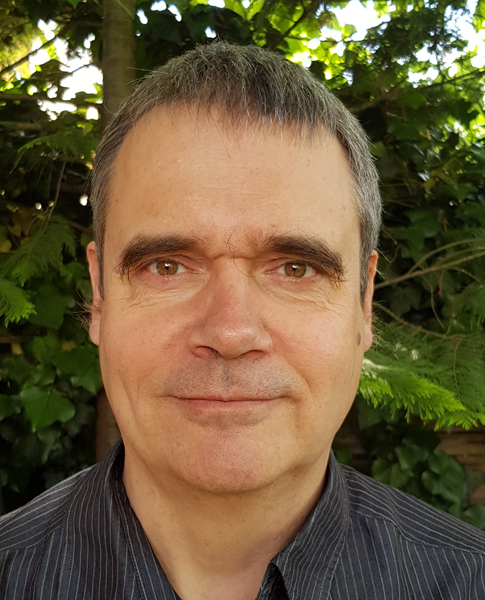
Zoltán Barta is a Professor of Biology at the University of Debrecen , serving as Head of the Department of Evolutionary Zoology and Director of the Institute of Biology and Ecology. He is a member of Academia Europaea and actively leads the Evolutionary Biology and Biodiversity Doctoral Programme at the Juhász-Nagy Pál Doctoral School. His work integrates theoretical and empirical approaches to address questions in behavioural ecology , evolutionary biology , and life history theory . Research Focus : Combines social foraging , parental care dynamics , and gene expression regulation in model systems like the Lethrus apterus beetle. Awards : Medal of the Debrecen Chapter of the Hungarian Academy of Science (2014) Bolyai Research Fellowships (2001, 1998) Marie Curie and NATO Fellowships (2001, 1996) Öveges Scholarship (2006) Leadership : Organized national/international workshops; supervised numerous PhD and Master’s students. Current chair of the Ecology and Evolution panel at Hungary's National Office for Research, Development, and Innovation.
جستوجوی استاد و پژوهشگر
استاد راهنما، استاد دانشگاه یا پژوهشگر مناسب برای مسیر پژوهشیتان را پیدا کنید و با او ارتباط بگیرید.
نمایش ۷۳۶-۷۵۰ از ۱٬۴۸۰ استاد راهنما
اطلاعات این پروفایلها از صفحات عمومی دانشگاهها جمعآوری شده و ممکن است بهروز نباشد.
- Evolutionary Biology
- Plant Ecology
- Adaptation
- +۳ مورد دیگر
Andrew Simons is a Professor and Associate Chair of Graduate Studies in the Department of Biology at Carleton University. He holds a B.Sc. from Guelph, M.Sc. from McGill, and Ph.D. from Dalhousie. His research focuses on organismal adaptation to environmental change, particularly using monocarpic plants like Lobelia inflata and duckweeds as models. He explores phenotypic plasticity and bet-hedging strategies, with a focus on evolutionary responses to fluctuating environments. His teaching includes advanced evolutionary biology, evolutionary applications, and ecosystem ecology. He advises students in M.Sc. and Ph.D. programs. His lab website details ongoing projects and collaborations. Media coverage includes CBC News for his work on evolutionary 'bloopers' and bet-hedging strategies.
- Primatology
- Behavioral Ecology
- Tropical Ecosystems
- +۹ مورد دیگر
Professor Amanda Korstjens is a Professor of Behavioural Ecology at Bournemouth University's School of Life and Environmental Sciences. With over two decades of research experience, she has established herself as a leading expert in primatology and conservation biology, particularly focusing on tropical ecosystems and primate behavior. Her work bridges ecology, climate science, and conservation practice, with significant contributions to understanding how environmental changes impact primate populations across Africa and Southeast Asia. Her academic journey began with a PhD in Biology from Utrecht University (2001), where her dissertation focused on primate social systems in Taï National Park. This foundational work established her expertise in primate behavioral ecology and laid the groundwork for her subsequent research on red colobus monkeys and their mating systems. Professor Korstjens' research spans multiple critical areas in primatology and conservation science. She leads the LEAP (Landscape Ecology and Primatology) research program, which investigates how forest structure and disturbance affect primate distribution and behavior. Her work examines how climate change and human activities influence primate populations, with particular focus on red colobus monkeys and gibbons. She has pioneered the use of drone technology and microclimate measurements to understand how forest structure influences primate habitat use and responses to environmental change. Her research has significant implications for conservation strategies in the face of global climate change. Analysis of Professor Korstjens' recent publications reveals a strong interdisciplinary approach that integrates primatology with climate science and landscape ecology. Her work increasingly incorporates advanced technologies like UAVs (drones) and LiDAR for 3D forest mapping, combined with microclimate measurements to understand habitat quality at fine scales. There's a clear progression toward research with direct conservation applications, particularly through her work with the LEAP program in Sumatra, which examines how microclimate variations within forests create refuges for primates facing climate change. Associate Editor for Animal Behaviour (2017-2019) Editorial Board for Primates (2015-present) Invited Primate Species Specialist Group member of the IUCN Species Survival Committee (2017-2020) Topical Editor for Primate Biology - Copernicus Publications (2014-present) Professor Korstjens actively mentors the next generation of researchers, having supervised numerous PhD students including Emma Hankinson, Alexandria Young, Aralisa Citalli SHEDDEN-GONZALEZ, Helen Slater, Christopher Marsh, Kelly van Leeuwen, Lindsay Biermann, and Monika Knul. She has secured significant research funding from organizations including the Leverhulme Trust, People's Trust for Endangered Species, and the Primate Society of Great Britain. Her current research focuses on understanding how forest degradation affects primate populations in Sumatra and how microclimate variations can serve as refuges for primates facing climate change. She leads the LEAP (Landscape Ecology and Primatology) research program, an interdisciplinary initiative investigating the role of forest structure and disturbance on animal distribution and behavior in Sumatra, Indonesia. This program involves collaboration with researchers from multiple institutions including Liverpool John Moores University and the Sumatran Orangutan Conservation Programme. The LEAP program combines field observations with advanced remote sensing technologies to understand how primates respond to environmental changes, with direct applications for conservation planning.

- Animal Behavior
- Livestock Science
- Plant Genetics
- +۳ مورد دیگر
Megan Quail is a PhD candidate in Biological Sciences at Aberystwyth University's Institute of Biological, Environmental & Rural Sciences (IBERS), focusing on livestock grazing behavior and carbon emissions. She also holds teaching roles as a Guest Lecturer at Edge Hill University ("Field to Fork") and Demonstrator at Aberystwyth University in courses like Sustainable Land Management and Animal Husbandry. Her research spans animal cognition, plant genetics, and ecological conservation, contributing to UN Sustainable Development Goals related to climate action and sustainable agriculture. Education: BSc (Hons) Biology (Edge Hill University), MRes in Tropical Plant Population Genetics (Aberystwyth University), and ongoing PhD in Biological Sciences. Key research interests: Livestock cognitive abilities, epiphyte genetics in urban environments, and fern diversity in tropical ecosystems. Publications include studies on goat cognitive superiority over sheep/alpacas, genetic isolation of Tillandsia in Brazil, and dune ecosystem dynamics in NW England. Awards: AberDoc Scholarship (2022), Hazel Richardson Prize (2021), and multiple High Achievers Scholarships. Research extends to practical farming roles, including contract sheep shearing and managing her family farm in Leicestershire. She has published four peer-reviewed articles and a children's book, illustrating scientific concepts for broader audiences.
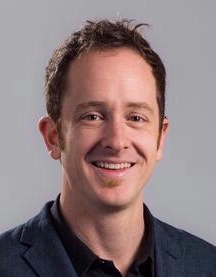
Nathan Morehouse is an Associate Professor in the Department of Biological Sciences at the University of Cincinnati and Director of the Institute for Research in Sensing (IRiS). He holds a Ph.D. from Arizona State University (2009) and a B.S. from Cornell University (2000). His research focuses on the evolutionary biology of visual and behavioral traits in insects and spiders, particularly jumping spiders and butterflies. He investigates co-evolutionary dynamics of reproductive traits, sexual selection, and nutritional ecology, with an emphasis on how visual systems influence signal evolution. Education: Ph.D., Biology, Arizona State University, 2009 B.S., Biological Sciences, Cornell University, 2000 Key Research Interests: Visual ecology and color vision in jumping spiders Coevolution of male displays and female sensory systems Post-copulatory reproductive interactions in butterflies Art-science collaborations to enhance public engagement Grants and Funding: $1,028,734 (NSF) for research on jumping spider color vision $580,896 (NSF) for studies on female gaze and male courtship displays IRiS partnerships with industry (Kroger, Procter & Gamble) and federal agencies (NIOSH) Labs and Teams: Directs IRiS and leads the Morehouse Lab, which emphasizes interdisciplinary research and outreach. Collaborates with institutions globally, including the University of Tours (France) and UC’s engineering and arts colleges.
David Mackayمشاهده پروفایل
پژوهشگر ارشد
Dr. David Mackay is a Research Fellow in the School of Environmental and Rural Science at the University of New England (UNE). With over 25 years of experience, his work focuses on plant ecology, conservation, and climate change impacts. He leads the terrestrial vegetation component of the Gwydir and Warrego Wetlands MER project, assessing wetland plant communities and collaborating with NSW Department of Planning and Environment researchers. His PhD (2018) explored the Rusty Fig’s resilience to climate change, revealing critical roles in fig-frugivore mutualisms and ecosystem support. This research gained international attention, including media features by Mongabay, ABC Radio, and Silverback Films. Key research interests include plant-pollinator interactions, invasive species management, and ecological restoration. Notable projects include: - Demonstrating that introduced biocontrol agents boost Bitou Bush seed production (2017) - Revealing feral honeybee competition’s threat to native plant fitness (1998) - Documenting fig trees as keystone resources for insectivorous birds (2018) David lectures in Ecology and Botany at UNE and has advised NSW/ Commonwealth environmental agencies on ecological projects. His work bridges field research with applied conservation solutions, emphasizing plant reproductive ecology and landscape genetics.
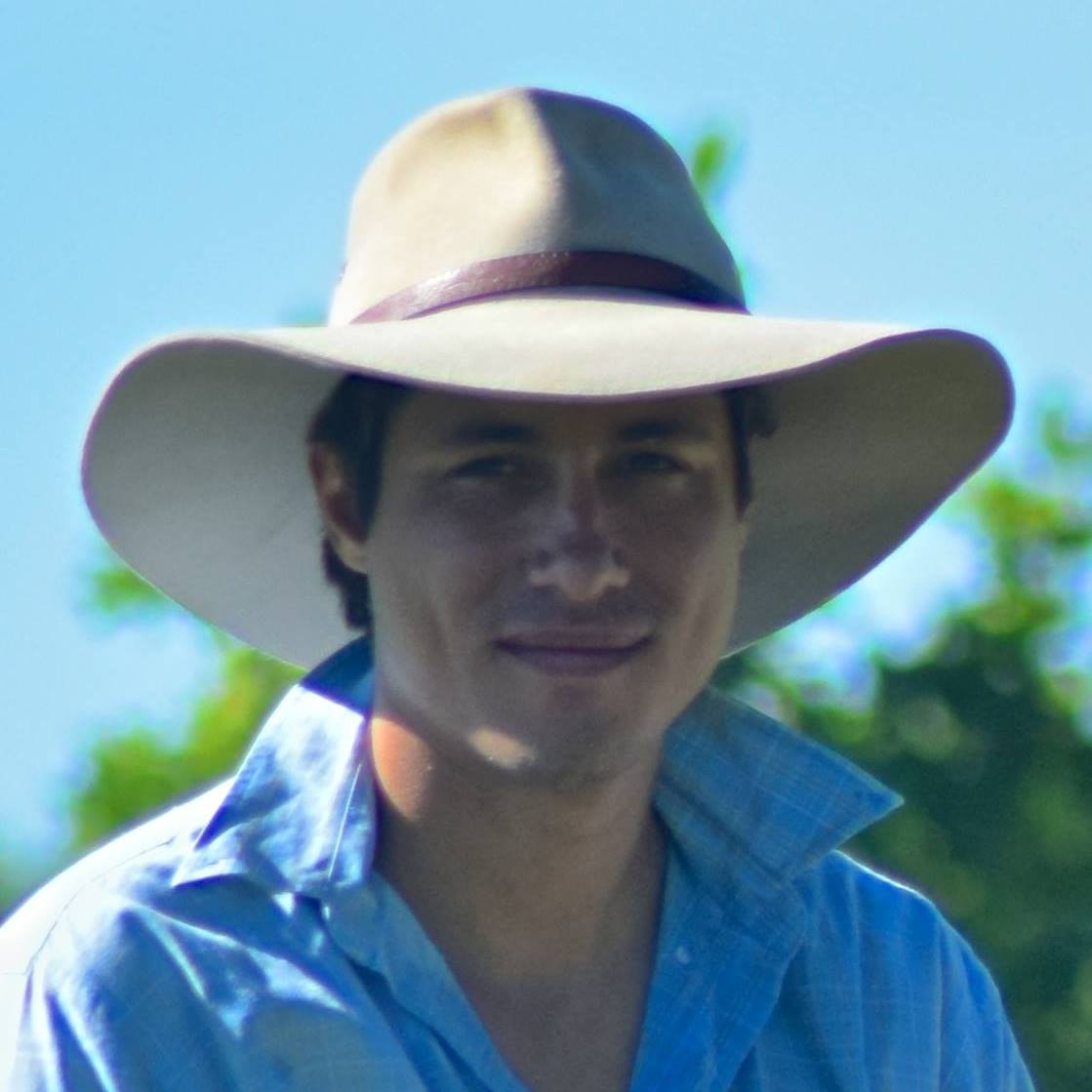
Tiago Alves Corrêa Carvalho da Silva is a Research Fellow in the School of Environmental and Rural Science at the University of New England (UNE). He holds a Bachelor of Agronomic Engineering from the University of São Paulo and a PhD in Animal Science from the University of Queensland. His research focuses on livestock systems, particularly small ruminants and beef cattle in tropical environments. Key areas include parasite resistance, pasture management, and nutritional strategies. Education: Bachelor of Agronomic Engineering, University of São Paulo PhD in Animal Science, University of Queensland Research Interests: Small ruminant health and productivity Tropical livestock systems Parasitic disease control Nutritional management of cattle Pasture legume improvement Articles Trends: His work addresses challenges in tropical livestock, including anthelmintic resistance, gastrointestinal parasites, and the impact of feeding practices on animal performance. Recent studies emphasize Fijian small ruminant systems and spittlebug pest management in beef production. Grants & Advising: No specific grants or advisees listed. Collaborations include Meat & Livestock Australia and international research networks. Labs/Teams: Engaged with UNE’s environmental and rural science teams, focusing on applied agricultural research.

- Ecology
- Conservation Biology
- Wildlife Behavior
- +۳ مورد دیگر
Karolina Zalewska is an Associate Tutor in the School of Environmental Sciences at the University of East Anglia. Her research focuses on ecological dynamics, particularly avian population declines, predator-prey interactions, and urban wildlife behavior. She holds a PhD and is affiliated with the Environmental Biology research group. Education: Master of Science, University of St Andrews (2020–2021), Awarded Nov 2021 Bachelor of Science, University of Aberdeen (2016–2020), Awarded Jul 2020 Her research explores how climatic niches influence bird populations and examines behavioral adaptations in species like red squirrels and pine martens. Recent work highlights overlooked ecological interactions, such as otters consuming tadpoles. Articles frequently appear in journals like the Journal of Biogeography , with significant media coverage (e.g., 10 news outlets). Collaborations span multiple countries, reflecting global environmental research priorities. No scientific awards are listed, but her work demonstrates strong peer recognition via citations and social media engagement. Advising and grant details are not explicitly provided, though her involvement in the Environmental Biology group suggests participation in broader research initiatives.
Amy Sullivanمشاهده پروفایل
استاد آموزشی
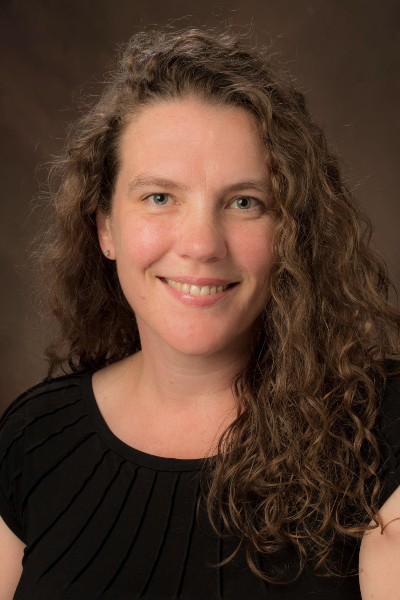
Amy Sullivan is an Associate Teaching Professor at Miami University within the Department of Biology and Project Dragonfly. She holds a Ph.D. in Ecology and Evolution from the University of Illinois at Chicago, focusing on vole impacts on tallgrass prairies. Her research interests span plant-animal interactions, community ecology, restoration strategies, and small mammal behavior. Sullivan collaborates with community partners to integrate climate change discourse through art. She teaches courses ranging from environmental biology to urban ecology and conservation science. Education: Ph.D., Ecology and Evolution, University of Illinois at Chicago M.S., Wildlife and Range Resources, Brigham Young University B.S., Conservation Biology, Brigham Young University Research Interests: Sullivan’s work emphasizes ecological restoration, herbivore-plant dynamics, and community-based environmental education. She explores how art can bridge scientific communication and public engagement on climate change. Her studies on voles reveal critical insights into prairie ecosystem resilience and small mammal ecology. Grants & Advising: While specific grants are not detailed, her courses (e.g., BIO 620, BIO 631) often involve collaborative projects with institutions like the Denver Zoological Foundation and Wildlife Conservation Society, reflecting her commitment to applied ecological research. Labs & Teams: Engaged with Project Dragonfly and the Department of Biology, focusing on interdisciplinary approaches to environmental challenges.
Leyla Riosمشاهده پروفایل
استادیار
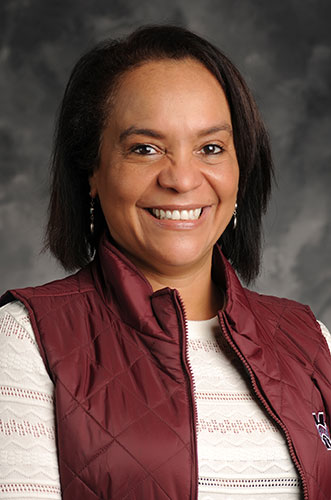
Dr. Leyla Rios is an Assistant Professor at Mississippi State University's Department of Animal and Dairy Sciences within the College of Agriculture and Life Sciences. She holds a Ph.D. in Nutrition-Parasitology Interaction from the University of Edinburgh and an M.Sc. in Animal Production from Universidad Central de Venezuela. Her research focuses on bioactive forages and plant extracts for gastrointestinal parasite control in small ruminants, animal welfare, and sustainable feeding systems. She also investigates tropical livestock production systems and their adaptation to environmental challenges. Key research contributions include studies on Duddingtonia flagrans for parasite control, shade utilization in grazing areas, and the anthelmintic potential of tropical plants like Canavalia ensiformis and Caesalpinia coriaria. Dr. Rios has published extensively on small ruminant production systems in Colombia and the Southern U.S., emphasizing sustainable practices. Awards: José María Vargas 2nd Class Order (Universidad Central de Venezuela) Grants/Extension: Led initiatives on silvopasture systems, mineral requirements in goats, and parasite control strategies. She collaborates with organizations like the American Consortium for Small Ruminant Parasite Control and the Latin American Animal Production Association, advancing global small ruminant research and education.
- Ornithology
- Limnology
- Fish Ecology
- +۳ مورد دیگر
Eric Demers is a Professor in the Department of Biology at Vancouver Island University (VIU). Active in teaching and research since the 1990s, he focuses on Ornithology , Limnology , and Fish Ecology , leading the VIU Bird Banding Project since 2013. His work spans aquatic ecosystems, wildlife behavior, and ecological interactions. Education: BSc, McGill University (1991) PhD, York University (1996) Research Interests include avian ecology, freshwater systems, and wildlife conservation. His publications analyze fish behavior, nutrient cycling in lakes, and technological applications in ecological studies. Recent projects involve bird-window collision assessments , water quality monitoring , and invasive species impacts . Advising and Projects: He has supervised over 25 students on topics like Western Purple Martin nesting , Coastal Cutthroat Trout movement , and Amphibian pathogen detection . The VIU Bird Banding Project investigates songbird populations at Buttertubs West Marsh.

Christian Skovمشاهده پروفایل
دانشیار
Christian Skov is an Associate Professor at the National Institute of Aquatic Resources (DTU Aqua), specializing in Freshwater Fisheries Ecology . His research focuses on fish behavior, predation dynamics, telemetry tracking, and climate change impacts on freshwater ecosystems. Current projects: REWILD (marine rewilding), Lake Restoration , and Citizen Science Platforms . Active in Nordic and global fisheries management collaborations. Research Areas : Fish migration patterns, telemetry technology applications, predator-prey interactions, climate change adaptation, and sustainable recreational fisheries. His work aligns with UN Sustainable Development Goals 13 (Climate Action) and 14 (Life Below Water). Recent Publications (2025) address: Climate change effects on angler participation Citizens science data validation Telemetry-based behavior studies Ecosystem restoration strategies Advising : Supervises PhD students studying fish behavior and migration. Collaborations : International Council for the Exploration of the Sea (ICES) member since 2014. Labs : DTU Aqua Fish Behavior Lab, specializing in 3D telemetry and habitat use studies.

Ben Mooreمشاهده پروفایل
دانشیار
Associate Professor Ben Moore is an ecologist specializing in plant-animal interactions, chemical ecology, and the nutritional strategies of Australian marsupials, particularly koalas. He holds a position at the Hawkesbury Institute for the Environment (HIE), Western Sydney University, within the Plants, Animals and Interactions school. His research focuses on Eucalyptus-herbivore dynamics, climate impacts on ecosystems, and koala conservation. Education: BSc (Hons) Zoology, University of Melbourne Ph.D., Australian National University Research Interests: Chemical defenses in Eucalyptus and their effects on herbivores Koala diet and microbiome adaptations Climate change impacts on plant-animal interactions Ecological roles of plant secondary metabolites His work combines field studies, remote sensing, and lab analyses to address conservation and agricultural challenges. Articles Trends: Recent publications emphasize koala habitat suitability, drought effects on folivores, and nitrogen dynamics in pasture systems. Techniques like remote sensing and microbiome analysis are frequently employed. Grants & Projects: NSW Koala Strategy grants (2022–2025) Eucalyptus dieback studies (NSW Department of Planning, 2023–2024) Legume nitrogen fixation research (MLA Donor Company, 2022–2025) Labs & Teams: Active in HIE's Plants, Animals, and Interactions theme, collaborating with researchers like Rachael Nolan and Markus Riegler on koala ecology and ecosystem resilience.

Susan M. Cachel is a Professor in the Department of Anthropology at Rutgers, The State University of New Jersey, affiliated with the School of Arts and Sciences (SAS). Her primary research focuses on physical anthropology, primate evolution, and evolutionary theory, with notable contributions to hominid bipedalism origins and hominization processes. She holds a PhD from the University of Chicago (1976) and has been recognized with prestigious awards including AAAS Fellowship (2009) and the 2005 AAPA Plenary Prize. Her academic contributions span multiple domains: pioneering work on primate locomotion's role in bipedalism, studies on nutritional ecology's impact on human migration, and innovative approaches to interpreting hominin behavior through tool analysis. She teaches courses like 'Human Variation' (01:070:356) and has authored influential texts such as Primate and Human Evolution (2006) and Fossil Primates (2015). Recent research emphasizes interdisciplinary methods, linking morphological studies with behavioral ecology. A 2017 paper explored nasal cavity energetics' influence on cranial adaptations, while 2016 critiques highlighted legal barriers to fossil research. Her reviews for high-impact journals demonstrate leadership in synthesizing paleoanthropological knowledge. Professional service includes editorial roles and committee work at AAPA. Current interests include Arctic human adaptation studies and developing metrics for evaluating innovative behaviors in early hominins. Her lab focuses on integrating morphometric analyses with environmental modeling to understand evolutionary trajectories.

Paul A. Fadil is a Professor and Chair of the Department of Management at the Coggin College of Business, University of North Florida, where he has served since Fall 2004. His teaching portfolio spans undergraduate and graduate courses in Organizational Behavior, International Management, Human Resource Management, and Administrative Management. He has won 9 teaching awards across five universities and 7 research commendations, with over 35 publications and 100+ conference presentations. His research focuses on cross-cultural management, behavioral theories, and domestic cultural diversity. Education: PhD in Organizational Behavior and International Management, Florida State University (1997) MBA in International Business, Florida International University (1991) BA in Multinational Politics and International Relations, University of Florida (1989) Dr. Fadil has led over 21 international study abroad programs across 11 countries and taught in Germany, France, Japan, South Africa, and others. His work extends to corporate leadership training and media contributions, including a weekly TV show Office Chat on First Coast News. Awards: 9 teaching awards, 7 research commendations. Advising & Grants: No specific grants mentioned; however, he has advised numerous students and collaborated with Jacksonville-area corporations on leadership and cross-cultural communication.
فقط ۷۵۰ نتیجه اول نمایش داده میشود. برای رسیدن به نتایج دقیقتر، جستوجو را با فیلترها محدودتر کنید.