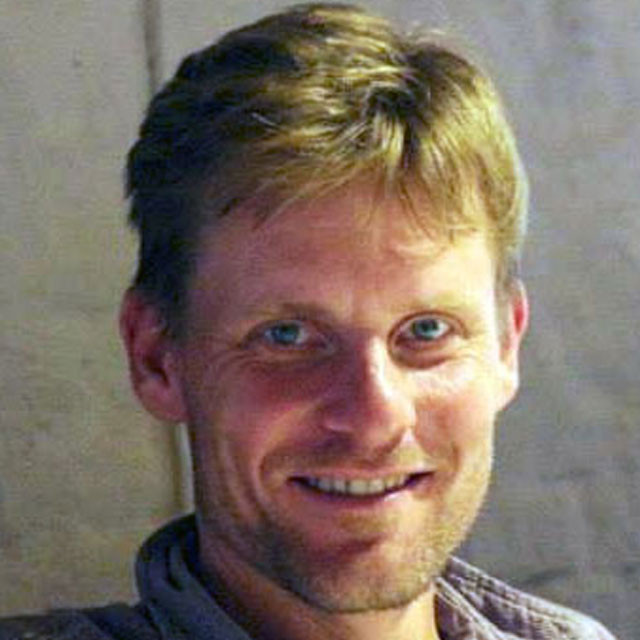
Alex Liu is a Researcher at the Department of Earth Sciences within the University of Cambridge. He specializes in palaeobiology , focusing on the origin and early evolution of animals, particularly the Ediacaran biota (~579–539 million years ago), and their co-evolution with Earth's environment. Research Focus: Refines understanding of animal body plan evolution, taphonomy, sedimentology, and macroevolutionary trends. Methodologies: Combines fieldwork, experimental studies, petrology, phylogenetics, and big-data analyses. Collaborations: Works with international museums and research teams on fossil sites in Namibia, Canada, and Brazil. Additional Interests: Explores meiofaunal evolution, paleogeography, paleoclimate, and conservation paleobiology. He supervises Cambridge NERC Doctoral Landscape Awards (DLA) projects and welcomes student contributions to taxonomic, paleoecological, and analytical studies.
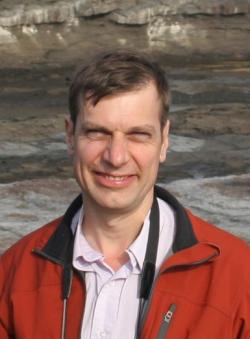
Katrine Eldegard is a Professor at the Norwegian University of Life Sciences (NMBU), Faculty of Environmental Sciences and Natural Resource Management (MINA), Department of Ecology and Natural Resource Management (INA). She leads BatLab Norway and contributes extensively to national and international conservation science policy. Institution: Norwegian University of Life Sciences School: Faculty of Environmental Sciences and Natural Resource Management Department: Department of Ecology and Natural Resource Management Position: Professor Her research centers on understanding how human activities and land use affect natural ecosystems and species across taxa and spatial scales. She specializes in the behavioral, population, and community-level responses of mammals, birds, and insects to anthropogenic pressures such as energy infrastructure, transport networks, and forestry. A major focus is on bat ecology and conservation, pollination dynamics, and biodiversity monitoring in boreal and agricultural landscapes. Her recent publications reveal strong trends in climate change impacts on bat morphology and distribution, pollinator-plant interactions under environmental change, and the ecological consequences of infrastructure development. These works integrate field ecology with advanced modeling and policy-relevant assessments. She has played leading roles in key scientific committees: Chair, Mammal Committee, Norwegian Red List for Species (2021) Chair, Mammal Committee, Norwegian Alien Species List (2023) Member, Norwegian Scientific Committee for Food and Environment (VKM), CITES Expert Panel Norway’s representative, UNEP/Eurobats Advisory Committee Eldegard has supervised numerous research projects and collaborated with government agencies and private partners on applied ecology. She teaches courses including NATF200 Vern og forvaltning av norsk natur and the upcoming NATF300 Conservation Science. Her work is supported by extensive fieldwork, interdisciplinary collaboration, and integration of ecological theory with practical conservation. She leads BatLab Norway, a research group dedicated to advancing knowledge on bat ecology, behavior, and conservation through innovative methods including telemetry, acoustic monitoring, and landscape analysis.
University of California , Santa Barbara (UCSB)United States
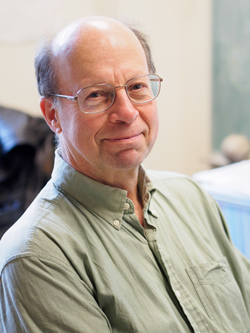
Todd Oakley is a Professor and Department Chair of the Department of Ecology, Evolution, and Marine Biology (EEMB) at the University of California, Santa Barbara (UCSB). He joined the faculty in 2003 and currently serves as Vice Chair of resources for EEMB, while also being a member of UCSB’s Marine Science Institute. His academic career includes a BS and MS from the University of Wisconsin-Milwaukee, a PhD in Biological Sciences from Duke University, and an NIH-NRSA postdoctoral fellowship at the University of Chicago. His research focuses on the origins and evolution of complex traits, particularly visual systems and bioluminescence in marine invertebrates. The lab investigates four main paths: (1) the evolutionary origins of vision and light-interacting genes, (2) diversification of arthropod eye designs, (3) convergent evolution in mollusks like octopuses and chitons, and (4) genetic drivers of ecological interactions in algae relevant to biofuel production. Notable tools developed include the Osiris Galaxy workflow for phylogenomic analysis and the CoMET plug-in for character evolution modeling. Dr. Oakley has advised over 17 students, including graduate and undergraduate researchers, many of whom have pursued postdoctoral or academic roles. His scientific contributions include the NIH-NRSA postdoctoral fellowship and over 119 peer-reviewed publications, often leveraging phylogenetics and genomics to address evolutionary questions. Collaborators include institutions like University of Chicago, UC-Davis, and international centers such as the University of Tartu and Museum Victoria. The lab emphasizes interdisciplinary approaches, combining fieldwork, molecular techniques, and computational biology.
Max Planck Institute for Biological IntelligenceGermany
Dr. Pablo Oteiza serves as Research Group Leader at the Max Planck Institute for Biological Intelligence in Martinsried, Germany, where he leads the Flow Sensing research group. Previously, he was Group Leader at the Max Planck Institute for Ornithology (2019-2024) and Research Associate there (2016-2019). His academic journey includes a postdoctoral fellowship at Harvard University's Department of Molecular and Cellular Biology and Center for Brain Science (2010-2016), and graduate studies at Universidad de Chile and the Max Planck Institute for Molecular and Cellular Biology (2004-2010). Dr. Oteiza's research program investigates how aquatic animals sense and respond to their hydrodynamic environment. His quantitative behavioral approach seeks to understand the fundamental principles governing flow navigation in fish and amphibians. His work spans sensory biology, neuroscience, biomechanics, and evolutionary biology, with zebrafish serving as a primary model organism. His research bridges physical hydrodynamics with biological sensory mechanisms, exploring how organisms extract meaningful information from fluid movements. Analysis of Dr. Oteiza's publications reveals a research trajectory evolving from developmental biology toward specialized sensory mechanisms. His work in high-impact journals demonstrates consistent focus on sensory systems across multiple scales - from cellular and molecular mechanisms to whole-organism behavior. His research shows particular strength in connecting physical stimuli with neural processing and behavioral outputs, especially in aquatic environments. As Research Group Leader, Dr. Oteiza oversees a laboratory investigating fundamental questions about hydrodynamic sensing. His team employs advanced techniques to study neural circuits, sensory processing, and behavioral responses to water flow, contributing significantly to our understanding of how organisms interact with their fluid environments. His collaborative work extends across international institutions, reflecting the interdisciplinary nature of his research.
The University of Tennessee at ChattanoogaUnited States
David A. Aborn is a Professor in the Department of Biology, Geology, and Environmental Science at the University of Tennessee-Chattanooga (UTC). His primary research focuses on bird migration, urban ecology, and conservation, particularly studying stopover biology, habitat selection in urban environments, and the effects of urbanization on avian populations. He holds a PhD in Biological Science from the University of Southern Mississippi (1996), an MS in Zoology from Clemson University (1989), and a BS in Zoology from Clemson University (1985). His work integrates field studies, telemetry, and citizen science to address ecological questions. Dr. Aborn’s research projects include assessing urban greenspaces as stopover sites for migratory birds, studying overwintering Sandhill Cranes, and investigating the breeding biology of Tree Swallows. He has received grants totaling over $595,000 from organizations like the National Science Foundation and the Tennessee Wildlife Resources Agency. His publications span 40+ articles in journals such as Nature Ecology and Evolution , Wilson Journal of Ornithology , and Southeastern Naturalist , with a focus on avian behavior, habitat use, and conservation challenges. Key research trends in his articles include urban birdstopover dynamics, stress physiology in migratory species, and invasive species impacts. He serves on committees for UTC’s Environmental Task Force, Reappointment, and Promotion. As a certified Master Bird Bander (USGS), he actively engages in public outreach through roles like Chattanooga Audubon Society board member and frequent guest lectures at local schools and organizations. Dr. Aborn advises the UTC Wildlife Zoology Club and coordinates graduate programs in Environmental Science. His work bridges academic research with applied conservation, emphasizing the role of urban ecosystems in avian survival and biodiversity preservation.
Charles R. Marshall is the Philip Sandford Boone Chair in Paleontology and Professor in the Department of Integrative Biology at the University of California, Berkeley. He serves as Director of the University of California Museum of Paleontology (UCMP) and Chair of the Berkeley Natural History Museums (BNHMs). His research focuses on deep-time evolutionary biology, integrating fossil and genomic data to understand life's evolution, extinction dynamics, and morphological innovation. He holds a joint appointment in Earth and Planetary Sciences. Research Interests: Dr. Marshall explores processes shaping long-term evolution, including mass extinctions, biodiversity dynamics, and the origins of animal body plans. His work combines epistemological tools with interdisciplinary approaches, such as molecular phylogenetics and fluid dynamics analysis of fossilized structures. He emphasizes collaboration across institutions and disciplines, leveraging museum collections and computational models. Key Contributions: Notable projects include quantifying Tyrannosaurus rex population size, analyzing extinction pulses, and evaluating timetree methodologies. He co-authored influential studies on the Cambrian Explosion and the Red Queen hypothesis in mammalian extinctions. His work bridges paleobiology with conservation science to address modern ecological challenges. Awards: Recipient of the 2023 Paleontological Society Pojeta Award. His leadership roles include directing major initiatives like the Eastern Pacific Invertebrate Communities of the Cenozoic (EPICC) project, advancing global biodiversity documentation.
Sylvain Wagnon is a Professor of Educational Sciences at the Faculty of Education, University of Montpellier, where he serves as head of the Cedrhe (Center for the History of Education UM) and is a member of the Lirdef research unit. Holding both agrégation and a doctorate in history, his academic work bridges historical scholarship with contemporary educational challenges. His research focuses on the history of alternative and libertarian education pedagogies, the evolution of school practices and tools, and the current challenges facing non-traditional educational approaches. Wagnon examines how historical educational practices inform contemporary debates, particularly regarding material culture in schools, children's rights in public spaces, and the relationship between urban environments and educational experiences. Wagnon's recent publications reveal a consistent thematic thread exploring how physical objects and spaces shape educational experiences. His work on school bags as cultural artifacts, anarchist educational figures like Spirus Gay, and the 'no kids' movement demonstrates his commitment to understanding education through historical and material lenses. His research consistently connects historical educational practices to contemporary policy debates, particularly regarding children's autonomy and rights in public spaces. His scholarly contributions address critical questions about how educational spaces can be reimagined to better serve children's developmental needs while respecting their rights as citizens. Through examining historical precedents, Wagnon provides valuable perspective on current debates about outdoor education, school gardens, urban design for children, and alternative pedagogical approaches. Wagnon actively contributes to public discourse through publications in platforms like The Conversation, where he translates academic research into accessible commentary on pressing educational issues. His work bridges academic scholarship with practical implications for educators, policymakers, and parents seeking to create more child-friendly educational environments.
Dr. Martin Zuidhof is a Professor in the Department of Agricultural, Food & Nutritional Science at the University of Alberta. His primary research focus is on Poultry Systems Modeling and Precision Feeding, particularly in optimizing broiler breeder management and energy partitioning. He holds a PhD in Animal Science from the University of Alberta and has pioneered transformative precision feeding systems that achieve unprecedented flock uniformity ( Education: PhD, Animal Science, University of Alberta Research Interests: Dr. Zuidhof’s work centers on advancing precision livestock systems through mathematical modeling (e.g., multiphasic growth models), optimizing pullet body weight for reproductive efficiency, and addressing societal concerns about animal welfare in poultry production. His innovations in precision feeding systems reduce nutrient waste while enabling precise metabolic studies. Publications: Over 50 peer-reviewed articles since 2004, spanning topics from energy partitioning to smart farming technologies. Recent work emphasizes low-cost sensor applications and Big Data integration in poultry systems. Teaching: Instructs courses like Applied Poultry Science (AFNS 571/AN SC 471) and Principles of Animal Agriculture , emphasizing experiential learning and critical scientific thinking. Grants/Advising: No explicit grants listed, but his research has received institutional support. No advisee names found in provided texts.
David Weisblat is a Professor in the Department of Molecular and Cell Biology at UC Berkeley's College of Letters & Science. His research focuses on developmental and evolutionary processes in glossiphoniid leeches (e.g., Helobdella ), particularly their segmentation mechanisms and molecular phylogeny within Lophotrochozoa. He leads studies integrating embryological, genomic, and genetic approaches to understand how developmental pathways evolved across bilaterian animals. Research Interests: Weisblat’s work addresses how cell fates and signaling pathways (WNT, NOTCH, TGFβ) shape leech development, with emphasis on the evolutionary origins of segmentation. His lab combines microinjection techniques, transcriptome analysis, and CRISPR mutagenesis to explore stem cell dynamics and conserved developmental programs. Key Projects: Current efforts investigate grandparental stem cell divisions in segmentation and intercellular signaling during early embryogenesis. The lab’s genomic resources—including BAC libraries and EST databases—facilitate comparative studies across Lophotrochozoan taxa. Lab Contributions: The Weisblat lab pioneered Helobdella as a model organism, enabling breakthroughs in Evo-Devo. Their findings bridge developmental plasticity and evolutionary innovation, particularly in annelids versus arthropods/deuterostomes.
Gerald H. Thomsen is a Professor in the Department of Biochemistry and Cell Biology at Stony Brook University, where his research focuses on molecular mechanisms of embryonic development using Xenopus frogs and Nematostella vectensis sea anemones. His laboratory investigates growth factor signaling pathways, ubiquitin-mediated protein degradation, and transcriptional regulation during early development. His primary research areas include TGFß superfamily signaling (specifically Vg1/nodal/activin and BMP pathways), ubiquitin ligase function in cell differentiation, and evolutionary developmental biology through comparative studies of vertebrates and cnidarians. Current projects examine Smad-interacting factors, Smurf ubiquitin ligases, and the molecular basis of regeneration in sea anemones, with implications for understanding human developmental disorders and birth defects. Dr. Thomsen's publications reveal consistent focus on developmental signaling mechanisms across diverse model organisms, with recent work emphasizing CRISPR/Cas9 applications in Xenopus and evolutionary conservation of developmental pathways. His laboratory maintains active collaborations with researchers at the University of Florida and University of Hawaii, particularly on Nematostella vectensis functional genomics and regeneration studies, as evidenced by co-authored publications on cnidarian developmental mechanisms.
Distinguished Professor Philip Hulme is a leading biosecurity scientist at Lincoln University's Department of Pest-Management and Conservation. With over 33,000 Web of Science citations and an H-index of 87, he ranks among Clarivate's Highly Cited Researchers for eleven consecutive years. His work spans international biosecurity policy, including coordination of the UN Intergovernmental Science-Policy Platform on Biodiversity and Ecosystem Services' Invasive Alien Species Assessment. His research focuses on developing solutions for biosecurity threats through fundamental ecological understanding of invasive species, human dimensions of invasions, and socio-ecological drivers of antimicrobial resistance. Key interests include: Trade and transport networks in biosecurity threats Population dynamics of invasive species Evolution of herbicide resistance Economic/social drivers of ornamental plant invasions His publication analysis reveals strong emphasis on One Biosecurity frameworks, invasion prediction modeling, and integrated human-environment systems. Recent work increasingly connects biosecurity with One Health principles and sustainable development goals. Major scientific recognition includes: Hutton Medal (2019) Leonard Cockayne Lecture Award (2018) Te Tohu Taiao Ecological Excellence Award (2022) Miegunyah Distinguished Visiting Fellowship (2022) Clarivate Highly Cited Researcher (11 years) Professor Hulme actively supervises six PhD students while advising national and regional bodies including the NZ Biosecurity Ministerial Advisory Committee, Environment Canterbury Biosecurity Advisory Group, Canterbury-Aoraki Conservation Board, and Zespri Biosecurity Advisory Group. His leadership extends to the Royal Society New Zealand Biological Panel and IUCN Invasive Species Specialist Group.
H. Frederik Nijhout holds dual appointments as the John Franklin Crowell Distinguished Professor of Biology and Professor of Biology at Duke University’s Trinity College of Arts & Sciences, where he has been a faculty member since 1977. His work bridges developmental physiology, evolutionary biology, and mathematical modeling, focusing on how genetic and environmental factors interact to shape complex traits such as insect metamorphosis, polyphenic development, and wing pattern evolution. Educated at Harvard University (Ph.D. Biology, 1974; M.A. Biology, 1972) and the University of Notre Dame (B.S., 1970), Nijhout has pioneered studies on butterfly wing patterns, revealing their underlying genetic and hormonal mechanisms. His research also examines metabolic pathways like one-carbon metabolism and neurotransmitter dynamics, with implications for human health issues such as Parkinson’s disease and acetaminophen toxicity. His research interests include understanding phenotypic plasticity, hormonal signaling (e.g., juvenile hormone, ecdysone), and the evolution of developmental processes. He advocates for systems biology approaches to integrate molecular, physiological, and environmental factors in studying complex traits, emphasizing the limitations of statistical gene-environment interaction frameworks. Recent publications highlight advancements in modeling melatonin synthesis, serotonin transporter modulation under inflammation, and the genetic basis of polyphenisms. His work underscores the importance of developmental mechanisms in enabling evolutionary adaptations to environmental challenges. Nijhout’s awards include the National Academy of Sciences membership (2025), the Kowalevsky Medal (2016), and fellowships from the American Academy of Arts and Sciences (2018) and the American Association for the Advancement of Science (1989). He has advised students like Yuichiro Suzuki and collaborates with mathematicians and clinicians to advance interdisciplinary research. His lab at Duke University studies insects such as Manduca sexta and Onthophagus beetles, and he maintains an artistic practice in pottery and painting, inspired by biological principles of pattern formation.
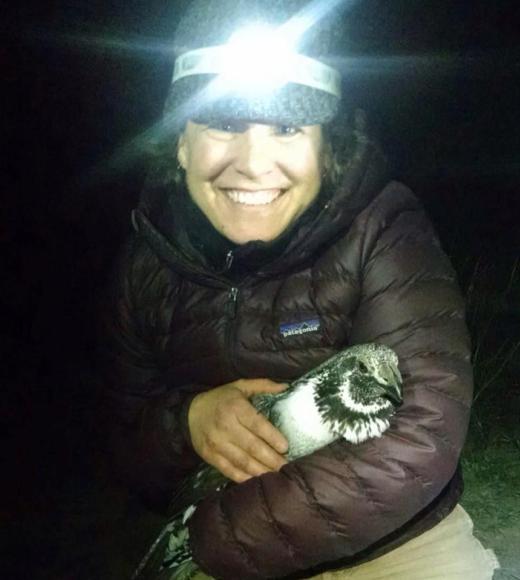
Gail Patricelli is a Professor in the Department of Evolution and Ecology at the University of California, Davis. Her research focuses on animal communication, sexual selection, and the impacts of anthropogenic activities like noise pollution on wildlife behavior and ecology. She employs innovative methods such as robotics, acoustic monitoring, and ecological observatory networks to study species like greater sage-grouse (Centrocercus urophasianus) and satin bowerbirds (Ptilonorhynchus violaceus). Her work bridges evolutionary biology, behavioral ecology, and conservation, with particular attention to how environmental changes affect mating systems and population dynamics. Patricelli’s research has examined how sage-grouse lekking behavior responds to habitat structure, social networks, and experimental noise pollution. She has pioneered the use of robotic females to study courtship negotiation and signal complexity in birds. Her studies on the physiological and behavioral effects of traffic noise on nestlings have advanced understanding of anthropogenic stressors in free-living populations. She also investigates the role of acoustic directionality and signal evolution in avian communication. Her lab’s interdisciplinary approach integrates field observations, experimental manipulations, and computational modeling to address questions in behavioral ecology. Key themes include sexual selection mechanisms, the evolution of communication systems, and conservation implications of human environmental impacts. Patricelli is affiliated with the Patricelli Lab at UCDavis and maintains an active research program supported by grants focused on biodiversity monitoring and sagebrush ecosystem management.
Prof Scott Keogh is a Professor in Evolutionary Biology at the Australian National University (ANU), affiliated with the Division of Ecology & Evolution within the Research School of Biology. He holds leadership roles such as former Head of Division (2012–2019, 2023) and Interim Director of the Research School of Biology (2020–2021). His research focuses on evolutionary processes in reptiles and amphibians, particularly molecular phylogenetics, comparative biology, and conservation. He has supervised 15 PhD students, 15 honours students, and hosted multiple postdoctoral researchers through his lab, which emphasizes interdisciplinary approaches and fieldwork. Keogh completed his BS at the University of Illinois (1991), MS at Illinois State University (1993), and PhD at the University of Sydney (1997). He joined ANU in 1998 after an Australian Research Council Postdoctoral Fellowship. His lab’s research spans four core areas: molecular phylogenetics, comparative evolutionary biology, behavioral ecology, and conservation biology. Notable projects include studies on Australian blindsnakes, skinks, pythons, and frogs, with a focus on arid zone species and conservation genetics. His research has addressed topics like morphological evolution in reptiles, the impact of climate change on biodiversity, and the genetic basis of reproductive strategies. He has secured grants for projects such as the conservation of the Southern Corroboree Frog and studies on Australian frog phylogeography. His lab actively collaborates internationally and uses cutting-edge genomic tools for species delimitation and conservation planning. Keogh’s work has led to over 174 publications and 7625 citations, with recent studies emphasizing phylogenomics, niche conservatism, and invasive species biology. His lab’s activities are detailed on their website, which includes Twitter feeds and awards won by lab members. He advocates for rigorous taxonomy and genomic approaches to address the biodiversity crisis.
Aldina Franco is Associate Professor in Ecology and Global Environmental Change at the School of Environmental Sciences, University of East Anglia (UEA). She is a member of the Centre for Ecology, Evolution and Conservation, Environmental Biology, and ClimateUEA. She has been at UEA since 2009, progressing from Lecturer to her current role, and serves as Director of the International Master in Applied Ecology and Chair of Postgraduate Taught Programmes. She is actively accepting PhD students and supervising a diverse, international research group. PhD in Conservation Biology, UEA MSc in Maths Applied to Biological Sciences, University of Lisbon MSci in Biology with Ecology, University of Lisbon Her research focuses on movement ecology, biogeography, and ecological responses to global change . She investigates animal migration, dispersal, and behavioral responses to climate change and anthropogenic pressures. Her group develops advanced animal tracking technologies (e.g., GSM, LoRa) and applies niche modeling to inform conservation. Key research areas include climate impacts on biodiversity, design of protected areas, and conservation of migratory species. Her recent publications (2023–2025) reflect a strong focus on climate change impacts on animal movement, conservation technology, and biodiversity monitoring . Articles cover thermal sensitivity in insects, bird migration dynamics, sensor development for wildlife tracking, and multi-threat vulnerability assessments for migratory birds. There is a clear trend toward interdisciplinary research integrating ecology, technology, and policy. Marsh Award for Ornithology (2023) Scientific Committee LIFE Connect Ricotí (2022) Aldina Franco leads and co-leads multiple NERC and internationally funded projects, including research on heatwave impacts, landslide monitoring, and bird migration. She supervises numerous PhD students and postdoctoral researchers, many from Portugal and funded by FCT. She collaborates with NGOs such as BTO, BirdLife International, and SPEA, and institutions in the UK, Portugal, and the USA. She coordinates the Movetech Telemetry project, developing state-of-the-art tracking devices in collaboration with BTO and the University of Porto. Her work contributes to UN Sustainable Development Goals related to climate action and life on land.