Keith Pickett is an Associate Professor at Tulane University, serving as the Associate Dean for Health Sciences. He oversees health research services and collaborates with Tulane University Libraries, the Medical School, Medical Center, and School of Public Health and Tropical Medicine to align library resources with institutional priorities. Role: Senior advisor on health sciences matters Institution: Tulane University Key Collaborations: Medical School, Primate Center, Public Health His research focuses on systematic reviews in health sciences, public health outcomes, medical librarianship , and information science in clinical translational research. He has extensively studied biomedical resource accessibility and digital collection trends. Recent publications highlight his work on post-viral reproductive health , gut microbiota in neurodegenerative diseases, and information systems in clinical research. His expertise spans digital resources , health research services , and academic library leadership . Selected Topics: Ebola recovery, Mediterranean diet impacts, patellar instability recovery
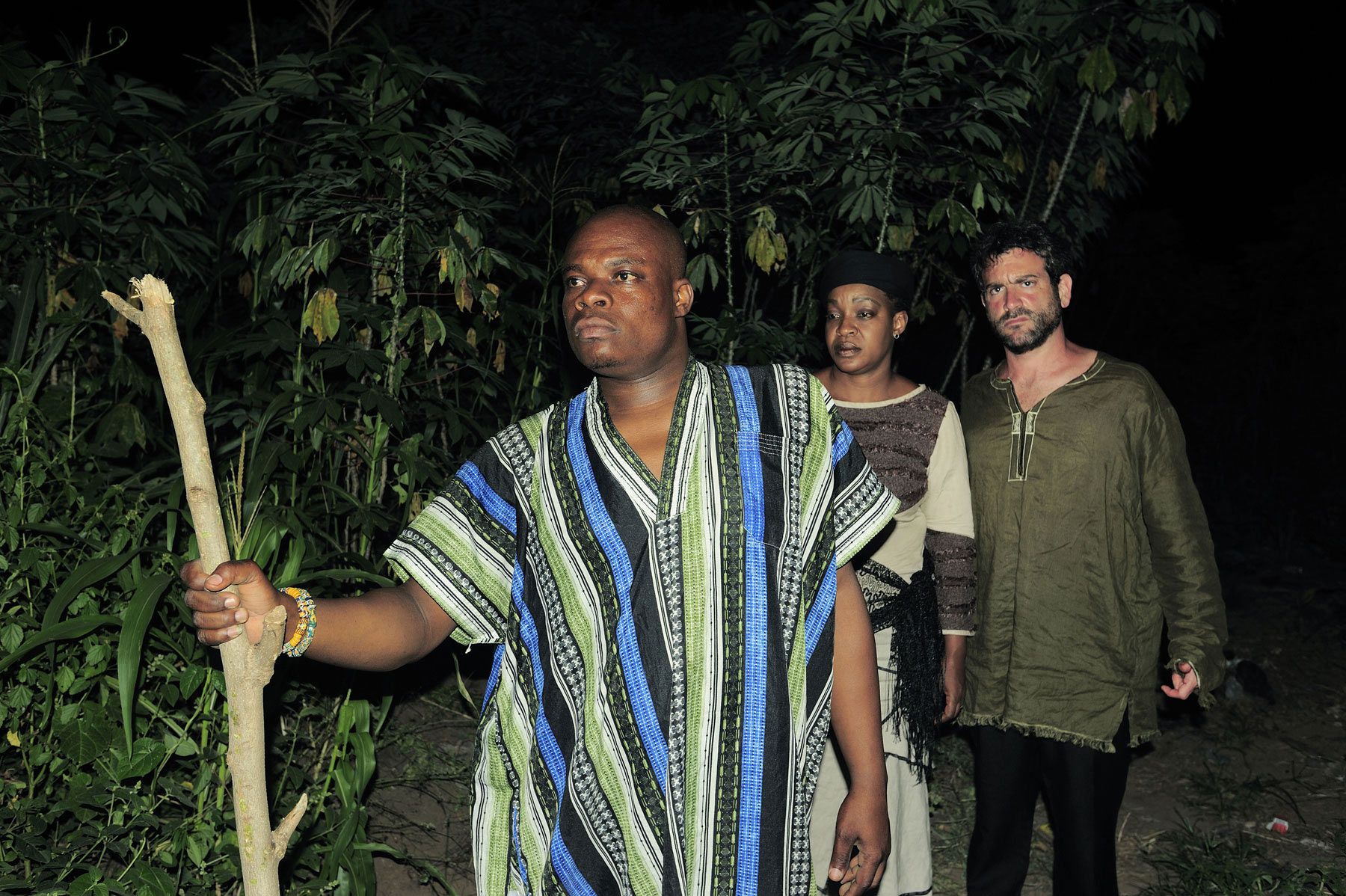
Doug Fishbone is an American artist living and working in London who serves as a Visiting Lecturer at University of Westminster, MA Advisor at Chelsea College of Art, and holds teaching positions at London College of Communication, Arts University Bournemouth, and Middlesex University. He is the Course Leader on the Graduate Diploma in Fine Art at Chelsea College of Art and Design and founder of the Master Class series at the Zabludowicz Collection. Fishbone earned his BA from Amherst College (1991) and MA in Fine Art from Goldsmiths College, London (2003). He has been described by critics as a 'stand-up conceptual artist' due to his unique fusion of performance art and conceptual frameworks that examine problematic aspects of contemporary life through humorous approaches. His research focuses on questions of relativity and perception, consumer culture, financial systems, historical memory, and the relationship between image and text. Fishbone's work consistently employs popular forms in unexpected ways to deliver incisive social commentary on contemporary Western life's absurdities, particularly regarding financial systems and environmental issues. He examines how audience and context influence interpretation, often using strategies of advertising and propaganda to explore serious subjects through humor. Fishbone's significant projects demonstrate thematic evolution from early explorations of cultural identity to more recent examinations of cancel culture, anti-Semitism, and economic systems. His work shows consistent interest in how art can intervene in public discourse, challenge established narratives, and question perceptions of authenticity and value. Samsung Art+ Prize Public Vote Award (2012) Sovereign European Art Award Public Vote Award (2008) Szpilman Award (2007) Beck's Futures Student Film and Video Award (2004) Multiple Arts Council England Grants As an educator, Fishbone has mentored emerging artists through his roles at Chelsea College of Art and the Zabludowicz Collection's Master Class program. He frequently serves as a guest lecturer at major art institutions including Goldsmiths College, Slade School of Art, Royal College of Art, and Oxford University. His teaching emphasizes pushing studio work forward through intensive development and critical engagement with contemporary art practices. Fishbone maintains an active studio practice while balancing his teaching responsibilities, regularly exhibiting new work at major institutions including Tate Britain, Jewish Museum London, and international venues such as the Venice Biennale. He is also a member of the Board of Trustees of the Yinka Shonibare Foundation, which fosters international cultural exchange.
Flaminia Catteruccia is the Irene Heinz Given Professor of Immunology and Infectious Diseases at Harvard T.H. Chan School of Public Health. Her research focuses on malaria vector biology, mosquito reproductive physiology, and Plasmodium-mosquito interactions. She leads translational efforts to develop gene drive systems, Wolbachia endosymbionts, and life-shortening compounds for malaria control. Education: Ph.D. in Molecular Entomology, Imperial College London (1999) Her lab investigates molecular mechanisms of mosquito fertility, hormonal signaling pathways (e.g., 20-hydroxyecdysone), and physiological factors enabling Plasmodium development. Fieldwork collaborations in Malawi and Kenya enhance understanding of natural vector-parasite dynamics. Recent publications highlight CRISPR-based sterilization, gene drive docking sites, and metabolic interactions between mosquitoes and pathogens. Awards include the Howard Hughes Medical Institute Investigator title, Faculty Scholar Award, and the ‘Most Powerful Women’ award. Grants: Multiple NIH R01 awards (2015-2028) for malaria vector research The lab collaborates with Kamuzu University Malawi, ICIPE Kenya, and Harvard Chan School teams to combat insecticide resistance and develop innovative malaria control tools.
Nureddin Gülaçtı serves as Professor and Head of the Ceramics and Glass Department at Dumlupınar University's Faculty of Fine Arts, a position he has held continuously since 2011 with promotion to full Professor in 2023. His academic journey began at Anadolu University where he earned his Bachelor's (1990-1994), Master's (1995-1998), and Proficiency in Arts (1998-2011) degrees in Ceramic disciplines. Educational background: Bachelor's in Ceramic Department, Anadolu University (1990-1994) Master's in Ceramic Main Branch with Thesis, Anadolu University (1995-1998) Proficiency in Arts, Ceramic Main Branch, Anadolu University (1998-2011) Research interests center on ceramic and glass arts with dual emphases: historical analysis of Kutahya's ceramic traditions and contemporary applications including surrealism in ceramic design, architectural integration, and cross-disciplinary motif adaptation. His work examines technical aspects like glaze systems and firing temperatures alongside cultural dimensions such as religious symbolism in ceramics and the evolution of ceramic art from Hittite to Republican eras. Recent publications demonstrate consistent output bridging academic research and artistic practice. Scientific recognition: Presidency of the Board of Higher Education Achievement Award (2022) Special Jury Award at 3rd International Kütahya Tile Symposium (2010) Nadya Kaya Special Award (1998) and multiple student competition honors Izmir Painting and Sculpture Museum Special Award (1996) Ministry of Interior Special Jury Award (1994) Academic leadership includes Erasmus Coordination since 2022 and continuous departmental headship since 2011. His research projects like the 'Protocol Entrance Staircase Pediment Wall Panel Application' (2015) and 'Evaluation of Frit-Based Crystal Glaze Systems' (2014-2015) demonstrate applied scholarship with institutional support. Graduate supervision occurs through courses including 'Scientific Research and Ethics' and 'Ceramic Design in Environmental Design', though specific student counts aren't documented. While no dedicated laboratory is specified, Prof. Gülaçtı directs departmental artistic production through courses like 'Artistic Ceramics Workshop' and project-based initiatives. His administrative roles provide structural support for ceramic arts education, with the department serving as the primary hub for creative and technical development in ceramics and glass.
Edna Bonhomme is a writer and Postdoctoral Fellow at the Max Planck Institute for the History of Science, holding a PhD in History of Science from Princeton University and a Master's in Public Health from Columbia University. Her work occupies a unique space at the intersection of academic research, public scholarship, and artistic practice. Her research interrogates the archaeology of (post)colonial science, embodiment, and surveillance through historical case studies spanning cholera outbreaks to contemporary pandemics. Central to her inquiry is the question: What makes people sick? which she addresses by examining how spaces of care and toxicity shape possibilities for repair within systems of racial capitalism and colonial violence. Bonhomme's publication record demonstrates remarkable breadth, with recent features in The Nation, Al Jazeera, The Guardian, and Artforum alongside her critically acclaimed book A History of the World in Six Plagues (2025). The book has been recognized by Scientific American, Ms. Magazine, and Ebony Magazine for its searing critique of how Western medical systems are entangled with colonialism and capitalism. Kirkus Review: 'A searing attack on historical injustices' BookPage: 'Frank, timely critique of the Western medical field' Endorsement from Ed Yong (Pulitzer winner): 'If everyone read Edna Bonhomme’s incredible, humane, insightful book... we might stand a chance of actually breaking the cycle of neglect and panic' Through her podcast Decolonization in Action and multimedia collaborations with institutions like Haus der Kulturen der Welt, Bonhomme creates platforms where artists, researchers, and activists explore decolonial practice. Her work consistently bridges academic rigor with public engagement, particularly through her Substack newsletter Mobile Fragments which makes historical analysis accessible to broad audiences. Recent projects focus on reproductive justice in the post-Roe era and the long-term impacts of pandemic confinement on marginalized communities.
Dr. Marinko Vekić serves as an Assistant Professor at the Faculty of Agriculture, University of Banja Luka, specializing in Animal Husbandry with focus on animal breeding and nutrition. Elected to his current position on September 21, 2023, he maintains an active research and teaching profile in poultry science and animal production systems. His research interests center on poultry farming, particularly egg quality parameters across different laying phases, incubation technology, and production efficiency of small-scale poultry operations. He has conducted extensive studies on broiler production systems in the Banja Luka region and has explored alternative poultry species like guinea fowl. His work also extends to animal nutrition, reproductive physiology, and livestock production economics. Dr. Vekić's recent publications reveal a strong focus on practical solutions for poultry producers, including innovative approaches to handling cracked hatching eggs, analysis of egg quality traits throughout laying cycles, and documentation of production parameters for small-scale broiler operations. His research bridges theoretical knowledge with practical applications relevant to regional agricultural conditions. Among his current research activities, Dr. Vekić is involved in projects related to agricultural value chain analysis, recognition of indigenous horse breeds, and improving animal welfare standards. His work contributes significantly to the development of sustainable and efficient livestock production systems in Bosnia and Herzegovina.
Dr. Osman Kaftanoglu is a researcher in the School of Life Sciences at Arizona State University since 2005. His work focuses on apiculture , honey bee genetics, and social insect behavior. He pioneered in vitro rearing techniques and cryopreservation of honey bee semen. He earned a BS in Agriculture (1975) from Cukurova University, Turkey, and a PhD in Entomology (1983) from the University of California, Davis. His career included leadership roles at Cukurova University (1994-2004 as Professor) and visiting scientist positions. Research Interests : Honey bee social behavior gene expression in caste development ovary development regulation trace metal toxicity studies social insect ecology propolis composition analysis Scientific Contributions : Honorary Professor , Chinese Academy of Sciences (2000) 19 publications on honey bee physiology and genetics Advisee Network : 7 PhD and 12 MS students across Turkey and the US Professional Impact : Organized the 12th Asian Apicultural Association Conference (2014) and served on editorial boards for journals like Uludag Bee Journal and Mellifera .
David Dean is an Associate Professor and Head of Department for the Department of Agribusiness and Markets at Lincoln University, New Zealand. He joined Lincoln University in 1993 and was promoted to Associate Professor in 2018. Since 2020, he has served as Head of Department, and since 2013 has been Program Director for Lincoln's Master of Business program, guiding its transition to online and hybrid delivery formats. His administrative responsibilities include strategic coordination and operational management of the program. David Dean's educational background includes: PhD from University of Houston, Houston, United States MBA from University of Houston, Houston, United States BA in Music and BA in Managerial Studies from Rice University, Houston, United States Dr. Dean's research focuses on the marketing of experiential products (food and wine) and services (creative tourism, hospitality, and emerging food services), along with analytics for measuring social media interactions. His work examines consumer behavior related to alternative food products, sustainability attitudes in consumption, and service quality perceptions across various business contexts. He has developed methodologies to analyze 'Word of Mouth' through social networks to understand brand presence and consumer behavior. Dr. Dean's recent publications reveal a strong emphasis on sustainable consumption patterns, particularly examining New Zealand consumers' attitudes toward alternative food products like micro-algae beverages and sea vegetables. His work frequently employs cross-cultural perspectives with collaborations spanning New Zealand, Indonesia, China, and other international contexts. Many studies apply sophisticated modeling approaches to understand consumer loyalty, service quality, and sustainable behavior patterns across diverse cultural settings. Professional recognitions include: International Advisory Panel member for International Seminar of Science and Applied Technology (ISSAT 2020) International Advisory Panel member for International Seminar of Science and Applied Technology (ISSAT 2021) Co-editor in Chief of International Journal of Applied Business Research Dr. Dean is actively involved in graduate education, currently supervising 4 PhD students and 1 Master's student on diverse topics including hierarchical service quality models, anti-consumption behavior, agribusiness supply chains, and social media engagement in brand equity. He has successfully supervised 15 postgraduate research students to completion across multiple international contexts and aims to graduate 2 research students annually. Dr. Dean emphasizes the importance of creating new colleagues through supervision and is always seeking to expand his research networks. Dr. Dean works within international research networks, particularly with colleagues in Indonesia, China, and other Asia-Pacific countries. His research often involves cross-cultural collaborations examining consumer behavior across different cultural contexts. He has developed methodologies to analyze social media interactions that help understand brand presence and consumer behavior in digital environments.
Sally Haslanger is the Ford Professor of Philosophy in the Department of Linguistics and Philosophy at the Massachusetts Institute of Technology, where she has made significant contributions to analytic philosophy, feminist theory, and social constructionism. Born in 1955, she earned her PhD from the University of California, Berkeley in 1985 and has previously taught at Princeton University, the University of Pennsylvania, and the University of Michigan, Ann Arbor. Her research focuses on the social construction of categories like race and gender, metaphysical questions of persistence through change, and the relationship between epistemology and social justice. Haslanger's work bridges analytic philosophy with critical social theory, challenging traditional philosophical boundaries while maintaining rigorous analytical standards. Her publications show a consistent engagement with social ontology, critical race theory, and feminist philosophy, with recent work focusing on structural injustice, social critique methodologies, and the materiality of social systems. Her influential book Resisting Reality: Social Construction and Social Critique (2012) won the American Philosophical Association's Joseph B. Gittler Award in 2014. Among her notable awards: Guggenheim Fellowship (2018) Carus Lecturer (2011) Society for Women in Philosophy Distinguished Woman Philosopher Award (2010) Joseph B. Gittler Award (2014) Haslanger has been actively involved in reshaping philosophical discourse, serving as president of the Eastern Division of the American Philosophical Association and being elected to the American Academy of Arts & Sciences in 2015. She continues to be a leading voice in contemporary philosophy, with recent engagements including the Walter Benjamin Lectures at Humboldt University in Berlin (2023).
Joachim Claeyé serves as an Aquaculture Researcher and co-lecturer at Odisee University of Applied Sciences, where he has been integral to the Aqua-ERF research center since 2017. Starting September 2024, he will coordinate Aqua-ERF while maintaining dual roles in research and industry application. He is affiliated with the School of Agriculture and Biotechnology's Agro and Biotechnology education team at Sint-Niklaas Campus and the Research Group Biotechnology. His academic foundation includes specialized training in food technology followed by aquaculture expertise, culminating in a Master of Science degree. This background enables his unique bridge between theoretical research and commercial aquaculture practice. Claeyé's research centers on artificial reproduction and intensive larviculture of native freshwater fish, with particular emphasis on Perciformes (pikeperch, perch) and Gadiformes (cod, burbot). His work pioneers sustainable aquaculture methods focusing on nutrition, welfare, and ecosystem restoration. He actively develops innovative techniques for recirculating systems while advocating for reconciliation between agriculture and aquatic habitat management through practical industry integration. Analysis of his publication portfolio reveals dominant themes in burbot reproduction physiology, crayfish culture optimization, and sustainable feed development. Key trends include broodstock diet manipulation, larval rearing protocol refinement, and environmental parameter control in closed systems, all contributing to European aquaculture diversification. As a member of the European Aquaculture Society and European Percid Fish Culture Core Group, Claeyé advances sector knowledge through international collaboration. His practical approach extends to mentoring students as a co-lecturer and founding Belgium's only commercial freshwater hatchery, demonstrating research-to-industry translation. The Aqua-ERF research center under his upcoming leadership functions as a critical nexus for aquaculture innovation, connecting academic research with commercial applications through projects spanning reproduction technology, nutritional science, and ecological restoration initiatives.
Charlotte Amdi Williams serves as Associate Professor in the Department of Veterinary and Animal Sciences at the University of Copenhagen's Faculty of Health and Medical Sciences. Her research program focuses on swine production systems, with emphasis on nutritional interventions, gastrointestinal development, and immune function in piglets. She maintains active collaborations across European agricultural research networks, as evidenced by multi-institutional publications. Dr. Williams' research interests center on optimizing livestock health through evidence-based nutritional strategies. Her work investigates critical transition periods in pig development—including weaning and early growth—with particular attention to how dietary components influence gut maturation and disease resilience. Current projects explore benzoic acid supplementation, liquid feeding systems, and intrauterine growth restriction models to enhance swine production sustainability. Analysis of her 2022-2025 publications reveals strong thematic focus on swine gastrointestinal physiology and immunology, with methodological approaches spanning controlled feeding trials, biomarker analysis, and developmental biology. Her work bridges fundamental physiological research with practical applications for commercial pig farming, particularly regarding weaning strategies and feed formulation. Dr. Williams actively mentors graduate students in veterinary and animal sciences research, though specific advisee names are not publicly listed. Her laboratory work within the Production, Nutrition and Health research group utilizes advanced physiological assessment techniques for livestock, including metabolic studies and immune function assays. Current projects involve collaborations with agricultural technology partners to develop alternative nursing systems and feed additives.
Christian Andreasen is an Associate Professor at the University of Copenhagen's Department of Plant and Environmental Sciences, where he leads the Plant Protection research group in the Section for Crop Sciences. He earned his MSc in Agronomy (1986) and PhD in Weed Science (1990) from the Royal Veterinary and Agricultural University (now University of Copenhagen). His academic career includes roles as Assistant Professor (1991-1995), Associate Professor (1995-present), and Head of Crop Sciences (2004-2015). His research spans weed biology, sustainable crop protection, and seed technology, with emphasis on: Non-chemical weed control (laser weeding, thermal methods) Crop-weed interactions in changing climates Seed science and quinoa cultivation in tropical zones Biodiversity conservation in agricultural systems Publications (2019-2025) demonstrate strong focus on sustainable agriculture technologies, particularly laser-based weed control, climate adaptation of crops, and biochar soil applications. Research consistently addresses herbicide alternatives, precision agriculture, and resilience of crops like quinoa under abiotic stresses. He actively advises PhD candidates and has supervised 10+ doctoral projects. Major grants include Horizon 2020's WeLASER project (2021-2024) on autonomous laser weeding, AC/DC Weeds (2021-2022) for perennial weed management, and Sweedhart (2016-2019) on harvest weed seed control. Leads field and laboratory facilities at Taastrup Campus, collaborating internationally through NIBIO (Norway) and DanSeed consortium.
Karen Smith Rotabi-Casares is an internationally recognized Professor of Social Work specializing in global social work practice with a focus on family strengthening and the care of orphaned and vulnerable children. Her expertise particularly centers on intercountry adoption systems, alternatives to adoption, and child protection in conflict zones. Her research interests span multiple critical areas in child welfare: Global social work practice in emergency contexts Intercountry adoption policy and ethics Child protection systems in post-conflict settings Human rights frameworks for vulnerable children Comparative analysis of adoption and global surrogacy practices Her publication record demonstrates a consistent focus on ethical considerations in international child welfare, particularly examining adoption practices in Guatemala, Ukraine during wartime, and various global contexts. Recent work has increasingly addressed the intersection of child protection and humanitarian crises, with significant attention to the Ukrainian refugee situation. Dr. Rotabi-Casares has developed social work education programs internationally, working in the United Arab Emirates, Somalia, and South Sudan to build local capacity in social work education and child protection systems. Her scholarship bridges academic research with practical application in diverse cultural contexts. Her research methodology emphasizes historical analysis, policy evaluation, and human rights frameworks, often collaborating with international colleagues to produce work that informs both academic discourse and practical interventions in child welfare systems worldwide.
Dr. Suranga Pradeep Kodithuwakku Kankanamge is a Senior Research Fellow at the Estonian University of Life Sciences, Institute of Veterinary Medicine and Animal Sciences, specifically within the Chair of Veterinary Biomedicine and Food Hygiene. Born on June 6, 1978, he has established himself as a leading researcher in reproductive physiology and extracellular vesicle biology with an extensive international research profile. His research interests span Reproductive Physiology, Cellular and Molecular Biology, Reproductive Toxicology, Extracellular Vesicles/Exosomes in Physiology and Diseases, Bioactive Compounds from Natural Products, and Cancer Biology. Dr. Kodithuwakku's work particularly focuses on how extracellular vesicles mediate critical biological processes in reproduction and disease, with applications in both veterinary and human medicine. With over 90 publications, his recent work (2024-2026) shows a strong emphasis on extracellular vesicle research, particularly their roles in reproductive biology, antimicrobial activity, and veterinary applications. His publication record demonstrates consistent high-quality output in reputable journals across multiple disciplines. Second Place of the Poster Presentation – Kandy Society of Medicine (2020) Third Place in Oral Presentation – Sri Lanka College of Obstetricians (2019) Titular Fellowship – Association of Commonwealth Universities (2018) Multiple Sri Lanka President's Awards for Scientific Publications Burroughs Welcome Fund scholarship for Frontiers in Reproduction (2014) Dr. Kodithuwakku successfully manages multiple research projects including the European Partnership in Animal Health and Welfare (2024-2030). Previously, he administered 10 research grants as principal investigator and over 6 as co-investigator between 2012-2022. His research group appears to be actively engaged in both fundamental and applied research with strong international collaborations across Europe, Asia, and North America.
Brent Ryan Bellamy is an Assistant Professor in the English Department at Trent University, specializing in interdisciplinary humanities scholarship that bridges cultural studies, popular fictions, and environmental humanities. He holds a B.A. and M.A. from Trent University and a Ph.D. from the University of Alberta. His research interests include American Literature & Culture, Literary Criticism, Science Fiction Studies, Apocalyptic and Post-Apocalyptic Narrative, Critical Theory, World-Systems Theory, Energy Humanities, and Environmental Humanities. His work uniquely blends narratology and ecocriticism through a critical focus on storyworlds and worldbuilding. Dr. Bellamy's publications demonstrate significant scholarly impact, particularly his monograph 'Remainders of the American Century' (Wesleyan UP 2021) and the co-edited 'An Ecotopian Lexicon' (U of Minnesota P 2019), which has received acclaim in major publications including Science and The New Yorker. His scholarship spans journal articles, book chapters, and edited collections exploring energy, infrastructure, film, literature, and science fiction. His scientific achievements include: Award for excellence in online teaching Managing Editor of Imaginations: Journal of Cross-Cultural Image Studies Extensive publication record in Energy Humanities and Environmental Humanities fields Successful supervision of multiple graduate students As an educator, Dr. Bellamy has taught at Trent University, the University of Alberta, Memorial University of Newfoundland, and Queen's University. He mentors both undergraduate and graduate students, with a particular focus on innovative course design and pedagogical collaboration. He has supervised MA projects on topics ranging from cyberpunk media to solarpunk communities and Mars narratives. His research lab, the Energy Humanities Research Group, focuses on the cultural dimensions of energy systems, with connections to environmental justice and speculative futures. His website (brentryanbellamy.com) serves as a hub for his scholarly activities and publications.