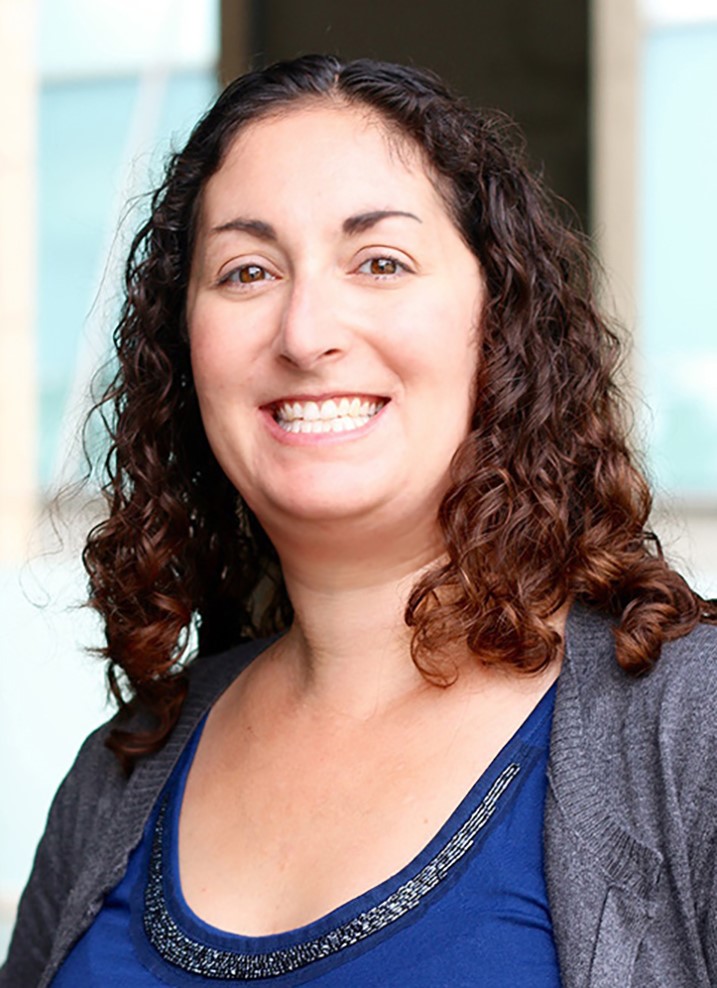
Sriram Subramaniam is a Professor in the Department of Biochemistry and Molecular Biology at the University of British Columbia (UBC) and holds the Gobind Khorana Canada Excellence Research Chair in Precision Cancer Drug Design. His research leverages cryo-electron microscopy (cryo-EM) to advance structural biology and drug design, focusing on protein dynamics and therapeutic target identification. Education: PhD in Physical Chemistry (1987) from Stanford University; MSc in Chemistry (1981) from Indian Institute of Technology, Kanpur. Subramaniam's interdisciplinary work combines cryo-EM with computational tools and molecular biology to study protein structures at atomic resolution. His lab has pioneered cryo-EM applications in precision medicine, including mapping small molecule drugs on patient-specific cancer mutants. Recent publications (2024-2022) highlight his contributions to understanding SARS-CoV-2 immune evasion, structural mechanisms of ATPases, and AI integration in structural biology. His research spans viral entry mechanisms, CRISPR systems, and neurodegenerative disease pathways. Scientific Awards: Gobind Khorana Canada Excellence Research Chair NIH Director’s Award for Scientific Excellence Fellow of the Biophysical Society Breakthrough Prize nomination Based at the Djavad Mowafaghian Center for Brain Health, Subramaniam leads the Program in Cryo-EM Guided Drug Design, contributing to over 177 peer-reviewed publications with a career h-index of 58 and citations exceeding 12,340.
Daniel Finley is a Professor of Cell Biology at Harvard Medical School (HMS), leading the Finley Lab focused on the ubiquitin-proteasome pathway and related regulatory mechanisms. He holds academic appointments within the Department of Cell Biology and sits on the Scientific Advisory Boards of Proteostasis and X-Chem Pharmaceuticals. His research investigates proteasome function, ubiquitin-like proteins, and proteostasis roles in diseases like Alzheimer’s and ALS. Dr. Finley earned his undergraduate degree in biochemistry from Harvard University and a Ph.D. in molecular biology from MIT. After postdoctoral training at MIT, he joined HMS in 1988. His lab explores topics including erythroid proteome remodeling, mitochondrial dysfunction, and neurodegenerative disease mechanisms. Key research areas include: (1) Ubiquitin-proteasome pathway regulation, (2) Proteasome structure/function, (3) Nonproteolytic roles of ubiquitination, and (4) Pathophysiological roles of proteostasis defects in diseases. His work bridges basic cell biology with translational medicine, particularly in neurodegeneration and anemia. Finley has secured NIH funding for projects like 'Regulation of Proteasome Activity' (R35GM145246) and 'Erythrocyte maturation through global proteome remodeling' (R01HL153970). Collaborations with industry and academic partners extend his impact in drug discovery and proteasome-targeted therapies. His lab’s contributions include defining ubiquitin chain editing mechanisms, identifying USP14’s role in mitophagy, and elucidating proteostasis defects in Alzheimer's models. Research tools developed include advanced cryo-EM analyses of proteasomal structures and functional assays for ubiquitin system enzymes.
Weiping Tang is a Professor of Pharmaceutical Sciences and Chemistry at the University of Wisconsin-Madison, holding the Janis Apinis Professorship in the School of Pharmacy and the Vilas Distinguished Achievement Professorship. He also serves as Director of the Medicinal Chemistry Center at the School of Pharmacy and maintains a faculty appointment with the Department of Chemistry in the College of Letters and Science. Janis Apinis Professor of Pharmaceutical Sciences Vilas Distinguished Achievement Professor Director of Medicinal Chemistry Center Faculty Appointment with Department of Chemistry Dr. Tang received his B.S. in Chemistry from Peking University in 1997, M.S. in Chemistry from New York University in 1999, Ph.D. in Organic Chemistry from Stanford University in 2005, and completed a postdoctoral fellowship in Medicinal Chemistry, Chemical Biology and Drug Discovery at Harvard University in 2007. Dr. Tang's research program focuses on drug discovery for cancer, infectious diseases, and neurodegenerative disorders through three interconnected areas: Organic Synthesis (advancing glycoscience through novel carbohydrate synthesis technologies), Medicinal Chemistry (developing small molecules that selectively remove disease-associated proteins), and Chemical Biology (dissecting biological pathways using novel small molecule probes). His group operates as an interdisciplinary team where chemists and biologists collaborate closely on drug discovery projects, with particular emphasis on developing novel degraders for disease-causing proteins. Analysis of Dr. Tang's publication record reveals a significant shift toward targeted protein degradation technologies, particularly PROTACs and molecular glues, while maintaining strong foundations in carbohydrate chemistry. His most impactful recent work includes developing degraders for extracellular and membrane proteins (previously considered 'undruggable'), creating rapid synthesis platforms like Rapid-TAC and Rapid-Glue, and advancing understanding of ternary complex formation for novel PROTAC design. His research spans both chemical methodology development and therapeutic applications across multiple disease areas. Vilas Distinguished Achievement Professorship Janis Apinis Professorship Numerous high-impact publications in leading chemistry and pharmacology journals Editor's pick and hot paper designations for significant contributions Dr. Tang mentors a diverse team of graduate students, postdoctoral fellows, and staff scientists with expertise spanning synthetic chemistry, medicinal chemistry, carbohydrate chemistry, computational chemistry, biochemistry, and cell biology. His group has developed innovative platforms for the rapid synthesis of protein degraders and has made significant contributions to understanding the mechanisms of action for these novel therapeutics. Current research includes developing selective degraders for cancer targets like RIPK1, BRD4, and CARM1, as well as advancing delivery systems for clinical translation. The Tang Research Group maintains state-of-the-art facilities within the School of Pharmacy at UW-Madison, equipped for comprehensive chemical synthesis, compound characterization, and biological evaluation. The group actively collaborates with researchers across campus and with industry partners to advance discoveries toward clinical applications, with particular focus on cancer therapeutics and protein degradation technologies.
Vadim Cherezov, the Ester Dornsife Chair in Biological Sciences and Professor at the University of Southern California (USC), leads groundbreaking research in membrane protein structure and function. Affiliated with the Bridge Institute, Department of Chemistry, and Michelson Center for Convergent Bioscience, his work focuses on GPCRs, ion channels, and transporters—critical targets for drug discovery. His team leverages advanced techniques like Lipidic Cubic Phase (LCP) and Serial Femtosecond Crystallography (SFX) at XFEL facilities to solve high-resolution structures under physiological conditions. Institutional Affiliations: Bridge Institute, USC Michelson Center, Department of Chemistry, Department of Pharmacology and Pharmaceutical Sciences. Key Collaborations: Katritch Lab, Kuhn Lab, NIH, European XFEL. His research explores the role of lipids in modulating GPCR function, addressing diseases like Alzheimer’s, diabetes, and cancer. By solving the structure of the A 2A adenosine receptor via sulfur SAD phasing at XFEL, Cherezov’s lab demonstrated de novo phasing without heavy atoms. This breakthrough enables structural studies of previously intractable membrane proteins. Scientific Awards & Grants: NIH R01 GM108635, U54 GM094618, U54 GM094599, R01 GM095583 Science Signaling Breakthroughs of the Year (2014) Cherezov mentors a dynamic team, including postdocs (e.g., Dong-Gyun Kim), graduate students (e.g., Behnaz Davoudinasab), and alumni (e.g., Benjamin Stauch at Eli Lilly, Nairie Michaelian at Genentech). His lab’s publications span Nature , Science , and Cell , with recent work on Science Advances (2025) addressing ABEL-FRET for GPCR dynamics.
Wing Lam is an Associate Research Scientist in the Department of Pharmacology at the Yale School of Medicine. He holds a BSc in Molecular Biology and a PhD in Biochemical Pharmacology from City University of Hong Kong, followed by postdoctoral training at Yale. His research focuses on developing traditional Chinese medicine (TCM) formulations as adjuvants for cancer therapy, notably YIV-906, which enhances chemotherapy efficacy and mitigates intestinal toxicity. Lam also pioneered the STAR database for herbal drug discovery and the Mechanism-Based Quality Control (MBQC) platform for botanical drug standardization. Education: BSc (Hons) Molecular Biology, City University of Hong Kong, 1995 PhD Biochemical Pharmacology, City University of Hong Kong, 1999 Postdoc, Pharmacology, Yale University, 1999-2002 His research interests span cancer pharmacology, TCM modernization, and mitochondrial toxicity mechanisms. Key projects include YIV-906’s role in enhancing anti-PD1 and CAR T-cell therapies, developing L-nucleoside analogs like troxacitabine, and investigating tylophorine analogs’ antitumor effects. Lam has co-chaired sessions at multiple Consortium for Globalization of Chinese Medicine (CGCM) meetings and contributed to patents on herbal drug formulations and quality control methods. Recent work explores YIV-906’s potential for inflammatory bowel disease (IBD) and phase II clinical trials for colon and liver cancers. Lam’s publications highlight synergistic drug interactions, mitochondrial DNA depletion mechanisms, and TCM’s evidence-based application in chronic diseases. His grants include studies on PHY906 as an adjuvant in rectal cancer therapy and collaborations with Yiviva, Inc. He maintains active roles in editorial boards, including a special issue on herbal drug quality control in Frontiers in Pharmacology . Lam’s lab is embedded within Dr. Yung-Chi Cheng’s group, focusing on translational pharmacology and botanical drug innovation.
Christoph F. Schmidt is the Hertha Sponer Distinguished Professor of Physics at Duke University with cross-appointments in the Thomas Lord Department of Mechanical Engineering and Materials Science, Biology, and Biomedical Engineering. He serves as Co-Director of the Duke Materials Initiative and leads an active research program at the intersection of physics and biology. His educational background includes a D.R. from the Technical University of Munich (Germany) in 1988. Schmidt has established himself as a leading researcher in biophysics through decades of innovative work. Professor Schmidt's research spans multiple scales of biological organization, from single molecules to whole organisms. His lab investigates cellular mechanics using advanced techniques including optical trapping, atomic force microscopy, and microrheology. A significant innovation from his group involves single-walled carbon nanotubes for high-bandwidth intracellular tracking. Current research focuses on cardiomyocyte mechanics, Drosophila tissue dynamics, and computational analysis of complex biological systems. His work on motor proteins like Eg5 and ncd has provided fundamental insights into cellular division mechanics. His recent publications (2021-2025) demonstrate increasing integration of computational approaches with experimental biophysics, particularly in analyzing cardiac tissue mechanics and Drosophila sensory systems. The work shows progression from fundamental biophysical measurements toward applications in understanding disease mechanisms and biological function. Professor Schmidt teaches several courses including PHYSICS 995 (Graduate Training Internship), PHYSICS 493 (Research Independent Study), PHYSICS 415 (Biophysics II), PHYSICS 174 (Introduction to Frontiers of Biophysics), and BIOLOGY 425 (Biophysics II). He has successfully mentored numerous graduate students to completion, including recent PhD graduates Dr. Mingru Li and Dr. Xiaoxuan Jian. The Schmidt Lab, part of Duke's Physics Department and the Duke Soft Matter Center, maintains state-of-the-art equipment for optical trapping, atomic force microscopy, and advanced light microscopy. The lab participates in the Triangle Soft Matter Workshop, fostering collaborations with researchers from Duke, UNC Chapel Hill, and NC State University. Current research directions include mechanical responses of suspended cells, tracking non-equilibrium cellular fluctuations, nuclear mechanics, and bacterial membrane mechanics under turgor pressure.
Dr. Lukas Frey is a Researcher at ETH Zurich, affiliated with the Chair of Physical Chemistry and the Institute of Molecular Physical Sciences (IMPS). His work focuses on biophysical studies of membrane proteins, lipid dynamics, and protein aggregation mechanisms. Key research areas include structural biology of ion channels, NMR spectroscopy of membrane proteins in nanodiscs, and the role of lipid environments in modulating protein dynamics. Frey employs advanced techniques like mass photometry and solid-state NMR to investigate molecular mechanisms in biological systems. His recent studies address amyloid fibril formation, pH-dependent α-synuclein polymorphism, and cholesterol-mediated modulation of membrane protein behavior. Based at the HCI F 228 facility in Zurich, Frey collaborates on projects involving lipid bilayer environments, ion channel function, and the structural basis of protein aggregation. His email is lukas.frey@phys.chem.ethz.ch, and he holds an ORCID identifier 0000-0002-1052-1104. Research contributions span from fundamental biophysical insights to methodological advancements in membrane protein analysis.
Pim de Vink is a doctoral researcher at Eindhoven University of Technology , affiliated with the Biomedical Engineering department and Chemical Biology group. Supervised by dr. L.-G. Milroy and prof. L. Brunsveld , his work bridges supramolecular chemistry and chemical biology , focusing on host/guest chemistry for protein complex modulation. Education: B.Sc. in Chemistry (2014) from University of Amsterdam M.Sc. in Biomedical Engineering (2016) from TU/e Internship at Max Planck Institute for Molecular Physiology (2016) on gold-catalyzed synthesis Research Themes: His research develops switchable cucurbituril-based systems for light-controlled enzyme activation and artificial signaling networks. Key areas include protein-protein interaction stabilization , thermodynamic modeling , and allosteric nuclear receptor modulation . Publication Trends: Across JACS , Chemical Science , and RSC Chemical Biology , his work from 2017–2023 emphasizes supramolecular tools for biochemical applications. Notable contributions include 100-fold affinity enhancement of 14-3-3 ligands and UV-responsive cucurbituril release mechanisms . Grants: Funded by Netherlands Organization for Scientific Research (NWO) through Gravity program 024.001.035 and VICI grant 016.150.366.
James C. Gumbart is an Adjunct Professor in the School of Physics at Georgia Institute of Technology, with additional affiliation to the School of Chemistry and the Institute for Bioengineering and Bioscience . His research leverages molecular dynamics simulations to decode the atomic-level mechanisms of bacterial proteins and cellular structures. B.S., Physics and Mathematics, Western Illinois University, 2003 Ph.D., Physics, University of Illinois at Urbana Champaign, 2009 Dr. Gumbart's work bridges computational biophysics and biochemistry to understand: Mechanisms of bacterial membrane protein insertion and nutrient import Structural dynamics of cell wall mechanics SARS-CoV-2 spike protein interactions with ACE2 Free-energy calculations for protein-ligand binding Applications of machine learning in biomolecular simulations His publications reflect trends in membrane protein biophysics , viral dynamics , and computational drug design , with a strong emphasis on interdisciplinary techniques. Awards include multiple fellowships and grants from NSF , DOE , and NIAID . He has mentored numerous PhD students, including Zijian Zhang , David Ryoo , and Andrew Pang , whose work has advanced understanding of bacterial systems and viral proteins. The Gumbart Lab integrates high-powered supercomputing and advanced software to model biomolecular processes, fostering collaborations with institutions like the National Institutes of Health and Argonne National Laboratory .
Christopher J. Chang is the Edward and Virginia Taylor Professor of Bioorganic Chemistry at Princeton University's Department of Chemistry. His research focuses on chemical biology, catalysis, and inorganic chemistry, with an emphasis on transition metal signaling, activity-based sensing, and drug discovery. He leads the Chang Lab, which develops innovative chemical tools to study metal-dependent biological processes, including copper's role in neurobiology and cancer, formaldehyde's role in epigenetic regulation, and redox-driven protein function. His work integrates organic, inorganic, and biological chemistry, enabling discoveries in imaging, proteomics, and precision medicine. Notable achievements include pioneering activity-based sensing platforms for copper and reactive metabolites, revealing metalloplasia in cancer, and developing copper-specific therapies. Christopher Chang has received over 50 prestigious awards, including the Guggenheim Fellowship and the Howard Hughes Medical Institute Investigatorship. His lab's infrastructure includes advanced analytical instruments, synthetic chemistry facilities, and cell culture capabilities, supported by grants from NIH, NSF, and industry partnerships. Awards: ACS Bader Award (2024), Ivano Bertini Award (2022), Blavatnik National Award (2015) Lab Focus Areas: Transition metal signaling, copper-dependent biology, formaldehyde metabolism, redox drug discovery Key Technologies: Activity-based sensors, imaging probes, bioconjugation methods
Steven A. Corcelli is a Professor and Interim Dean of the College of Science at the University of Notre Dame, with a research focus on Theoretical Chemistry and Molecular Dynamics Simulations . His work bridges Physical Chemistry and Biochemistry , targeting Energy Applications and Biomolecular Binding Mechanisms . He leads the Computational Molecular Science & Engineering Laboratory (CoMSEL). Ph.D., Chemistry, Yale University (2001) Sc.B., Chemistry, Brown University (1997) Research interests span ionic liquids for Carbon Capture , aqueous electrolytes in battery technologies , and molecular binding processes in immunology and DNA interactions . His group employs GPU-accelerated simulations and weighted ensemble methods to uncover structural and dynamic motifs. Recent publications highlight trends in vibrational spectroscopy , TCR-MHC binding , and CO2 solvation mechanisms . Awards include the Thomas P. Madden Award (2020) , ACS Fellowship (2016) , and NSF CAREER Award (2009) . Staff: Erin Brossard (Ph.D.), Nell Karpinski, Shuang Wu, Noah Vasconez, Kaitlyn Handy, Isabel Thompson
Dr. Jacques Archambault is a Professor in the Department of Microbiology and Immunology at McGill University , and an associate member of the Division of Experimental Medicine since 2016. His research focuses on the molecular biology and pathogenesis of human papillomaviruses (HPVs) and polyomaviruses (HPyVs), with an emphasis on their replication mechanisms as episomes in host cells. The Archambault laboratory employs functional genomics, proteomics, and chemical biology approaches to identify cellular pathways exploited by these viruses and develop high-throughput assays for screening small molecule inhibitors of viral replication. Analysis of his recent publications reveals a strong focus on HPV and HPyV replication machinery, including studies on the E1 helicase, UAF1-USP1 interactions, and structural characterization of viral proteins involved in DNA replication. His work bridges virology, oncology, and drug discovery, particularly targeting oncogenic HPV types implicated in anogenital and oropharyngeal cancers, as well as HPyVs like BKPyV and JCPyV that cause pathologies in immunosuppressed patients. Current efforts in the lab aim to elucidate the molecular mechanisms by which HPVs and HPyVs replicate their genomes and to develop antiviral therapies targeting these processes. Techniques such as fluorescence anisotropy, NMR spectroscopy, and crystallography are frequently employed to study protein-DNA and protein-protein interactions critical to viral replication.
Dr. Audrey Lamb is a Professor and Chair of the Department of Chemistry at The University of Texas at San Antonio (UTSA), within the College of Sciences. She joined UTSA in 2020 after rising to full professor at the University of Kansas, where she served as interim dean of graduate studies in 2019. Her leadership extends to professional organizations, including serving as an elected council member for the American Society for Biochemistry and Molecular Biology. Dr. Lamb received her B.S. in Chemistry from Furman University in 1993 and her Ph.D. in Biochemistry from Vanderbilt University School of Medicine in 1998. She completed postdoctoral studies in biochemistry at Northwestern University before beginning her academic career at the University of Kansas in 2003. Dr. Lamb's research focuses on understanding bacterial pathogenesis through mechanistic enzymology and structural biology. Her lab investigates how human pathogens biosynthesize metallophores for metal ion scavenging and riboflavin (Vitamin B2) biosynthesis pathways. These studies aim to identify targets for novel antibiotic development against multidrug-resistant pathogens. Her work spans bacterial enzymology, structural biology, and metabolic pathway analysis, with applications in antimicrobial drug design. Analysis of Dr. Lamb's recent publications reveals a consistent focus on enzyme mechanisms in bacterial metabolism, particularly in metallophore and riboflavin biosynthesis pathways. Her work combines structural biology with kinetic analysis to elucidate catalytic mechanisms. Many publications investigate enzymes from pathogens like Pseudomonas aeruginosa, Staphylococcus aureus, and Trypanosoma cruzi, highlighting the translational potential of her basic science research for antimicrobial development. Dr. Lamb has received notable recognition including: Election as a 2022 Fellow of the American Association for the Advancement of Science (AAAS) Award-winning teaching and mentoring at undergraduate and graduate levels Dr. Lamb has mentored numerous students and postdoctoral fellows, with many alumni now in academic, industrial, and research positions. Her lab has received funding from prestigious sources including the National Institutes of Health, National Science Foundation, American Lung Association, and W.M. Keck Foundation. She actively collaborates with researchers at Loyola University Chicago, Texas A&M University, University of Kansas Medical Center, and UTSA's Department of Molecular Microbiology and Immunology. The Lamb Lab maintains a comprehensive suite of equipment for protein biochemistry and structural studies, including multiple AKTA FPLCs, a stopped-flow spectrophotometer, crystallization robot, various spectrophotometers, and HPLCs. This infrastructure supports their research on enzyme mechanisms and structural biology of bacterial metabolic pathways.
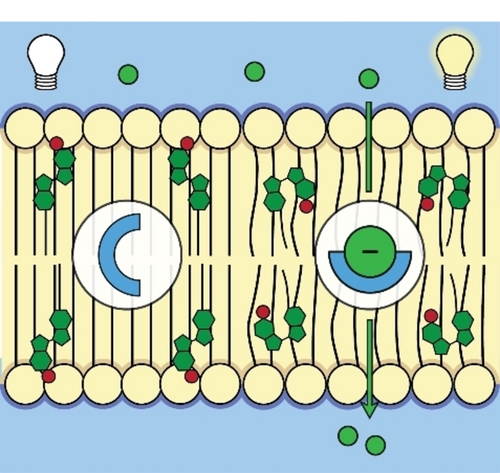
Dr. Sander J. Wezenberg is an Associate Professor at the Leiden Institute of Chemistry, Leiden University, where he leads an independent research group focused on developing stimuli-responsive molecular receptors and self-assembling materials. He was appointed Assistant Professor at the University of Groningen in 2017 and moved to Leiden University in 2019 to establish his research group, where he was promoted to Associate Professor in 2022. Dr. Wezenberg's educational background includes: Master's degree in Chemistry at the University of Nijmegen, conducting research in Prof. Roeland Nolte's group PhD in Supramolecular Chemistry at the Institute of Chemical Research of Catalonia (ICIQ) under Prof. Arjan Kleij (2011) Postdoctoral fellow with Prof. François Diederich at ETH Zurich Postdoctoral work with Prof. Ben Feringa at the University of Groningen His research focuses on using interdisciplinary approaches combining synthetic organic chemistry, supramolecular chemistry, and photochemistry to develop systems that can study and manipulate biological processes. Key research areas include: Photodynamic control of anion binding and lipid bilayer membrane transport Creation of polymeric and self-assembled materials with switchable functions Development of new diagnostic tools and therapeutic agents to improve human health Dr. Wezenberg's recent publications demonstrate strong trends in photoresponsive molecular systems for controlling anion transport and membrane properties. His work bridges chemistry, materials science, and biological applications, with particular emphasis on light-switchable molecular receptors and their applications in biological systems. Scientific awards and recognition: ERC Starting Grant (2018) Veni Grant from NWO (2014) Vidi Grant from NWO (2018) Member of the Young Academy of Europe (2020) Dr. Wezenberg actively mentors PhD and Master's students, with current advisees including Nol Duindam, Sabine Langens, Sofiia Emashova, Lin Xu, Dimitris Piperoudis, and Josien de Graaf. His research is supported by multiple funding sources including Leiden University, the European Research Council, the Dutch Research Council, and the China Scholarship Council. The Wezenberg Research Group is based at the Gorlaeus Laboratories in the new Gorlaeus Building at Leiden University, where they maintain a highly collaborative research environment focused on molecular switches, anion recognition, and dynamic supramolecular systems.
Dr. Rebecca Berlow is an Assistant Professor in the Department of Biochemistry and Biophysics at the UNC School of Medicine , University of North Carolina at Chapel Hill. Holding a PhD from Yale University, her research focuses on intrinsically disordered proteins , protein dynamics and allostery , and NMR spectroscopy to study disease-associated macromolecules. PhD – Yale University Affiliation: UNC School of Medicine, University of North Carolina at Chapel Hill Research Interests include understanding how protein conformational changes and dynamic behavior mediate stress response pathways. The lab employs interdisciplinary approaches combining biophysics , structural biology , and complementary biochemical techniques to identify novel therapeutic strategies for diseases linked to dynamic macromolecular dysfunction. Publication Trends across 2007–2024 highlight consistent focus on protein dynamics , allosteric regulation , and biophysical characterization of disordered systems. Key topics include multivalency , redox-dependent structural changes , and therapeutic targeting of dynamic protein interactions. Training & Environment : Lab members engage in collaborative research across biophysical , structural , and chemical disciplines , with emphasis on professional development, conference participation, and inclusive scientific training.