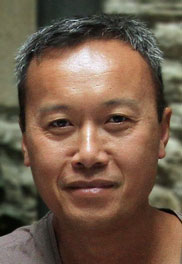
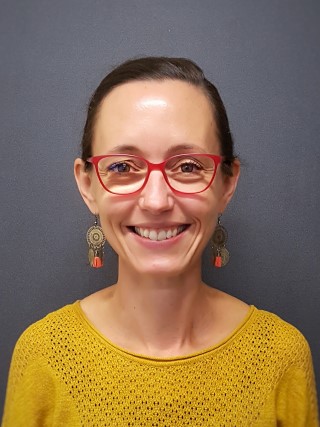
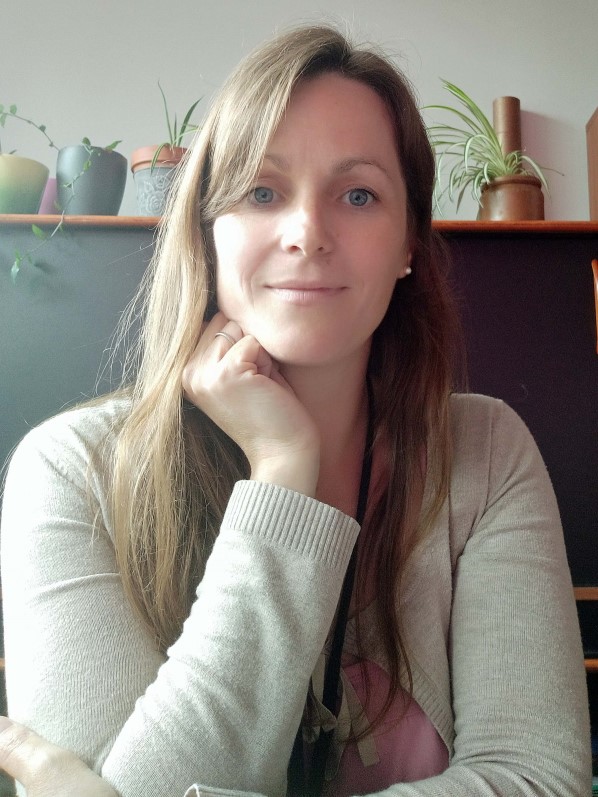
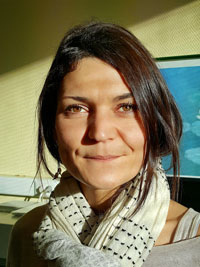
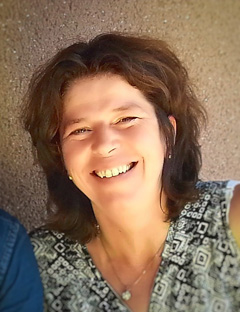
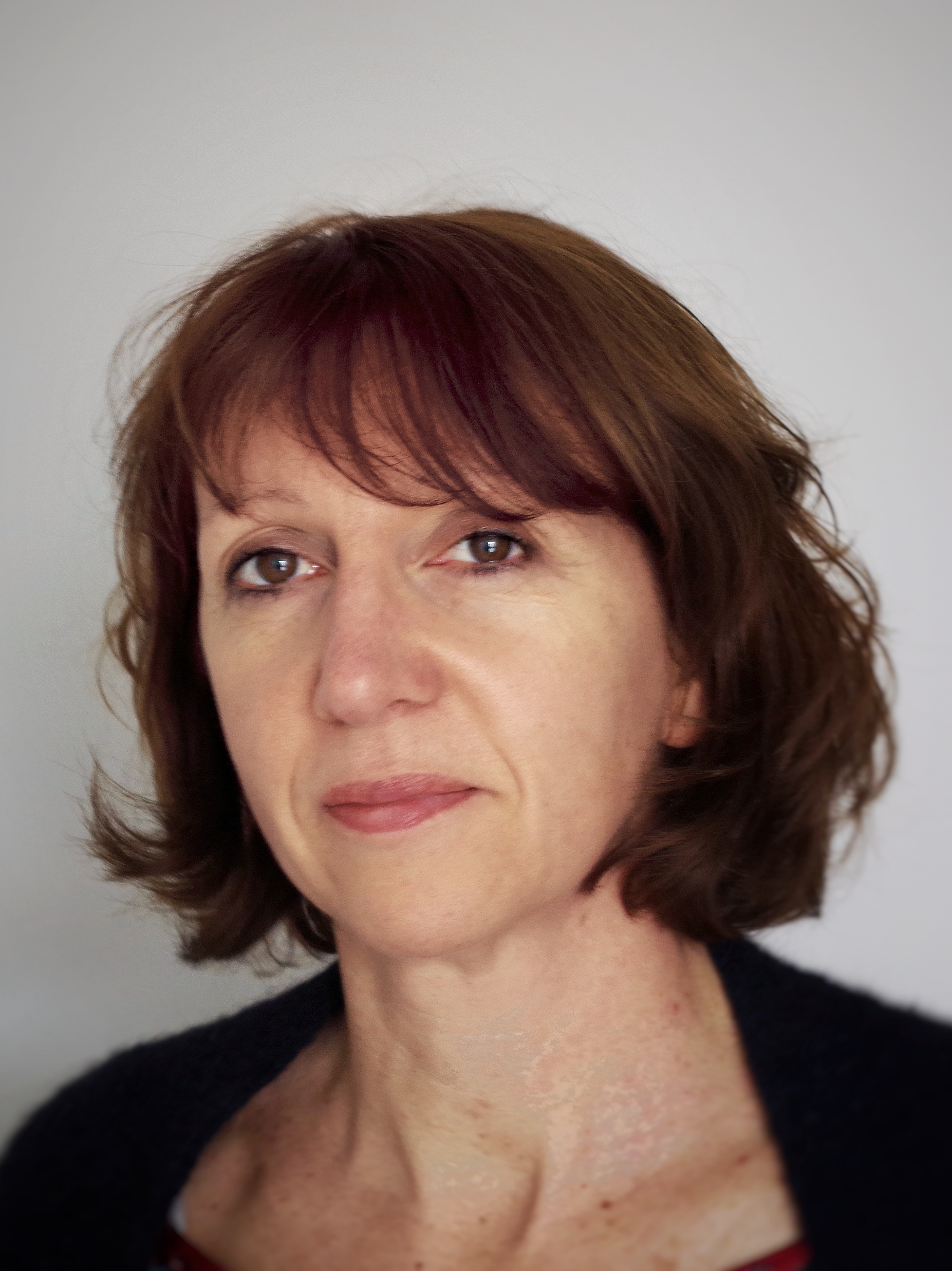
Victor ACHA is a Lecturer-researcher in Bioprocesses and Nanobiotechnologies at UniLaSalle's Beauvais Campus, affiliated with the Agri-Food and Bioprocesses Teaching Department and the Transformations & Agroresources Research Unit (EA 7519, VAM2IN team). He holds a PhD and MSc in Agricultural Sciences and Biological Engineering from UCL, Belgium, and a BSc in Chemical Engineering from Universidad San Francisco Xavier, Bolivia. Expertise: Nanotechnologies, Process engineering, Thermodynamics, Environmental chemistry Teaching: ERASMUS+ mobility program, international workshops, and courses in unit operations, thermodynamics, and environmental chemistry His research focuses on nanotechnologies for natural resource valorization, biosensors, and adaptive control systems. He co-supervises 3 doctoral students across Universidad San Francisco Xavier and UniLaSalle and serves on thesis juries at UTC (France) and Bilbao (Spain).
Richard Gattin is a Professor of agri-food and non-food recovery at UniLaSalle (Rouen Campus), affiliated with the Agrobiosciences Department. His research focuses on sustainable materials derived from agro-resources, emphasizing biodegradability and environmental safety. Member of the VAM²IN team (Transformations & Agroresources research unit) UniLaSalle representative in multiple industrial and academic clusters (IAR, Valorial, ARPE Normandie, AREA Normandie) Co-designer of the EcoBioValo Master's program (Biology Agrosciences / Ecoproduction, Plant Biotechnologies and Biovalorization) His work integrates physical, enzymatic, and ecotoxicological approaches to evaluate bio-sourced materials. Key partnerships span universities like Rouen Normandy (Glycobiology, Microbiology), Caen Normandy (Plant Ecophysiology), and international institutions (University of Brighton, University of Bath), with a focus on circular economy and agro-industrial valorization projects.
Professor Albert Nguyen Van Nhien is a faculty member at the University of Picardie Jules Verne, where he conducts research at the Glycochemistry and Agroresources Laboratory of Amiens (UR 7378 LG2A). His work bridges chemistry, materials science, and sustainable development, with a particular focus on bio-based solvents and biopolymers. His research interests include: Development and application of ionic liquids (particularly bio-based) and Deep Eutectic Solvents Chitin and chitosan chemistry and nanotechnology Biomass pretreatment and valorization Energy storage applications (batteries and solar cells) Sustainable materials for agricultural and biomedical applications Professor Nguyen Van Nhien's publication record demonstrates consistent high-impact research, with recent work focusing on chitin nanocrystal applications in agriculture, advanced electrolytes for energy storage, and sustainable biorefinery processes. His publications span top journals in chemistry, materials science, and green technology, showing a clear progression toward increasingly sophisticated applications of his core research areas. Notable research achievements include: Development of active coatings using oxidized chitin nanocrystals for controlling fungal diseases in fruits Creation of novel hybrid electrolytes for solid-state lithium-ion batteries Advancement of biobased-zwitterionic ionic liquids with improved biocompatibility Optimization of chitin extraction from insect sources for sustainable biorefineries Professor Nguyen Van Nhien actively collaborates with researchers across multiple disciplines, working on projects that address sustainability challenges in energy, agriculture, and materials science. His laboratory serves as a hub for innovative research at the intersection of chemistry, biology, and engineering, with a strong commitment to developing environmentally friendly technologies that translate fundamental scientific insights into practical solutions.
Solen Josse serves as a Lecturer at the University of Picardie Jules Verne, affiliated with the Glycochemistry and Agroresources Laboratory (UR 7378) in Amiens, France. Her research operates under the "Chemistry for the Living" axis, focusing on the synthesis of bioactive compounds at the chemistry-biology interface. Dr. Josse's research program centers on glycochemistry-driven drug discovery , with three interconnected pillars: (1) Developing TSAO-family nucleoside derivatives as antiviral agents against HIV and HCV; (2) Engineering cyanohydrin/aminocyanide intermediates for stereoselective spiroheterocyclic sugar synthesis; (3) Creating antiproliferative nucleoside analogs with isothiazole/oxathiole modifications for cancer therapy. Her work uniquely bridges carbohydrate chemistry with medicinal applications through innovative synthetic methodologies. Analysis of her 2014-2019 publications reveals consistent output in high-impact venues, demonstrating expertise in nucleoside analog design and green synthetic chemistry . Key trends include strategic phosphorus substitutions in antiviral compounds, metal-free carbohydrate modifications, and kinetic control in acetal formation – all contributing to sustainable drug development pipelines. Her research shows strong translational potential with a patent for antitumor agents. As part of the Glycochemistry and Agroresources Laboratory, Dr. Josse contributes to a collaborative ecosystem focused on sustainable chemistry and agroresource valorization. The lab provides comprehensive infrastructure for organic synthesis, biological testing, and structural analysis, supporting both fundamental research and applied therapeutic development projects within the University of Picardie's scientific framework.
Professor Veronique Bonnet is a leading researcher at the Glycochemistry and Agroresources Laboratory of Amiens (UR 7378) at Université de Picardie Jules Verne. Her work bridges carbohydrate chemistry, nanotechnology, and pharmaceutical sciences, focusing on developing innovative cyclodextrin-based systems for drug delivery and materials science applications. Professor Bonnet's research primarily centers on sugar-protein recognition and vectorization , with special emphasis on overcoming biological barriers like the blood-brain barrier. Her laboratory develops amphiphilic cyclodextrin derivatives that self-assemble into nanocarriers capable of transporting therapeutic agents across these barriers. She has made significant contributions to understanding cyclodextrin-metal interactions, carbohydrate conformation analysis using ion mobility mass spectrometry, and developing selective enzyme inhibitors for diabetes treatment. Her recent publications (2021-2023) demonstrate a diverse research portfolio spanning pharmaceutical applications, analytical methodology development, and sustainable materials science. Notably, her work on enzymatically modified pectins from fruit waste has shown exceptional promise as polymer binders for next-generation lithium-ion batteries, demonstrating the interdisciplinary nature of her research. Professor Bonnet has been authorized to supervise research since 2013 and maintains an active research program with numerous publications in high-impact journals across chemistry, materials science, and pharmaceutical fields. Her laboratory serves as a hub for interdisciplinary research connecting carbohydrate chemistry with practical applications in medicine and technology.
Professor Gwladys Pourceau is a leading researcher in sustainable chemistry at the University of Picardie, France, affiliated with the Glycochemistry and Agroresources Laboratory of Amiens (LG2A UR 7378). Her work bridges fundamental carbohydrate chemistry with practical applications in green materials development. Her research focuses on eco-compatible chemical transformations of saccharides , with particular expertise in gold nanocatalysis for selective sugar oxidation and mechanosynthesis of bio-based polymers. Key projects include developing one-pot oxidative amidation methods for unprotected carbohydrates, synthesizing low-irritant sugar-based surfactants, and converting lignin derivatives into sustainable polystyrene alternatives. Her methodologies consistently emphasize minimal catalyst loading , solventless conditions , and renewable feedstocks . Professor Pourceau's publication record demonstrates significant impact in sustainable chemistry, with multiple high-impact papers in 2024 alone covering gold-catalyzed oxidations, cyclodextrin-assisted reductions, and structure-property relationships in sugar surfactants. Her work shows strong interdisciplinary connections between organic chemistry, materials science, and environmental engineering. Developed gold-catalyzed oxidation achieving TOF > 750,000 h -1 Created solventless mechanosynthesis methods reducing reaction times to 5 minutes Designed sugar-based surfactants with significantly lower cytotoxicity than commercial alternatives Established solar-driven methodologies for carbohydrate transformations Her laboratory maintains active collaborations across European institutions, focusing on translating fundamental carbohydrate chemistry into practical sustainable technologies. The research program demonstrates consistent funding through high publication output and methodological innovations addressing critical challenges in green chemistry.
Dr. Caroline Hadad is a Lecturer at Université de Picardie Jules Verne, affiliated with the Glycochemistry and Agroresources Laboratory of Amiens UR 7378 LG2A. Her research focuses on sustainable chemistry approaches for materials development, with particular expertise in biopolymers, nanomaterials, and green chemistry processes that bridge fundamental science with practical applications in agriculture, biomedicine, and environmental remediation. Dr. Hadad's research interests span three main areas: π-conjugated molecules : Developing symmetrical and asymmetrical organic compounds for optoelectronic applications through Sonogashira-type coupling reactions with pyrimidine or pyridazine units Surface functionalization of carbon nanostructures : Modifying fullerenes, carbon nanotubes, and graphene to improve solubility and enable applications in nanomedicine and biotechnology Valorization of agroresources : Creating value from biomass through glycodendrimer synthesis, cellulose nanocrystals, and sustainable extraction processes for chitin and lignin Her recent publication record demonstrates a strong focus on sustainable solutions using ionic liquids and deep eutectic solvents as green processing media. Dr. Hadad has developed innovative approaches including the CoffeeCat process for lignin extraction, novel chitin deacetylation methods, and eco-friendly coatings for agricultural applications that reduce food waste. Her work consistently bridges fundamental chemical research with practical sustainability outcomes. Dr. Hadad has published extensively in high-impact journals including: International Journal of Biological Macromolecules RSC Sustainability Journal of Molecular Liquids Green Chemistry Carbohydrate Polymers Nano Research ACS Applied Materials & Interfaces Her research program demonstrates successful grant funding through consistent publication output across multiple sustainability-focused areas. Dr. Hadad collaborates with researchers across chemistry, materials science, and environmental disciplines, suggesting a well-integrated research program with both academic and potential industrial connections. She supervises research in the Glycochemistry and Agroresources Laboratory, which focuses on developing sustainable chemical processes and materials from renewable resources with applications spanning agriculture, biomedicine, and advanced materials development.
Catherine Lievre serves as a Lecturer at the University of Picardy Jules Verne, affiliated with the Glycochemistry and Agroresources Laboratory (UR 7378 LG2A). Her work falls under the Chemistry for Sustainable Development research axis, focusing on environmentally conscious chemical methodologies. Her primary research involves the functionalization of monosaccharides with emphasis on direct carbon-carbon bond formation while minimizing protective group steps. She develops synthetic routes to novel carbocyclic and heterocyclic compounds using chiral synthons (ene, yne, enyne, diene, triene types) via metathesis reactions and 1,3-dipolar cycloadditions. Key research domains include Organic Chemistry , Carbohydrate Chemistry , and Sustainable Chemistry , with strong applications in green synthesis methodologies. Lieuvre operates within the Glycochemistry and Agroresources Laboratory, which integrates carbohydrate chemistry with sustainable resource utilization. The lab focuses on developing eco-friendly chemical processes for agroresource valorization, aligning with broader environmental sustainability goals in chemical research.
Anne Wadouachi is a Professor at the University of Picardy Jules Verne, where she conducts research at the Glycochemistry and Agroresources Laboratory (LG2A). Her work focuses on Chemistry for Sustainable Development, with particular emphasis on green methodologies for carbohydrate modification. Professor Wadouachi's research interests span carbohydrate chemistry, green chemistry, and sustainable materials science. She specializes in developing environmentally friendly methods for chemical modifications of carbohydrates, with significant contributions to mechanochemistry (solventless ball milling techniques), gold nanocatalysis for selective oxidation of sugars, and the design of biodegradable sugar-based surfactants. Her work consistently emphasizes direct transformations of unprotected carbohydrates, avoiding traditional multi-step protection/deprotection sequences that generate chemical waste. Analysis of her 15 most recent publications reveals a strong focus on sustainable methodologies for biomass valorization. Her research demonstrates exceptional versatility across multiple green chemistry approaches, with particular strength in mechanochemical synthesis, catalytic transformations using gold nanoparticles, and the development of bio-based surfactants with reduced environmental impact. The publications show consistent high-impact contributions to ACS Sustainable Chemistry & Engineering, Green Chemistry, and Carbohydrate Chemistry journals, reflecting the interdisciplinary nature of her work spanning organic chemistry, materials science, and environmental applications. Professor Wadouachi maintains an active research program with numerous collaborations across French institutions. Her work has practical applications in developing sustainable alternatives to petroleum-based products, including biodegradable surfactants for cosmetics and detergents, biosourced polymers as alternatives to conventional plastics, and catalytic methods for biomass conversion. The research group provides training in advanced synthetic techniques while emphasizing the principles of green chemistry and sustainable development. The Glycochemistry and Agroresources Laboratory (LG2A) serves as the primary research environment for Professor Wadouachi's work. This facility supports her research on carbohydrate modifications, mechanochemical synthesis, and characterization of bio-based materials. The laboratory environment fosters interdisciplinary collaboration between chemists, materials scientists, and environmental researchers working toward sustainable solutions for industrial applications.