Dr. Heather Culbertson is an Assistant Professor in the Department of Computer Science at the University of Southern California, leading the HaRVI (Haptics Robotics and Virtual Interaction) Laboratory. Her research focuses on designing haptic hardware and algorithms to create intuitive human-robot interactions through touch, emphasizing realism in virtual environments and social connectedness. Key areas include mediated touch, wearable haptic systems, and multisensory integration in VR/AR applications. The lab's work spans robotics, human perception modeling, and cross-disciplinary solutions for healthcare and immersive technologies. Research interests revolve around tactile feedback systems, social robotics, and the psychological impact of haptic interfaces. Recent work explores real-time haptic texture rendering, affective communication via touch, and motion platforms for VR. Culbertson's projects often integrate human factors early in design to ensure usability and immersion. Publications highlight advancements in haptics coding standards, drone-human interaction, and emotion regulation systems. Her contributions bridge engineering and cognitive sciences, addressing challenges in wearable tech, surgical training simulations, and assistive robotics. The HaRVI Lab collaborates across disciplines to advance tactile interfaces for virtual reality, social robotics, and medical applications.
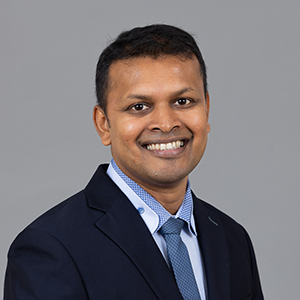
Pourang Irani is a Professor and Principal’s Research Chair in Ubiquitous Analytics at the University of British Columbia (Okanagan campus), within the Irving K. Barber Faculty of Science’s Department of Computer Science, Mathematics, Physics and Statistics. Previously, he served at the University of Manitoba for 19 years as a faculty member and Acting Associate Dean of Science. His research focuses on Human-Computer Interaction (HCI), Wearable Computing, and Information Visualization, with an emphasis on designing interactive systems for 'anytime, anywhere' sensemaking using emerging technologies like mixed reality and smart devices. He leads interdisciplinary projects such as the NSERC CREATE grant on Visual and Automated Disease Analytics, training data scientists in health analytics. Education: PhD in Computer Science (University of New Brunswick, 2002), supervised by Dr. Colin Ware. Research Interests: Wearable interfaces (smartwatches, smartrings, and AR/VR) Data visualization for health and pervasive systems Persuasive health technologies and data storytelling Mid-air and hands-free interaction techniques Embodied interaction through social robots Recent Work Trends: Articles emphasize innovations in smartwatch interaction (e.g., bezel-to-bezel gestures), tactile visualizations via skin-dragging, and voice assistant-driven health data queries. Projects like Databiting explore transient personal data exploration, while Data Videos focus on narrative-driven health communication. Grants & Leadership: Principal Investigator of NSERC CREATE Visual and Automated Disease Analytics program. Co-leads UBCO’s Digital Transparency cluster. Active in interdisciplinary teams addressing health informatics and HCI challenges. Labs & Teams: Leads a lab developing prototypes in wearable computing, spatial analytics, and immersive technologies. Collaborates with researchers in medicine, engineering, and data science to translate HCI innovations into practical solutions.
Markus Heilig is a Professor of Psychiatry and Head of the Department of Biomedical and Clinical Sciences (BKV) at Linköping University. He serves as Director of the Center for Social and Affective Neuroscience (CSAN), integrating basic and clinical neuroscience to address addictive and affective disorders. His work bridges neuropharmacology, molecular psychiatry, and clinical trials. Linköping University (Current) Center for Social and Affective Neuroscience (CSAN) (Director) Wallenberg Center for Molecular Medicine (Collaborator) His research focuses on alcohol dependence mechanisms, stress-neurotransmitter interactions (e.g., CRF, substance P, endocannabinoids), and personalized medicine approaches. Using animal models and human neuroimaging (fMRI), his lab explores epigenetic changes in frontal lobe and amygdala neurons that drive compulsive alcohol use. Recent publications highlight his work on endocannabinoid modulation for PTSD treatment, neural correlates of reward choices, and pharmacological interventions targeting GABA and opioid receptors. His studies often combine brain imaging, behavioral analysis, and pharmacology. Scientific awards include the 2019 Wallenberg Clinical Scholar grant and 2017 CAN/Nordic Drugs prizes. Heilig's research is supported by Vetenskapsrådet (SEK 57 million center funding) and international donations like the Andrew J. Bock Memorial Fund.
Suranga Chandima Nanayakkara is an Associate Professor in the Department of Computer Science at the National University of Singapore (NUS), leading the Centre for Holistic Inquiry into Lifelong Learning (CHILL) and the Smart Systems Institute (SSI). He holds roles such as AI+HCI Theme Lead at NUS+CNRS IPAL Lab and Residential Fellow at NUS College. His research focuses on assistive human-computer interfaces, emphasizing technologies that enhance perceptual and cognitive capabilities for individuals with sensory deficits. He earned his PhD and BEng from NUS, followed by postdoctoral work at MIT Media Lab. Notable projects include the Augmented Human Lab, iTILES for rehabilitation, and the FingerReader device for visually impaired shoppers. His work has garnered awards like the MIT TR35, TOYP, and INK Fellowship. Research interests include Intelligent Systems, Human Augmentation, and Design Science. He explores applications in assistive technologies, healthcare informatics, and educational tools. Over 15 publications highlight innovations in wearables, stress management, and multimodal interaction. Awards: 40+ accolades, including MIT TR35, TOYP, and multiple design awards for projects like Kiwrious and FingerReader. Grants: Led projects funded by institutions like NUS and Singapore’s innovation initiatives. Labs: Augmented Human Lab (founded 2011), focusing on humanizing technology through natural interfaces.
Alicia Che is an Assistant Professor of Psychiatry at Yale University School of Medicine and serves as Director of Graduate Admissions for the Interdepartmental Neuroscience Program. She joined the Yale Department of Psychiatry in 2021 after completing her postdoctoral fellowship with Dr. Natalia De Marco García at Weill Cornell Medical College and Dr. Gord Fishell at NYU. Her research is conducted through the Che Lab at Yale, where she investigates how early life experiences impact brain circuit assembly and mature function in models of psychiatric illness. Yale School of Medicine, Department of Psychiatry Interdepartmental Neuroscience Program Center for Brain & Mind Health Division of Molecular Psychiatry Wu Tsai Institute Yale Center for the Science of Cannabis and Cannabinoids Dr. Che earned her Ph.D. in Physiology and Neurobiology from the University of Connecticut in 2014, where she worked in the laboratory of Dr. Joseph LoTurco. She received her B.S. with triple majors in Biology, Physics, and Physical Chemistry from Pacific Lutheran University in Washington state in 2009. Her research focuses on understanding developmental trajectories following early life experiences to develop diagnostics and early interventions for psychiatric illnesses. Dr. Che's research examines how sensory inputs, social bonding, stress, and substance exposure impact brain development. She employs a multi-dimensional approach to assess transcriptional, circuit, neuronal activity, and behavioral changes across the entire developmental timeline. Her lab currently focuses on four specific areas: the role of oxytocin in social behavior development, circuit dysfunction in PTSD, early-life cannabinoid exposure effects, and the impact of early life stress on development and adulthood. She utilizes advanced techniques including mouse genetics, slice electrophysiology, and longitudinal in vivo 2-photon imaging on behaving animals. Her most recent publications demonstrate significant contributions to understanding neural circuit development, PTSD mechanisms, and the effects of early life experiences on brain function. Her work spans from molecular neuroscience to behavioral outcomes, with publications in top journals including Nature, Neuron, and Nature Communications. Her research has revealed important insights into how translaminar neuronal activity strengthens cortical columns, how oxytocin facilitates social touch development, and how PTSD affects brain transcriptomics. NARSAD Young Investigator Award (2020) K99/R00 Pathway to Independence Award from NINDS (2019) Dr. Che's work has significant implications for understanding and treating neurodevelopmental disorders, PTSD, and the consequences of early life experiences on mental health. She collaborates extensively with researchers across Yale and beyond, with frequent co-authorship with colleagues including Lin Lin, Alex Kwan, and Christopher Pittenger. Her research program bridges basic neuroscience with clinical applications, aiming to translate findings into potential interventions for psychiatric conditions.
Guy Hoffman is Associate Professor and Associate Director of Undergraduate Affairs at Cornell University's Sibley School of Mechanical and Aerospace Engineering. He holds faculty appointments in Aerospace Engineering, Computer Science, Information Science, and Mechanical Engineering. Hoffman earned his Ph.D. in Human-Robot Interaction from MIT and M.Sc. in Computer Science from Tel Aviv University. His research explores computational, design, and social aspects of Human-Robot Interaction (HRI), with focus areas including: Embodied cognition for social robots Anticipation and timing in HRI Nonverbal behavior in human-robot collaboration Robotics for performing arts Non-anthropomorphic robot design Publications demonstrate interdisciplinary work spanning social robotics, adaptive interfaces, inclusive design, and AI education. Recent articles explore shadow-based interaction privacy, emotional conveyance through shape-changing interfaces, and cultural aspects of robot morphology. Major recognitions include: Andrew P. Sage Best Transactions Paper Award (IEEE, 2020) Dennis G. Shepherd Teaching Award (Cornell, 2019) Best Paper Award, IEEE/ACM HRI Conference (2015) His research group develops robotic platforms like Blossom and investigates human-robot collaboration in workspaces, inclusive play for children with mixed abilities, and open-source educational tools for AI literacy.
Hasti Seifi is an Affiliated Associate Professor at the Department of Computer Science (DIKU), University of Copenhagen, specializing in Human-Centred Computing. Her research focuses on haptics, augmented reality, and human-robot interaction. Institution: University of Copenhagen Department: Department of Computer Science Section: Human-Centred Computing Research interests include: Designing innovative haptic feedback systems Exploring tactile experiences in augmented reality Developing human-robot interaction frameworks Creating generative models for haptic design Investigating social touch technologies Advancing mid-air and ultrasound haptic interfaces Recent publications demonstrate a strong focus on: Generative haptic modeling for AR/XR systems Human-robot interaction dynamics Text input in extended reality environments Visual-haptic multisensory integration Ultrasound mid-air haptic design tools Social touch technologies
Steven Devleminck is an Associate Professor in the Department of Computer Science at KU Leuven's Faculty of Engineering Technology, concurrently serving as coordinator of the School of Arts (Associated Faculty) in Brussels. His dual appointment bridges engineering and arts through the Human-Computer Interaction (HCI) group at Group T Leuven Campus and Unit Art & Technology in Brussels, with active membership in DigiSoc – KU Leuven Digital Society Institute. His research centers on human-centered computing and speculative design methodologies , with core expertise in tangible interaction for emotion regulation and multispecies futures. Key themes include biofuturing as co-creative response to climate crises, squeeze-based interfaces for workplace stress, and artistic AI collaborations. His work uniquely integrates computer science with choreography, film studies, and anthropology through projects like “Youth TikTok production as public pedagogy” and “Imagining the Post-Anthropocene in BioFutures Living Lab”. Analysis of recent publications reveals three dominant trajectories: (1) Advancement of squeeze interaction techniques for affective computing, (2) Development of biofuturing frameworks for multispecies speculation, and (3) Critical examinations of AI's role in artistic mediumship. Cross-cutting themes include post-anthropocentric design, climate-responsive technologies, and decolonial approaches to digital pedagogy. Devleminck actively mentors doctoral candidates including Ula Sickle (choreographic exhibitions) and J. Verbesselt (cinema studies), while leading major funded projects such as: Living Corpora (2025-2029): Pioneering human-AI collaboration in digital humanities as Co-promotor Experiential Futuring (2022-2026): Co-creative methodology for social media outage response as Co-promotor Deradicalizing the City (2021-2025): Urban intervention research as Promotor He serves on the Computer Science Department Council and Doctoral Committee for the Associated Faculty of Arts. His laboratory ecosystem spans the HCI Group T Leuven Campus for technical development, Brussels-based Unit Art & Technology for artistic integration, and BioFutures Living Lab for participatory multispecies experimentation. This tripartite structure enables transdisciplinary work connecting squeeze sensor engineering with climate futures speculation and museum interface design.
Charles Spence is Professor of Experimental Psychology at the University of Oxford and Fellow of Somerville College, where he heads the Crossmodal Research Laboratory. His work bridges cognitive neuroscience with real-world applications in multisensory design, spanning food science, human-computer interaction, and environmental psychology. Spence's research centers on how the brain integrates sensory inputs (sight, sound, touch, taste, smell) to form unified perceptual experiences. This foundational work drives innovations in sensory marketing, product design, and human factors engineering, with significant implications for optimizing everyday interactions with technology and environments. His approach combines rigorous laboratory experimentation with industry collaborations to translate theoretical insights into practical solutions. Recent publications demonstrate a clear trajectory toward applied crossmodal research, particularly in consumer contexts. His 2025 output reveals growing emphasis on digital commerce environments, nature-food perception interactions, and multisensory flavor enhancement—showcasing how sensory cues can be strategically deployed to influence behavior in retail, dining, and digital platforms. His major recognitions include: 10th Experimental Psychology Society Prize British Psychology Society Cognitive Section Award Paul Bertelson Award (Young European Cognitive Psychologist of the Year) Friedrich Wilhelm Bessel Research Award 2008 IG Nobel Prize for Nutrition (for 'sonic crisp' research) Spence maintains extensive industry partnerships, having consulted for Toyota on multisensory warning systems, ICI on environmental psychology, and Heston Blumenthal's Fat Duck restaurant on culinary innovation. His research attracts significant commercial funding through these collaborations, though specific grant details aren't publicly itemized. The Crossmodal Research Laboratory operates as an interdisciplinary hub where psychologists, neuroscientists, and industry partners investigate sensory integration mechanisms. Current projects focus on optimizing driver alert systems, designing immersive food experiences, and understanding how built environments affect cognitive performance—maintaining Spence's legacy of translating basic science into tangible human benefits.
Cara M. Nunez is an Assistant Professor in Mechanical and Aerospace Engineering at Cornell Engineering. Her research focuses on haptic interfaces, sensory perception, and human-robot interaction. Research Areas: Development of wearable haptic devices for sensory feedback Human perception of tactile stimuli under cognitive load Multimodal interaction combining haptic, audio, and visual cues Medical applications of haptic guidance systems Key publications explore smartphone-based sensory assessment, affective mediated touch, and haptic guidance for medical procedures. Her work appears in robotics and human-computer interaction venues.
Professor Yasuyuki Fukukawa is a distinguished academic affiliated with the School of Humanities and Social Sciences, Faculty of Letters, Arts and Sciences. Holding a PhD in Literature from Waseda University, he has established himself as a leading researcher in social psychology with a particular focus on evolutionary perspectives, aging, and public health. His extensive academic contributions span multiple disciplines, reflecting his interdisciplinary approach to understanding human behavior and social dynamics. Dr. Fukukawa's research interests encompass social interactions, stress mechanisms, evolutionary adaptation, and gerontology. His work often bridges psychological theory with practical applications for understanding aging populations and social health determinants. He has made significant contributions to the understanding of the behavioral immune system, social capital's impact on health, and evolutionary perspectives on human social behavior. His scholarly output demonstrates a clear progression from foundational work in stress and social support among aging populations toward more recent investigations of evolutionary psychology frameworks applied to contemporary social issues. A notable trend in his recent publications involves the behavioral immune system, emotion measurement technologies, and cross-cultural examinations of psychological phenomena. Best Poster Award (2022.06) - Human Behavior and Evolutionary Society Outstanding Poster Award (2019.10) - International Association of Gerontology and Geriatrics Excellent Presentation Award (May 2017) - Japan Society for Occupational Health Hideo Onuki Educational Award (Psychology Category) (2007) Foundation for the Promotion of Longevity Science and Technology Chairman's Award (2004) Dr. Fukukawa has maintained an active research program with numerous collaborations, particularly with researchers like Ryoko Takikawa and Wataru Onoguchi. His work has been supported by significant research grants from the Japan Society for the Promotion of Science, focusing on topics including the behavioral immune system, social capital's impact on health among older adults, and fall prevention programs for elderly populations. His laboratory work has increasingly incorporated technological approaches to psychological measurement while maintaining strong theoretical foundations in evolutionary and social psychology.
Christine R. Harris, Ph.D., is a Professor in the Department of Psychology at the University of California, San Diego. She holds roles as Coeditor-In-Chief of Emotion Review and Chair of the Revelle faculty. Her research focuses on the study of emotion, particularly social emotions like jealousy, envy, embarrassment, and shame, and their impacts on cognition, behavior, and interpersonal relationships. She has also explored evolutionary origins of emotions, methodology in psychological research, and the role of emotion in healthcare decision-making. Education: Ph.D. in Psychology, UC San Diego (1998) M.A. in Psychology, UC San Diego (1995) B.A. in Psychology, UC San Diego (1987, Cum Laude) Research Interests: Dr. Harris investigates how emotions shape real-life decisions and interactions, including jealousy's role in homicide, envy's influence on political orientation, and embarrassment's effects on healthcare avoidance. Her work bridges evolutionary theory, social psychology, and cognitive science, often emphasizing replicability and methodological rigor. She has published widely in top journals like Psychological Science and Emotion . Awards: EXCEL Gold Award (2005) for her article The Evolution of Jealousy . Grants & Funding: National Institute of Mental Health R01 grants on jealousy and attention studies. National Science Foundation funding for jealousy research. Labs & Service: She leads the Social Brown Bag seminar series and contributes to editorial boards of major journals. Her teaching includes courses on emotion psychology and interpersonal relationships.
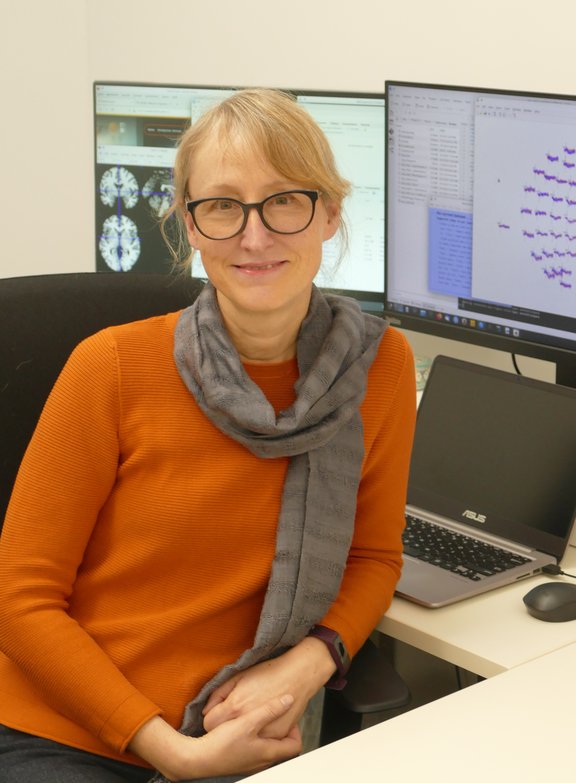
Annett Schirmer is a Professor and head of the Department of General Psychology II (Emotion and Motivation) at the University of Innsbruck, Austria, a position she assumed in 2022 after appointments at the Chinese University of Hong Kong (2017-2022), National University of Singapore (2006-2017), and the University of Georgia (2004-2006). Her research centers on nonverbal communication mechanisms, particularly vocal and tactile behaviors, and their impact on emotion processing and social interaction. Educational Background: PhD (2002) from Max Planck Institute for Human Cognitive and Brain Sciences, Germany Research Focus: Schirmer's work investigates affective touch and vocal emotion processing through behavioral and neurophysiological methods. Her lab examines how CT afferents mediate pleasant touch, cultural differences in touch perception, cross-species emotion communication (including human-dog interactions), and the role of musicality in vocal emotion recognition. Key methodologies include EEG, eye/body motion tracking, and cross-cultural experimental designs focused on health and well-being applications. Publication Trends: Recent work (2023-2025) emphasizes neural correlates of prolonged gentle stroking, human-animal touch dynamics, multisensory integration in attraction, and individual differences in vocal emotion processing. A strong thread connects affective touch mechanisms to subjective well-being across species, with increasing use of EEG to map temporal dynamics of somatosensory processing. Scientific Awards: No specific awards are documented in the provided materials. Advising and Grants: While her role as department head and editorial positions indicate leadership, specific student mentorship details and grant funding information are not disclosed in available texts. Laboratory: The Brain & Behavior Lab (https://sites.google.com/view/brainbehaviorlab/home) employs multimodal approaches to study nonverbal communication, with active projects on tactile comfort mechanisms, cross-cultural touch exchanges, and comparative analyses of emotion expression in humans and companion animals.
Dr. Kata Szita serves as an Assistant Professor of Multimedia at the School of Communications. Her expertise spans extended reality technologies, human-computer interaction, and the psychological impacts of virtual environments on human behavior and cognition. Her research delves deep into understanding how virtual and augmented reality experiences affect human-to-computer and human-to-human interactions. She investigates the cognitive and neural processes involved when users engage with virtual environments, particularly focusing on the use of avatars and XR-manipulated bodies. Her work also examines social behaviors in virtual spaces and the ethical dilemmas surrounding artificial digital agents and personal data collection in XR environments. Dr. Szita currently leads interdisciplinary and cross-sector research projects aimed at developing accessible and adaptive immersive technologies. Her collaborative efforts extend to studying cognitive processing of realism in mixed reality, virtual identities, and youth behavior in virtual environments. Her research approach combines theoretical frameworks with practical applications, contributing significantly to the understanding of immersive media experiences. Her extensive publication record from 2017-2025 demonstrates a consistent focus on emerging themes in XR research. The articles reveal an evolution from early smartphone-based viewing studies to sophisticated analyses of metaverse environments, presence measurement methodologies, and the psychological impacts of virtual identities. Her work bridges cognitive psychology, media studies, and technology development, establishing her as a leading voice in understanding human experience within digital and virtual contexts.
Raymond H. Cuijpers is an Associate Professor at Eindhoven University of Technology in the Human Technology Interaction group. His research focuses on Cognitive Robotics , Human-Robot Interaction , and Artificial Intelligence for cognitive agents, with applications in healthcare robotics and aging population support. PhD in Physics of Man from Utrecht University (2000) Postdoctoral research at Erasmus MC Rotterdam and Radboud University Nijmegen Key research areas include: Developing socially intelligent robots with proper social cue interpretation Hybrid AI approaches for real-world complexity handling Visual-haptic perception integration in human motor control Service robots for COPD patient assistance (KSERA project) Rescue robotics and tele-operation applications Recent research output (2025) includes studies on: Personalization in human-robot communication Optimal lighting for elderly visual perception Human-robot bonding mechanisms Interactive sensorized platforms for homecare (GUARDIAN) Audiovisual temporal integration in virtual environments He coordinates large-scale European projects like GUARDIAN and previously KSERA, contributes to sustainable development goals through healthcare robotics, and serves on editorial boards of leading journals including International Journal of Social Robotics . His work spans both technical robotics development and human-centric interaction studies.