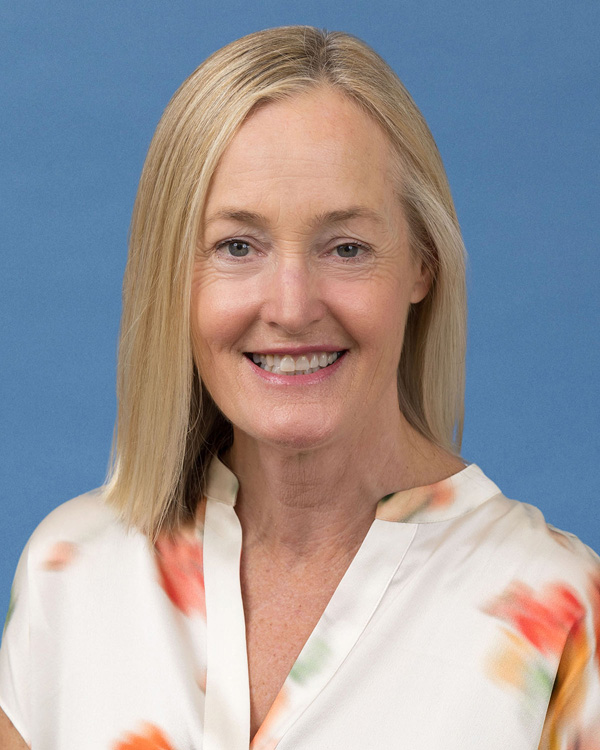
Abigail L. Rosen, Ph.D., is a Senior Lecturer in the Department of Psychiatry and Psychology at the University of Rochester School of Medicine and Dentistry. She is affiliated with UR Medicine Faculty Group and Accountable Health Partners, focusing on clinical research and patient care. Ph.D. in Clinical Psychology, University of Rochester (2019) M.A. in Clinical Psychology, University of Rochester (2016) B.A. in Psychology, Vassar College (2010) Her research centers on trauma exposure and child maltreatment in low-income populations. A 2018 publication explores how trauma patterns affect mental health outcomes in maltreated versus non-maltreated children, highlighting intersections of socioeconomic status and developmental psychology. Her work aligns with clinical psychology and psychiatry, emphasizing early-life adversities and their long-term impacts. No awards, students, or grants are documented in the provided text.
Dr. Kaya de Barbaro is an Associate Professor in the Department of Psychology at the University of Texas at Austin (College of Liberal Arts). She holds a Ph.D. from the University of California San Diego. Her research focuses on bridging computer science and developmental/clinical psychology, particularly maternal mental health and infant social-emotional development. She directs the Daily Activity Lab, which uses mobile/wearable sensors and machine learning to analyze real-world interactions, aiming to develop just-in-time interventions for new mothers. Key research areas include maternal-infant dynamics, physiological synchronization, and the impact of environmental chaos on development. She has pioneered methods for analyzing high-density data, such as Granger causality and machine learning algorithms to detect behaviors like crying and holding. Recent work emphasizes leveraging ecological momentary assessment surveys and 24-hour LENA audio recordings to understand proximal mechanisms of development. Dr. de Barbaro teaches Psychology 333D (Introduction to Developmental Psychology) and has developed curricula for both in-person and online formats. She is actively involved in training students through the Eureka program at UT Austin. Her lab collaborates on tools like chatbots for postpartum mental health and has published extensively on sensor-based methodologies in developmental science.
Tijana Gajić is a researcher at Singidunum University in Belgrade, Serbia. She holds a Ph.D. in Philology (2020), an MA in English Language and Literature (2009), and a BA in the same field (2007) from the University of Belgrade. Her work focuses on the intersection of language education, digital tools, and critical pedagogy. Doctoral Studies: Philology , University of Belgrade (2017-2020) Master Studies: English Language and Literature , University of Belgrade (2008-2009) Bachelor Studies: English Language and Literature , University of Belgrade (2003-2007) Dr. Gajić’s research explores the impact of digital technologies on language acquisition, critical thinking development, and the sociopolitical dimensions of English language learning. She has published extensively on mobile applications like Duolingo, HelloTalk, and WordUp, analyzing their efficacy in modern pedagogy. Her recent publications (2024-2025) examine digital tools’ influence on language education, critical pedagogy in Serbian classrooms, and AI-driven language learning innovations. Earlier works (2020-2016) established her expertise in tandem learning, vocabulary enhancement via apps, and affective factors in language acquisition. Notable collaborations include partnerships with researchers like N. Maenza , A. Gagić , and J. Nikolić . While no specific grants or awards are mentioned, her involvement in conferences such as Sinteza and ELTA Serbia underscores her active role in advancing language education. Her 2022 book, Nastava stranih jezika i razvoj kritičkog mišljenja u eri neoliberalizma , synthesizes her critical pedagogy framework. Current projects likely continue her focus on digital transformation in language teaching.
Emily Hannum is a Professor of Sociology and Education at the University of Pennsylvania's College of Arts & Sciences, where she also serves as Associate Dean for Social Sciences. She is affiliated with the Population Studies Center, Center for the Study of Contemporary China, Graduate School of Education, and Penn Development Research Initiative. Education: PhD in Sociology from University of Michigan (1998) Research Focus: Poverty and child welfare, gender and ethnic stratification, sociology of education Projects: Gansu Survey of Children and Families, climate-environment-childhood inequalities in LMICs Workshops: Co-organizer of Penn Education and Inequality Workshop Her research explores childhood poverty in China, demographic impacts on education systems, and climate risks affecting children's welfare. She investigates environmental hazards, educational disparities, and family separation effects across China, India, and low/middle-income countries. Recent publications analyze educational expansion in East Asia, climate crisis impacts on child health, and gender disparities in Latin America. She directs longitudinal studies on rural poverty and collaborates on cross-national projects related to environmental and educational equity. Scientific awards include the Stanley I. Sheerr Term Professorship in Social Sciences.
Rolf Halden is a Professor and Center Director at Arizona State University, holding appointments in the School of Sustainable Engineering and the Built Environment, the Biodesign Center for Environmental Health Engineering, and the Global Futures Scientists and Scholars program. He is a leading expert in environmental health engineering, wastewater-based epidemiology, and bioremediation. Education: Ph.D. in Civil (Environmental) Engineering, University of Minnesota (1997) M.S. in Civil (Environmental) Engineering, University of Minnesota (1994) M.S. in Biology, Technical University of Braunschweig, Germany (1992) Postdoctoral Fellow, Environmental Science, Lawrence Livermore National Laboratory (1998) Research Focus: Halden’s research integrates environmental chemistry, public health, and sustainability to understand how anthropogenic chemicals affect ecological and human health. His lab uses advanced mass spectrometry (LC-MS/MS, MALDI-TOF) to track pollutants such as PPCPs, microplastics, pesticides, and dioxins across air, water, soil, and biological systems. He pioneered the use of wastewater treatment plants as public health observatories, enabling real-time tracking of disease, drug use, and environmental exposures. Scientific Awards & Recognition: Leadership Award, Arizona State University (2018) Rocky Mountain Emmy Award (2018) Leroy E. Burney Lecturer, Johns Hopkins School of Public Health (2011) ACS Expert Program Member (2014–present) NIEHS Superfund R01 Working Group National Leader (2012–2014) Labs & Teams: Halden is the Founding Director of the Biodesign Center for Environmental Health Engineering at ASU, where he leads a multidisciplinary team focused on environmental proteomics, bioremediation, and diagnostic tool development. He also co-leads the Human Health Observatory , a national wastewater monitoring network. Grants & Funding: Halden has secured major funding from NSF, NIH, EPA, DoD, and private industry. Notable projects include the development of in-situ groundwater monitoring devices, national wastewater surveillance of SARS-CoV-2, and studies on microplastics and neurodegenerative disease.
Dr. Mo Rastgaar is a Professor at Purdue Polytechnic Institute, Purdue University. He holds a PhD in Mechanical Engineering from Virginia Tech (2008) and completed a postdoctoral fellowship at MIT's Newman Laboratory for Biomechanics and Human Rehabilitation. He leads the Human-Interactive Robotics Lab (HIRoLab), focused on assistive and rehabilitation robots for enhanced mobility, particularly lower-extremity devices. His research emphasizes understanding agile gait dynamics through human experiments and modeling. Research interests include assistive robotics, cyber-physical systems, dynamics, and control systems. Notable awards include the 2014 NSF CAREER Award. He has secured grants such as the 2019 NRI Collaborative Grant on robotic ankle prosthetics and 2020 grants for undersea infrastructure. Dr. Rastgaar's work bridges biomechanics, robotics, and clinical applications, advancing prosthetic designs and human-robot interaction. Key contributions include developing steerable powered ankle-foot prostheses and exploring multi-robot systems for underwater exploration. His labs integrate interdisciplinary approaches to solve complex mobility challenges, emphasizing both technical innovation and real-world clinical impact.
Sarah Billington is the UPS Foundation Professor of Civil and Environmental Engineering at Stanford University and a Senior Fellow at the Woods Institute for the Environment. Her research program focuses on sustainable building design, human wellbeing, and ethical supply chain practices. Education: PhD, University of Texas at Austin, Structural Engineering (1997) MSE, University of Texas at Austin, Structural Engineering (1994) BSE, Princeton University, Civil Engineering & Operations Research (1990) Her lab employs interdisciplinary methods to study how built environments impact human physical, psychological, and social wellbeing. Current projects include developing tools to quantify nature exposure in buildings, exploring affordable housing's role in wellbeing, and using AI to assess forced labor risks in material supply chains. While no longer active in this area, her group previously pioneered research on sustainable construction materials like bio-based composites and ductile cement-based composites. Her recent publications address topics such as nature integration in architecture, workplace design optimization, and health impacts of building materials. The Billington Lab at Stanford fosters collaborative team science, welcoming partnerships to advance occupant-centric engineering solutions.
Shanique Brown serves as Assistant Professor of Management at the Zicklin School of Business, City University of New York (CUNY), where she investigates cognitive processes impacting organizational team dynamics and decision-making. Her research bridges industrial-organizational psychology with practical applications in extreme environments. Her academic foundation includes: Ph.D. in Industrial-Organizational Psychology from DePaul University M.A. in Industrial-Organizational Psychology from Southern Illinois University, Edwardsville B.Sc. in Psychology from the University of the West Indies Dr. Brown's research centers on decision-making mechanisms and team cognition within organizational contexts, with specialized focus on extreme environments like space missions. She examines how cognitive styles, working memory, and team composition influence performance in isolated, confined, and high-stakes settings. Her work integrates psychological theory with actionable frameworks for optimizing team effectiveness across virtual and physical workspaces. Analysis of her publication history reveals evolving expertise in team science, particularly regarding virtual team leadership, polycultural organizations, and NASA-relevant analog research. Recent work emphasizes selection-optimization-compensation models for team performance and psychosocial factors in extreme environments, demonstrating consistent contribution to organizational psychology literature. Her scientific recognition includes: Editorial Fellowship from Group Dynamics (2022) Wayne State University Faculty Accessibility Fellowship (2022) Teaching Innovation Development Excellence Award (2020) Faculty Teaching Award (2020) University Research Grant (2019) Robert A. Daugherty Memorial Award (2011) Dr. Brown actively collaborates on NASA-funded research through the Human Research Program, developing crew composition models for long-duration space missions. She serves on Baruch College's PhD Admissions and Interdisciplinary Business Major committees while maintaining leadership roles in the Society of Industrial-Organizational Psychology, including Task Force Chair and Conference Committee positions. Her grant work focuses on translating team dynamics research into operational frameworks for extreme environments. She leads interdisciplinary collaborations with NASA researchers and international scholars on projects including virtual escape room studies for team performance assessment and CREWS (Crew Recommender for Effective Work in Space) development, demonstrating commitment to solving real-world team challenges in high-consequence settings.
Dr. Dong Nguyen is an Associate Professor in Leadership Management and Change in Education at Durham University's School of Education. He serves as Director of the Master’s Programme in Educational Leadership and Change, which focuses on leadership, management, and research in education. Additionally, he is Editor-in-Chief of the International Journal of Educational Management (IJEM), a core journal in educational leadership. His career includes roles as a lecturer (Assistant Professor) and Programme Leader at the University of Glasgow, a Research Associate at Nanyang Technological University, and a teacher in Vietnam. Nguyen’s research emphasizes building leadership capacity in the Global South, comparative education studies, and innovation in education. He has led projects such as an impact evaluation of a Rwanda school leadership development program (2023–2026) funded by VVOB and a review of school leadership’s role in teacher retention funded by the Education Endowment Foundation (EEF). His work explores leadership practices across sectors like education, business, and healthcare, with a focus on equitable systems and professional learning. Nguyen has received a Discretionary Award from Durham University (2023) and has delivered numerous invited talks, including at the Chinese University of Hong Kong (2024), the Asian Conference on Business and Economic Studies (2024), and Stockholm institutions (2023). He has served as an external examiner for UK universities (e.g., Leeds, Newcastle) and evaluator for grants like UK Research & Innovation and Swiss National Science Foundation. His supervision focuses on topics like school leadership, inter-organizational collaboration, and professional development. Nguyen’s recent articles highlight leadership’s role in teacher retention, autonomy, and PLCs in the Global South. He advocates for leadership practices that foster teacher collaboration, instructional support, and participatory decision-making, particularly in contexts like Singapore and Vietnam. His funded projects and editorial roles underscore his commitment to evidence-based educational policy and practice.
A. Michael Knemeyer is a Professor of Logistics at The Ohio State University's Max M. Fisher College of Business, where he contributes to research and teaching in supply chain management. His work focuses on supply chain relationships, risk and resilience, vendor relations, and sustainability integration. Educational Background: PhD from the University of Maryland, BSBA from John Carroll University Research Areas: Supply chain relationships, international logistics, sustainability, vendor relations, risk management Key Awards: 2013 IJPDLM Outstanding Paper Award, 2013 Bernard J. La Londe Best Paper Award Knemeyer's publications in journals like Harvard Business Review and Journal of Business Logistics explore critical themes in logistics outsourcing relationships, supply chain integration, and sustainable practices. His work often examines cross-cultural dynamics and institutional factors affecting supply chain performance. Selected Courses: Strategic Supply Chain Management, Contemporary Issues in Supply Chain Management, Logistics and Supply Chain Decision Making
Miriam van Mersbergen, Ph.D., is an Associate Professor in the School of Communication Sciences and Disorders at the University of Memphis. She directs the Voice, Emotion, and Cognition Laboratory (VECL) and serves as an affiliate of the Institute for Intelligent Systems. Her clinical expertise focuses on performing voice users. University of Memphis Institute for Intelligent Systems Her research examines how emotional and cognitive factors influence vocalization and communication. Key projects include establishing vocal measures of affect modulation, studying individual differences in responses to vocal mistakes, and developing clinical tools like measures of voice effort for use in voice clinics. She employs psychometric, behavioral, and psychophysiological methods to analyze the interplay between inner experiences and vocal expression. Dr. van Mersbergen’s academic journey began with studies in music and communication arts at Calvin College, followed by speech-language pathology and vocology at the University of Iowa and doctoral work in speech-language hearing sciences and psychology at the University of Minnesota.
Julienne Bower is a Professor at the University of California, Los Angeles (UCLA) with joint appointments in the Department of Psychology and the Department of Psychiatry/Biobehavioral Sciences. She serves as Director of the Mind-Body Research Lab, Associate Director of the Cousins Center for Psychoneuroimmunology, and as a Member of the Jonsson Comprehensive Cancer Center. Her research explores mind-body interactions in individuals facing stressful life events, particularly cancer patients and survivors, focusing on biological pathways linking psychological states to health outcomes and the effects of mind-body interventions. Ph.D. from UCLA Area Chair: Health Psychology Primary Area: Health Psychology Secondary Area: Clinical Psychology Location: 6538 Pritzker Hall, UCLA Dr. Bower's research examines how positive psychological factors (e.g., benefit finding, positive affect) influence physical health through immune and neuroendocrine pathways, while also investigating mind-body interventions like yoga and mindfulness meditation. Her work spans observational, experimental, and intervention studies, emphasizing the immune system as a central mechanism. The Mind-Body Research Lab, under Dr. Bower's leadership, has published extensively on topics including cancer-related fatigue, stress-induced inflammation, and the physiological impacts of psychosocial interventions. Key publications address NF-κB signaling, glucocorticoid resistance, and cortisol dysregulation in cancer survivors. Dr. Bower's lab is actively recruiting graduate students for 2024 through the UCLA Health Psychology Program, offering training in psychoneuroimmunology, cancer prevention, and mind-body research methodologies.
Mohammad Saifur Rahman is the Daniels School Chair in Management and a Professor of Management Information Systems at the Mitch Daniels School of Business, Purdue University. Previously, he was an Associate Professor at the Haskayne School of Business, University of Calgary. His academic journey includes significant leadership roles such as co-chairing the Conference on Information Systems and Technology (CIST) in 2013 and serving as president of the INFORMS eBusiness Society in 2014. Currently, he serves as an associate editor for both Management Science and Information Systems Research (ISR). Ph.D. in Management Information Systems, Krannert School of Management, Purdue University (2008) MBA in Management Information Systems, Southern Illinois University (2004) BS in Computer Science, Southern Illinois University (2002) Rahman's research primarily focuses on the economic implications of digital transformations. His work examines how digitization affects consumer behavior, market structures, and business strategies across various industries. He investigates the value of digital traces in driving consumer behavior and improving decision-making, particularly in omnichannel retail environments. His research on the sharing economy has revealed important insights about economic disparities, showing how platforms like Airbnb provide economic benefits to predominantly white neighborhoods while failing to generate similar spillover effects in predominantly Black or Hispanic neighborhoods. His recent publications reveal a consistent focus on the intersection of technology, economics, and social impact. Rahman's work frequently examines how local market structures interact with digital platforms to create or exacerbate economic inequalities. His research spans multiple disciplines including information systems, economics, marketing, and operations management, with a particular emphasis on empirical studies using real-world data from major companies like Walmart and Cisco. CICP Faculty Commercialization Award (2020) INFORMS Sandy Slaughter Early Career Award (2018) World's Top 40 Business School Professors Under 40 by Poets and Quants (2017) Jay N. Ross Young Faculty Scholar Award (2015) Dean's Award for Outstanding Research Achievement (University of Calgary, 2014) Rahman has secured substantial research funding from organizations including Social Sciences and Humanities Research Council (SSHRC), Adobe Systems ($50,000 grants in 2017 and 2020), Trask Innovation Fund ($21,218), and NSF I-Corps ($50,000). He has advised numerous PhD students and collaborated with industry partners to translate research into practical applications. Rahman co-founded RightFit Analytics, a precision health analytics solution that utilizes AI to learn success patterns in healthcare. He has organized significant academic events including the Krannert-Walmart Data Dive (believed to be the first data dive on a college campus) and the Dawn or Doom Data Dive in cooperation with Cisco. Rahman actively engages with industry through consulting and collaborative research projects. His work with Walmart, Cisco, and other major corporations demonstrates his ability to bridge academic research with practical business applications. He has been particularly active in studying how AI and big data analytics can be leveraged to improve business decision-making while addressing potential negative consequences like algorithmic bias and economic inequality.
Professor Rebecca Lawson is a Professor of Neuroscience and Computational Psychiatry at the University of Cambridge, affiliated with the Department of Psychology and Bye-Fellow at Peterhouse College. Her research focuses on understanding how humans learn to make predictions under uncertainty, with applications to mental health conditions such as anxiety and depression. She leads the Prediction and Learning (PaL) Lab, which combines computational modeling, neuroimaging (e.g., 7T MRI), and behavioral experiments to study cognitive processes in typical and atypical populations. Key research interests include computational psychiatry, autism spectrum disorders, neuroimaging techniques, and the neurochemical basis of learning mechanisms. She has received significant funding, including a £4.3m Wellcome Mental Health Award and the Sir Henry Dale Fellowship. Notable contributions include advancing theories of neural gain and sensory expectations in autism, as well as studies on uncertainty processing in anxiety and depression. Professor Lawson holds academic awards such as the BNPA Lishmann Prize and the BAP Psychopharmacology Award. She actively contributes to public engagement, including initiatives like Knit-a-Neuron and involvement with PrideinSTEM. Her lab collaborates internationally, with projects like the CamRAA study investigating autism-anxiety overlaps and the Chemical and Brain Basis of Uncertainty (CBBU) study exploring pharmacological interventions. Education: PhD in Cognitive Neuroscience (University of Cambridge), BA (Hons) Psychology & Philosophy (University of Glasgow). Grants: £4.3m Wellcome Award, Parke-Davis Fellowship, Lister Institute Prize. Labs/Teams: Principal Investigator of the PaL Lab; collaborations with MRC Cognition and Brain Sciences Unit, Yale University, and Brown University.
Alexander T. Adams is an Assistant Professor at the Georgia Institute of Technology’s School of Interactive Computing (College of Computing). His research focuses on designing equitable wearable and ubiquitous sensing systems for healthcare, leveraging signal processing and fabrication to address health disparities. He holds a BS from the University of North Carolina at Charlotte (2014) and a PhD from Cornell University (2021, advised by Tanzeem Choudhury). Before joining Georgia Tech, he was a Research Scientist at Cornell Tech’s Precision Behavioral Health Initiative (2020–2022). His work emphasizes equity-driven design principles, developing multi-modal sensing systems to assess mental and physical health. Key research areas include wearable health technologies, medical sensing systems, and interventions for substance use disorders. Recent projects involve smartphone-based diagnostic tools (e.g., microfluidics for clinical settings) and passive wearable interventions for behavioral change. Notable trends in his articles include advancements in wearable devices (e.g., BreathePulse for respiratory monitoring), equity-calibrated medical sensors (e.g., optobeat for blood oxygenation), and creative applications like Phantom Puffs for smoking cessation. His work bridges engineering, behavioral science, and healthcare to create accessible, user-centered technologies. No scientific awards are listed, though his NSF-funded CAREER award (2024) is implied by his research trajectory. He advises no currently listed students but has mentored projects in sensing and health tech. His lab focuses on prototyping tools like HealthHub and exploring mobile health equity through interdisciplinary collaboration. Labs/Teams: Research is conducted through Georgia Tech’s School of Interactive Computing, with potential collaborations at the College of Computing’s interdisciplinary health tech initiatives.