معرفی
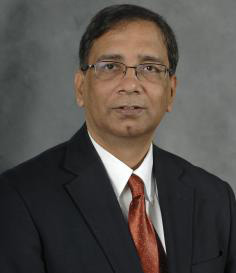
Rolf Halden is a Professor and Center Director at Arizona State University, holding appointments in the School of Sustainable Engineering and the Built Environment, the Biodesign Center for Environmental Health Engineering, and the Global Futures Scientists and Scholars program. He is a leading expert in environmental health engineering, wastewater-based epidemiology, and bioremediation.
Education:
- Ph.D. in Civil (Environmental) Engineering, University of Minnesota (1997)
- M.S. in Civil (Environmental) Engineering, University of Minnesota (1994)
- M.S. in Biology, Technical University of Braunschweig, Germany (1992)
- Postdoctoral Fellow, Environmental Science, Lawrence Livermore National Laboratory (1998)
Research Focus: Halden’s research integrates environmental chemistry, public health, and sustainability to understand how anthropogenic chemicals affect ecological and human health. His lab uses advanced mass spectrometry (LC-MS/MS, MALDI-TOF) to track pollutants such as PPCPs, microplastics, pesticides, and dioxins across air, water, soil, and biological systems. He pioneered the use of wastewater treatment plants as public health observatories, enabling real-time tracking of disease, drug use, and environmental exposures.
Scientific Awards & Recognition:
- Leadership Award, Arizona State University (2018)
- Rocky Mountain Emmy Award (2018)
- Leroy E. Burney Lecturer, Johns Hopkins School of Public Health (2011)
- ACS Expert Program Member (2014–present)
- NIEHS Superfund R01 Working Group National Leader (2012–2014)
Labs & Teams: Halden is the Founding Director of the Biodesign Center for Environmental Health Engineering at ASU, where he leads a multidisciplinary team focused on environmental proteomics, bioremediation, and diagnostic tool development. He also co-leads the Human Health Observatory, a national wastewater monitoring network.
Grants & Funding: Halden has secured major funding from NSF, NIH, EPA, DoD, and private industry. Notable projects include the development of in-situ groundwater monitoring devices, national wastewater surveillance of SARS-CoV-2, and studies on microplastics and neurodegenerative disease.