William M. Reddy is William T. Laprade Distinguished Professor Emeritus of History and Cultural Anthropology at Duke University, pioneering the historical study of emotions across cultures. Education includes: Ph.D. from University of Chicago (1974) M.A. from University of Chicago (1970) B.A. from University of Chicago (1969) Research develops frameworks for understanding emotional expression across historical periods, including award-winning comparative studies of romantic love. The monograph 'The Making of Romantic Love' received the Pinkney Prize for best book in French History (2012). Current work examines emotion/reason relations in 17th century thought and modernity's conceptual foundations. Honors include election to the American Academy of Arts and Sciences (2014) and multiple NEH fellowships. Department service includes chairing Duke's History Department (2006-2012).
W. Gerrod Parrott is a Professor in the Department of Psychology at Georgetown University's College. His research focuses on the nature of human emotion, including social foundations of emotions like guilt, shame, envy, and jealousy, emotional self-regulation, and historical/philosophical perspectives on emotion. He has authored four influential books and served as Editor of Cognition and Emotion (1995–1999) and President of the International Society for Research on Emotion (2008–2013). Currently, he is Editor-in-Chief of Emotion Review . Education : Ph.D. in Psychology from the University of Pennsylvania B.A. in Psychology from the University of Virginia Research Interests : Parrott explores how emotions function socially, culturally, and biologically. His work bridges psychology, sociology, and philosophy, emphasizing the role of emotion in moral judgment, interpersonal dynamics, and cultural expression. Recent studies include cross-cultural comparisons of shame, the impact of digital media on infant development, and the role of emotions in risk perception. Publications Trends : His recent articles highlight themes like moral emotions (guilt/shame), the evolution of emotion concepts across history, and the interplay between technology and emotional engagement. He critically examines cultural differences in emotional expression and their implications for psychology and policy. Editorial & Leadership Roles : Editor-in-Chief, Emotion Review Former Editor, Cognition and Emotion President, International Society for Research on Emotion Contributions to Field : Parrott’s work integrates empirical research with theoretical innovation, shaping debates on emotion’s role in cognition, morality, and culture. He advocates for interdisciplinary approaches to understanding emotion’s societal and individual impacts.
Ben Bollig is a Professor of Latin American Literature and Film at the University of Oxford, where he is also a Fellow and Tutor in Spanish at St Catherine's College and Associate Lecturer in Spanish at St John's College. He holds a First Class BA in Hispanic Studies from the University of Nottingham, followed by an MA and PhD from King's College London (2004). Research focuses on contemporary Latin American literature and film, particularly Argentine poetry Editor of the Journal of Latin American Cultural Studies Co-editor of Latin American Cultural Studies: A Reader (Routledge, 2017, pbk 2019) Key Research Themes : Comparative Literature, Film Studies, Translation Studies, Poetics of Resistance, and Postcolonial Studies. His work explores intersections between poetry and cinema, cultural identity, and political dimensions of artistic practice in Latin America. Publications include books on Argentine marginal poetry, cinematic adaptation of verse, and edited volumes of resistance literature. He coordinates the Poetics of Resistance project with Dr. Cornelia Graebner (Lancaster University) and contributes translations to journals like Calque and El extremo sur: Confines.
Aida Levy-Hussen is an Associate Professor in the Department of English Language and Literature at the University of Michigan's LSA (Literature, Science, and the Arts) College. Her research focuses on African American literature, trauma studies, gender and sexuality studies, and 20th-century American literature. She holds an A.B. from Harvard University (2003) and a Ph.D. from Emory University (2009). Levy-Hussen's work interrogates the intersections of race, memory, and cultural expression. She examines how African American writers engage with historical trauma, particularly slavery's legacies, and explores themes like boredom, affect, and narrative form in contemporary works. Her recent scholarship includes analyses of Ishmael Reed’s postmodern historiography and Spike Lee’s satirical film Bamboozled . She currently teaches courses on African American literature, Toni Morrison, and narrative theory. Her office is located in 3232 Angell Hall, with regular appointment-based office hours. No scientific awards are explicitly mentioned, but her prolific publication record reflects sustained academic impact in literary studies. Levy-Hussen’s writing emphasizes interdisciplinary approaches, blending literary criticism with cultural theory, psychoanalysis, and historical analysis. Her book How to Read African American Literature (2016) provides a transformative framework for interpreting post-civil rights fiction.
Rana Jaleel is an Associate Professor in the Department of Gender, Sexuality, and Women's Studies at the University of California, Davis, within the College of Arts & Sciences. She holds multiple leadership roles, including Chair of the Cultural Studies Graduate Group, Chair of the Designated Emphasis in Feminist Theory and Research, Faculty Advisor for the Sexuality Studies Minor, and Co-Director of HATCH: The Feminist Arts & Sciences Initiative. She is also a 2021–2024 College of Arts & Sciences Dean's Faculty Fellow. Education: Ph.D. in American Studies, New York University J.D., Yale Law School MFA in Poetry, University of Michigan, Ann Arbor Rana Jaleel’s research centers on the politics of evidence, examining how harm is recognized or erased in legal, cultural, and political contexts. Her work critically engages with reproductive labor, race, gender, sexuality, property, and international law. She draws from feminist theory, critical ethnic studies, legal studies, and decolonial thought to interrogate the intersections of power, knowledge, and violence. Her interdisciplinary approach is reflected in her contributions across law, cultural studies, and creative writing. Her publications and editorial projects reveal a strong focus on racial capitalism, settler colonialism, queer/trans of color critique, and feminist legal theory. She explores how international legal frameworks for sexual violence are shaped by imperial and racial power. Her work frequently appears in journals such as Critical Ethnic Studies Journal , Cultural Studies , and Brooklyn Law Review . She has co-edited special issues on democracy, gendered citizenship, and racial capitalism, demonstrating a commitment to collective scholarly work. Scientific Awards: Author of Color First Book Award from Duke University Press for The Work of Rape Rana Jaleel is actively involved in academic service and mentorship. As Co-Director of HATCH and leader of the Write the Future! Lab, she fosters creative and critical scholarship among undergraduate students, particularly from women/queer/trans of color and transnational feminist perspectives. She serves on the Editorial Collective and Board of The Critical Ethnic Studies Journal and is a member of the American Association of University Professors’ Committee A on Academic Freedom and Tenure. Her leadership extends to admissions and curriculum development in interdisciplinary programs. She is co-editing a forthcoming issue of South Atlantic Quarterly on 'Queer/Trans of Color Transits and the Global Imaginaries of Racial Capitalism' and continues to develop projects that bridge creative practice, legal critique, and feminist theory.
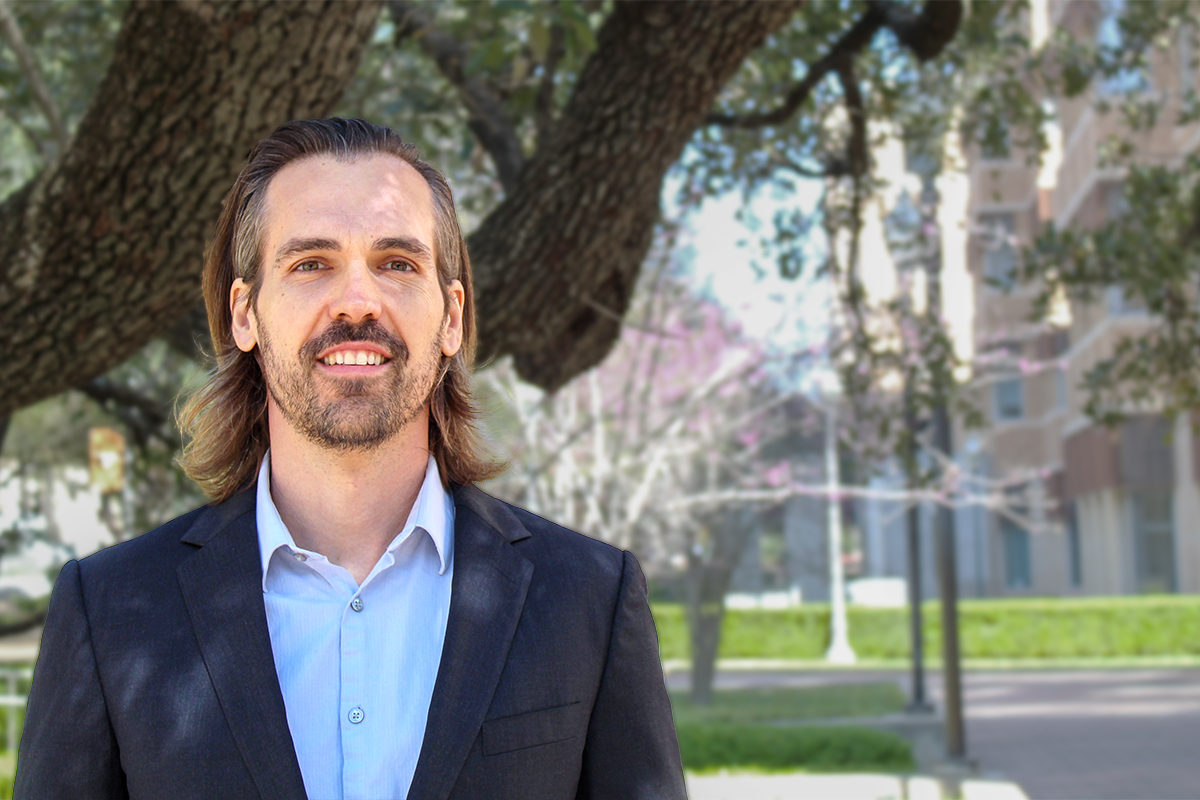
Brad Knox is a Research Associate Professor in the Department of Computer Science at the University of Texas at Austin . His work bridges machine learning, human-computer interaction, and computational cognitive science, with a focus on developing systems that learn from human feedback. Key research areas: Reinforcement Learning, Human-AI Interaction, Reward Design, Autonomous Systems Notable contributions: TAMER framework for human-guided learning, empirical studies on reward misdesign, and human preference modeling for autonomous agents Research Trends : His recent work (2023-2025) emphasizes reward alignment, safety in autonomous systems, and preference-based learning frameworks. Earlier studies (2012-2020) established foundational methods for integrating human feedback into reinforcement learning architectures and exploring behavioral signatures in decision-making. Scientific Honors : Bert Kay Dissertation Award (2013) Victor Lesser Distinguished Dissertation Award (IFAAMAS, Runner-up, 2013) NSF SBIR Grant (PI, 2016) NSF Graduate Research Fellowship (2008-2011) IEEE Intelligent Systems AI 10 to Watch (2013) Teaching & Leadership : Knox served as Principal Lecturer for MIT's Interactive Machine Learning course (2013) and held organizational roles at major conferences including Reinforcement Learning Conference (Scheduling Chair, 2025) and RLDM workshop (Co-chair, 2022).
Jonathan Cohen is a Professor of Philosophy at the University of California, San Diego (UCSD), and serves as an Associate Dean in the School of Arts and Humanities. Previously, he held a Killam Postdoctoral Fellowship at the University of British Columbia (2000-2001). He earned his Ph.D. in Philosophy from Rutgers University (2000), and holds a M.A. (1995) and B.A. (1993) in Philosophy and Mathematics from the University of Chicago. His research primarily focuses on the philosophy of perception and language, with a special emphasis on their intersections with cognitive science. Key areas include relationalist theories of color properties, multimodal perception, and the semantics/pragmatics of context-sensitive expressions. Recent work explores perceptual interactions across modalities, synesthesia, and the role of extrasemantic expansion in communication. Cohen’s publications span over two decades, with recent trends emphasizing perceptual architecture, phenomenal contrasts, and interdisciplinary approaches to cognitive penetration. His work often bridges analytic philosophy with empirical findings in psychology and neuroscience. While no formal grants or awards are explicitly noted, his extensive bibliography reflects sustained engagement with foundational questions in philosophy of mind and language. No lab affiliations or student advisees are listed in the provided materials.
Linda Mulcahy is Professor of Socio-Legal Studies and Director of the Centre for Socio-Legal Studies at the University of Oxford. She specializes in dispute resolution and the experiences of lay users in legal systems, with research spanning healthcare complaints, court design, and digital justice. Her interdisciplinary work bridges law, sociology, and architecture. Mulcahy's research examines the socio-legal dynamics of disputes in contexts ranging from medical negligence to neighborhood conflicts. She explores how institutional designs and digital transformations affect access to justice and procedural fairness. Her current projects include oral histories of law centers and rape crisis movements, plus studies on explaining legal rights to the public. Mulcahy's extensive publications focus on legal architecture's impact on due process, visual representations of justice, and digital court reforms. Her work demonstrates consistent attention to how marginalized groups experience legal institutions. Awards and Recognition: Fellow of the Academy of Social Sciences She directs doctoral training programs and leads the Frontiers of Socio-Legal Studies blog/podcast for early career scholars. Mulcahy consults for governmental bodies including the Access to Justice Foundation and Law Centres Network.
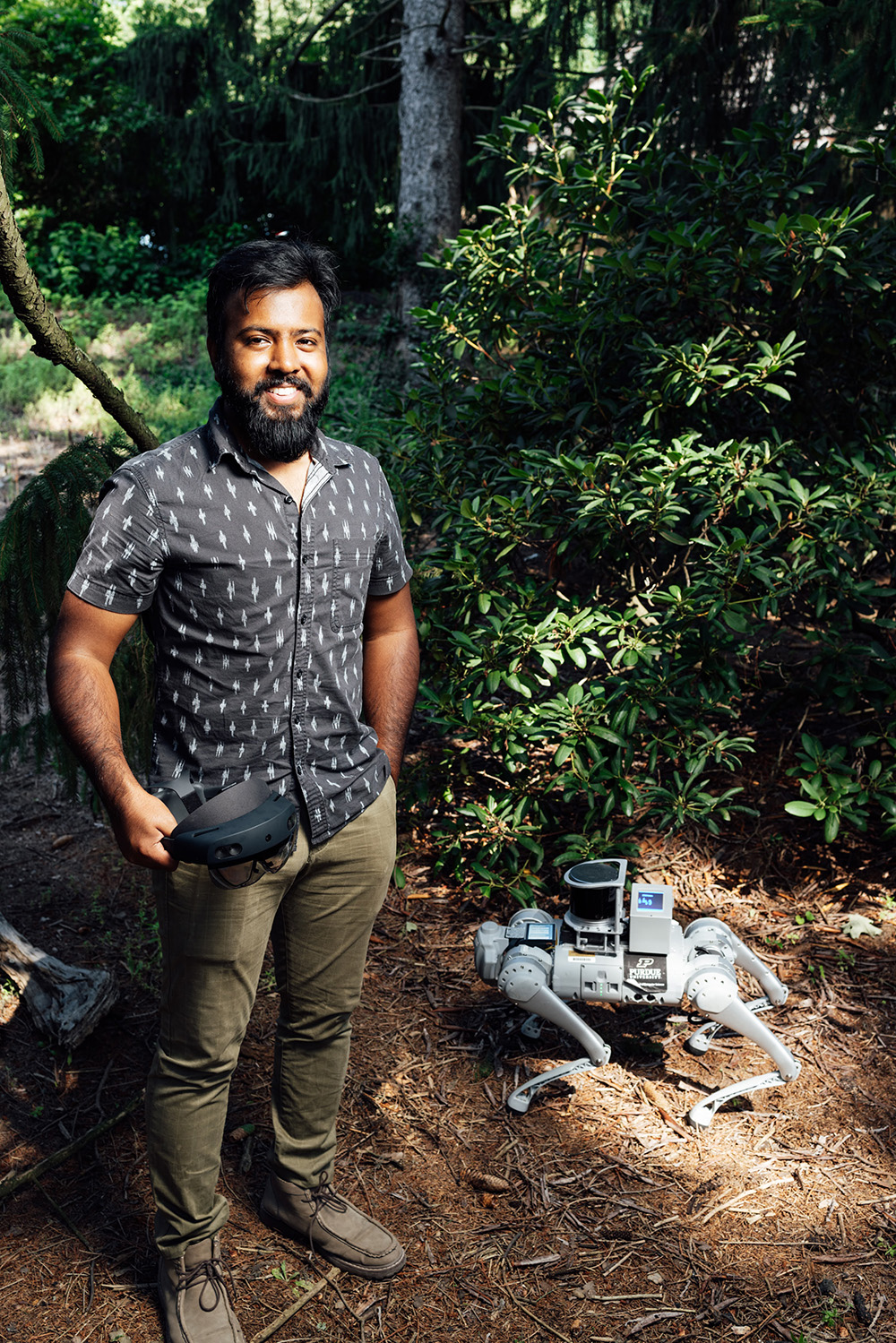
Dr. Aniket Bera is an Associate Professor in Computer Science at Purdue University and holds an Adjunct Associate Professor role at the University of Maryland at College Park (UMIACS). He directs the IDEAS Lab at Purdue and previously served as a Research Assistant Professor at UNC Chapel Hill. His research focuses on Affective Computing, Computer Graphics (AR/VR), AI & Robotics, Social Robotics, and medical AI applications for mental health diagnostics. Affiliations: Purdue University (Primary), University of Maryland (Adjunct), UMIACS Career: Joined Purdue in 2017, extensive industry collaborations with Disney Research, Intel, and C-DAC Research Interests: Affective Computing: Emotion perception via gait analysis, speech, and facial/body expressions AR/VR: Redirected walking, virtual environments, and human motion modeling Medical AI: AI-driven mental health detection systems (e.g., VidSole dataset) in collaboration with medical schools Key Contributions: Developed Project Dost (mental health initiative) Received 2020 Brain & Behavior Seed Grant ($X) for emotion-gait research Authored 65+ papers (1,800+ citations) with awards at IEEE VR 2021 Funding & Leadership: Serves as Senior Editor for IEEE RA-L (Planning/Simulation) Conference Chair for ACM SIGGRAPH MIG 2022 Labs/Teams: IDEAS Lab (Purdue), UMD GAMMA Group
Burak Sunguralp Tekin is an Assistant Professor in the Department of Translation and Interpretation at the Faculty of Humanities and Social Sciences, Ankara Yıldırım Beyazıt University. His academic career includes positions as both Lecturer (2021-2022) and Assistant Professor (2022-present) at the same institution. Dr. Tekin's research primarily focuses on human sociality and the interplay of language, bodies, and technology, with particular emphasis on embodied interaction, social practices, and multimodal communication. Dr. Tekin's educational background includes: Doctorate (2014-2019) from University of Basel, Switzerland, with dissertation "Bodies at play: Exploring participation, spectatorship, and morality in videogaming activities" Postgraduate studies (2012-2013) from University of Newcastle Upon Tyne, United Kingdom, with thesis "Smiles and affective alignment in naturally occurring dyadic academic supervisions" Undergraduate degree (2006-2010) from Hacettepe University, Turkey Dr. Tekin's research interests center on social interaction, multimodal communication, and embodied practices. His work examines how people coordinate their actions, bodies, and language in various contexts including gaming, photography, public spaces, and pandemic-related social adaptations. He employs conversation analysis and multimodal interaction analysis to investigate the micro-details of human sociality, with particular attention to how technology mediates social practices. His research bridges sociology, linguistics, and human-computer interaction to understand the embodied nature of social organization. Analysis of Dr. Tekin's recent publications reveals a consistent focus on embodied social interaction across diverse contexts. His work demonstrates sophisticated methodological approaches to studying how people coordinate their movements, manage social spaces, and create meaning through multimodal resources. A notable trend is his examination of how social practices adapt during extraordinary circumstances like the COVID-19 pandemic, as well as his sustained interest in gaming activities and their social organization. His collaborative work with Lorenza Mondada is particularly prominent in the field of conversation analysis. Dr. Tekin has taught various courses including Multimodal Communication, Introduction to Applied Linguistics, Language and Communication, Language Acquisition, Consecutive Interpreting, Intercultural Communication, World Englishes, Applied Linguistics, Turkish Grammar, Language Culture and Society, and Discourse Analysis at both undergraduate and postgraduate levels. His teaching reflects his research expertise in communication, language, and social interaction.
Professor Anna Marie Munster is a distinguished academic and artist at UNSW Art and Design (College of Fine Arts), where she has held a full-time tenured position since 2001. Her work bridges theoretical scholarship with creative practice, establishing her as a leading figure in digital media art and critical theory. University: University of New South Wales School: College of Fine Arts (UNSW Art and Design) Position: Professor Qualifications: PhD from UNSW (2002), BA (Class 1 Hons with University Medal) from University of Sydney (1984) Professor Munster's research explores the intersections of art, technology, and philosophy, with particular focus on statistical visuality, radical empiricism, the politics and aesthetics of machine learning, and more-than-human perception. Her work integrates process philosophy with contemporary media practices, examining how time, movement, and sonicity shape our experience of digital environments. She approaches these topics through both theoretical scholarship and creative practice, often collaborating with artist Michele Barker on multi-channel audiovisual installations. Her publications reveal a consistent trajectory exploring the relationship between embodiment and digital media, with recent work focusing on AI and machine learning in cultural contexts. Munster's creative output demonstrates sophisticated integration of technical innovation with philosophical inquiry, particularly in how her installations challenge conventional perceptions of time and space. ARC, UNSW Student Council Award for Excellence in Postgraduate Supervision (2017) Dean's Award for Excellence in Postgraduate Supervision (2015) Highly commended for Materializing New Media at Prix Ars Electronica (2008) Winner of National Digital Art Awards 'The Harries' (2006) University Press of New England Publishing Award (2005) Professor Munster has completed over 20 PhD and Masters supervisions at UNSW and been involved in another 10 secondary supervisions. She currently supervises five PhD candidates working on diverse topics including coding materialities, critical bio-textiles, schizophrenia and XR technologies, sound and resonance, and affective drawing. Her ARC-funded research projects demonstrate sustained commitment to interdisciplinary work, particularly at the intersection of art, science, and technology. Her creative practice with Michele Barker has resulted in numerous commissioned installations exploring perception, embodiment, and the relationship between humans and technology.
Shannon Bell is a Professor in Political Science at York University, working as a performance philosopher who integrates digital video technology with political theory. Her research examines intersections of cyberpolitics, aesthetics, and power through projects like 'Shooting Theory', which visualizes philosophical concepts through film. She has authored books including 'Fast Feminism' and 'Reading, Writing and Rewriting the Prostitute Body'. Current SSHRC-funded projects explore bioart and robotic art extremes, with residencies at Symbiotica (UWA) and international exhibitions. She teaches courses on modern political thought, technopolitics, and aesthetics. Educational background includes a PhD in Political Science from York University. Professional leadership includes directing the Resource Centre for Public Sociology.
Dr. Philippe Campeau is an Associate Clinical Professor in the Department of Pediatrics at the Faculty of Medicine, Université de Montréal. He is affiliated with CHU Sainte-Justine, a major pediatric hospital in Montreal, Quebec, where he works in the Medical Genetics Service. His clinical and research work focuses on genetic disorders affecting children, particularly in the areas of skeletal development and neurogenetics. Dr. Campeau obtained his Doctorate in Medicine from Laval University in Quebec (1998-2003) followed by specialty training in medical genetics at McGill University (2003-2008). He completed postdoctoral training at Baylor College of Medicine (2008-2013), which further developed his expertise in genetic research methodologies. His primary research interests include bone dysplasias , skeletal dysplasias , epilepsy , and epigenetic diseases . Dr. Campeau's laboratory identifies disease-causing genes, deciphers disease pathophysiology, and works to improve the management of children affected by these conditions. His work encompasses exome analysis , functional studies with cell lines and mouse models , and investigations into urea cycle abnormalities . He has made significant contributions to understanding genetic causes of conditions such as Genitopatellar syndrome (KAT6B), osteopetrosis, dysosteosclerosis (SLC29A3), osteogenesis imperfecta, early-onset osteoporosis (WNT1), Yunis-Varón syndrome (FIG4), and DOORS syndrome (TBC1D24). Dr. Campeau's publication record demonstrates a strong trajectory in medical genetics research, with numerous high-impact publications spanning from fundamental genetic discovery to translational research. His work spans skeletal disorders, neurodevelopmental conditions, and epigenetic mechanisms. Recent publications indicate an expanding focus on chromatin modifiers, DNA methylation patterns, and spliceosome function in neurodevelopmental conditions, reflecting the evolution of his research interests toward more complex molecular mechanisms. Dr. Campeau has received several research grants in recent years (6 starting in 2014) from organizations including the Fonds de la recherche en santé du Québec, Canadian Institutes of Health Research, and Fondation Grand Défi Pierre Lavoie. While specific students are not mentioned in the available information, as a clinical professor, he mentors medical students, residents, and research trainees in the Department of Pediatrics. His research is conducted as part of the 'Musculoskeletal Diseases and Rehabilitation' axis at CHU Sainte-Justine Research Center, where he collaborates with international research teams to identify disease-causing genes and develop better management strategies for children with genetic disorders.
Mustafa Kahya is a Scientific Staff member and Ph.D. candidate at the Chair of Media Technology within the Munich Institute of Robotics and Machine Intelligence (MIRMI) at the Technical University of Munich (TUM). He works under the supervision of Prof. Dr.-Ing. Eckehard Steinbach and is actively involved in research related to radar systems and machine learning. His academic background includes a B.Sc. in Computer Engineering from Istanbul Technical University (2017) and an M.Sc. in Informatics from TUM (2021). During his master's studies, he conducted research on 3D Reconstruction and Multi-view Shape from Shading at the TUM Computer Vision Group. Kahya's research focuses on Radar Image Analysis , Out-of-distribution Detection , One-Class Deep Neural Networks , Anomaly Detection , and Generative Models . His work primarily centers on applying deep learning techniques to short-range FMCW radar systems for various applications including human presence detection, facial authentication, and activity recognition. His publications demonstrate a strong trend toward real-time radar-based systems with emphasis on out-of-distribution detection capabilities. Kahya has been actively publishing in top-tier conferences and journals from 2023 through 2025, with multiple first-author publications in IEEE venues including ICASSP, ICIP, and IEEE Sensors. His research has been part of several significant projects including the Centre for Tactile Internet with Human-in-the-Loop (CeTI) and DFG-funded research on Teleoperation over 5G. As a Ph.D. candidate at the Chair of Media Technology, Kahya contributes to the research group's work in computer vision, machine learning, and radar systems. His work bridges the gap between traditional computer vision techniques and novel radar-based sensing modalities, creating opportunities for applications in environments where optical systems face limitations.
Kuo-Fen Lee, PhD is a Professor at the Salk Institute for Biological Studies, holding the prestigious Helen McLoraine Chair of Molecular Neurobiology. He leads the Clayton Foundation Laboratories for Peptide Biology, where his research focuses on nerve regeneration, spinal cord injury, and molecular mechanisms underlying neural development and neurodegenerative diseases. His work bridges basic neuroscience with potential therapeutic applications for conditions like ALS, paralysis, and Alzheimer's disease. Dr. Lee received his educational training from multiple prestigious institutions: a degree in Plant Pathology from National Taiwan University; an MS in Cancer Enzymology and Cell Differentiation from National Yang-Ming Medical College, Taiwan; a PhD in Endocrinology from Baylor College of Medicine, Houston; and completed his postdoctoral training at the Whitehead Institute for Biomedical Research. His primary research interests center on understanding why humans cannot regenerate damaged nerves while many other animals can. Dr. Lee has made significant discoveries regarding the p45 protein, which promotes nerve regrowth in mice but is absent in humans (who instead have p75, which inhibits nerve growth). His laboratory also studies neuregulin signaling, neuromuscular synapse formation, and the role of various proteins like nestin in neural development and maintenance. His work often employs mouse models to investigate spinal cord injury, pain pathways, and neurodegenerative conditions. Analysis of Dr. Lee's recent publications reveals a consistent focus on molecular neurobiology with particular emphasis on neural signaling pathways, synaptic maintenance, and nerve regeneration mechanisms. His research spans from basic molecular mechanisms to potential therapeutic applications, with increasing attention to pain pathways, Alzheimer's disease models, and the intersection of neuroscience with immunology and metabolism in recent years. As holder of the Helen McLoraine Chair of Molecular Neurobiology, Dr. Lee has received significant institutional recognition for his contributions to neuroscience. While specific awards aren't detailed in the provided text, his sustained funding and leadership position indicate substantial peer recognition in his field. Dr. Lee's research program involves extensive collaboration with other neuroscience laboratories, as evidenced by his numerous co-authored publications across various neuroscience subdisciplines. His work has been consistently funded, allowing for the maintenance of an active research laboratory focused on nerve regeneration and molecular neurobiology. The Clayton Foundation Laboratories for Peptide Biology serves as the primary research environment for Dr. Lee's team, where they investigate molecular mechanisms of nerve development, regeneration, and degeneration using advanced genetic, molecular, and cellular approaches. The laboratory maintains active research programs in multiple areas of neural signaling and development.