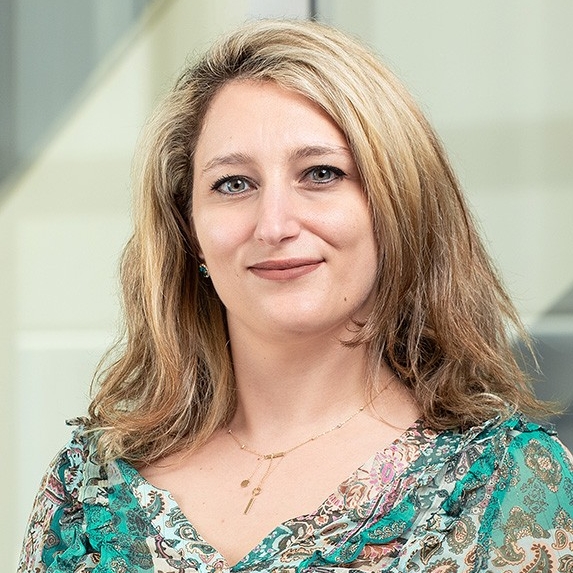
Hanan Salamمشاهده پروفایل
استادیار
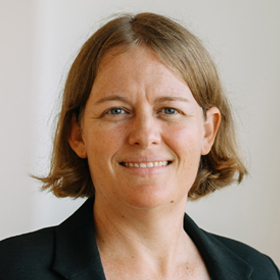
Hanan Salam is an Assistant Professor of Computer Science at New York University Abu Dhabi (NYUAD), where she leads the Social Machines & Robotics Lab (SMART) and is affiliated with the Center of AI & Robotics (CAIR). She is also the co-founder and head of education and research at Women in AI, a global non-profit dedicated to increasing female representation in artificial intelligence. Education: PhD in Telecommunications, Information, and Communication Sciences and Technologies, CentraleSupélec, France Master of Control, Robotics, Signal and Image Processing, École Centrale de Nantes, France Engineering Degree in Computer Science and Telecommunications, Lebanese University Her research focuses on the intersection of artificial intelligence, robotics, and human behavior, particularly in mental health applications. Key areas include Human-Robot Interaction, affective computing, bias in AI, and social signal processing. She advocates for ethical AI and technology for social good. Although publication titles are not listed in the provided text, her work centers on intelligent systems that understand and respond to human emotions and behaviors, particularly through social robots and AI-driven mental health tools. These efforts align with broader themes in computer science, cognitive systems, and healthcare technology. Scientific Awards: First Place, FERA 2011 - Facial Expression Recognition and Analysis Challenge Second Place, AVEC 2012 - International Audio/Visual Emotion Challenge Hanan has mentored students through capstone projects in computer science and has been actively involved in educational outreach, particularly through Women in AI. She previously taught at Emlyon Business School and several French universities as a part-time lecturer. Her work includes both academic research and industry R&D in robotics startups. She is also engaged in public speaking and advocacy for women in STEM. She leads the Social Machines & Robotics Lab (SMART), which focuses on developing socially intelligent machines capable of understanding and interacting with humans in natural and empathetic ways. The lab integrates AI, robotics, and psychology to build systems that enhance human well-being.

/prod02/channel_1/media/faculty/Michael-Lee-T4-1-1000X1200.jpg)