معرفی
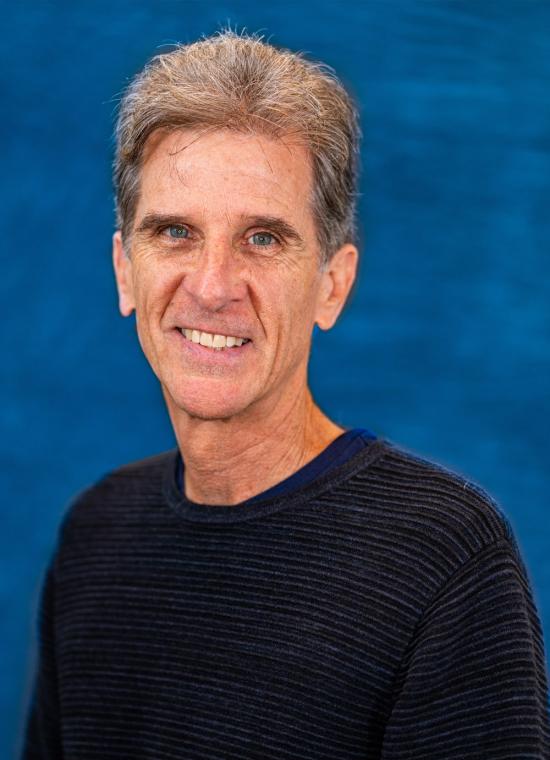
Richard S. Lewis serves as Professor of Neuroscience and Psychological Science at Pomona College, where he has maintained an active research program since 1985. Currently on leave for Fall 2025, he directs a laboratory specializing in cultural neuroscience using electrophysiology and functional near-infrared spectroscopy (fNIRS). His work examines how cultural frameworks shape neural processing of social and physical environments, with particular focus on self-construal differences between East Asian and European American populations.
His educational foundation includes a Ph.D. from Michigan State University, Master of Arts from California State University, Los Angeles, and Bachelor of Science from University of California, Los Angeles. This training underpins his interdisciplinary approach bridging psychology, neuroscience, and cultural studies.
Dr. Lewis's research program centers on three interconnected domains: (1) cultural modulation of neural responses to social stimuli using N400 and P3 event-related potentials; (2) acute/chronic stress effects on frontal EEG asymmetry and cognitive performance; and (3) neurocognitive sequelae of mild traumatic brain injury. His laboratory actively investigates how cultural background influences neural processing of contextual incongruities and emotional cues, revealing fundamental mechanisms of sociocultural cognition.
His publication trajectory since 2006 demonstrates consistent advancement in cultural neuroscience methodology, increasingly incorporating ecological validity through naturalistic paradigms. The work shows progressive refinement from basic ERP studies of cultural priming to complex investigations of stress-cognition interactions in real-world academic settings, with recent emphasis on developing virtual reality methodologies for social neuroscience.
Scientific recognition includes:
- Wig Distinguished Professorship Award for Excellence in Teaching (Pomona College, 1988 & 2011)
- National Institute of Mental Health Postdoctoral Fellowship (1984-1986)
Research funding reflects his program's significance through:
- National Science Foundation Grant: "Stress, Stages of Memory, and Event-Related Potentials" (2002-2006)
- National Science Foundation MRI Grant: "Establishment of High-Density ERP Laboratory" (2001-2004)
- National Institutes of Health Grant: "Neurobehavioral Sequelae of Mild Pediatric TBI" (1989-1991)
His laboratory maintains specialized facilities including high-density EEG systems and fNIRS equipment, recently enhanced through NSF instrumentation grants. Current work pioneers virtual reality integration to create ecologically valid social scenarios while preserving experimental control, aiming to uncover deeper sociocultural neural mechanisms through innovative methodology.