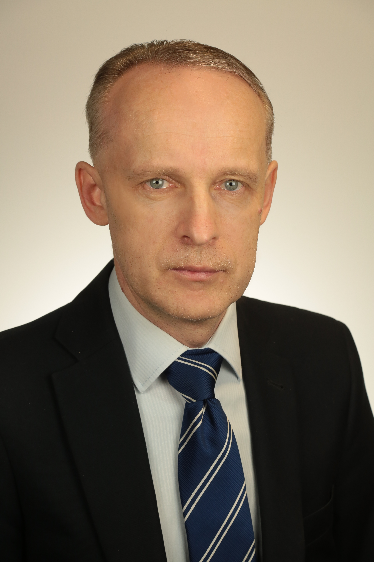
Raj Shekhar Bose is a postdoctoral researcher at the Leibniz Institute for Agricultural Engineering and Bioeconomy e.V. (ATB) in Potsdam, Germany, specializing in Mircobiome Biotechnology . With a Ph.D. in Environmental Biotechnology (IIT Kharagpur, 2023) M.Tech in Environmental Biotechnology (Jadavpur University, 2015) B.Tech in Biotechnology (West Bengal University of Technology, 2013) his research focuses on integrated waste valorization through anaerobic digestion and lactic acid fermentation . His work explores biorefinery processes for defatted rice bran , activated carbon applications in digestion systems, and biochar synthesis for wastewater treatment. Key projects include optimizing organic loading rates and mitigating ammonia inhibition in biogas production. Current efforts with BIOADVAN investigate advanced biomass treatment technologies. Publications demonstrate expertise in life cycle assessment , methane yield enhancement , and integrated process sustainability . Collaborations span institutions like Ionian University and Fraunhofer Institute, with emphasis on environmental impact reduction (67-71% improvement) and energy cost savings (80% reduction in biorefinery systems).
Shalini Saggu is an Assistant Professor at the Medical College of Georgia, affiliated with the Department of Neuroscience and Regenerative Medicine. She holds a Ph.D. in Toxicology (2007) and an MS in Toxicology (2003) from Jamia Hamdard, and a BS in Chemistry (2001) from the University of Delhi. Education: Ph.D., Toxicology, Jamia Hamdard (2007) MS, Toxicology, Jamia Hamdard (2003) BS, Chemistry, University of Delhi (2001) Her research focuses on neurotoxicology, Alzheimer's disease mechanisms, and environmental health impacts, particularly exploring how neurotoxicants, hormonal therapies, and plant-derived compounds affect neurodegenerative processes. She has contributed to understanding oxidative stress, neuroinflammation, and synaptic dysfunction in Alzheimer's. Research Themes: Neurotoxicology of environmental pollutants Neuroinflammation in Alzheimer's Plant-based neuroprotective agents Neuropharmacology of adrenergic drugs Mechanisms of memory consolidation She has taught advanced courses in biochemistry and molecular biology, including BCMB 8201: Current Topics & Techniques in Molecular Biology .
H. Peter Lu is the Ohio Eminent Scholar and Professor in the Department of Chemistry at Bowling Green State University's College of Arts and Sciences. His research focuses on Single-molecule spectroscopy Protein conformational dynamics Interfacial electron transfer processes DNA damage recognition mechanisms Lu's work bridges chemical physics and molecular biology through Development of AFM-enhanced optical imaging techniques Investigations into mechanical force effects on biomolecules Studies of ion channel conformational changes Elucidation of non-Markovian enzymatic reaction dynamics His recent publications reveal trends in Mechanically-induced protein aggregation Force-sensitive receptor dynamics Metal ion effects on protein misfolding Biophysics of DNA repair proteins Advanced single-molecule manipulation tools Scientific recognition includes 2019-2020 BGSU Teaching Award 2014 American Physical Society Fellowship 2009 Olscamp Research Award Multiple PNNL Outstanding Performance Awards 2008 Nobel Symposium Invitations Lu's research group trains students in Single-molecule experimental techniques Protein interaction dynamics Advanced biophysical instrumentation Mechanobiology of cellular processes while maintaining collaborations across disciplines including materials science and computational biology.
Yves Schuurman is a Researcher at the Institute of Research on Catalysis and Environment of Lyon (IRCELYON), affiliated with Claude Bernard University Lyon 1. He serves as deputy manager of the Engineering from Material to Reactor department. His research spans multiple areas of catalysis and chemical engineering with a focus on sustainable energy solutions. Dr. Schuurman's research interests center on catalytic processes for energy applications, particularly in the areas of hydrogen production, biomass conversion, and Fischer-Tropsch synthesis. His work combines experimental approaches with kinetic modeling to understand reaction mechanisms at a fundamental level while addressing practical challenges in reactor design and catalyst development. He has made significant contributions to understanding CO 2 hydrogenation, biogas reforming, and sustainable fuel production through catalytic processes. Analysis of his recent publications reveals a strong emphasis on sustainable energy conversion technologies, with particular expertise in catalytic reactor design, kinetic modeling, and in situ characterization techniques. His research bridges fundamental science with practical applications in energy transition technologies. Dr. Schuurman actively collaborates with numerous researchers across multiple institutions, supervising students like Valentin L'Hospital and working within the broader catalysis research community at IRCELYON. He utilizes advanced characterization methods including SSITKA, FT-IR spectroscopy, and isotopic labeling to investigate reaction mechanisms. His work often involves high-throughput experimentation and microkinetic modeling approaches to develop more efficient catalytic processes for energy applications.
Kerry J. Howe serves as Professor and Director of the Center for Water and the Environment within the Department of Civil Engineering at the University of New Mexico's School of Engineering. A registered Professional Engineer (P.E.) and Board Certified Environmental Engineer (BCEE), he brings over 12 years of industry consulting experience to his academic leadership, focusing on advancing water treatment technologies and environmental engineering solutions. Dr. Howe's educational foundation includes: BS in Civil and Environmental Engineering, University of Wisconsin-Madison (1984) MS in Environmental Health Engineering, University of Texas at Austin (1986) PhD in Environmental Engineering, University of Illinois at Urbana-Champaign (2001) His research expertise spans environmental engineering with emphasis on physical/chemical water treatment processes, membrane technologies (microfiltration to reverse osmosis), desalination, and water chemistry. Current investigations address membrane fouling in wastewater reuse, mineral recovery from desalination concentrate, fluoride removal, and pharmaceutical contaminant elimination through innovative process design. Recent publications (2020-2025) demonstrate a strategic focus on the Mineral Recovery Enhanced Desalination (MRED) process, trace organic contaminant removal in potable reuse systems, and microplastic-heavy metal interactions. These works collectively advance sustainable water management through improved treatment efficiency, resource recovery, and emerging contaminant mitigation. Dr. Howe's accolades include: Harrison Faculty Recognition Award, UNM (2015) Stamm Outstanding Faculty Award, UNM (2014) Golden Spigot Award, AWWA (2007) Junior Faculty Teaching Excellence Award, UNM School of Engineering (2006) As Center Director, he oversees $2.6M+ in annual research expenditures, directing projects that bridge academic research with practical engineering applications. His textbooks MWH's Water Treatment: Principles and Design and Principles of Water Treatment serve as foundational resources in the field. Under his leadership, the Center for Water and the Environment functions as a critical hub for interdisciplinary water research, collaborating with industry and government agencies to address global water challenges through technology development and sustainable engineering practices.
Renu Kowluru is a Professor and Director of Translational Research at the Department of Ophthalmology and Visual & Anatomical Sciences , Wayne State University. Her research focuses on the role of mitochondrial dysfunction and epigenetic modifications in the pathogenesis of diabetic retinopathy , including the phenomenon of metabolic memory where retinal damage persists even after glycemic control. Dr. Kowluru’s work has been recognized by her induction into Wayne State University’s Academy of Scholars (2011), designation as a World Expert by Expertscape (2021), and inclusion in Research.com’s list of the World’s Best Scientists (2025). She has served on high-impact committees such as the National Eye Institute’s Strategic Planning Committee (2020) and the National Eye Advisory Council (2020–2024). Her research has identified mitochondrial DNA damage as a critical driver of oxidative stress in diabetic retinopathy and pioneered the study of mitochondrial epigenetics in this context. She has secured continuous NIH funding (R01 EY014370, EY017313, EY022230, EY033516). The trends in her recent publications highlight long noncoding RNAs , ferroptosis , and mitochondrial DNA repair as central themes. Scientific Awards Wayne State University Academy of Scholars (2011) Expertscape World Expert in Diabetes Complications (2021) Research.com World’s Best Scientists (2025) Dr. Kowluru’s grants and committee roles reflect her leadership in advancing diabetic retinopathy research , including contributions to the Foundation for Vision Research and the Mary Tyler Moore Vision Collaborative Community. Her collaborations span institutions like the Juvenile Diabetes Research Foundation and the American Diabetes Association.
Silviu COLIS is a Professor in Inorganic Materials Chemistry at the Ecole Européenne de Chimie, Polymères et Matériaux (University of Strasbourg), conducting research at the Institut de Physique et Chimie des Matériaux de Strasbourg (IPCMS). His work focuses on multifunctional oxide thin films and multilayers for spintronic and photovoltaic applications, including magnetic tunnel junctions and ferroelectric solar cells. PhD in Physics, Louis Pasteur University (2001) Postdoctoral Researcher, Siemens AG (2001-2002) Research Habilitation, Louis Pasteur University (2008) His research spans magnetic oxides for spin electronics, oxide thin films for photovoltaics, and quantum materials. Recent work emphasizes ferroelectric thin films, oxygen vacancy effects, and transparent conductive oxides in solar cells. Key publications highlight advancements in Bi2FeCrO6 thin films, Yb-doped SnO2 nanoparticles, and gate-tunable phototransistors. Collaborations span institutions like IPCMS, ITI QMat, and Labex NIE. Marie Curie Fellowship Administrative roles include Head of the 'Functional Materials and Nanoscience' major, Research Coordinator for ITI QMat, and leadership in the ChemLab ECPM platform.
Mateja Pećina is a Senior Lecturer at the Department of Animal Science and Technology, University of Zagreb Faculty of Agriculture, specializing in molecular genetics and biotechnology applications in animal production. She holds a PhD in Animal Science and Technology and has been affiliated with the university since 2016. PhD in Animal Science and Technology (2017-2023) MSc in Animal Science and Technology (2013-2015) BSc in Food Science and Technology (2010-2013) Her research focuses on: Developing molecular methods for animal production Gene polymorphism effects on meat quality Bioremediation techniques in food processing Genetic markers for sensory properties in livestock Dry ageing impacts on beef burgers Conservation of endangered local breeds Recent publications highlight trends in genetic influence on meat composition, bioremediation advancements, and sustainable practices in livestock farming. She coordinates two major projects: Genetic, Economic, and Social Interactions in Local Breed Conservation (Croatian Science Foundation, 2021-2024) and Boosting Excellence in Experimental Research for Agri-Food Economics and Management (Horizon 2020, 2020-2023). Her international collaborations include scientific visits to the University of Padova, University of Bologna, and Swedish University of Agricultural Sciences for research in animal biotechnology and meat analysis.
Ricardo Izquierdo is a Professor in the Department of Electrical Engineering at École de technologie supérieure (ÉTS), where he holds a prominent position as Director of the LACIME (Communications and Microelectronic Integration Laboratory). He earned his B.Ing., M.Sc.A., and Ph.D. in Physics Engineering from Polytechnique Montréal. His research spans multiple interdisciplinary fields, with a focus on printed electronics, nanomaterials, and sustainable energy systems. Department: Department of Electrical Engineering Research Laboratories: LACIME (Director), ÉDÉ Sustainable Energy Laboratory Office: A-2475 Email: ricardo.izquierdo@etsmtl.ca Professor Izquierdo's research interests center on micro- and nanosystems (MEMS/NEMS), nanotechnology, printed electronics, biosensors, organic solar cells, and embedded systems for sports equipment. His work bridges fundamental materials science with practical applications in healthcare, environmental monitoring, and sustainable energy. He has developed innovative approaches to printed flexible sensors, photonic curing techniques for solar cells, and graphene-based materials for gas sensing applications. An analysis of his 15 most recent publications reveals a strong focus on printed flexible electronics for sensing applications, advanced photonic curing techniques for perovskite solar cells, and novel materials for energy applications. His work demonstrates a consistent trend toward developing practical, manufacturable solutions that address real-world challenges in healthcare monitoring, environmental sensing, and renewable energy conversion. Professor Izquierdo has received significant recognition through his extensive publication record, with numerous articles in high-impact journals including ACS Omega, Nanomaterials, and IEEE Sensors Journal. His research has practical applications in smart packaging, wearable health monitoring, and sustainable energy systems. He actively supervises a large cohort of graduate students across multiple project types including doctoral theses, master's theses, applied projects, and industry interventions. His students work on cutting-edge topics such as printed temperature and pH sensors, perovskite solar cells, microfluidic biosensors, and graphene-based gas sensors. His research has attracted funding for projects related to printed electronics, sustainable energy systems, and biomedical applications. As Director of LACIME, Professor Izquierdo leads a research group focused on six key areas: functional materials, micro- and nanofabrication processes, integrated circuit design, hybrid components fabrication, photonic and electronic microsystems, and signal processing and communication. The laboratory serves as a hub for innovation in printed electronics and microsystem technologies.
Rada M. Baosic is a Full Professor at the Department of Analytical Chemistry , Faculty of Chemistry, University of Belgrade. She has held multiple academic roles including Associate Professor (2014-2022), Assistant Professor (2004-2014), and various administrative positions such as Vice-Dean for Academic Affairs and Secretary of the Serbian Chemical Society. Education : Undergraduate (1985-1992), Master's (1992-1997), and Ph.D. (1997-2004) in Chemical Sciences from University of Belgrade - Faculty of Chemistry. Research interests focus on analytical chemistry with specializations in planar chromatography , electrochemical sensors , structure-retention relationships , and antioxidant activity studies . Her work explores molecular separation mechanisms, sensor development, and chromatographic modeling. Research trends include: (1) Electrochemical sensor optimization for pharmaceutical compounds, (2) Structure-retention modeling of metal complexes, (3) Environmental applications like honey analysis and lichen biomonitoring, and (4) Cultural heritage studies using mass spectrometry. Scientific awards : 2019 Medal from Serbian Chemical Society for teaching excellence 2021 Meritorious Member award from Serbian Chemical Society 2023 Gratitude Sign for long-term contributions Administrative roles include Vice-Dean for Academic Affairs (2013-2015, 2020-2023), Head of Publishing Center Council, and numerous committee memberships. She also collaborates with Petnica Science Center and contributes to national chemistry competitions.
Edward J. Crane is a Professor of Biology and Chair of the Biology Department at Pomona College, where he has held faculty positions since 2002. His laboratory (Seaver Biology 14) and office (Seaver Biology 21) are central to his research on microbial respiration in extreme environments, with expertise spanning biochemistry, enzymology, and extremophile microbiology. Education: Ph.D. in Classics and Critical Theory, University of Washington, 2002 Crane specializes in anaerobic respiration mechanisms, particularly sulfur- and iron-based processes in acid hot springs, deep-sea sediments, petroleum reservoirs, and hydrothermal vents. His work integrates mechanistic enzymology, microbial community analysis, and geochemical impacts, with significant focus on hyperthermophiles like Pyrococcus species. Key research themes include coenzyme A metabolism in thermophiles, oxidative stress protection systems, and the role of microbial respiration in astrobiology. His publication record (2000-2006) reveals consistent focus on enzymatic disulfide metabolism in extremophiles, with recurring investigations of NADH oxidases/peroxidases and coenzyme A reductases across Borrelia and archaeal models. These studies bridge biochemistry, microbiology, and earth sciences, demonstrating how microbial redox processes shape extreme environments. Scientific recognition includes: Wig Distinguished Professorship for Teaching Excellence (Pomona, 2005) Two Cottrell College Science Awards (Research Corporation, 2000-2005) National Institutes of Health National Research Service Award (1994-1996) Salisbury University Distinguished Faculty Award (1999) Johns Hopkins University Harry D. Kruse Award (1992) Crane has secured major research funding including $55,000 from ACS Petroleum Research Fund (2007-2010), DOE Genomes to Life Initiative participation (2007-), $235,780 NSF instrumentation grant (2003-2006), and HHMI undergraduate education support (2003-2006). He teaches Advanced Biochemistry and laboratory courses while mentoring independent studies in biochemistry and chemistry. His Seaver Biology 14 laboratory operates within Pomona College's molecular biology research infrastructure, collaborating with institutions including University of Washington and Johns Hopkins University on projects like the DOE's Shewanella ecophysiology studies.
Dr. Oliver Plümper is an active researcher at Utrecht University's Faculty of Geosciences, specifically within the Earth Sciences department and the Structural Geology & Electron Microscopy group. His work spans multiple disciplines at the intersection of geology, chemistry, physics, and materials science, with a particular focus on understanding processes occurring at the nanoscale that influence large-scale geological phenomena. Plümper's research interests center around fluid-rock/mineral interaction, nano(geo)sciences, mineral physics, and rock deformation. He employs a multi-faceted approach that combines natural observations, experimental techniques, micro and nano-analytics, and numerical modeling to address fundamental questions in Earth sciences. His work particularly emphasizes how nanoscale processes in the Earth's interior can influence large-scale geological structures and phenomena, including mountain building, earthquake generation, and the carbon cycle. His current research portfolio includes several major projects: the ERC Starting grant 'nanoEARTH' investigating mineral-water interactions deep within the Earth; the Dutch Research Council Vidi project 'RELEASE' studying carbon cycling in subduction zones; the EU INFRAIA project 'EXCITE NETWORK' as co-Principal Investigator supporting access to advanced imaging facilities; the UIO-UU project 'serpAI' using artificial intelligence to study mantle rock alteration; and the UU-NIOZ project 'I-NANO' examining iron nanoparticles' effects on ocean biogeochemistry. These projects collectively demonstrate his focus on understanding how nanoscale processes influence planetary-scale phenomena. Plümper is a strong advocate for open science and transdisciplinary research, leading a diverse team of scientists from earth sciences, chemical engineering, mathematics, physics, and chemistry. He actively contributes to the Utrecht University Electron Microscopy Center and is involved in multiple initiatives promoting open access to analytical facilities. His collaborative approach is evident in his extensive publication record across high-impact journals including Nature Geoscience, PNAS, and Geology, with research spanning from fundamental mineral physics to applications in geothermal energy, raw material extraction, and carbon storage.
Professor Bruce J. Hinds serves as the Campbell Professor in the Department of Materials Science & Engineering at the University of Washington, where he relocated in July 2014 after nine years at the University of Kentucky. His pioneering work focuses on nanoscale membrane technologies with applications spanning water purification, energy storage, and medical devices. Hinds' academic foundation includes: B.S. in Chemistry, Harvey Mudd College (1991) M.S. in Chemistry, Northwestern University (1992) Ph.D. in Inorganic Chemistry, Northwestern University (1996) His research centers on engineering active nanometer-scale architectures inspired by natural protein channels, particularly carbon nanotube membranes exhibiting 10,000-fold enhanced fluid flow. Current projects target programmable transdermal drug delivery, electrochemical water remediation, and biochemical separation systems. The lab's innovations include an award-winning artificial kidney prototype using photoelectrochemical membranes for nutrient recovery during dialysis. Recent publications (2014-2018) reveal escalating integration of electrochemical control with biomimetic membranes, advancing applications in protein separation, addiction treatment, and energy storage. This trajectory demonstrates convergence of nanofluidics, materials science, and biomedical engineering to solve critical healthcare and environmental challenges. His accolades include: NSF Early Career Award (2004) Presidential Early Career Award (PECASE, NIH) (2009) JSPS Post-Doctoral Fellowship (1998) Kavli Frontiers of Science Fellow (2010) Supported by prestigious grants including NSF CAREER and PECASE funding, Hinds mentors graduate researchers in developing membrane platforms that electro-pump biomolecules for dialysis innovation and environmental applications. His lab collaborates with the Molecular Engineering & Sciences Institute to transform theoretical nanofluidic principles into compact medical devices. The Hinds Lab pioneers 'active' membrane technologies at the University of Washington's Molecular Engineering & Sciences Institute, focusing on electro-pumped biomolecular systems. Recent breakthroughs include transdermal nicotine delivery validation and continuous protein separation platforms, with ongoing work targeting commercialization of dialysis-enhancing membranes that recover essential nutrients during treatment.
Professor Sławomir Borysiak is a distinguished academic at Poznań University of Technology, where he serves as Head of the Polymer Department within the Faculty of Chemical Technology. With a career spanning over two decades, he earned his Master of Science in Engineering in 1996, PhD in Chemical Sciences in 2000, completed his habilitation in 2013, and achieved the rank of university professor in 2020. His work bridges academic research and industry applications, serving as Faculty Coordinator for Cooperation with Industry and as a member of the University Team for Cooperation with the Economy. Current Position: Professor, Head of Polymer Department Institution: Poznań University of Technology, Faculty of Chemical Technology Scientific Disciplines: Chemical Sciences (75%), Materials Engineering (25%) ORCID: 0000-0003-3485-4787 Professor Borysiak's research focuses on the physicochemistry of polymers, plastics processing and recycling, and polymer composites containing renewable fillers of plant origin. His work extends to structural studies of low molecular weight compounds, minerals, polymers and nanomaterials, with particular emphasis on the functional properties of plastics and composite materials. His laboratory investigates innovative approaches to wood-polymer composites, nanocellulose applications, and sustainable material development. Analysis of Professor Borysiak's publication record reveals a strong focus on sustainable polymer composites, with particular emphasis on lignocellulosic materials, nanocellulose applications, and renewable fillers. His recent work shows increasing integration of nanotechnology with traditional polymer science, particularly in developing antimicrobial properties, enhanced mechanical characteristics, and improved sustainability profiles for polymer composites. The research spans fundamental material science to practical applications in construction, packaging, and biomedical fields. Professor Borysiak has received recognition through his appointment as Vice-Chairman of the University Disciplinary Committee for Doctoral Students and as a member of the Board of the Polish Chemical Society, Poznań Branch. He also serves on the Polish Society of Calorimetry and Thermal Analysis and the Awards Committee of the Polish Chemical Society. As an educator, Professor Borysiak has supervised multiple doctoral dissertations, including those of Majka Odalanowska (2023) and Aleksandra Grząbka-Zasadzińska (2017). His teaching portfolio includes courses on physicochemistry of polymers, composites, nanomaterials, polymer materials technology, and chemical technology. He maintains active scientific collaborations with institutions including University of Edinburgh, Institute of Molecular Physics of the Polish Academy of Sciences, Casimir the Great University in Bydgoszcz, and several other Polish universities. His laboratory focuses on polymer research with particular expertise in wood-plastic composites, nanocellulose applications, and sustainable material development. Current projects involve developing antimicrobial polymer composites, enhancing material properties through novel hybrid fillers, and investigating the effects of various treatments on lignocellulosic materials.
Leteng Lin is a Senior Lecturer at the Department of Built Environment and Energy Technology, Faculty of Technology, Linnaeus University. He holds a PhD in Chemical Engineering (2013), Master's (2005), and Bachelor's (2002) degrees from the same field. His research focuses on energy technology, chemical engineering, and sustainable resource utilization, particularly in combustion, gasification, and pyrolysis processes for biomass and waste feedstocks.