معرفی
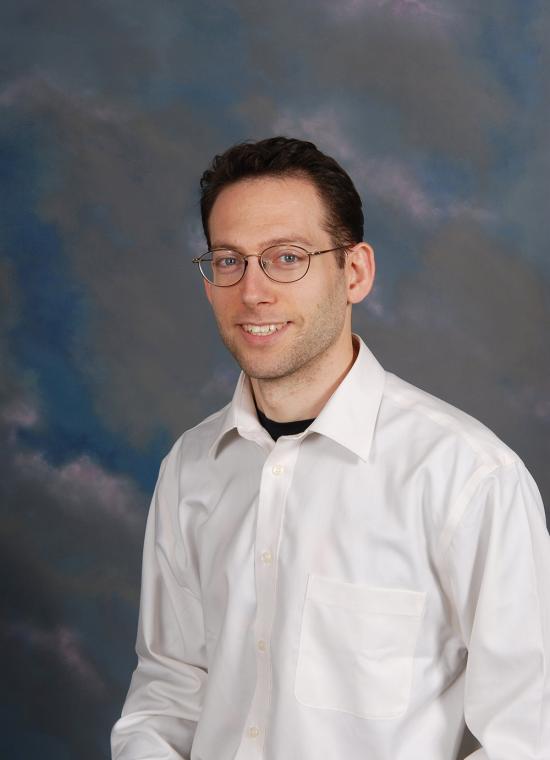
Edward J. Crane is a Professor of Biology and Chair of the Biology Department at Pomona College, where he has held faculty positions since 2002. His laboratory (Seaver Biology 14) and office (Seaver Biology 21) are central to his research on microbial respiration in extreme environments, with expertise spanning biochemistry, enzymology, and extremophile microbiology.
Education:
- Ph.D. in Classics and Critical Theory, University of Washington, 2002
Crane specializes in anaerobic respiration mechanisms, particularly sulfur- and iron-based processes in acid hot springs, deep-sea sediments, petroleum reservoirs, and hydrothermal vents. His work integrates mechanistic enzymology, microbial community analysis, and geochemical impacts, with significant focus on hyperthermophiles like Pyrococcus species. Key research themes include coenzyme A metabolism in thermophiles, oxidative stress protection systems, and the role of microbial respiration in astrobiology.
His publication record (2000-2006) reveals consistent focus on enzymatic disulfide metabolism in extremophiles, with recurring investigations of NADH oxidases/peroxidases and coenzyme A reductases across Borrelia and archaeal models. These studies bridge biochemistry, microbiology, and earth sciences, demonstrating how microbial redox processes shape extreme environments.
Scientific recognition includes:
- Wig Distinguished Professorship for Teaching Excellence (Pomona, 2005)
- Two Cottrell College Science Awards (Research Corporation, 2000-2005)
- National Institutes of Health National Research Service Award (1994-1996)
- Salisbury University Distinguished Faculty Award (1999)
- Johns Hopkins University Harry D. Kruse Award (1992)
Crane has secured major research funding including $55,000 from ACS Petroleum Research Fund (2007-2010), DOE Genomes to Life Initiative participation (2007-), $235,780 NSF instrumentation grant (2003-2006), and HHMI undergraduate education support (2003-2006). He teaches Advanced Biochemistry and laboratory courses while mentoring independent studies in biochemistry and chemistry.
His Seaver Biology 14 laboratory operates within Pomona College's molecular biology research infrastructure, collaborating with institutions including University of Washington and Johns Hopkins University on projects like the DOE's Shewanella ecophysiology studies.