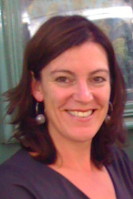
Prof. Filippou Filippos is a faculty member at the Department of Physical Education and Sport Sciences, Democritus University of Thrace (DUTH). He holds a Professorship specializing in Physical Education with emphasis on Greek Traditional Dance, and is affiliated with the School of Physical Education and Sport Sciences. His academic career includes doctoral studies (2002) on traditional dance contributions in contemporary Greece and advanced studies in Social Anthropology (1993). Education: National Academy of Physical Education (1981), DEA in Social Anthropology (1993), DUTH Doctorate (2002) Teaching: Courses include traditional dance pedagogy, dance as physical activity, and performance studies Research focuses on the sociocultural dimensions of Greek traditional dance, including its role in education, health, and cultural identity. Notable studies address dance's impact on social skills development in children, wellness for breast cancer survivors, and ethnological analysis of dance customs. He has supervised numerous master's theses exploring dance's interdisciplinary applications. Publications span 40+ articles in journals like Journal of Physical Education and Sport , Arts & Humanities in Higher Education , and Ethnologia . Key themes include dance participation motives, cultural tourism, and dance pedagogy innovations. Advising: Supervised 8 master's students since 2008 Grants: Active in curriculum development and cultural preservation projects Labs/Teams: Engaged with DUTH's cultural heritage research initiatives and traditional dance education programs.
James B Nardi serves as a Researcher in the Department of Entomology at the University of Illinois Urbana-Champaign, with 64 scholarly outputs including a 2023 Princeton University Press book. His work focuses on insect model systems like Manduca sexta and hemipterans to investigate developmental biology, immunology, and host-microbe symbiosis through cellular and morphological analyses. Dr. Nardi's research centers on Insect Immunology, Developmental Biology, and Entomology, with key investigations into hemocyte function, epithelial monolayer dynamics during metamorphosis, and microbial interfaces in insect midguts. His fingerprint analysis highlights Manduca Sexta (100%), Hemocytes (61%), and Epithelial Cells (53%) as core research pillars, utilizing advanced techniques to study tissue remodeling and immune responses. Recent publications (2018-2023) reveal concentrated exploration of insect midgut physiology and developmental transitions, particularly protein secretion during molting, luminal membrane structures in lace bugs, and abdominal epithelial remodeling in Manduca. These studies bridge Cell Biology, Microbial Ecology, and Insect Physiology, emphasizing the interplay between developmental processes and microbial associations. Scientific Awards: No awards, fellowships, or medals were documented in the source materials. Advising and grants: Information regarding student mentorship, postdoctoral supervision, or research funding sources was not provided in the available data. Laboratory infrastructure: While collaborations with Miller, Bee, and Wallace are evident, specific research teams, laboratory facilities, or institutional centers were not described.
Katarzyna Wac is a researcher at the University of Geneva affiliated with the Faculty of Economics and Management and the Information Science Institute . Her work bridges Digital Health , Mobile Computing , and Human-Computer Interaction , focusing on leveraging wearable devices, smartphones, and AI for health and quality of life (QoL) quantification. Research Themes: Digital biomarkers for Alzheimer's and migraines, QoL assessment via ubiquitous computing, peer- and self-reported behavioral data, and QoE of mobile applications. Labs: Leads the mQoL Lab , a platform for interactive, mobile, and wearable-based studies. Her recent publications explore Transformer models for health data analysis, social robots in homecare, and ethical frameworks for digital mental health. She has contributed to standards for proxy-reported QoL measures and personalized drug delivery systems in digital health. The multimodal integration of emotional signals and context-aware QoS/QoE provisioning for m-health services are recurring technical themes. Key collaborations include the MobiHealth project and COPD24 , translating future internet technologies into telemonitoring solutions. Her work spans from foundational studies on mobile cognition to applied ambulatory assessment of affect and health risks.
Dr. Irene Ye Yuan is an Assistant Professor in the Department of Computing and Software at McMaster University's Faculty of Engineering, with a joint appointment as Associate Member of the McMaster School of Biomedical Engineering. Her research focuses on Human-Computer Interaction (HCI) and Social Computing , specifically designing technology for collaborative social experiences like intergenerational communication and remote play. Education Ph.D. in Computer Science, University of Minnesota M.S. in Human-Computer Interaction and Design, University of Washington Research Focus Dr. Yuan's work integrates ethnographic, design, and mixed methods to develop frameworks for multimodal interactions that foster meaningful social connections. Key domains include: Technology for intergenerational relationships Remote collaboration tools Embodied interaction systems Educational technology (VR/AR pedagogy) Publication Trends Her recent publications (2019-2024) in top-tier venues like CHI and CSCW emphasize socially connected experiences , with recurring themes of remote collaboration, intergenerational communication, and tangible interfaces. Methodologies blend qualitative analysis with system prototyping. Awards Three CHI Honorable Mentions IMWUT Distinguished Paper Award IDC Best Paper Award Academic Activities Dr. Yuan leads the ESI Lab at McMaster, focusing on Engaging Social Interactions. She teaches CAS 731: Social and Collaborative Computing and actively recruits graduate students for projects involving qualitative methods, system building, and empowerment of vulnerable groups (older adults/children).
Renee Engeln is a Professor of Instruction in the Department of Psychology at Northwestern University's Weinberg College of Arts and Sciences. She directs The Body and Media Lab (BAM), which conducts research on women's body image issues with a focus on cultural practices that shape women's relationships with their bodies. Her work bridges academic research and public discourse, as evidenced by her book "Beauty Sick" and regular media appearances. Dr. Engeln's primary research interests include: Objectification Theory and its applications across different social contexts and groups Reactions to idealized media images of women's bodies Online body positivity messaging and its psychological effects Negative body talk and its impact across demographics The relationship between exercise and body image Her research portfolio shows consistent focus on how cultural and media influences affect women's body image across various contexts. Recent work has examined social media's impact on body dissatisfaction, the effectiveness of body-positive interventions, and how self-objectification reduces the psychological benefits of exercise for women. Her studies often employ diverse methodologies including experimental designs, survey research, and scale development. Dr. Engeln has received recognition for her work including: Authoring the influential book "Beauty Sick: How the Cultural Obsession with Appearance Hurts Girls and Women" (2017), published in multiple languages A TEDx talk with over 500,000 views on YouTube Regular contributions to major media outlets including The New York Times, Chicago Tribune, BBC, and Huffington Post A popular Psychology Today blog focusing on body image issues As an educator and researcher, Dr. Engeln maintains an active laboratory (BAM) that trains students in research methods while investigating critical issues at the intersection of psychology, media, and women's health. Her work has significant implications for understanding how cultural forces shape women's psychological well-being and for developing interventions to promote healthier body image.
Ruth Dill-Macky serves as a Professor in the Department of Plant Pathology at the University of Minnesota, based at Stakman Hall and Borlaug Hall in St. Paul, MN. She maintains an active research program focused on cereal crop diseases with USDA Agricultural Research Service funding, collaborating directly with wheat, barley, and oat breeding initiatives to develop resistant varieties. Her academic credentials include: PhD in Botany-Plant Pathology from University of Queensland, Australia (1993) BS in Botany-Plant Pathology (Honours, First Class) from University of Queensland, Australia (1984) BS in Botany and Biochemistry from University of Queensland, Australia (1983) Professor Dill-Macky's research centers on economically devastating diseases of small grains, particularly Fusarium head blight, stem rust, and bacterial leaf streak. Her program develops resistance screening techniques, analyzes inheritance patterns of resistance traits, and conducts epidemiological studies on pathogen spread under varying environmental conditions. She prioritizes translating molecular insights into practical breeding solutions for Minnesota growers. Recent publications (2023-2025) reveal intensified focus on molecular characterization of Fusarium resistance mechanisms and Ug99 stem rust threats, alongside emerging bacterial disease challenges. Her work integrates genomics, field trials, and germplasm screening to address yield impacts from pathogens like Xanthomonas translucens, with strong emphasis on developing deployable resistance strategies for cereal production systems. Scientific awards: No specific awards documented in the provided materials She has secured 67 grants as Principal Investigator, primarily through USDA Agricultural Research Service, with active projects extending to 2026. Current work includes molecular characterization of Fusarium head blight, stem rust evaluation in oats, and bacterial leaf streak management. Her program has generated 96 research outputs and one major barley genomics dataset. Professor Dill-Macky leads a multidisciplinary research team collaborating with breeders and USDA scientists, operating field nurseries and molecular labs focused on pathogen virulence and host resistance mechanisms in cereal crops across Minnesota's agricultural landscape.
Dr. Lisa Sparks is a Professor at Chapman University with the Foster and Mary McGaw Endowed Chair in Behavioral Sciences. She serves as Founding Dean of the School of Communication and holds joint appointments in the Crean College of Health and Behavioral Sciences and the School of Pharmacy. With over 150 peer-reviewed publications and 13 books, she is a leading scholar in health communication, cancer communication, aging, caregiving, and research methods. Her work bridges academic research with community impact, including documentaries, media appearances, and public policy engagement. Education: Ph.D., M.A., B.A. from the University of Oklahoma Post-graduate Certification: Harvard Institute for Management and Leadership in Education Research Interests: Dr. Sparks’ scholarship focuses on clinician-patient communication, health disparities, cancer care navigation, and intergroup dynamics in healthcare. She has developed frameworks for patient-centered decision-making and designed interventions for vulnerable populations. Scientific Awards: Club for Growth Foundation Fellowship (2020) Recognized among top ten most prolific Health Communication authors Grants & Collaborations: Dr. Sparks has served as Principal Investigator, Co-PI, and Consultant on numerous research grants, collaborating with institutions like the National Cancer Institute, University of California, Irvine, and Vrije Universiteit Amsterdam. She has also contributed to cancer research at the Chao Family Comprehensive Cancer Center.
Anu Kajamaa, PhD, is an Adjunct Professor and Principal Investigator in the Faculty of Educational Sciences at the University of Helsinki, Finland. She also holds positions as an Honorary Professor at the University of Exeter's College of Social Sciences and International Studies (UK) and as a Visiting Associate Professor at Aalto University in both the School of Business (Department of Management Studies) and the School of Arts, Design and Architecture (Department of Media). She serves as Co-Leader of the Learning, Culture and Interventions (LECI) expert group and Vice Director of the Doctoral Program of School, Education, Society and Culture (SEDUCE). Dr. Kajamaa's research focuses on collective learning, creativity, organization and management, continuous learning, and change through interprofessional working and formative interventions. She is an expert in sociocultural- and practice-based theories, qualitative research methods, and participatory intervention techniques, particularly cultural historical activity theory and the Change Laboratory method. Her work spans multiple contexts including primary schools, teacher education, prisons, health and social care, and entrepreneurship hubs. Her recent publications demonstrate a strong trend toward educational innovation through makerspaces and the integration of technology in learning environments. The research shows increasing focus on AI-mediated learning processes, relational expertise development, and collaborative innovation practices across educational settings. Her work consistently applies sociocultural theoretical frameworks to examine how learning occurs in complex, real-world contexts. 2023: The Royal Society of Medicine and Center for the Advancement of Interprofessional Education Practitioners Award, UK 2022: Early Career Award, American Educational Research Association (AERA) 2021: The Clinical Teacher Journal Impact Award 2020: Editor's Choice Award (BERA and BJET) 2015: The Adult Educator of the Year, University of Helsinki Dr. Kajamaa has secured significant research funding including an EU HORIZON 2020-MSCA-RISE project on collaborative working between correctional and mental health services, an Erasmus+ KA205 Strategic Partnerships project on media literacy, and an Academy of Finland-funded project on makerspaces. She coordinates the Nordic Research Network on Digitalising Childhoods and is a member of the Playful Learning Center ecosystem. As one of the founders of the European Centre of Excellence in Qualitative Study and Inquiry in Training and Education, she has established herself as a leader in qualitative educational research methodology. Her international research collaborations span institutions including University College London, McGill University, Columbia University, and the University of Oulu. She has been a visiting researcher at numerous institutions worldwide including UC Berkeley, ESSEC Business School, and the University of Exeter. Her work with the Playful Learning Center and the Nordic-Baltic ISCAR network demonstrates her commitment to advancing educational research through international collaboration.
Mark Hathaway is a Lecturer at the University of Toronto and serves in both the School of the Environment and the Department of Physical & Environmental Sciences . Additionally, he acts as a Visiting Professor at Latin American universities and faculty member at the Earth Charter Center for Education for Sustainable Development in Costa Rica. Education: PhD in Adult Education, Community Development, and Environmental Studies from University of Toronto MEd in Adult Education and Community Development from University of Toronto BSc in Mathematics from Queen’s University Research Interests: Dr. Hathaway focuses on ecological worldviews , transformative learning , and indigenous knowledge . His work bridges environmental ethics with regenerative design , emphasizing ecopsychology and permaculture principles . He explores how self-transcendent emotions and spiritual practices can shift consciousness toward sustainable living. Article Trends: His publications span ecological ethics , permaculture , indigenous wisdom , and emotional responses to crisis . Themes include anthropoharmonism , systems theory , and decolonization . Grants & Affiliations: Dr. Hathaway's SSHRC postdoctoral research and collaborations with organizations like the Pachamama Alliance and Joanna Macy's Work that Reconnects highlight his interdisciplinary approach to sustainability education.
Sissel Merete Finholt-Pedersen is externally affiliated with the University of Stavanger (UiS), Faculty of Health Sciences, Department of Care and Ethics. She is a postdoctoral researcher on the QUALITECH project, funded by the Research Council of Norway, focusing on care ethics in technology-mediated healthcare. Her academic background includes a Ph.D. from Roskilde University and a theological degree from the Norwegian School of Theology, Religion and Society, with additional studies in psychology from the University of Oslo. Her research centers on professional identity, relational work, care ethics, and psycho-social analysis . She explores how professionals in care and theology construct their identities through life experiences, societal relations, and institutional contexts. Her interdisciplinary approach draws from qualitative methodologies, psychoanalytic theory, and cultural studies to examine subjective experiences within professional roles. The analysis of her recent publications reveals a strong focus on ethics in elderly care, digitalization in health services, and infant user participation . Her work frequently investigates how economic rationality, technology, and policy shape care practices and professional self-understanding. She applies depth-hermeneutical and qualitative methods to uncover underlying psychosocial dynamics in professional and caregiving relationships. Scientific Contributions: Active member of the International Research Group for Psycho-Societal Analysis Involved in the project Give the children a better start Researcher on infant voice and user participation in early life Published in journals such as Qualitative Studies , Journal of Psychosocial Studies , and Tidsskrift for kjønnsforskning She has contributed to advising through collaborative research and presentations within the QUALITECH project. While no formal students are listed, she plays a mentoring role in qualitative research and interdisciplinary ethics. She has not received any explicitly mentioned scientific awards. Her work is supported by research grants from the Research Council of Norway and institutional funding at UiS. She is involved in the QUALITECH research team and collaborates with scholars across disciplines on topics including professional development, ethical challenges in training, and user participation in vulnerable populations. Her work bridges theology, psychology, nursing, and ethics, contributing to a holistic understanding of care in modern society.
Kai Eriksson is a researcher affiliated with the Department of Psychiatry at the University of Eastern Finland. Their work spans interdisciplinary research in pediatric neurology, psychology, and behavioral science, focusing on neurodevelopmental disorders and epilepsy. Research Trends: Recent articles highlight expertise in epilepsy outcomes, autism spectrum disorder interventions, and care pathway design. Key methodologies include population-based studies, EEG analysis, and parent-mediated behavioral interventions, with a focus on improving academic, social, and employment outcomes in affected populations. Collaboration Network: Active in multidisciplinary collaborations, Eriksson has co-authored studies with teams in pediatric neurology, clinical medicine, and global health policy, contributing to integrated care models like the Finnish epilepsy care pathway.
Melissa Hauber-Özer is an Assistant Professor of Qualitative Inquiry in the Department of Learning, Teaching, and Curriculum at the University of Missouri, College of Education & Human Development. She plays a leadership role in the Action Research Network of the Americas Knowledge Democracy Initiative and holds elected positions in TESOL International, including chair-elect of the Adult Education interest section and secretary of the Refugee Concerns interest section. PhD in International Education, George Mason University M.Ed. in World Language Education, Temple University Her research centers on critical participatory, ethnographic, and narrative methodologies to explore educational access and equity for linguistically and culturally diverse learners, particularly refugees and immigrants. She is deeply engaged in advancing qualitative research methods and promoting democratic knowledge production in transnational contexts. Her expertise includes adult language and literacy learning, critical inquiry, and community-based research. Her publications, including co-authored books with SAGE and Routledge and articles in leading journals, demonstrate a strong focus on participatory and critical methodologies in educational research. These works emphasize decolonizing practices, transnational collaboration, and equity-centered inquiry across diverse educational settings. Critical Participatory Inquiry: An Interdisciplinary Guide (SAGE) The Routledge International Handbook of Critical Participatory Inquiry in Transnational Research Contexts Publications in International Journal of Qualitative Studies in Education Publications in Journal of Adolescent & Adult Literacy Publications in Action Research Publications in International Journal of Research and Method in Education Melissa Hauber-Özer advises graduate students in qualitative research and teaches core courses such as Qualitative Research Methods in Education I & II, Philosophical Perspectives on Educational Research, and Critical Participatory Inquiry. She is affiliated with the Qualitative Research Consortium (QuaRC) and the Certificate in Qualitative Research (CQR) program, contributing to institutional capacity in qualitative methodology. While specific grants are not listed, her leadership roles and publications suggest active involvement in funded or collaborative research initiatives focused on equity and access. She is actively involved in research networks such as the Action Research Network of the Americas and contributes to professional communities through TESOL International. Her work promotes knowledge democracy and participatory research models that empower marginalized voices in educational research.
Dean D. VonDras is a Professor of Psychology at the University of Wisconsin-Green Bay and the founding Director of the UW-Green Bay Gerontology Center. His research focuses on the intersection of health and psychological processes in adult development and aging, with particular emphasis on social support, ethical frameworks for living, and spirituality's role in developmental trajectories. Ph.D. in Psychology, Washington University in St. Louis M.A. in Psychology, Washington University in St. Louis B.A. in Psychology, Southern Illinois University at Edwardsville His scholarly work examines how physical health, mental well-being, and social networks interact across the lifespan. Additional research themes include ethical decision-making in later life and the psychological dimensions of spiritual growth. As Gerontology Center director, he has created opportunities for student research participation and community internships related to aging studies.
Janet van Hell is Professor of Psychology and Linguistics at Pennsylvania State University , where she also serves as Co-Director of the Social, Life, and Engineering Sciences Imaging Center (SLEIC) and Co-Director of the Center for Language Science . She leads the Bilingualism and Language Development (BiLD) Lab , investigating neurocognitive aspects of bilingual language use. Education: Ph.D., University of Amsterdam, 1998 Research Interests: Her work centers on bilingualism , second language acquisition , and the neurocognitive mechanisms underlying language development. Using EEG/ERP , behavioral, and linguistic techniques, her lab explores cross-language interaction, code-switching, and foreign-accented speech comprehension. The ‘brain bus’ , a mobile EEG lab, extends her research into schools and public outreach. Publications Overview: Her recent publications span bilingual phonetics , syntax processing , memory consolidation , and executive control , with a focus on EEG/ERP methodologies and experimental behavioral paradigms . Studies often involve heritage speakers , child bilinguals , and late L2 learners . Advising & Collaborations: Advises numerous PhD students and postdocs, many co-authoring papers (marked with *). Collaborates across Psychology, Linguistics, and Neuroscience departments. Leads outreach via the ‘brain bus’ for public engagement in science. Labs & Centers: BiLD Lab – Bilingualism and Language Development Lab SLEIC – Co-Director, Social, Life, and Engineering Sciences Imaging Center Center for Language Science – Co-Director
Dr. Amber L. Beitelshees is an Associate Professor of Medicine in the Division of Endocrinology, Diabetes and Nutrition at the University of Maryland School of Medicine. With a PharmD from the University of Florida and an MPH in epidemiology, she completed a residency in Pharmacy Practice at the University of Illinois Medical Center at Chicago followed by a postdoctoral fellowship in Cardiovascular Pharmacogenomics. Previously, she served on the faculty at Washington University in St. Louis School of Medicine and the University of Florida College of Pharmacy before joining her current institution. Dr. Beitelshees' research focuses on understanding interpatient variability in drug response, particularly through pharmacogenomics. She leverages genetic epidemiology, clinical pharmacology, and functional genomics to investigate treatment responses in cardiovascular disease and diabetes. Her work examines how understanding variability in drug response can provide mechanistic insights into disease biology and explores approaches for implementing pharmacogenetics into routine clinical care. She actively serves on the Pharmacogenetics Service and the Pharmacogenetics subcommittee of the P&T committee to facilitate the clinical implementation of pharmacogenetic tests. Analysis of her recent publications reveals a strong emphasis on precision medicine applications in cardiology and endocrinology. Her research spans pharmacogenetics of antihypertensive medications, diabetes treatments including SGLT2 inhibitors and GLP-1 receptor agonists, and antiplatelet therapy optimization. A notable trend is her increasing focus on racial disparities in drug response, particularly in cardiovascular treatments for Black patients, and the development of clinical implementation strategies for pharmacogenetic testing. In her clinical role, Dr. Beitelshees contributes to pharmacogenetic service implementation and serves on relevant committees. Her collaborative work spans numerous institutions through consortia like the IGNITE Pharmacogenetics Working Group, demonstrating her leadership in translating pharmacogenomic research into clinical practice. Her laboratory utilizes a multidisciplinary approach combining genetic epidemiology with clinical pharmacology to address questions of drug response variability.