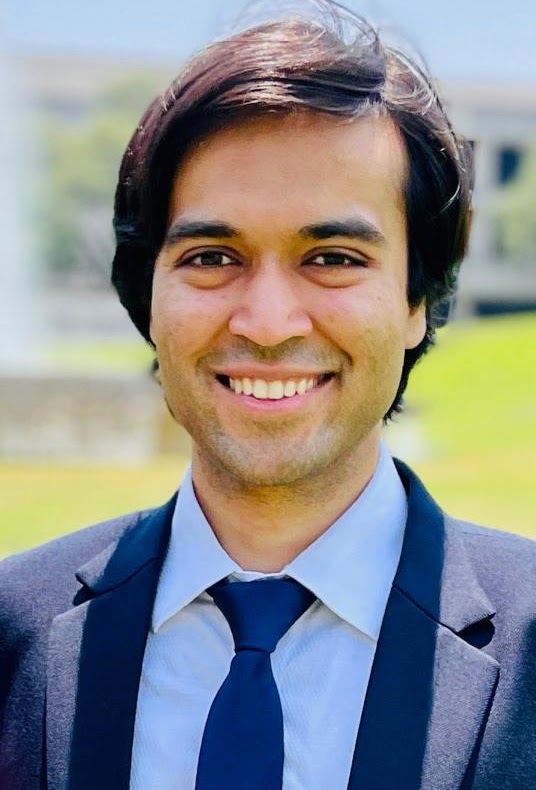
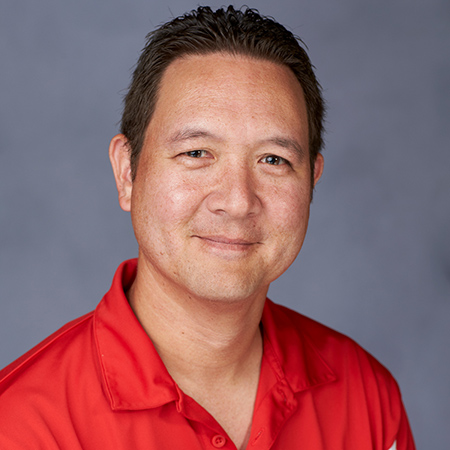
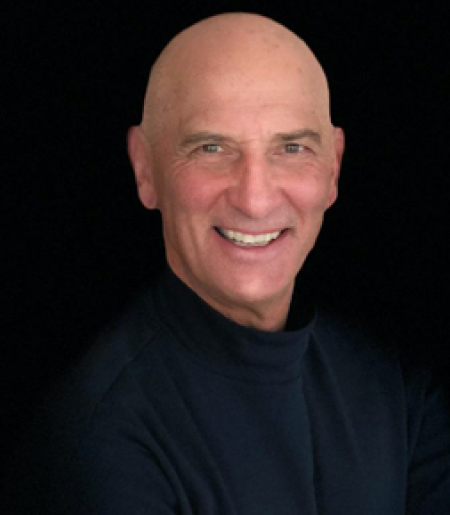
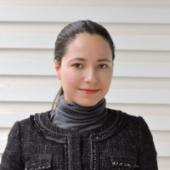
Rishab Goyal is an Assistant Professor in the Computer Sciences Department at the University of Wisconsin-Madison , affiliated with the School of Computer, Data & Information Sciences . His research spans Cryptography , Computer Security , and Theoretical Computer Science , with a focus on post-quantum cryptography , lattice-based systems , and the policy implications of advanced cryptography . Research interests include secure systems with advanced capabilities and cryptographic proof systems. Teaching graduate and undergraduate courses in cryptography and theoretical computer science. His work on functional encryption , traitor tracing , and obfuscation has been published in top venues like CRYPTO, STOC, and FOCS. He has served on program committees for EUROCRYPT, TCC, PKC, FOCS, and ASIACRYPT. Scientific Awards : Invited to STOC 2018 special issue in SIAM Journal on Computing. Rishab collaborates with PhD students including Jiaqi Cheng , Abtin Afshar , and Saikumar Yadugiri , and hosts visiting researchers from institutions like GMU and IIT Madras.
Lonny R. Levin is a Professor of Pharmacology at Weill Cornell Medical College , where he has worked since 2009. Collaborating extensively with Dr. Jochen Buck, he pioneered research on bicarbonate-regulated soluble adenylyl cyclase (sAC) , a critical enzyme in cAMP signaling. Education : B.S. from Cornell University (1983), Ph.D. from State University of New York at Stony Brook (1989) His research focuses on: cAMP signaling microdomains in mammalian cells Mitochondrial metabolism and pH sensing Sperm capacitation and energy regulation Nonhormonal contraceptive development via sAC inhibition Recent publications (2025-2023) highlight: Structural insights into sAC activation Metabolic adaptations during sperm capacitation Emerging role in corneal endothelium signaling Drug discovery for on-demand male contraception Grants from NIH (NIAID, NICHD) support his work on: Intravaginal rings for dual HIV/herpes prevention and contraception Metabolic communication in reproductive systems Signalosome regulation in mitochondria He maintains collaborations with institutions like EMD Millipore Corporation and co-founded Sacyl Pharmaceuticals, Inc. , holding proprietary interests in sAC-related intellectual property.
Dr. James W. Navalta is an Associate Professor in the Department of Kinesiology and Nutrition Sciences at the University of Nevada, Las Vegas. His research focuses on physiological responses to outdoor exercise (hiking, trail running) and the validity/reliability of wearable technology. He earned his B.S. in Physical Education and Biology from Brigham Young University–Hawaii, M.S. in Kinesiology from UNLV, and Ph.D. in Exercise Physiology from Purdue University. Education: B.S. - Physical Education & Biology, Brigham Young University–Hawaii M.S. - Kinesiology, University of Nevada, Las Vegas Ph.D. - Exercise Physiology, Purdue University His research portfolio includes: Wearable technology validation for physiological measurements Comparative studies of indoor vs outdoor exercise environments Impact of gender-inclusive approaches on sports science Metabolic and cardiovascular responses to unconventional workouts Psychological benefits of nature immersion Recent publications demonstrate expertise in: Wearable device accuracy testing VO2max and lactate threshold validation Environmental influence on exercise physiology Methodological improvements in data collection Gender-inclusive research design Outdoor activity impact assessment As co-founder and executive editor of the International Journal of Exercise Science, he contributes significantly to academic discourse. He also serves on editorial boards for journals related to digital health and exercise technology.
Pedro Monteiro is an Assistant Professor (tenure track) in the Department of Organization at Copenhagen Business School. His research focuses on organizational expertise development, bureaucratic systems, and qualitative methods, with fieldwork in engineering firms and the public sector. Academy of Management Annals Best Article Award Louis Pondy Award recipient Max Boisot Award winner Poets and Quants Top 50 Undergraduate Business Professors 2024 Monteiro's work spans organizational theory, cybersecurity coordination, and migrant expertise challenges. He serves as Communications Editor for Administrative Science Quarterly and contributes to qualitative research communities through co-founding the Talking About Organizations Podcast and Ethnography Atelier. His research projects include a Gothenburg University collaboration funded by Otto Mønsteds Fond (2023). Current teaching includes Organizational Behavior at BSc level and Strategy, Organization & Leadership at MSc level.
David M Feldshuh is a Professor in Performing and Media Arts at Cornell University with over 40 years of service, uniquely combining a board-certified emergency medicine physician career with theater artistry. As founding Artistic Director of the Schwartz Center for the Performing Arts, he leads a resident company of professional actors collaborating with students across Cornell. His education spans Dartmouth College (B.A. Philosophy, Phi Beta Kappa, cum laude), London Academy of Music and Dramatic Arts, and dual Ph.D. (Theatre) and M.D. (Medicine) from the University of Minnesota, followed by Emergency Medicine residency at Hennepin County Medical Center and board certification. Feldshuh’s research centers on theater as a vehicle for social change, particularly at the arts-healthcare intersection. He pioneers creativity training methodologies derived from Zen meditation, Gestalt Therapy, and martial arts to enhance professional presence. His work examines ethical dilemmas in medical practice through performance, with emphasis on cultural bias mitigation and historical trauma processing. His creative output reveals consistent focus on social justice narratives, evolving from historical adaptations like Antigone to contemporary explorations of systemic inequity. Recent works demonstrate increasing formal innovation through multi-role performance structures and transmedia storytelling approaches that bridge academic and public engagement. Major honors include: Pulitzer Prize Finalist and 5 Emmy Awards for Miss Evers' Boys Cornell’s Stephen H. Weiss Presidential Fellowship (highest teaching honor) Distinguished Service Award from Tuskegee University’s National Bioethics Center AMA “Freddy” Award for medical film excellence CINE Golden Eagle for documentary work Feldshuh mentors through honors tutorials and developed the globally adopted eCornell course Acting in Public , teaching 1,600+ students across 15 countries. His Schwartz Center leadership established institutional grant frameworks supporting large-scale productions like Bernstein’s Mass with 138 performers. Current initiatives include leadership workshops for Cornell Tech and corporate clients, extending his presence-training methodology beyond academia. He maintains active creative practice through the Schwartz Center’s resident company, directing major productions while integrating medical ethics into performance pedagogy. His stadium announcing role at Cornell commencements for 20+ years exemplifies his commitment to institutional community engagement.
Ka I Ip is an Assistant Professor at the Institute of Child Development , University of Minnesota. As director of the D.A.N.C.E. Lab , Dr. Ip employs multimodal methods including neuroimaging, cortisol assays, and cross-cultural experiments to study emotion regulation and developmental psychopathology. PhD in Developmental Psychology (University of Michigan) Susan Nolen-Hoeksema Postdoctoral Fellow (Yale University) Research focuses on how cultural contexts and early adversity shape emotional development, with particular attention to racial-ethnic minorities and immigrant families . His work applies findings to social policy reform and health equity initiatives. Recent publications analyze neighborhood socioeconomic impacts on brain development , discrimination effects in bilingual adolescents , and cortisol dynamics in immigrant families . Key journals include Biological Psychiatry and Developmental Psychology . APA Editor’s Choice Article (2024) Yale Health Equity Research Finalist (2022) Accepting PhD students for Fall 2026. Collaborates with teams in neuroimaging , cross-cultural research , and pediatric biomarker studies .
Dr. Derek G. Brewin is a Professor and Head of the Department of Agribusiness and Agricultural Economics at the University of Manitoba, within the Faculty of Agricultural and Food Sciences. He holds a PhD in Agricultural, Environmental and Regional Economics from Pennsylvania State University. Education: PhD, Agricultural, Environmental and Regional Economics, Pennsylvania State University, USA MSc, Agricultural Economics, University of Saskatchewan, Canada BSc, Agricultural Economics, University of Alberta, Canada Dr. Brewin's research focuses on spatial grain and oilseed markets, innovation in food processing and plant breeding, farm finance, and red meat supply chains. With 14 years of industry experience prior to his academic career, including roles as a lender and analyst in the agriculture sector, his work bridges practical industry knowledge with academic rigor. His current research projects examine the economics of crop rotations, grain transportation policy, plant location for oilseed processing, and the economics of perennial grains and forages with beef integration. His scholarly work shows a consistent focus on agricultural markets, transportation economics, and innovation policy, with a particular emphasis on Canadian agricultural systems. Recent publications analyze the impact of trade disruptions, pandemic effects on grain markets, and innovation policy in crop breeding. Scientific Awards and Recognition: Award-winning teacher of agricultural finance, marketing and risk management Past President of the Canadian Agricultural Economics Society Member and on Editorial Board of Northeast Agricultural and Resource Economics Association (NAREA) Member of the Structure and Performance of Agriculture and Agri-products Network Member of the Canadian Agricultural Innovation and Regulation Network Dr. Brewin has supervised numerous graduate students, with current students working on topics related to winter forage options, crop rotation profit impacts, and processing location impacts on farm prices. His professional service includes serving as a Senator at the University of Manitoba and as a director of Farm Management Canada and the Manitoba Rural Adaptation Council. Prior to his academic career, Dr. Brewin worked as a Corporate Advisor for the Canadian Wheat Board, a Policy Economist for Agriculture and Agri-Food Canada, and a farm lender. He was raised on a mixed irrigation farm in Purple Springs, Alberta, providing him with firsthand agricultural experience that informs his research and teaching.
Matt Nassar is an Associate Professor of Neuroscience and Assistant Professor of Cognitive and Psychological Sciences at Brown University. He leads the Learning, Memory and Decision Lab, which is part of the Department of Neuroscience and the Robert J. & Nancy D. Carney Institute for Brain Science. His research focuses on understanding how the brain flexibly processes information to achieve complex and adaptive behaviors through computational approaches that bridge cognitive psychology and neuroscience. Education: PhD, University of Pennsylvania (2012) BA, Colgate University (2004) Nassar's research examines how different cognitive systems—learning, memory, and perception—leverage common computational principles to optimize decision-making. His work particularly focuses on how the brain balances stability and flexibility in processing information, how uncertainty is represented and utilized in learning, and how neural computations underlie complex behaviors. Through computational modeling and empirical research, he investigates how modular information-processing systems impact decisions and complex behavior in dynamic environments. His research integrates methods from cognitive psychology, neuroscience, and computational modeling to address fundamental questions about human cognition. Analysis of Nassar's recent publications (2020-2024) reveals a strong focus on computational neuroscience applied to decision-making, learning, and psychiatric conditions. His work frequently employs Bayesian modeling approaches to understand belief updating, uncertainty processing, and structure learning. Key themes include the neural basis of flexibility in learning, computational mechanisms underlying psychiatric symptoms, and age-related changes in cognitive processing. His research bridges cognitive psychology, neuroscience, and computational modeling to provide insights into both healthy cognition and disorders such as depression and schizophrenia. Scientific Contributions: Developed computational models of belief updating and learning under uncertainty Investigated neural mechanisms of stability-flexibility tradeoffs in cognition Examined age-related differences in learning and memory processes Explored computational mechanisms underlying psychiatric conditions Studied the role of noise correlations in neural learning systems Investigated how prefrontal cortex representations shape decision processes Nassar actively mentors researchers in his lab, with recent announcements highlighting postdocs joining from prestigious institutions like Max Planck UCL and Freie Universität Berlin. His lab appears to receive significant research funding, supporting multiple postdoctoral positions and research projects. Collaborations span multiple departments at Brown University, particularly with researchers in Cognitive and Psychological Sciences, Neurology, and Psychiatry. The lab has produced numerous high-impact publications in top journals including Nature Human Behaviour, Brain, and eLife. The Learning, Memory and Decision Lab, led by Nassar, is an active research group that uses computational models to understand how the brain represents and stores information for effective decision making. Recent lab announcements (as of February 2025) indicate the lab is expanding with new postdoctoral researchers joining from Harvard, Max Planck UCL, and Freie Universität Berlin, suggesting strong research momentum and funding support. The lab appears to be well-integrated within Brown's neuroscience community, with collaborations spanning multiple departments and research centers.
Joost de Moor is an Assistant Professor in Political Science at Sciences Po’s Centre for European Studies and Comparative Politics (CEE) . His research bridges Environmental Politics , Social Movements , and Political Participation , with a focus on climate activism, lifestyle politics, and post-political strategies. He holds a PhD in Social Sciences: Political Science from the University of Antwerp (2016) and has held postdoctoral positions at Keele University (2016-2018) , Stockholm University (2018-2021) , and Leiden University (2021) . A visiting scholar at the University of Mannheim (2015) , his work spans urban environmentalism, climate summit dynamics, and strategic movement adaptation.
Elena Poliakova serves as Assistant Professor of International Negotiation at IÉSEG School of Management in France since 2021, bringing dual expertise from her PhDs in Marketing/International Business (Georgia State University, 2020) and Linguistics (Lomonosov Moscow State University, 2014). Previously, she was Teaching and Research Assistant at Georgia State University (2016-2020). Her interdisciplinary academic foundation includes: Ph.D. in Marketing, International Business, Georgia State University, USA (2020) Ph.D. in Linguistics, Lomonosov Moscow State University, Russia (2014) Master in Philology (Languages and Literature), Lomonosov Moscow State University, Russia (2010) Dr. Poliakova's research uniquely bridges International Business , Marketing , and Linguistics , with concentrated focus on negotiation dynamics and sales management . Her work investigates how linguistic structures (particularly metaphors), cultural cognition, and native-language use impact negotiation efficiency and comfort across international contexts. She examines diaspora networks' role in foreign investment and crisis-driven business adaptations, employing methodologies spanning discourse analysis to cross-cultural case studies. Her publication trajectory (2018-2025) reveals deepening integration of linguistic theory with international business practice. Early work established foundations in intercultural cooperation, while recent publications analyze metaphorical communication in negotiation (2025) and cognitive-emotional dimensions of native-language negotiation (2024). Her scholarship spans premier journals including Negotiation and Conflict Management Research and Journal of International Business Policy , addressing both theoretical frameworks and applied contexts like pandemic-era business resilience. Her scholarly contributions have been formally recognized through: Best Reviewer Award, Academy of International Business (2022) Current public records indicate no active student advising roles or externally funded research grants. There is no documented affiliation with specialized research laboratories or structured academic teams beyond standard departmental collaborations at IÉSEG.
Dr. Pranita Shrestha is a Researcher at the University of Sydney's School of Architecture, Design and Planning. Her work focuses on urban planning, housing policy, and informal settlements, with particular attention to platform-mediated housing markets and their socio-economic impacts. Her research spans topics such as cultural heritage management, rural community resilience, and policy responses to urban housing challenges. Shrestha has contributed to significant studies including analyses of Airbnb's impact on housing markets, post-disaster rehabilitation in Kathmandu Valley's World Heritage Sites, and the role of digital platforms in enabling informal housing practices. Her work often intersects with issues of equity, policy effectiveness, and spatial justice. Key projects include the AHURI-funded study on short-term rental accommodations and collaborative research on social housing marketization in New South Wales. Her research outputs include peer-reviewed articles, book chapters, and policy reports addressing global urban challenges. Shrestha's expertise is reflected in her interdisciplinary approach, combining policy analysis with field studies in diverse contexts such as Kathmandu, Sydney, and Turkey's Behramkale region. She actively engages with both academic and policy communities to advance evidence-based solutions for urban sustainability and affordability.
Nathan Yee is a Professor at Rutgers University, where he has held academic appointments since 2004. He earned his B.Sc. from McGill University (1997) and Ph.D. from the University of Notre Dame (2001), followed by postdoctoral research at the University of Leeds (2001-2003). His career progression includes positions as Assistant Professor (2004-2010), Associate Professor (2010-2016), and full Professor since 2016. Research Focus Yee's research integrates geochemistry and geomicrobiology to study: mineral transformation processes, interactions between metal ions and mineral surfaces, microbial influences on inorganic element cycling, and contaminant behavior in environmental systems. His work combines experimental approaches with modeling to investigate biogeochemical processes relevant to early Earth evolution, microbial metabolism, and environmental remediation. Key themes include biologically catalyzed redox reactions, metal isotope fractionation, and geomicrobial controls on contaminant transport. Publication Trends Yee's recent publications (2021-2025) demonstrate strong emphasis on microbial-metal interactions, isotope geochemistry, and planetary science. Dominant themes include: isotopic tracing of metal cycling (Ni, Cu, Hg), microbial redox transformations of contaminants (Se, Te, U), photochemical processes in early Earth systems, and astrobiological investigations of planetary bodies like Mars and Enceladus. Methodologies frequently combine laboratory experiments with geochemical modeling.
David Alan Goldberg is an Associate Professor in the School of Operations Research and Information Engineering (ORIE) at Cornell University, part of Cornell Engineering. He joined Cornell in 2017 and previously held the A. Russel Chandler III Associate Professorship at Georgia Tech’s Industrial and Systems Engineering department. Goldberg earned his Ph.D. in Operations Research from MIT (2011) and a B.S. in Computer Science from Columbia University (2006). Education: B.S. in Computer Science, Columbia University (2006) Ph.D. in Operations Research, MIT (2011) Research Interests: Goldberg’s work focuses on applied probability and stochastic processes, including optimal stopping, inventory and queueing models, combinatorial optimization, and robust optimization. He develops algorithms and insights for complex systems, addressing challenges like the curse of dimensionality. His research spans applications in data science, operations research, and stochastic modeling. Notable contributions include distributionally robust inventory control and high-dimensional decision-making frameworks. Awards and Honors: 2025 Community-Engaged Practice and Innovation Award (David M. Einhorn Center) 2023 Sunny Yau ’72 Teaching Award (Cornell) 2019 INFORMS Applied Probability Society Best Publication Award 2015 NSF CAREER Award Multiple INFORMS Nicholson Student Paper Competitions (First Place, 2019 & 2015) Teaching and Service: Goldberg leads Cornell ORIE’s undergraduate research program, connecting students to real-world applications of OR and data science. He teaches courses in probability modeling, stochastic models, and academic skills for PhD students. He chairs the INFORMS Applied Probability Society and serves on editorial boards for Operations Research and Stochastic Systems . At Cornell, he advises the Undergraduate ORIE Society and directs undergraduate studies in ORIE. Labs & Collaborations: Goldberg’s research integrates theoretical rigor with practical applications, often involving collaborations across disciplines. His work bridges operations research, statistics, and computer science to address modern challenges in inventory systems, queueing networks, and decision-making under uncertainty.
Dr. Parth Chansoria is a Lecturer at the Department of Health Sciences and Technology at ETH Zürich, where he leads biofabrication research within the Tissue Engineering and Biofabrication (TEB) group. His work focuses on structured light technology for regenerative medicine applications, including in vivo bioprinting and microgravity-based tissue engineering. He holds Ambizione and Spark grants from the Swiss National Science Foundation and has pioneered innovations in light-guided biofabrication, collagen-based resins, and anisotropic tissue design. Research domains include: Filamented light biofabrication for aligned tissues Minimally invasive light-based in vivo bioprinting Musculoskeletal tissue engineering in microgravity Isotonic collagen-based photocrosslinkable resins He has secured over 6 patents and received prestigious awards including the ISBF Early Career Investigator Award (2022), Marie Curie Actions Fellowship (2021), and SME 30 Under 30 recognition (2021). His interdisciplinary research bridges bioengineering, materials science, and clinical applications. Key collaborations include projects at UNC Chapel Hill (USA) and NC State (USA), where he developed biomimetic patches for dynamic organ pathologies and ultrasound-assisted cell patterning. His lab explores novel bioinks, hybrid fabrication techniques, and translational applications in regenerative medicine.
Ferran Garcia-Pichel is a Regents Professor and Center Director at Arizona State University’s School of Life Sciences, affiliated with the Biodesign Center for Fundamental & Applied Microbiomics, Center for Biodiversity Outcomes, Water Institute, and Global Drylands Center. He holds a PhD in Microbiology from the University of Oregon (1999) and has been a faculty member at ASU since 1999. His research focuses on microbial adaptations in arid environments, including biogeochemical cycling, soil crust formation, and sustainable land restoration. Key interests include cyanobacterial sunscreen compounds (scytonemin), carbonate dissolution mechanisms, and hydrogen production. Teaching responsibilities include advanced microbiology, microbial ecology, and geomicrobiology courses such as MBB 495 Undergraduate Research and BIO 493 Honors Thesis. Awards span from the 2021 Regents Professor distinction to the 2023 Sperry Award for restoration science. His lab explores interdisciplinary approaches to study microbial communities in desert soils, marine intertidals, and atmospheric dust, with applications in climate resilience and biomedicine. Research highlights include biocrust restoration strategies, microbial nitrogen fixation networks, and the role of GABA/Glu signaling in spatial organization. Collaborations address global challenges like fugitive dust mitigation and carbon sequestration. The lab is based at the Biodesign Building B on ASU’s Tempe campus.