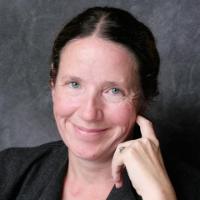
Susan Parker is an Associate Professor in the Department of Accounting at Santa Clara University's Leavey School of Business. She holds the title of KPMG Accounting Research Fellow. Her research focuses on auditing, including audit fees, corporate governance mechanisms, and compliance with regulatory frameworks like Sarbanes-Oxley. Dr. Parker earned her doctorate in Accounting from the University of Oregon in 1997. Her teaching emphasizes auditing practices and their real-world applications. Her research has been published in journals such as Auditing: A Journal of Practice and Theory and Contemporary Accounting Research . Dr. Parker's work explores topics such as the impact of audit committees on financial reporting and the cost implications of regulatory compliance. She is also interested in educational methodologies, particularly the effectiveness of accelerated accounting programs on CPA exam performance. Contact information includes her office location at Lucas Hall, 216 M, and a phone number: 408-554-4899. No email address is explicitly provided, though a contact form is available.
P. (Saday) Sadayappan is a Professor in the School of Computing at the University of Utah. He serves as a lead researcher in high-performance computing, with a focus on compiler optimization and algorithm-architecture co-design. His current projects include NIH SBIR Phase 2 funding for large-scale image analysis and NSF grants for tensor applications and cyber-infrastructure for AI. Research Interests : Compiler Optimization for High Performance Computing Optimization of Sparse/Dense Matrix/Tensor Computations Scalable Machine Learning Algorithm-Architecture Co-Design Optimization Research Trends in Publications : His work emphasizes optimizing computational workflows for emerging hardware architectures, with a focus on accelerating machine learning and scientific computing through compiler-level innovations. Recent trends include co-design for CNNs, sparse matrix optimizations, and distributed algorithms. Scientific Awards : ACM SIGPLAN Most Influential PLDI Paper Award (2018) Grants & Projects : NSF (2022–2027): Comprehensive Framework for Tensor Applications NSF AI Institute ICICLE (2021–2026): Cyber-infrastructure for environmental AI NIH SBIR (2023–2025): Next-gen machine learning for image analysis Labs & Teams : Collaborates with institutions like Ohio State University and RNET Technologies on projects involving parallel computing, sparse algorithms, and compiler design.
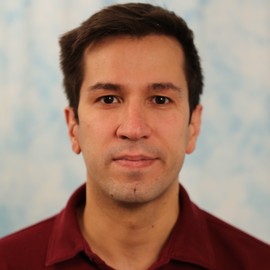
Ruben Martins is an Assistant Professor at Carnegie Mellon University's School of Computer Science and serves as the program director of the Master of Science in Computer Science (MSCS) . His research focuses on the intersection of constraint programming, program synthesis, analysis, and verification, with recent work aiming to make formal methods tools more accessible through automated reasoning. Ruben earned his Ph.D. with honors from the Technical University of Lisbon, Portugal (2013) , followed by postdoctoral research at the University of Oxford (2014-2015) and UT Austin (2015-2017) . Research Interests : Ruben's work bridges constraint programming and program synthesis , with applications in software verification , optimization , and automated reasoning . He has developed award-winning tools like Open-WBO , a modular MaxSAT solver that has won gold medals in international competitions. His publications span top-tier venues such as POPL , PLDI , FSE , SAT , and CP , often addressing real-world challenges from program analysis to network security. Scientific Awards include: Distinguished Paper Award at PLDI 2018 Distinguished Paper Award at FSE 2021 Distinguished Paper Award at SAT 2022 Gold medals for Open-WBO in MaxSAT competitions Teaching & Advising : Ruben mentors Ph.D., Master’s, and undergraduate students in research projects related to program synthesis, formal methods, and constraint solving. He teaches courses such as Bug Catching: Automated Program Verification and Advanced Topics in Logic: Automated Reasoning and Satisfiability , emphasizing hands-on experience with tools like Why3. His advising spans topics from AI-driven program repair to network protocol verification , fostering collaboration across disciplines.
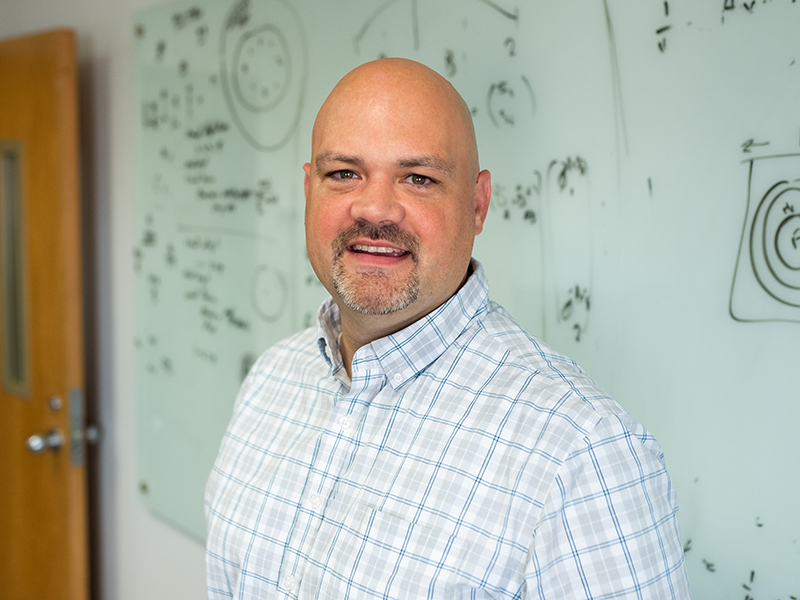
Erik Luijten is the Associate Dean for Research and Doctoral Education at the McCormick School of Engineering, Northwestern University, where he also holds a Professorship in Materials Science and Engineering (with courtesy appointments in Engineering Sciences and Applied Mathematics, Physics and Astronomy, and Chemistry). His leadership includes overseeing research administration, doctoral programs, and global initiatives. He previously chaired the Department of Materials Science and Engineering. Educated at Utrecht University (M.Sc. Physics) and Delft University of Technology (Ph.D. Physics), Luijten specializes in computational materials science , focusing on soft matter systems like complex fluids, colloids, and active matter. His research combines advanced simulations (e.g., Monte Carlo methods) with theoretical frameworks to study self-assembly, electrokinetic phenomena, and dielectric effects. Notable contributions include accelerating simulation techniques for systems with long-range interactions and designing programmable materials. His work emphasizes practical applications , such as drug delivery via nanoparticle self-assembly, sustainable catalytic processes for plastic recycling, and dynamic hydrogel networks. Recent publications highlight innovations in active matter dynamics, nanoparticle crystal growth, and mesoporous catalytic architectures. Luijten’s awards include the NSF CAREER Award (2004) and Fellowship of the American Physical Society (2013) . He leads the Computational Soft Matter Lab , fostering interdisciplinary collaborations across engineering, physics, and chemistry. His academic service roles include the Racheff Assistant Professorship (2001–2003).
Kevin Clarno is a tenured Associate Professor in the Department of Nuclear and Radiation Engineering at the University of Texas at Austin, holding the Charlotte Maer Patton Centennial Fellowship in Engineering. His research focuses on computational nuclear energy, multiphysics reactor simulation, and high-performance computing (HPC). Previously, he spent 15 years at Oak Ridge National Laboratory (ORNL), where he led major initiatives such as the Consortium for Advanced Simulation of Light Water Reactors (CASL) and contributed to the development of software tools like SCALE, CTF, and VERA. Education and Career: Assistant Professor at University of Tennessee-Knoxville (2010–2016) Senior Research Scientist at ORNL (2006–2021) Research Interests: Multiphysics coupling methods for reactor simulation Multiscale neutronics and thermal-hydraulics modeling Advanced reactor design (e.g., molten salt reactors) HPC-driven software integration for nuclear analysis Uncertainty quantification in coupled simulations Grants and Projects: Lead of CASL’s Physics Integration Focus Area Development of the Advanced Multi-Physics (AMP) fuel code ORNL-led strategic research projects in reactor simulation Labs and Tools: VERA: Virtual Environment for Reactor Applications CTF: Thermal-hydraulic solver for PWR analysis MPACT: Neutronics simulation tool within SCALE
Dr. Alexandra Fedorova is a Professor in the Department of Electrical and Computer Engineering at the University of British Columbia (UBC), with an Associate Member role in the Computer Science department. She leads the Systopia systems research group, focusing on system software design, memory/storage management, and accelerator-centric computing. Her work emphasizes performance optimization, energy efficiency, and hardware-software co-design. She holds a PhD from Harvard University (2006), where she researched operating system scheduling under Margo Seltzer. Prior to UBC, she was an Associate Professor at Simon Fraser University (2006–2015). Fedorova is a recipient of the Alfred P. Sloan Research Fellowship and the Anita Borg Early Career Award. She consults for MongoDB's storage engine team and collaborates with industry on storage and performance challenges. Her research spans tools like Non-sequitur for program trace visualization, studies on storage-class memory (e.g., Optane), and frameworks for GPU acceleration. Recent efforts include Sunstone (spatial accelerator scheduling) and ExtMem (application-aware memory management). Her work bridges low-level systems with high-performance computing needs. Key contributions include optimizing NUMA systems, improving storage engine performance, and exploring processing-in-memory architectures. Fedorova’s projects often involve open-source collaboration, reflected in her GitHub repositories such as vividperf and perf-logging , which support performance analysis tools.
Kurt Keutzer is a Professor in the Department of Electrical Engineering and Computer Science at the University of California, Berkeley, and a key member of the Berkeley AI Research Lab (BAIR). He holds a Ph.D. in Computer Science from Indiana University (1984) and was previously Chief Technical Officer at Synopsys, Inc. His research focuses on systems issues in deep learning, particularly for computer vision, speech recognition, NLP, and finance. He has published over 250 refereed articles and six books, and is a highly cited author in hardware and design automation. Keutzer has received multiple IEEE Fellowships, DAC awards, and best paper accolades at conferences like Embedded Vision Workshop and ICPP. Educations: 1984, PhD, Computer Science, Indiana University Kurt Keutzer's research interests span Artificial Intelligence , Computer Architecture , and Scientific Computing , with a focus on computational efficiency in AI systems. His work explores hardware-aware neural architecture search, domain adaptation, and quantization techniques to optimize models from edge to cloud. Recent publications highlight advancements in vision transformers , LLM inference efficiency , and autonomous driving . He also contributes to multimodal AI and self-supervised learning frameworks. Scientific Awards: Institute of Electrical & Electronics Engineers (IEEE) Fellow (1996) DAC's Most Influential Paper Award (2023) Top Ten Cited Author and Paper at DAC Best Paper Awards at Embedded Vision Workshop and ICPP Kurt Keutzer has advised numerous Ph.D. and Master’s students, including Forrest Iandola (co-founder of DeepScale), Sheng Shen, and Michael Murphy. His research teams have pioneered hardware-efficient deep learning solutions like SqueezeNet and FireCaffe. Current projects include optimizing large language models (LLMs) for edge deployment and advancing 3D reconstruction for autonomous vehicles. He is also involved in diffusion models , sparse attention mechanisms , and multi-agent coordination for complex tasks.
Gary Grewal is an Associate Professor at the School of Computer Science , University of Guelph. His research focuses on developing intelligent Computer-Aided Design (CAD) tools for Field Programmable Gate Arrays (FPGAs) , integrating classical optimization techniques with machine learning and deep learning to address challenges in placement and routing for heterogeneous devices. He has received the Michal Servit Award (2017, 2018) for outstanding FPGA research and the University of Guelph Faculty Association Distinguished Professor Award for Excellence in Teaching (2017) . Grewal has held NSERC Discovery Grants annually from 1999 to 2023. Co-founder of the Guelph FPGA CAD Group Key collaborator with institutions like Ryerson University , University of Toronto , and University of British Columbia His work extends to health technology through the IronTracker mobile app , developed with Andrew Hamilton-Wright and students (A. D'Angelo, J. Carter, F. Liu, R. Pattison) to manage Hereditary Hemochromatosis (HHC) . The app, available in four languages and adopted in 100+ countries, was recognized at Parliament Hill and the Ontario Legislature. Scientific Awards : Michal Servit Award (2018) Michal Servit Award (2017) Distinguished Professor Award for Teaching (2017) NSERC Discovery Grants (1999-2023) His recent publications highlight trends in machine learning for FPGA CAD , including reinforcement learning for partitioning, deep learning for congestion estimation, and adaptive algorithms for placement. Grewal remains active in teaching courses like Discrete Optimization (CIS*6070) and Digital Systems I (CIS*3120).
Nathan Pettit is a Professor of Management and Organizations and Vice Dean for MBA and Graduate Programs at the Leonard N. Stern School of Business, New York University. He is also the George and Edythe Heyman Faculty Fellow and has been at Stern since 2011. He teaches leadership courses in the full-time MBA, NYC Executive MBA, and DC Executive MBA programs. His academic credentials include: Ph.D. in Management, Cornell University, 2011 M.A. in Social-Organizational Psychology, Columbia University, 2006 M.P.S. in Statistics, Cornell University, 2003 B.S. in Statistics, Cornell University, 2002 Nathan's research focuses on social hierarchy, underdogs and favorites, and cross-cultural issues in organizations. He investigates how status influences perception, motivation, and behavior in competitive and organizational settings. His work bridges management, psychology, and behavioral science, often exploring the cognitive and emotional dynamics of power and competition. The 15 most recent articles reflect a consistent focus on hierarchical dynamics, status perception, and competitive mindsets. They span disciplines including organizational behavior, psychology, and general science, with publications in top journals such as Academy of Management Journal , Organization Science , PNAS , and Psychological Science . The research reveals how high-status individuals perceive the world more positively, how underdogs and favorites adopt different motivational strategies, and how these dynamics shape organizational and societal outcomes. His scientific awards include: Named one of Poets & Quants '40 most outstanding MBA professors under 40' Stern’s Distinguished Teaching Award 'Professor of the Year' by MBA students (twice) 'Great Professor' by EMBA graduates (four times) Nathan actively contributes to academic leadership and student development. He serves on the editorial boards of Academy of Management Discoveries and Organizational Behavior and Human Decision Processes . He is the founding director of the NYU Stern Leadership Accelerator, pioneering experiential learning through live case models. He also mentors students as the faculty representative for the Stern Chats podcast. While specific advisees are not listed, his role as a PhD-trained professor and program leader implies significant advising and mentorship responsibilities. He has likely secured research grants supporting his work on status and competition, though specific grants are not detailed in the text. He is central to the Leadership Accelerator initiative, which integrates faculty, students, and coaches to develop leadership skills through real-world challenges. This team-based approach emphasizes experiential learning and behavioral development, positioning Stern at the forefront of innovative business education.
Mateo Valero Cortés is a renowned Professor of Computer Architecture at the Polytechnic University of Catalonia and Director of the Barcelona Supercomputing Center (BSC). He has held academic and leadership roles since 1974, advancing high-performance computing (HPC) and computer architecture research. His work includes pioneering contributions to vector architectures, multithreading, and instruction-level parallelism. Education includes a Telecommunications Engineering degree from the Polytechnic University of Madrid (1974) and a PhD in Telecommunications Engineering from the Polytechnic University of Catalonia (1980). His research spans over 700 publications, focusing on HPC systems, parallel computing, and supercomputing infrastructure. Key research interests include vector processing, super-scalar processors, and task-based programming models. Recent work emphasizes scalable architectures for exascale computing and energy-efficient hardware-software co-design. Notable achievements include the Eckert-Mauchly Prize (highest in computer architecture), Seymour Cray Award, and Charles Babbage Prize. He has led initiatives like the Spanish Supercomputing Network (RES) and PRACE (European HPC partnership). Academic affiliations include the Royal Academy of Engineering of Spain, ACM Fellow, and IEEE Fellow. He has received 13 honorary doctorates and awards such as Mexico’s Order of the Aztec Eagle. Current projects include the Mont-Blanc HPC prototype and ERC-funded research on multi-core chip design. His BSC oversees over 300 researchers and manages MareNostrum supercomputers.
Emre Salman is a Professor in the Department of Electrical and Computer Engineering at Stony Brook University (SUNY), where he directs the Nanoscale Circuits and Systems (NanoCAS) Lab. His research focuses on nanoscale IC design, energy-efficient computing, and biomedical electronics, with notable contributions to 3D integrated circuits and wireless energy harvesting for IoT and healthcare applications. Education : PhD in Electrical Engineering, University of Rochester (2009) MSc in Electrical and Computer Engineering, University of Rochester (2006) BSc in Microelectronics Engineering, Sabanci University, Turkey (2004) Research Interests : Salman’s work spans energy-efficient integrated circuits, secure IoT systems, and implantable medical devices. He pioneers techniques like charge-recycling logic and thermal-aware design for post-Moore computing. His group develops monolithic 3D ICs to address power/thermal challenges in AI accelerators and biomedical implants. Articles Trends : Recent publications highlight advancements in triboelectric energy harvesters for knee implants, thermal covert channel mitigation in 3D processors, and energy-efficient DNN accelerators. He emphasizes sustainability and security in emerging technologies like ReRAM-based computing and AC circuits for wireless IoT. Awards : 2023-2024 IEEE Distinguished Lecturer 2018 IEEE Region 1 Technological Innovation Award 2013 NSF CAREER Award Advising & Grants : Salman has directed multiple NSF, NIH, and industry-funded projects. He advises students on topics like hardware security and biomedical electronics, with a focus on translating research into commercializable technologies. Labs & Teams : The NanoCAS Lab collaborates with Brookhaven National Lab and industry partners (e.g., AMD, Samsung) to bridge academic research with real-world applications in energy-efficient computing and secure 3D ICs.
Professor Ole-Christoffer Granmo is a distinguished academic at the University of Agder, Norway, where he serves as Professor in the Department of Information and Communication Technology. He is the Founding Director of the Centre for Artificial Intelligence Research (CAIR) at the University of Agder, leading cutting-edge research in artificial intelligence and machine learning. Dr. Granmo obtained his master's degree in 1999 and his PhD in 2004, both from the University of Oslo. His academic journey has been marked by significant contributions to the field of AI, most notably the creation of the Tsetlin machine in 2018, for which he received the AI research paper of the decade award from the Norwegian Artificial Intelligence Consortium (NORA) in 2022. Professor Granmo's research primarily focuses on logical and causal world modeling across multiple modalities including images, sound, and natural language. His work spans logical auto-encoding, convolution, regression, transformer architectures, and reinforcement learning, all with the overarching goal of creating ultra-low-power artificial general intelligence through transparent logical learning and reasoning. His publications reveal a strong emphasis on interpretable AI systems, hardware implementations, and applications across diverse domains including cybersecurity, healthcare, social media analysis, and bioinformatics. AI Research Paper of the Decade (2022) - Norwegian Artificial Intelligence Consortium (NORA) Eight paper awards in machine learning Professor Granmo has coordinated over seven research projects and mentored 55+ master's students and nine PhD students. His leadership extends to co-founding the Norwegian Artificial Intelligence Consortium (NORA) and establishing two companies: Anzyz Technologies AS and Tsense Intelligent Healthcare AS. As an advisor at Literal Labs, he actively bridges academic research with practical industry applications, demonstrating his commitment to translating theoretical innovations into real-world solutions that address complex challenges across multiple sectors.
Andrew Ho is an active academic researcher with publications spanning computer science, electrical engineering, and interdisciplinary applications. His recent work focuses on hybridizable discontinuous Galerkin methods for plasma simulations (2024) and AI/LLM applications in scholarly knowledge organization. 2025: Project Alexandria (LLM for copyright-free knowledge) 2024: Hybridizable DG plasma methods, GPU-accelerated kinetic simulations 2023: Low-resource translation techniques 2022: Multimodal VR interfaces 2003-2006: High-speed serial link transceivers and radiography artifact detection His research interests include: Computer science applications in plasma physics and medical imaging LLM-based scholarly knowledge graphs and literature reviews High-speed communication systems Educational technology implementations Co-authors include Vladimir Stojanovic (Stanford, 2003-2005), Carl W. Werner (2003-2005), and Genia Vogman (GPU plasma simulations, 2024).
P. Murali Doraiswamy, MBBS, FRCP , is Professor of Psychiatry and Professor in Medicine at Duke University School of Medicine, Director of the Neurocognitive Disorders Program, Senior Fellow at the Duke Center for the Study of Aging and Human Development, and holds affiliate faculty appointments with the Duke Center for Applied Genomics & Precision Medicine, the Duke Microbiome Center, and the Duke Initiative for Science & Society. He is a Faculty Network Member of the Duke Institute for Brain Sciences and has advised major agencies including NIH, FDA, WHO, and the World Economic Forum. Research Focus Dr. Doraiswamy leads a multidisciplinary program that integrates advanced neuroimaging, multi-omics, digital therapeutics, and artificial intelligence to understand, predict, and prevent Alzheimer’s disease and related neurodegenerative disorders. His work spans: Development and validation of blood, CSF, imaging, and digital biomarkers for early detection and staging. Clinical trials of novel pharmacological, lifestyle, and digital interventions in mild cognitive impairment (MCI) and Alzheimer’s dementia. Systems-biology approaches combining genomics, metabolomics, lipidomics, and microbiome data to uncover mechanisms of resilience and risk. Policy translation and global mental health initiatives aimed at reducing disparities and improving brain health worldwide. Publications & Impact With more than 400 peer-reviewed publications and continuous federal and industry funding, his research has shaped current diagnostic algorithms and therapeutic pipelines. Recent work (2023-2025) demonstrates accelerated adoption of deep-learning MRI models for amyloid/tau staging, AI-guided companion robots to combat loneliness, and precision nutrition trials leveraging microbiome signatures. Scientific Leadership & Recognition He has chaired the World Economic Forum’s Global Agenda Council on Brain Research and co-chaired innovation advisory councils for large social-impact funds. His findings have been featured by BBC, The New York Times, Scientific American, TIME, NPR, CBS Evening News, Oprah, The Dr Oz Show , and acclaimed documentaries such as (Dis)Honesty: The Truth about Lies and Mysteries of the Brain . Advocacy & Societal Engagement Beyond the laboratory, Dr. Doraiswamy is a leading advocate for increased public and private investment in brain and behavioral research. He serves on multiple charitable boards and co-authored the popular book The Alzheimer’s Action Plan , translating cutting-edge science into practical guidance for patients and families.
Alla Sheffer is a Professor and Associate Head of Faculty Affairs in the Department of Computer Science at the University of British Columbia, Faculty of Science. She is affiliated with multiple research centers including CAIDA (Centre for Artificial Intelligence Decision-making and Action), the Institute of Applied Mathematics, and ICICS (Institute for Computing, Information and Cognitive Systems). B.Sc., Hebrew University, Jerusalem (1991) M.Sc., Hebrew University, Jerusalem (1995) Ph.D., Hebrew University, Jerusalem (1999) Postdoctoral Research Associate, University of Illinois, Urbana-Champaign (1999-2001) Assistant Professor, Technion, Israel (2001-2003) Assistant Professor, University of British Columbia (2003-2008) Associate Professor, University of British Columbia (2008-present) Professor Sheffer's research focuses on geometry processing, addressing algorithmic challenges in digital shape modeling and manipulation. Her work primarily deals with discrete geometry representations, specifically meshes (polygonal model representations), with applications in computer graphics and computer-aided engineering. She utilizes tools from computational and differential geometry, discrete mathematics, and graph theory to generate, manipulate, and edit discrete geometric models. Her research spans virtual and augmented reality, visual computing, and 3D modeling, with significant contributions to sketch-based modeling, mesh processing, and cloth simulation. The 15 most recent publications reveal a consistent research trajectory in geometry processing, with recent work focusing on vector sketch processing, VR drawing tools, and advanced mesh manipulation techniques. Her work demonstrates a strong connection between human perception and computational methods, particularly in the interpretation of freehand sketches and the generation of perceptually-accurate geometric representations. The recurring themes across her publications include flowlines, curve networks, mesh parameterization, and the application of perceptual studies to improve algorithmic outputs. Eurographics Fellow ACM Fellow IEEE Fellow Royal Society of Canada Fellow SIGGRAPH Academy Member UBC Killam Research Prize NSERC Discovery Accelerator Supplement IBM Faculty Award Professor Sheffer has supervised numerous doctoral and master's students, with recent theses focusing on geometric mesh processing, vector sketch interpretation, VR drawing tools, and garment modeling. Her research group maintains strong connections with industry through various partnerships and has received substantial grant funding to support their innovative work in geometry processing and computer graphics. She teaches courses in computer graphics, geometric modeling, and video game programming, contributing significantly to both undergraduate and graduate education in computer science.