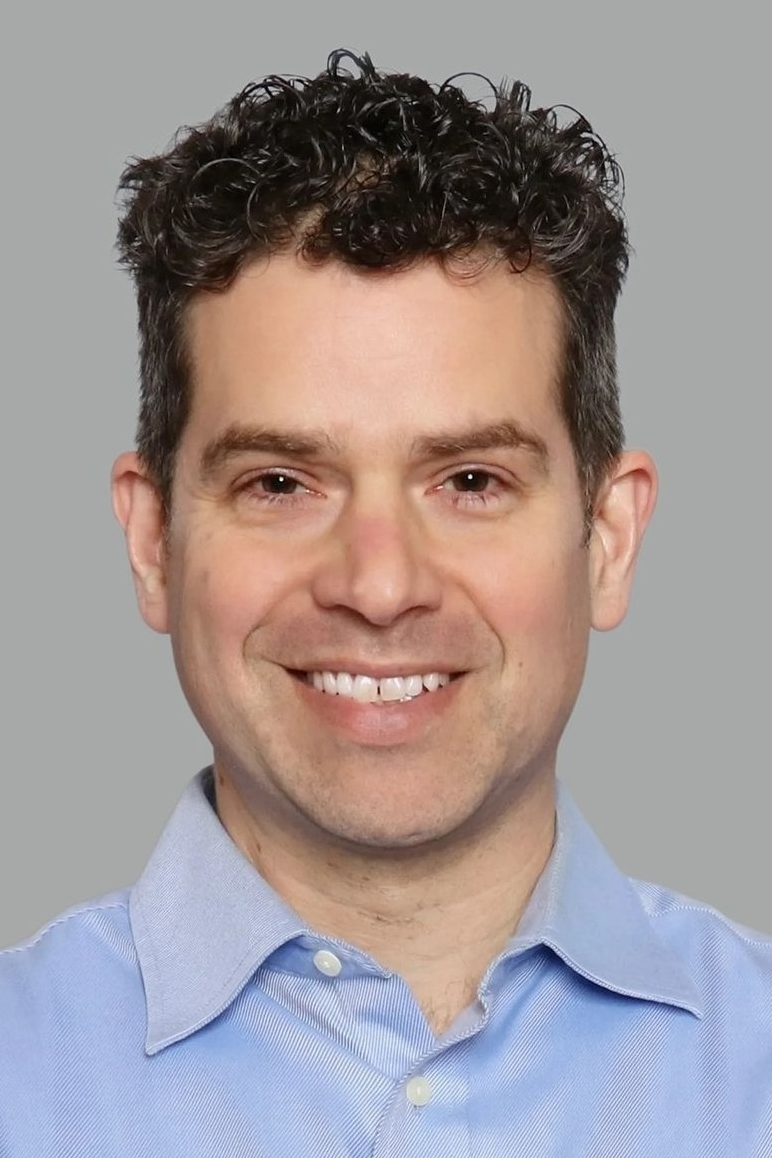
Sriram Subramaniam is a Professor in the Department of Biochemistry and Molecular Biology at the University of British Columbia (UBC) and holds the Gobind Khorana Canada Excellence Research Chair in Precision Cancer Drug Design. His research leverages cryo-electron microscopy (cryo-EM) to advance structural biology and drug design, focusing on protein dynamics and therapeutic target identification. Education: PhD in Physical Chemistry (1987) from Stanford University; MSc in Chemistry (1981) from Indian Institute of Technology, Kanpur. Subramaniam's interdisciplinary work combines cryo-EM with computational tools and molecular biology to study protein structures at atomic resolution. His lab has pioneered cryo-EM applications in precision medicine, including mapping small molecule drugs on patient-specific cancer mutants. Recent publications (2024-2022) highlight his contributions to understanding SARS-CoV-2 immune evasion, structural mechanisms of ATPases, and AI integration in structural biology. His research spans viral entry mechanisms, CRISPR systems, and neurodegenerative disease pathways. Scientific Awards: Gobind Khorana Canada Excellence Research Chair NIH Director’s Award for Scientific Excellence Fellow of the Biophysical Society Breakthrough Prize nomination Based at the Djavad Mowafaghian Center for Brain Health, Subramaniam leads the Program in Cryo-EM Guided Drug Design, contributing to over 177 peer-reviewed publications with a career h-index of 58 and citations exceeding 12,340.
Christoph F. Schmidt is the Hertha Sponer Distinguished Professor of Physics at Duke University with cross-appointments in the Thomas Lord Department of Mechanical Engineering and Materials Science, Biology, and Biomedical Engineering. He serves as Co-Director of the Duke Materials Initiative and leads an active research program at the intersection of physics and biology. His educational background includes a D.R. from the Technical University of Munich (Germany) in 1988. Schmidt has established himself as a leading researcher in biophysics through decades of innovative work. Professor Schmidt's research spans multiple scales of biological organization, from single molecules to whole organisms. His lab investigates cellular mechanics using advanced techniques including optical trapping, atomic force microscopy, and microrheology. A significant innovation from his group involves single-walled carbon nanotubes for high-bandwidth intracellular tracking. Current research focuses on cardiomyocyte mechanics, Drosophila tissue dynamics, and computational analysis of complex biological systems. His work on motor proteins like Eg5 and ncd has provided fundamental insights into cellular division mechanics. His recent publications (2021-2025) demonstrate increasing integration of computational approaches with experimental biophysics, particularly in analyzing cardiac tissue mechanics and Drosophila sensory systems. The work shows progression from fundamental biophysical measurements toward applications in understanding disease mechanisms and biological function. Professor Schmidt teaches several courses including PHYSICS 995 (Graduate Training Internship), PHYSICS 493 (Research Independent Study), PHYSICS 415 (Biophysics II), PHYSICS 174 (Introduction to Frontiers of Biophysics), and BIOLOGY 425 (Biophysics II). He has successfully mentored numerous graduate students to completion, including recent PhD graduates Dr. Mingru Li and Dr. Xiaoxuan Jian. The Schmidt Lab, part of Duke's Physics Department and the Duke Soft Matter Center, maintains state-of-the-art equipment for optical trapping, atomic force microscopy, and advanced light microscopy. The lab participates in the Triangle Soft Matter Workshop, fostering collaborations with researchers from Duke, UNC Chapel Hill, and NC State University. Current research directions include mechanical responses of suspended cells, tracking non-equilibrium cellular fluctuations, nuclear mechanics, and bacterial membrane mechanics under turgor pressure.
David Sivak is a Professor and Canada Research Chair Tier 2 in the Department of Physics at Simon Fraser University (SFU). His research focuses on theoretical and computational biophysics, exploring the physical limits of energy and information transduction in molecular machines. He investigates how biological systems operate efficiently under fluctuating conditions, with emphasis on molecular motors, free-energy transduction, and nonequilibrium thermodynamics. Education: Ph.D. in Biophysics, University of California, Berkeley B.A. in Philosophy, Politics & Economics, University of Oxford A.B. with Honors in Applied Mathematics, Harvard University Research Interests: Sivak's work integrates statistical mechanics, information theory, and molecular biophysics to understand how microscopic systems achieve functional efficiency. Key areas include: Optimal control strategies for nonequilibrium systems Energy-information trade-offs in molecular machines Stochastic thermodynamics of biochemical processes Design principles of ATP synthase and similar rotary motors Publications & Awards: Sivak has authored over 60 peer-reviewed articles, including foundational work on nonequilibrium fluctuation theorems and optimal control in stochastic systems. His awards include the Canada Research Chair and the Young Investigator Award from the Biophysical Society of Canada. Grants & Collaborations: He leads projects funded by the Simons Foundation and collaborates with experimental groups globally. His lab actively mentors graduate students and postdocs, emphasizing interdisciplinary approaches to biophysical problems. Labs & Teams: The Sivak Group at SFU develops theoretical models and numerical simulations to analyze molecular-scale processes. Current projects explore information engines, microbiome dynamics, and the thermodynamics of cellular processes.
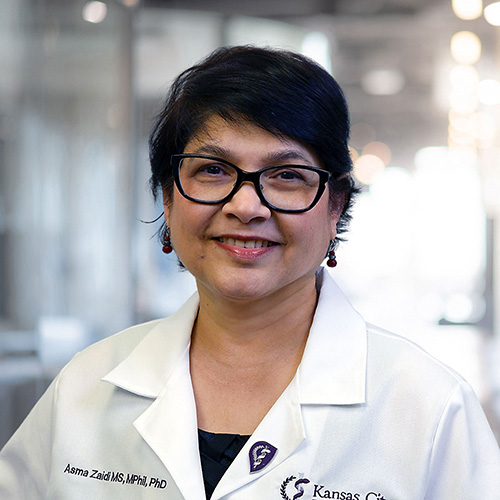
Dr. Asma Zaidi is a Professor of Biochemistry at Kansas City University specializing in Parkinson's disease research. Her work investigates the role of plasma membrane Ca2+-ATPase (PMCA) in dopaminergic neuron degeneration. Using human postmortem tissue, cell cultures, and mouse models, her research demonstrates how aging and neurotoxins reduce PMCA function in the substantia nigra, leading to selective neuronal death in Parkinson's. Her findings identify potential therapeutic targets for neuroprotection.
Dr. Jacques Archambault is a Professor in the Department of Microbiology and Immunology at McGill University , and an associate member of the Division of Experimental Medicine since 2016. His research focuses on the molecular biology and pathogenesis of human papillomaviruses (HPVs) and polyomaviruses (HPyVs), with an emphasis on their replication mechanisms as episomes in host cells. The Archambault laboratory employs functional genomics, proteomics, and chemical biology approaches to identify cellular pathways exploited by these viruses and develop high-throughput assays for screening small molecule inhibitors of viral replication. Analysis of his recent publications reveals a strong focus on HPV and HPyV replication machinery, including studies on the E1 helicase, UAF1-USP1 interactions, and structural characterization of viral proteins involved in DNA replication. His work bridges virology, oncology, and drug discovery, particularly targeting oncogenic HPV types implicated in anogenital and oropharyngeal cancers, as well as HPyVs like BKPyV and JCPyV that cause pathologies in immunosuppressed patients. Current efforts in the lab aim to elucidate the molecular mechanisms by which HPVs and HPyVs replicate their genomes and to develop antiviral therapies targeting these processes. Techniques such as fluorescence anisotropy, NMR spectroscopy, and crystallography are frequently employed to study protein-DNA and protein-protein interactions critical to viral replication.
James Shorter is a Professor of Biochemistry and Biophysics at the Perelman School of Medicine, University of Pennsylvania. He is affiliated with multiple prestigious institutes, including the Institute on Aging (IOA), the Institute for Translational Medicine and Therapeutics (ITMAT), the Penn Center for AIDS Research (CFAR), the Chemistry-Biology Interface (CBI), and the Penn Institute for RNA Innovation. He mentors several training programs such as the Penn Summer Undergraduate Internship Program (SUIP), PennPREP, and the Translational Research Immersion Program (TRIP), and serves as a Primary Trainer at the Center for Neurodegenerative Research (CNDR). Ph.D. in Cell Biology, University of London, 2000 M.A. in Biology, University of Oxford, 1995 Dr. Shorter’s research focuses on protein homeostasis, particularly the mechanisms of protein disaggregation and the role of prion-like domains in neurodegenerative diseases such as ALS, Alzheimer’s, Parkinson’s, and frontotemporal lobar degeneration. His lab investigates the Hsp104 disaggregase from yeast and has engineered variants to combat human proteinopathies. They also identified the mammalian disaggregase system (Hsp110/Hsp70/Hsp40) and explore how small molecules and nuclear import receptors can reverse pathological phase transitions of RNA-binding proteins like TDP-43 and FUS. His work bridges structural biology, genetics, and translational neuroscience. His recent publications highlight trends in targeting TDP-43 and FUS proteinopathies, engineering Hsp104 for selective detoxification, understanding mitochondrial disaggregases like Skd3, and modulating phase transitions with nuclear import receptors. His research spans from fundamental mechanisms of protein folding to therapeutic development for neurodegenerative diseases. Faculty Member, Institute on Aging (IOA) Faculty Member, Institute for Translational Medicine and Therapeutics (ITMAT) Mentor, Penn Summer Undergraduate Internship Program (SUIP) Primary Trainer, Center for Neurodegenerative Research (CNDR) Faculty Member, Penn Center for AIDS Research (CFAR) Member, Penn Institute for RNA Innovation Mentor, Translational Research Immersion Program (TRIP) Dr. Shorter advises numerous graduate students and postdoctoral researchers through the Biochemistry and Molecular Biophysics, Pharmacology, Neuroscience, and Cell and Molecular Biology graduate groups. His lab receives funding from NIH and other sources to support research on protein disaggregation, phase separation, and neurodegenerative disease mechanisms. He has trained many scientists now active in academia and biotech. His lab, located in Stellar-Chance Laboratories, operates at the intersection of biochemistry, cell biology, and translational medicine, with active projects on Hsp104 engineering, mitochondrial proteostasis, and the role of RNA-binding proteins in disease. The lab collaborates widely across Penn and with international partners to advance understanding and treatment of protein misfolding disorders.
Dr.-Ing. Steffen Klamt leads the Research Group 'Analysis and Redesign of Biological Networks' at the Max Planck Institute for Dynamics of Complex Technical Systems in Magdeburg, Germany, where he has been employed since 1998. He received his Diplom-Systemwissenschaftler degree from the University of Osnabrück in 1998 and his Dr.-Ing. from the University of Stuttgart in 2005. His research focuses on computational systems biology with emphasis on metabolic engineering, biochemical networks analysis, and bioprocess optimization. He develops computational tools like CellNetAnalyzer for network analysis and StrainDesign for metabolic engineering applications. Key research areas include constraint-based modeling, minimal cut sets analysis, and dynamic optimization of metabolic processes. His recent publications demonstrate strong focus on multi-stage bioprocess optimization, enzyme cascade engineering, and novel strain development strategies for chemical production. Common themes include ATP manipulation strategies, thermodynamic constraints in metabolism, and integration of experimental data with computational models. Scientific Awards: Ernst Dieter Gilles Lecture Award Ernst Dieter Gilles Fellowship He leads a research group developing computational methods for metabolic network analysis and maintains collaborations with experimental groups for model validation and application. The group develops open-source software tools widely used in systems biology research.
Jesper Lund Pedersen is an Associate Professor at the Department of Mathematical Sciences , University of Copenhagen , specializing in applied probability theory with applications in financial mathematics and insurance mathematics . His research spans stochastic processes, optimal stopping time problems, and stochastic control. Education : PhD in Mathematics (2000, Aarhus University) His work addresses: (Nonlinear) optimal stopping time problems Stochastic control and filtering Multidimensional point processes Levy processes in finance Key publications reveal expertise in Bayesian changepoint detection , random drift identification , and mean-variance portfolio optimization , with interdisciplinary applications in neuroscience (V-ATPase dynamics) and epidemiology. Scientific awards : Villum Experiment Grant (2018-2020) Steno Research Fellowship (2002-2005) His research collaborations span Denmark, the UK, Germany, and the USA, focusing on probability theory, financial mathematics, and biomedical applications.
John Diffley is a Principal Group Leader and Associate Research Director at The Francis Crick Institute in London, UK, where he leads research on DNA replication mechanisms. His work focuses on understanding how cells precisely duplicate their DNA during cell division and how errors in this process contribute to cancer development. Diffley obtained his PhD from New York University in 1985 and completed postdoctoral training with Bruce Stillman at Cold Spring Harbor Laboratory until 1990. He established his research group at the Clare Hall Laboratories (originally Imperial Cancer Research Fund, then Cancer Research UK) before moving to The Francis Crick Institute in 2015. His research spans DNA replication initiation, cell cycle control, replication fork checkpoints, and epigenetic inheritance. Diffley's lab has pioneered methods to reconstitute chromatin replication using purified proteins, providing unprecedented insights into chromosome biology. His team combines genetics, cell biology, and biochemistry to study the molecular 'machines' that copy DNA in yeast and human cells. Analysis of Diffley's recent publications reveals a strong focus on structural mechanisms of DNA replication, particularly using cryo-EM to visualize replication machinery. His work examines helicase loading and activation, replication fork stability under stress, and the connection between replication errors and cancer development. The research spans model organisms to human cells, with increasing emphasis on structural approaches in recent years. FRS (Fellow of the Royal Society) FMedSci (Fellow of the Academy of Medical Sciences) Diffley actively mentors a diverse team of postdoctoral researchers and PhD students, investigating various aspects of DNA replication. His lab has received substantial funding to support their work on replication mechanisms, with projects spanning basic biochemical reconstitution to studies of replication errors in cancer contexts. The lab maintains multiple technical platforms including structural biology, biochemistry, and cell biology approaches. His research group operates within The Francis Crick Institute's collaborative environment, utilizing shared facilities for structural biology, microscopy, and genomics to advance understanding of DNA replication mechanisms and their implications for genome stability and disease.
Dr. Philippe Campeau is an Associate Clinical Professor in the Department of Pediatrics at the Faculty of Medicine, Université de Montréal. He is affiliated with CHU Sainte-Justine, a major pediatric hospital in Montreal, Quebec, where he works in the Medical Genetics Service. His clinical and research work focuses on genetic disorders affecting children, particularly in the areas of skeletal development and neurogenetics. Dr. Campeau obtained his Doctorate in Medicine from Laval University in Quebec (1998-2003) followed by specialty training in medical genetics at McGill University (2003-2008). He completed postdoctoral training at Baylor College of Medicine (2008-2013), which further developed his expertise in genetic research methodologies. His primary research interests include bone dysplasias , skeletal dysplasias , epilepsy , and epigenetic diseases . Dr. Campeau's laboratory identifies disease-causing genes, deciphers disease pathophysiology, and works to improve the management of children affected by these conditions. His work encompasses exome analysis , functional studies with cell lines and mouse models , and investigations into urea cycle abnormalities . He has made significant contributions to understanding genetic causes of conditions such as Genitopatellar syndrome (KAT6B), osteopetrosis, dysosteosclerosis (SLC29A3), osteogenesis imperfecta, early-onset osteoporosis (WNT1), Yunis-Varón syndrome (FIG4), and DOORS syndrome (TBC1D24). Dr. Campeau's publication record demonstrates a strong trajectory in medical genetics research, with numerous high-impact publications spanning from fundamental genetic discovery to translational research. His work spans skeletal disorders, neurodevelopmental conditions, and epigenetic mechanisms. Recent publications indicate an expanding focus on chromatin modifiers, DNA methylation patterns, and spliceosome function in neurodevelopmental conditions, reflecting the evolution of his research interests toward more complex molecular mechanisms. Dr. Campeau has received several research grants in recent years (6 starting in 2014) from organizations including the Fonds de la recherche en santé du Québec, Canadian Institutes of Health Research, and Fondation Grand Défi Pierre Lavoie. While specific students are not mentioned in the available information, as a clinical professor, he mentors medical students, residents, and research trainees in the Department of Pediatrics. His research is conducted as part of the 'Musculoskeletal Diseases and Rehabilitation' axis at CHU Sainte-Justine Research Center, where he collaborates with international research teams to identify disease-causing genes and develop better management strategies for children with genetic disorders.
Michael Vershinin is an Assistant Professor of Physics and Astronomy at the University of Utah, specializing in molecular motors and biophysics. He is also affiliated with the Biological Chemistry Program and leads a lab focused on understanding how molecular motors like kinesin and dynein drive intracellular transport and viral assembly. He earned his B.S. from Cooper Union College and Ph.D. from the University of Illinois, Urbana-Champaign. His research interests include: Molecular motor function and regulation Single-molecule biophysics Microtubule-based transport Viral particle assembly (especially SARS-CoV-2 and HIV) Optical trapping and fluorescence microscopy His lab uses in vitro reconstitution and optical trapping to dissect the biophysical properties of motor proteins and their regulation. He collaborates across disciplines, integrating biochemistry, molecular biology, physics, and computational modeling to explore how complex biological behaviors emerge from simpler components. His publications span a wide range of topics, from the structural stability of SARS-CoV-2 virus-like particles to the mechanical behavior of kinesin and dynein motors. A recurring theme is the use of quantitative biophysical tools to understand how motor proteins navigate complex cytoskeletal environments and how viruses hijack these systems for transport. He currently advises no listed students in the provided text and has not received any explicitly listed awards. His lab is located at the University of Utah and can be reached at vershinin@physics.utah.edu .
Dr. Charlotte Kuperwasser is a distinguished Professor in the Department of Developmental, Molecular, and Chemical Biology at Tufts University School of Medicine . She directs the Tufts Convergence Laboratory and focuses on molecular mechanisms governing breast tissue development, cancer prevention, and organoid technologies. Her work integrates stem cell biology, epigenetics, and environmental influences such as endocrine disruptors. Education: Bachelor of Science (1997), University of Massachusetts Amherst PhD (2000), University of Massachusetts Amherst Jane Coffin Childs Postdoctoral Fellow (MIT/Whitehead Institute) Research Interests: Her lab develops 3D breast organoid models to study cancer initiation, microenvironmental interactions, and BRCA1-related mechanisms. Recent efforts include analyzing HPV-driven cancers via circulating tumor DNA and studying fibroblast signaling (e.g., DDR1) in tumor progression. Grants & Awards: Howard Hughes Fellowship, Merck Fellowship COG/Aventis Young Investigator Award Natalie V. Zucker Award NIH grants on V-ATPases and obesity-cancer links Professional Contributions: She chairs Tufts’ Sackler Convergence Laboratory and serves on AACR committees. Teaching includes courses on Molecular Cell Biology of Development and Cancer Genetics . Labs/Teams: Leads the Kuperwasser Lab, focusing on translational cancer research with cross-disciplinary collaborations in organoid engineering and clinical diagnostics.
Pia Vogel is a Professor in the Department of Biological Sciences at Southern Methodist University (SMU), where she leads research on nucleotide-binding proteins using Electron Spin Resonance spectroscopy and molecular modeling. Her work focuses on elucidating structural mechanisms in ATP synthase, multidrug resistance transporters, and calcium channels with biomedical applications in cancer therapy and neurodegenerative diseases. Education: Ph.D., University of Kaiserlautern Dr. Vogel's research program investigates three interconnected domains: the rotary mechanics of FoF1-ATP synthase (particularly the external stalk subunit b-dimer), the structural basis of multidrug resistance in P-glycoprotein and MRPs, and ATP-regulated calcium release via ryanodine receptors. Her laboratory employs site-specific spin labeling, ESR spectroscopy, and computational modeling to resolve protein dynamics and interactions at molecular resolution, contributing to understanding energy transduction in ATP synthase and mechanisms of drug resistance. Analysis of her 15 most recent publications (2020-2025) reveals a dominant focus on developing and characterizing P-glycoprotein and BCRP inhibitors to overcome chemotherapy resistance in cancer. These studies integrate computational screening, ATPase assays, and cell-based models to evaluate inhibitor efficacy, with emerging applications in Alzheimer's research through amyloid-β transport studies. The work demonstrates consistent methodological synergy between biophysical characterization and therapeutic development. Dr. Vogel maintains an active research group supported by sustained funding, evidenced by continuous publication output and laboratory infrastructure. Her team employs multidisciplinary approaches spanning biophysics, biochemistry, and computational biology to address fundamental questions in membrane protein function. Her laboratory facilities in DLSB 221 include specialized Electron Spin Resonance instrumentation and dual Linux computing clusters for molecular dynamics simulations. The research environment supports collaborative projects extending her work into cancer therapeutics and neurodegenerative disease mechanisms through partnerships with clinical and computational researchers.
Professor Sebastian Hiller is a Full Professor at the Biozentrum of the University of Basel, Switzerland, where he leads a research group focused on structural biology and biophysics. His laboratory specializes in using nuclear magnetic resonance (NMR) spectroscopy to elucidate the structures and functions of proteins and their interactions at the atomic level. His research spans several key areas including molecular chaperones and protein folding mechanisms, outer membrane protein biogenesis in bacteria, and kinase signaling pathways. Notably, his group has made significant contributions to understanding how chaperones like trigger factor function, the mechanisms of outer membrane protein assembly through the Bam complex, and dynamic kinase interactions. Their work has direct implications for neurodegenerative diseases and antibiotic development. The Hiller lab's recent publications demonstrate a strong focus on NMR methodology development, protein folding dynamics, and structural mechanisms of antibiotic action. Their research on darobactin's mechanism of action against Gram-negative bacteria represents a significant advance in antibiotic discovery. The group frequently publishes in high-impact journals including Nature, Science, and Nature Communications. ICMRBS Founder's Medal (2018) EMBO Young Investigator (2014) ERC starting grant (2011) SNSF professorship (2010) SNSF scholarship for young researchers (2008) Professor Hiller supervises numerous PhD students and postdoctoral researchers, with many alumni having secured prestigious positions in academia and industry. His laboratory maintains strong collaborations across multiple institutions and has received significant funding through ERC grants and other competitive mechanisms. The Hiller group also operates advanced NMR facilities that serve the broader research community at the University of Basel.
George Stan is a Professor of Chemistry at the University of Cincinnati's College of Arts and Sciences. He specializes in computational biophysical chemistry, focusing on protein folding, degradation, and the mechanisms of biological nanomachines like Clp ATPases and chaperonins. Stan received his B.Sc. (1994) from the University of Bucharest and his Ph.D. (1999) from Pennsylvania State University. His postdoctoral work at the University of Maryland and NIH explored protein folding assisted by chaperonins. Research Interests: Stan's work combines molecular dynamics simulations and bioinformatics to study protein-unfolding pathways, substrate recognition by chaperonins, and the dynamics of AAA+ nanomachines. His recent studies investigate how primary sequence and topology influence protein degradation, with applications to knotted proteins and disease-related misfolding. Key Achievements: Stan has secured over $8 million in NSF grants, including a CAREER award for computational modeling of biological nanomachines. His team develops multiscale models of protein translocation and employs machine learning to study allosteric communication in ClpP peptidases. He has published over 80 peer-reviewed articles and reviews. Notable Grants: NSF-BSF (2021-2025), NIH (2024-2029), and multiple XSEDE allocations Service: Co-chaired the 'Molecular Machines' focus session at APS March Meetings (2022-2024) Teaching: Advanced Computational Chemistry, Physical Chemistry, and Big Data in Chemistry Labs/Teams: Leads the Computational Biophysics group at UC, collaborating with Ruxandra Dima and Pietro Strobbia on interdisciplinary projects. Mentors over 20 graduate and undergraduate students since 2006.