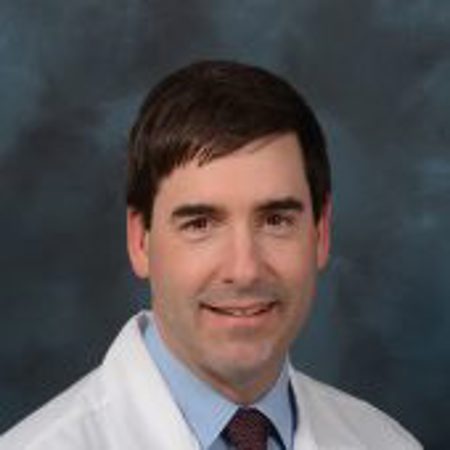
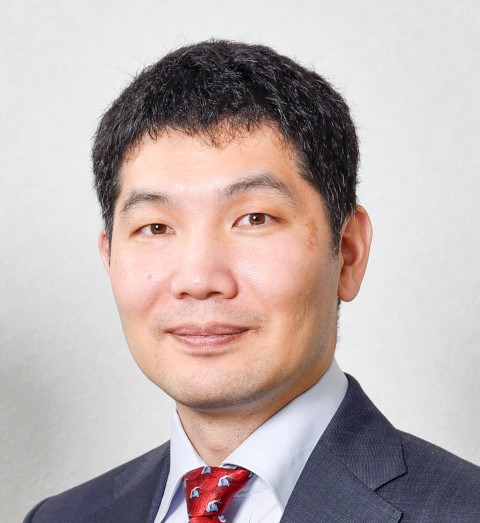
Dr. András Komáromy is an Associate Professor in the Department of Small Animal Clinical Sciences at Michigan State University's College of Veterinary Medicine. He also holds adjunct associate professor positions at the University of Pennsylvania and University of Florida. Specializing in comparative ophthalmology, his research focuses on inherited retinal diseases and glaucoma, with particular emphasis on gene therapy development for vision restoration. Dr. Komáromy earned his Doctor of Veterinary Medicine from the University of Zurich (1996) and PhD in Comparative Ophthalmology from the University of Florida (2002). He completed postdoctoral training at the University of Pennsylvania and is board-certified by both the American and European Colleges of Veterinary Ophthalmologists. His research program combines inherited retinal disease studies , gene therapy development , and translational glaucoma research , working with canine models that mirror human ocular pathologies. Current projects include ADAMTS10 mutation analysis , retinoid receptor agonist testing , and AAV vector engineering for improved ocular gene delivery. Scientific Recognition : ARVO Gold Fellow (2025) Shaffer Prize (2015) Fulbright Scholar for Glaucoma Research Recent grant funding includes: NIH-supported glaucoma gene therapy development Macquarie University NHMRC collaboration on 'Modified Serpin Therapeutics' Foundation Fighting Blindness grants for Stargardt disease modeling AbbVie pharmaceutical research partnerships The Komáromy Laboratory team includes research assistants and collaborators from Temple University , University of Florida , and Cornell University . Their work has established ground-breaking gene therapy treatments for achromatopsia that are now being adapted for human clinical trials.
Linda Watkins is a distinguished Professor in the Department of Psychology and Neuroscience at the University of Colorado Boulder. With an extensive publication record spanning neuroimmunology and pain research, she has established herself as a leading authority on the interactions between the immune and nervous systems in chronic pain conditions. Her research primarily focuses on neuroimmune signaling mechanisms in pain pathways, with particular emphasis on microglial activation, cytokine networks, and toll-like receptor signaling. Professor Watkins' work has demonstrated how immune mediators contribute to the transition from acute to chronic pain and how opioids can paradoxically amplify pain through neuroimmune mechanisms. Her laboratory investigates both fundamental mechanisms of pain and potential therapeutic interventions targeting neuroimmune pathways. Analysis of her recent publications reveals a consistent focus on translational pain research , with studies examining novel pain assessment methods (like the Two-Arm Rodent Somatosensory task), gene therapy approaches for pain treatment (particularly interleukin-10), and the impact of lifestyle factors like exercise on neuropathic pain development. Her work frequently incorporates sex differences in pain responses and examines how aging affects neuroinflammatory processes. Professor Watkins' research program has been highly productive, with over 600 publications and nearly 70,000 citations reflecting the significant impact of her work on the field of pain research. Her contributions have helped establish neuroimmunology as a critical framework for understanding chronic pain conditions. Her laboratory actively investigates multiple therapeutic approaches for neuropathic pain, including gene therapy, exercise interventions, and novel pharmacological targets such as TLR4 antagonists. This multi-pronged approach reflects her commitment to finding effective treatments for pain conditions that remain poorly managed by current therapies. Professor Watkins' work on the neuroimmune basis of pain has opened new avenues for understanding how the body's immune system contributes to chronic pain states and how these mechanisms might be targeted for therapeutic intervention, potentially leading to more effective pain treatments with fewer side effects than current opioid-based approaches.
Hajime Hirase is a Professor at the Center for Translational Neuromedicine within the Faculty of Health and Medical Sciences at the University of Copenhagen. His research focuses on astrocytic signaling and its impact on neural circuit dynamics and behavioral performance. His educational background is not explicitly stated in the provided text, but he leads the Hirase Lab: Division of Neuron-Glia Circuitry, which develops advanced tools for neuroscience research. Dr. Hirase's research interests span multiple areas of neuroscience with a particular emphasis on astrocyte function. His work explores how astrocytes influence neural circuits, cerebral blood flow, and behavioral outcomes. He has made significant contributions to understanding the glymphatic system, neuron-glia interactions, and the role of astrocytes in sleep physiology and emotional regulation. His laboratory has developed numerous genetic tools including fluorescent blood AAVs (pAAV-P3-Alb-mNG, pAAV-P3-Alb-mScarlet) and astrocyte markers/biosensors that are available through Addgene and viral vector cores worldwide. Analysis of his recent publications reveals a strong focus on the intersection of astrocyte biology, neural circuit dynamics, and neurovascular coupling. His work consistently demonstrates how astrocytic signaling mechanisms influence broader brain functions including sleep-wake cycles, anxiety regulation, and seizure control. The research employs cutting-edge imaging techniques and genetic tools to investigate these complex systems. Dr. Hirase maintains active collaborations with prominent researchers including Maiken Nedergaard, as evidenced by multiple co-authored publications in high-impact journals such as Cell, PNAS, and Cell Metabolism. His work has received significant attention in the scientific community with several papers accumulating substantial citations and media coverage. His laboratory has developed important research resources including fluorescent blood AAVs, CRISPR AAVs, and astrocyte biosensors that are widely shared with the neuroscience community through Addgene and viral vector facilities. These tools have enabled researchers worldwide to study neurovascular and astrocyte functions with greater precision.
Dr. Giulia Risca is a researcher in the Department of Medicine and Surgery at the University of Milano-Bicocca, School of Medicine and Surgery. She recently completed her doctoral thesis on Bayesian methods for basket trials in rare diseases under the supervision of Professor Stefania Galimberti. Her research spans multiple domains including clinical trial methodology, hematology/oncology, and proteomics. Dr. Risca's research interests focus on developing innovative clinical trial designs for rare diseases, with particular expertise in Bayesian statistics and basket trial methodology. Her work addresses critical challenges in rare disease research where limited patient populations make traditional trial designs impractical. She has made significant contributions to understanding how information can be borrowed across sub-trials while maintaining appropriate statistical properties. Additionally, she conducts important translational research in CAR-T cell therapy for leukemia and develops diagnostic algorithms for iron metabolism disorders. Analysis of Dr. Risca's publication record reveals a strong focus on methodological innovation in clinical trials combined with impactful clinical applications. Her work demonstrates expertise in bridging statistical theory with practical clinical research needs, particularly in areas with limited patient populations. The publications span multiple disciplines but maintain a cohesive thread of methodological rigor applied to challenging clinical problems. Dr. Risca actively collaborates with clinical researchers across multiple medical specialties, contributing her statistical expertise to studies in hematology, oncology, nephrology, and ophthalmology. Her work on CARCIK-CD19 cell therapy, rare disease trial design, and diagnostic algorithms for iron overload represents significant contributions to their respective fields. She participates in multicenter studies across European institutions, demonstrating her integration into the broader research community. Dr. Risca leads research activities in biostatistics and clinical trial methodology, supervising analytical components of multiple clinical studies. Her work often involves developing and implementing sophisticated statistical approaches to address complex research questions where traditional methods are inadequate, particularly in the context of rare diseases with small sample sizes.
Professor Gyun Min Lee is a faculty member in the Department of Biological Sciences at Korea Advanced Institute of Science and Technology (KAIST), where he leads the Animal Cell Engineering Lab. His research focuses on developing advanced mammalian cell systems for therapeutic protein and viral vector production through innovative engineering approaches. Dr. Lee earned his Ph.D. in Chemical Engineering from the University of Michigan, providing him with a strong foundation at the intersection of engineering principles and biological systems. His technical expertise spans from molecular biology to bioprocess engineering, enabling comprehensive solutions for biopharmaceutical production challenges. Professor Lee's research program centers on animal cell engineering for biopharmaceutical applications. His team utilizes synthetic biology approaches including artificial promoters and transcriptional regulation to develop improved mammalian cell lines. A major focus involves using CRISPR/Cas9 technology and site-specific gene integration to construct cell libraries for discovering novel engineering targets. Additional research areas include cell line development platforms, bioprocess optimization, apoptosis and autophagy studies in production cell lines, proteomic analysis of host cell proteins, and strategies for improving difficult-to-express protein production. Analysis of Professor Lee's recent publication record reveals a strong emphasis on genome editing technologies for cell line improvement, particularly using CRISPR-based screening methods in CHO and HEK293 cells. His work bridges fundamental molecular mechanisms with practical bioprocess applications, demonstrating consistent innovation in enhancing productivity while maintaining product quality in therapeutic protein manufacturing. The research shows increasing sophistication in systems-level approaches to cell engineering. Professor Lee actively mentors researchers in the Animal Cell Engineering Lab, guiding projects that address critical challenges in biopharmaceutical production. His research is supported by various funding sources focused on advancing cell engineering technologies for therapeutic applications. The Animal Cell Engineering Lab maintains state-of-the-art facilities for mammalian cell culture, genetic engineering, and bioprocess development. The lab collaborates extensively with both academic and industry partners to translate basic research findings into practical applications for the biopharmaceutical industry, contributing significantly to advancements in therapeutic protein and viral vector manufacturing.
Dr. Hyeryun Choe is a leading researcher at Boston Children's Hospital specializing in viral entry mechanisms and receptor identification. She directs the Choe Laboratory, which investigates how viruses including HIV-1, SARS-CoV, and Zika virus enter host cells. Her work has significant implications for developing antiviral therapies and vaccines against emerging pathogens. Dr. Choe received her PhD from Pennsylvania State University in Cellular and Molecular Biology. Her postdoctoral training included work at Beth Israel Hospital on TFR1 receptor-mediated endocytosis and at Dana Farber Cancer Institute on HIV-1 research. She has established her independent laboratory at Boston Children's Hospital, spent time at The Scripps Research Institute's Florida Campus, and returned to Boston Children's Hospital in 2023. Dr. Choe's research primarily focuses on viral entry mechanisms, with particular emphasis on identifying cellular receptors for clinically important viruses. Her laboratory has made seminal contributions to understanding how HIV-1 uses CCR5 and other coreceptors, how SARS-CoV utilizes ACE2 as its receptor, and how New World hemorrhagic fever arenaviruses employ TFR1. She discovered that tyrosine sulfation is the sole common feature of all known HIV-1 coreceptors and is essential for their function. Her work also revealed that lysosomal enzymes cathepsins B and L are essential for SARS-CoV entry, TIM1 is a general entry-enhancing host factor for many viruses, and AXL mediates Zika virus infection of fetal endothelial cells, potentially contributing to fetal microcephaly. Analysis of Dr. Choe's recent publications reveals a consistent focus on coronavirus research, particularly SARS-CoV-2. Her work spans viral entry mechanisms, vaccine development, and antiviral therapeutics. She has made significant contributions to understanding how the virus enters cells, how it adapts to humans, and how to develop effective countermeasures including engineered ACE2 proteins and improved vaccine platforms. Her research also extends to HIV-1 and Zika virus, demonstrating breadth across multiple viral pathogens while maintaining a unifying theme of viral entry mechanisms. Dr. Choe has made substantial contributions to the field of virology through her laboratory's discoveries. While specific awards aren't listed in the provided information, her high-impact publications in top journals like Nature, Science, and Cell demonstrate recognition of her work by the scientific community. As principal investigator of the Choe Laboratory, Dr. Choe oversees research projects spanning multiple areas of viral pathogenesis. Her team investigates viral entry mechanisms across different virus families, develops novel antiviral strategies including AAV vectors for targeted delivery, and works on improving protein therapeutics for viral diseases. Current projects include developing AAV vectors that specifically target CD4+ T cells or B cells, engineering B cells for HIV-1 vaccine evaluation, and finding strategies to minimize antibody-dependent enhancement in dengue virus infection. The Choe Laboratory operates at the intersection of virology, cell biology, and structural biology, employing biochemical, cell biological, and structural approaches to understand viral entry mechanisms. The lab collaborates with other research groups, including the Farzan lab, to develop innovative antiviral strategies. Current work focuses on applying insights from viral entry research to develop improved vaccine platforms and therapeutic interventions for multiple viral pathogens.
Seongkyu Yoon is a Professor of Chemical Engineering at the Francis College of Engineering, University of Massachusetts Lowell. He serves as co-Director of the Massachusetts Biomanufacturing Center, UMass Site Director of the NSF/IUCRC Research Center (AMBIC - Advanced Mammalian Bioprocessing Innovation Center), and UMass technical lead for Manufacturing USA in Biomanufacturing (NIIMBL). His academic appointments and leadership roles position him at the forefront of biopharmaceutical manufacturing innovation and workforce development. Dr. Yoon's educational background demonstrates his interdisciplinary expertise: Ph.D. in Chemical Engineering (2001), McMaster University - Hamilton, Canada MBA (2017), Babson College - Wellesley, MA M.S. in Chemical and Biomolecular Engineering (1990), Korea Advanced Institute of Science and Technology - Daejon, Korea B.S. in Chemical Engineering (1988), Yonsei University - Seoul, Korea His research program focuses on systems engineering approaches to life sciences with three primary thrusts: Gene and Cell Therapy, Biomanufacturing Innovation, and Formulation and Drug Delivery. Within Gene and Cell Therapy, his group explores alternative hosts for Adeno-associated Virus production, gene therapy media optimization, CRISPR-CAS9 mediated genome engineering of HEK293 cells, and develops analytical methods for quantification of full, partial, and empty capsids in AAV products. His Biomanufacturing Innovation research includes AI-enabled hyperspectral imaging for cell culture monitoring, metabolic flux analysis of iPS cells, integrated MPC systems for bioprocess engineering, and digital-twin model development. In Formulation and Drug Delivery, his team works on single vial mass flow rate monitoring for pharmaceutical freeze-drying heterogeneity. Analysis of Dr. Yoon's recent publications reveals a strong trend toward advanced biomanufacturing technologies, particularly in viral vector production for gene therapy. His work integrates systems biology, metabolic modeling, and process analytics to address critical challenges in biopharmaceutical manufacturing. A significant portion of his research focuses on CHO cell culture optimization, glycosylation control, and continuous bioprocessing technologies, reflecting industry needs for more efficient and robust manufacturing platforms. Among his notable recognitions: Ward Chaired Professor of Biomedical Material Sciences (2016) NSF/IUCRC: AMBIC, Advanced Mammalian Bioprocessing Innovation Center (2016) Control and estimation of glycosylation profile via media supplementation based on intracellular models in mammalian cell cultures (2017) Data-fusion based platform development of population PKPD modeling and statistical analysis for bioequivalenc (2015) Dr. Yoon has mentored numerous graduate students, with many now working at major pharmaceutical and biotechnology companies including AbbVie, Alexion, BMS, Amgen, Takeda, and Genentech. His research group has received substantial funding from NSF, FDA, and industry partners, supporting an integrated approach to biomanufacturing innovation. He has also developed and led numerous professional training programs in bioprocessing, contributing significantly to workforce development in the biopharmaceutical industry. His research group operates within the Advanced Mammalian Biomanufacturing Innovation Center (AMBIC) and collaborates closely with the Biomanufacturing Innovation Institute. The team includes postdoctoral researchers, graduate students, and research staff working on various aspects of bioprocess engineering, systems biology, and biomanufacturing analytics. They maintain strong industry partnerships that ensure their research addresses real-world challenges in biopharmaceutical manufacturing.
Maurizio V. Cattaneo is a Research Professor in the Chemical Engineering Department at the Francis College of Engineering, University of Massachusetts Lowell, where he advances bioprocess engineering with emphasis on viral vector manufacturing and gene therapy delivery systems through Quality by Design and Process Analytical Technologies. His academic foundation includes: Ph.D. in Chemical Engineering, McGill University M.Eng. in Chemical Engineering, McGill University B.S., University of Toronto Dr. Cattaneo pioneers viral and non-viral delivery systems (AAV, LV, RV, LNPs) for gene therapy and develops patented AI-driven hyperspectral imaging for real-time bioprocess monitoring. His patented Viral Harvest Unit (VHU) revolutionizes viral vector perfusion in bioreactors, significantly enhancing manufacturing efficiency and scalability. His 2018-2023 publications reveal a decisive shift toward continuous bioprocessing for viral vector production, integrating perfusion technologies with AI analytics. This multidisciplinary work spans influenza virus particles, retroviral vectors, and metabolite quantification systems, demonstrating convergence of biotechnology, chemical engineering, and artificial intelligence to solve critical manufacturing bottlenecks. Key scientific recognitions include: 1978 Ontario Scholar 1980 NSERC Research Grant 1997 NRC Canada Government Priority Funds As Principal Investigator, he secured multiple NIH SBIR grants (2000-2004) from the National Cancer Institute, National Institute of Aging, and National Center for Complementary Medicine for drug delivery systems targeting cancer chemoprevention, wound healing, and osteoarthritis. His entrepreneurial impact spans founding IVREA Pharmaceuticals, BioVolutions, and Artemis Biosystems. Current research focuses on CELiD DNA for non-viral Type I Diabetes gene therapy and advanced encapsulation technologies for biologics delivery, positioning him at the forefront of next-generation therapeutic manufacturing.