- Neuroscience
- Alzheimer's Disease
- Neurodegeneration
- +۱۲ مورد دیگر
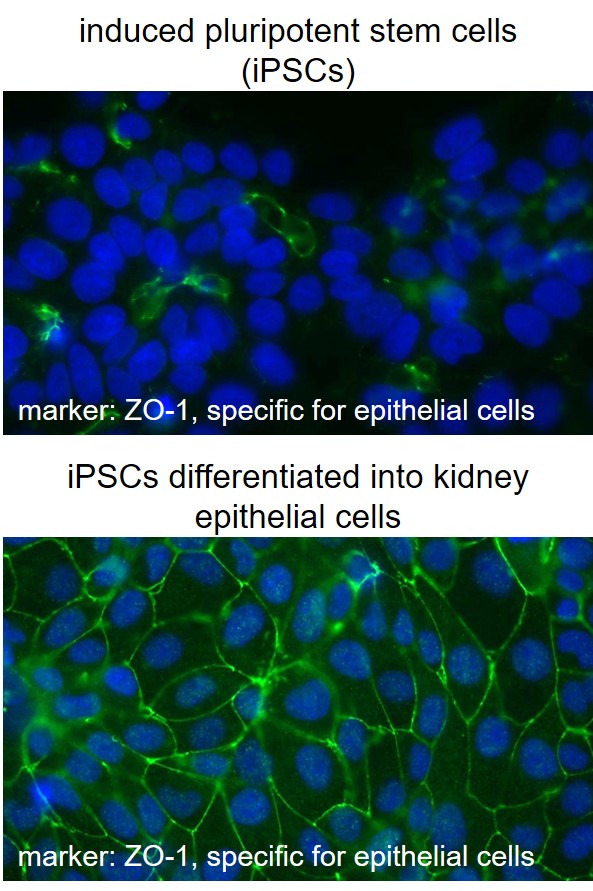
Robert Williams is a Reader in the Department of Life Sciences at the University of Bath, actively engaged in research on neurodegenerative diseases, particularly Alzheimer's Disease. His work focuses on synaptic dysfunction, cell signaling abnormalities, and the therapeutic potential of dietary polyphenols such as flavonoids. He leads several funded research projects and mentors doctoral students. University: University of Bath Department: Department of Life Sciences Academic Rank: Reader (equivalent to Associate Professor) Education: Doctor of Science, University of Leeds (1990) Bachelor of Science, University of Leeds (1986) Research Interests: Dr. Williams' laboratory investigates the molecular basis of synaptic and neuronal loss in Alzheimer's and related dementias. His team explores early disease mechanisms, including tau and amyloid-β toxicity, microglial responses, and the neuroprotective effects of plant polyphenols. A key innovation is the use of human stem cell models and microelectrode arrays to study neural network dysfunction, aligning with the 3Rs (Replacement, Reduction, Refinement) principles under NC3Rs. Recent Research Trends: His recent publications (2022–2024) show a strong focus on Alzheimer's disease mechanisms, including tau pathology, microglial modulation by flavonoids like EGCG, and protein aggregation in neurodegeneration. The work integrates molecular neuroscience, immunology, and nutritional biochemistry, often using advanced cellular models and omics approaches. Scientific Service and Recognition: Member, European Science Foundation College of Experts (2022–) Member, Alzheimer's Research UK Grant Review Board (2013–2019) Member, MJFF Review Board (2013) Editorial Board, Neurochemistry International (2015–) Editorial Board, Nutrition and Aging (2012–) Former Editorial Board, Journal of Neurochemistry (1998–2010) Editorial Advisory Board, Journal of Alzheimer's Disease (2018–2019) Advising and Grants: Dr. Williams is accepting doctoral students and has supervised multiple research projects. He is Principal Investigator (PI) on grants from NC3Rs and Alzheimer's Research UK, including projects on MEA technology for neural network studies and microglia-targeted Alzheimer’s interventions. He also serves as Co-Investigator on multidisciplinary projects, such as the Functional Roles of Presynaptic Opioid Receptors and the Multi-User High-Content Confocal Microscope initiative. Labs and Research Teams: His lab is part of the University of Bath Healthy Living Longer Network and collaborates extensively within the UK and internationally. The team employs human stem cell models, microelectrode arrays, and molecular techniques to study neurodegeneration, emphasizing translational and ethical research practices.
.jpg)