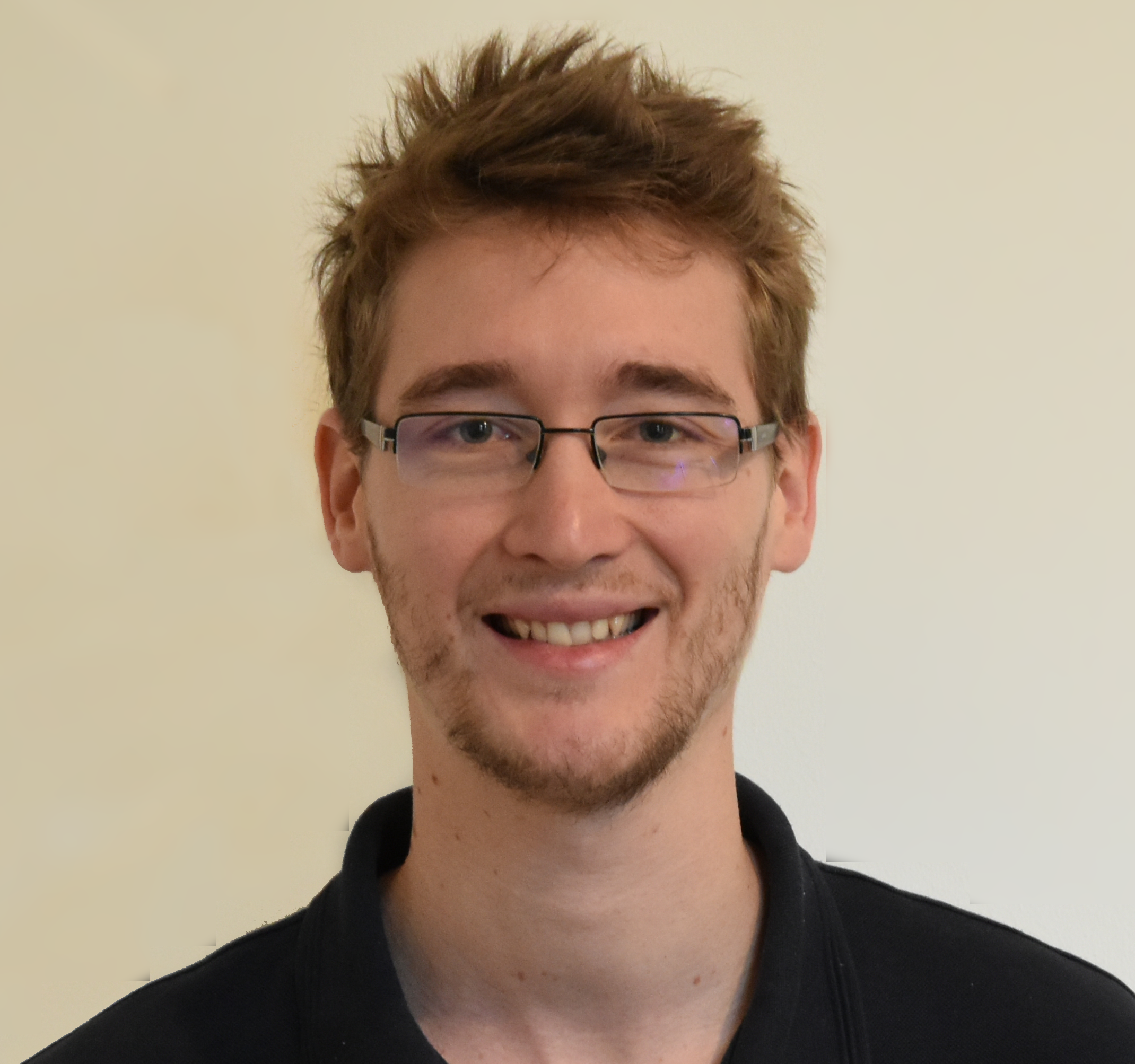
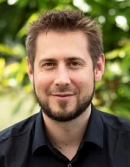
Andreas Møgelmose is an Associate Professor at Aalborg University's Department of Architecture, Design and Media Technology under the Technical Faculty of IT and Design. His research focuses on computer vision, artificial intelligence, and their applications in autonomous systems, driver assistance, and industrial vision. He leads projects like AI Color Fashion and Real-world adaption of generative AI for architecture. Møgelmose teaches introductory programming, computer vision, and advanced master's courses, emphasizing practical project-based learning. His work includes developing datasets such as the Multi-view Traffic Intersection Dataset (MTID) and exploring vision-language models for autonomous vehicle safety. He actively engages in media discussions on AI ethics and societal impacts. Research interests span dynamic gesture interpretation for cooperative autonomous vehicles, surgical skill assessment via automated metrics, and multimodal classification of environmental data. He has contributed to over 50 publications, including work on 3D object detection frameworks and generative AI education. Møgelmose collaborates on projects funded by industry partners like COWI and Danish government initiatives. His teaching philosophy centers on blended learning and practical application, fostering innovation in AI and computer vision education. Notable projects include AI:Xpertise Lab (2025–present), which explores AI-driven expertise systems, and collaborations on forest biodiversity analysis using LiDAR and orthophotos. His recent media engagements highlight societal AI challenges, emphasizing responsible implementation in public sectors.
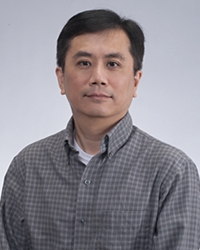
Shivkumar Vishnempet Shridhar is a Research Fellow and Postdoctoral Associate in the Department of Molecular Biophysics and Biochemistry at Yale University, affiliated with the Yale School of Medicine. His research bridges microbiology, network science, and biomedical engineering, focusing on understanding disease transmission dynamics and microbial ecology in human populations. He has conducted fieldwork in isolated Honduran villages to study gut microbiome strain-sharing patterns and their sociocultural determinants. Shridhar’s work employs advanced computational and experimental tools, including social network analysis and 3D bioprinting, to address challenges in epidemiology and tissue engineering. His recent studies investigate how environmental, socioeconomic, and health factors shape microbial communities, with implications for public health strategies in rural settings. Notable research trends include analyzing super-spreader phenomena through weighted social networks and developing vascularized hydrogel models for in vitro studies. Despite his prolific output, no formal academic awards or grant details are explicitly disclosed in the provided materials.
Lonni Besançon is an Assistant Professor of Visualization at Linköping University, Sweden, serving as a 2023 ASAPBio Fellow, Scientific Node Coordinator for the Swedish National Visualization Infrastructure InfraVis, and co-editor-in-chief of the Journal of Visualization and Interaction (JoVI). Education includes: PhD in HCI from Université Paris Saclay (2014-2017) Master of Research in HCI from Université Paris Sud (2013-2014) Exchange studies at University of Hong Kong (2013-2014) Master of Engineering from Polytech Paris Sud (2011-2014) Classe Préparatoire at Polytech Paris Sud (2009-2011) Research focuses on developing novel interaction techniques for volumetric data visualization and enhancing statistical interpretation through innovative visualizations. His work emphasizes methodological improvements in research practices, including detecting questionable research practices and enhancing transparency, robustness, and reusability of scientific outputs. Additional interests include augmented reality interfaces, collaborative visualization systems, and open science advocacy. Publications demonstrate consistent focus on augmented reality interfaces, collaborative visualization, research transparency, and statistical interpretation methods. Recent works showcase increasing emphasis on open science practices and methodological critiques, with notable contributions to understanding peer review systems and pandemic-related research evaluation. Awards and honors: ASAPBio Fellow (2023) GRD IG-RV Honorable Mention (2018) Advising and supervision includes mentorship of graduate students Xiyao Wang, Marie Cheng, and Mickael Francisco Sereno. Teaching experience encompasses courses in Interactive Information Visualization, Algorithms, Graph Theory, and Computer Security at Université Paris Saclay and Polytech Paris Sud. Leads research initiatives at Linköping Visualization Center and collaborates internationally through InfraVis. Serves on program committees for ACM IHM and IEEE EuroVis, while contributing to numerous conferences including CHI, IEEE VIS, and ISMAR.
Dr Abdullah Nazib is a Research Fellow at Queensland University of Technology (QUT) in the Faculty of Engineering, School of Electrical Engineering & Robotics. His research focuses on applying advanced computational techniques to medical imaging challenges, particularly in cancer detection and treatment planning. His research interests include: Medical image registration and segmentation Deep learning architectures for healthcare applications 3D medical image analysis Prostate cancer detection and grading Organ segmentation for radiation therapy Radiomics-based diagnostic systems Analysis of Dr Nazib's publication history reveals a clear evolution from general computer vision research toward specialized medical applications. His recent work demonstrates significant contributions to uncertainty quantification in medical image segmentation and multimodal learning approaches for diagnostic imaging. The 2024 publications particularly highlight his focus on clinically relevant applications with immediate potential impact on cancer diagnosis and treatment planning. His collaborative research network includes strong partnerships with Dr Fookes, Dr Perrin, and other members of QUT's biomedical imaging group, reflecting an interdisciplinary approach that bridges computer science, engineering, and clinical medicine to develop practical AI solutions for healthcare challenges.
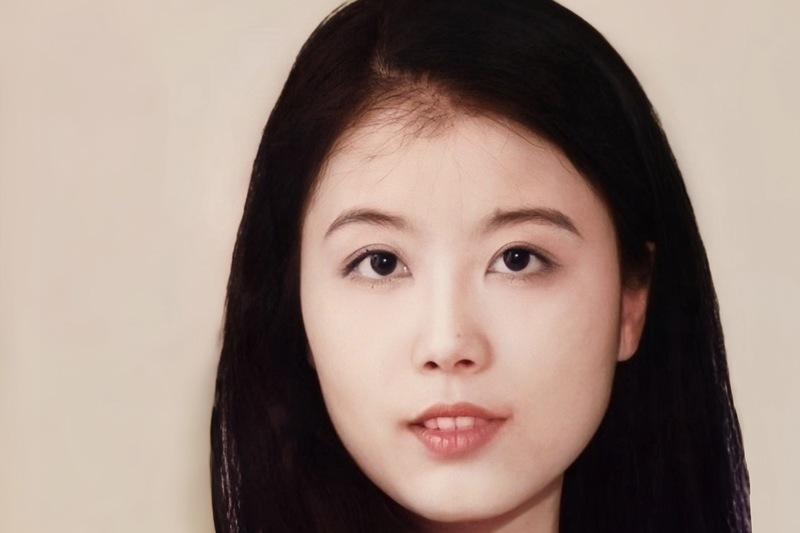
Shuyan Li is a Lecturer at the School of Electronics, Electrical Engineering and Computer Science, Queen’s University Belfast. Her research focuses on foundational computer vision methods and their healthcare applications, including unsupervised learning, multi-modal learning, and medical imaging analysis. She actively mentors early-career researchers through the Cambridge Trinity College Postdoctoral Mentorship Program and serves as Director of the Tsinghua Alumni Association (UK) and Secretary-General of the UK Association of Distinguished Young Scholars. Education Background: While specific degree details are not explicitly listed, Dr. Li has received prestigious awards such as the First Prize Scholarship (Tsinghua University, 2020) and the National Scholarship (Ministry of Education, PRC, 2013), indicating a strong academic foundation. Research Interests: Central themes include unsupervised learning, digital twins for construction and healthcare, video understanding, representation learning, and domain adaptation. Her work bridges theoretical advancements and practical applications, such as medical image translation and point cloud-based building digitization. Awards and Recognition: Key achievements include the Athena Postdoctoral Fellowship (NSF AI Research Center), Forbes’ Top 100 Most Influential Chinese (2024), and the Excellent Doctorate Dissertation Award (2023). She is also a Guest Editor for Innovation and Technology of Computer Vision . Advising & Grants: Currently supervising PhD students Ben Redden (UK) and Shurui Xu (China). She offers multiple funded PhD opportunities, including EPSRC and CSC scholarships, and collaborates with institutions like Cambridge and UCL. Labs & Collaborations: Active in interdisciplinary projects involving digital twin construction, medical AI, and point cloud analysis. Recent collaborations include work with the University of Cambridge on digital construction modules and Newcastle University on AI-driven data analysis.
Antonio Servetti is an Assistant Professor at the Department of Control and Computer Engineering (DAUIN) at Politecnico di Torino, Italy, where he has been a faculty member since 2007. He is affiliated with the Internet Media Group (IMG) and the Interdepartmental Center PIC4SeR for Service Robotics. His work bridges multimedia processing, network communications, and web technologies. MS in Computer Engineering, Politecnico di Torino, 1999 PhD in Computer Engineering, Politecnico di Torino, 2004 Visiting Scholar, University of California, Santa Barbara, 2003 His research focuses on speech and audio processing , multimedia communications over wired and wireless networks , and real-time web-based multimedia applications . Key interests include WebRTC, Web Audio, HTTP adaptive streaming, and perceptual quality assessment. He has contributed to the development of secure multimedia transmission techniques, including selective encryption of speech and audio. The recent publications highlight a strong trend toward AI-driven modeling of subjective quality in multimedia, especially through deep learning for image and video quality prediction, understanding observer behavior, and remote music performance systems. His work often involves collaboration with researchers in the VQEG JEG-Hybrid group and the NEXA Center. Best Paper Award, Web Audio Conference 2021 Dr. Servetti has led and contributed to several research projects, including BRIC-2024 (acoustics in educational settings), PNRR HiFiReM (remote music education), and INAR (artistic research). He teaches courses such as 'Web Applications', 'Machine Learning for Vision and Multimedia', and 'Digital Audio Processing' across various engineering programs. He is also involved in educational governance as a member of academic councils for multiple degree programs. He is a core member of the Internet Media Group (IMG) , which focuses on multimedia processing and transmission, and contributes to the VQEG JEG-Hybrid working group on video quality assessment, where he develops frameworks for reproducible research and modeling of human perception.
Dr Jiacheng Tan is a Senior Lecturer in the School of Computing at the University of Portsmouth , where he has been a faculty member since 2002. He is actively involved in research and PhD supervision, with a strong focus on intelligent systems and robotics. Dr Tan earned his BEng in Mechanical Engineering from Jilin University of Technology (1983), an MSc in Mechatronics from Xidian University (1989), and a PhD in Computer Graphics from De Montfort University (2001). Prior to joining Portsmouth, he served as a Visiting Researcher in robotics at the University of Salford (1996–1997) and a Research Fellow in artificial intelligence at the Open University (2000–2002). His research centers on computer vision, intelligent robot control, 3D graphics, and human-robot interaction . He investigates how robots can understand and act upon natural language commands by grounding spatial relations, recognizing objects, and reasoning about tasks in unstructured environments. His work integrates fuzzy logic, knowledge engineering, and machine learning to enable robots to learn from demonstrations and interact meaningfully with humans. The trends in his publications reveal a consistent focus on robotics and intelligent systems , evolving from early work in virtual environments and telerobotics to recent contributions in cloud-based scientific visualization and machine learning applications in astrophysics. His interdisciplinary research spans computer science, control theory, and cognitive systems. Dr Tan has not received any explicitly mentioned scientific awards in the provided text. He serves as a PhD supervisor and has contributed to multiple research projects, including the development of integrated AI frameworks for robotic manipulation. While specific grant details are not listed, his collaborations and publications suggest active involvement in funded research initiatives. He has worked with researchers across institutions on topics ranging from scientific visualization to intelligent interfaces. Dr Tan is affiliated with the Computational Intelligence Research Group at the University of Portsmouth. His lab work involves developing virtual environments, symbolic representations of 3D scenes, and natural language interfaces for robot control, supporting both academic research and practical applications in automation.
Dr. Hannah Rohringer (née Parow-Souchon) is a Postdoctoral Researcher at the Austrian Academy of Sciences within the Research Group 'Quaternary Archaeology' since November 2022. Her academic trajectory spans European and Near Eastern institutions, with current research focused on Upper Palaeolithic settlement systems and human-environment interactions. Her educational foundation includes a BA and MA in European Archaeology (Prehistory and Early History) from the University of Cologne (2007-2013), followed by doctoral research on Levantine Upper Paleolithic settlement patterns (2014-2016). Subsequent positions included editorial work at the Rhineland Office for Archaeological Monument Preservation (2017-2019), a Glassman-Holland Research Fellowship at the WF Albright Institute (2019-2020), and postdoctoral research at Ben-Gurion University of the Negev (2020-2022). Rohringer's research integrates lithic technology, behavioral ecology, and advanced spatial analysis to investigate human adaptation during the Palaeolithic. Her work emphasizes land-use processes, raw material economies, climate change responses, and social dynamics, with significant contributions to understanding the Ahmarian and Aurignacian cultures through innovative methodologies including GIS modeling and 3D reconstructions. She maintains active fieldwork in the Southern Levant and Austria through projects like Kammern-Grubgraben and Krems-Wachtberg. Her publication record reveals consistent thematic focus on lithic technological transitions, site formation processes, and human behavioral responses to environmental shifts across the Levant and Europe. Recent work demonstrates increasing methodological sophistication through quantitative approaches like Hill numbers analysis and predictive site modeling, while maintaining empirical grounding in field data from key regions including the Wadi Sabra and Petra areas. Glassman-Holland Research Fellowship (WF Albright Institute, 2019-2020) Rohringer directs multiple collaborative projects including 'Kammern-Grubgraben' examining Late Gravettian adaptations, 'Krems-Wachtberg' investigating Central European Quaternary sites, and the 'Austrian Quaternary Sites' database initiative. Her fieldwork integrates geological, environmental, and archaeological data to reconstruct paleolandscapes and human settlement systems, with particular emphasis on methodological innovation in spatial analysis and material culture studies. Her research team operates within the Austrian Academy of Sciences framework, collaborating with international institutions including Ben-Gurion University and the University of Cologne. Current projects focus on predictive modeling of Paleolithic sites, 3D reconstruction of activity areas, and database development for Quaternary archaeological sites across Austria.
Drew A. Torigian is a Professor of Radiology at the Perelman School of Medicine, University of Pennsylvania, with extensive contributions to medical imaging research. His work focuses on developing advanced methodologies for PET/CT image analysis, disease quantification, and anatomical segmentation through innovative applications of deep learning and computer vision techniques. Dr. Torigian's research interests span multiple critical areas in medical imaging including quantitative image analysis, PET/CT applications, deep learning in medicine, radiation therapy planning, and anatomical segmentation. His work has significantly advanced the field of medical image analysis through the development of novel algorithms for disease quantification without explicit object delineation, standardized anatomic space frameworks, and attention-based neural networks for medical image interpretation. His recent publications demonstrate a strong trend toward integrating artificial intelligence with medical imaging, particularly in developing gaze-guided neural networks, geographical attention mechanisms, and hybrid transformer-convolutional architectures for improved medical image analysis. These works consistently address critical challenges in radiology including disease quantification, anatomical segmentation, and the development of clinically interpretable AI models. Dr. Torigian has received recognition through his substantial publication record in top-tier medical imaging venues including Medical Image Analysis, IEEE Transactions on Biomedical Engineering, and leading medical imaging conferences. His research has been consistently funded through various mechanisms supporting innovation in medical imaging technology. Through his mentorship and collaborative research, Dr. Torigian has contributed to advancing the field of medical imaging with practical applications in radiation therapy planning, disease quantification, and the development of standardized methodologies for image analysis. His work bridges the gap between computer science innovation and clinical radiology applications.
Suzanne M. Carbotte is the Bruce Heezen Lamont Research Professor of Marine and Polar Geophysics at the Lamont-Doherty Earth Observatory (LDEO) of Columbia University. Her work focuses on marine geophysics, particularly using seismic methods to study mid-ocean ridges, subduction zones, and ocean floor mapping. She has made significant contributions to our understanding of crustal evolution, tectonic processes, and the structure of the ocean floor. Dr. Carbotte received her academic training at prestigious institutions: 1982: H.B.Sc. in Geology and Physics, University of Toronto, Ontario 1986: M.Sc. in Geophysics, Queen's University, Kingston, Ontario 1992: Ph.D. in Marine Geophysics, University of California, Santa Barbara, CA Her research spans multiple areas of marine geophysics, with particular emphasis on the structure and evolution of mid-ocean ridges and subduction zones. She has pioneered the use of multi-channel seismic techniques to image the internal structure of the oceanic crust, revealing details about magma chambers, crustal formation processes, and the relationship between tectonic and magmatic processes at spreading centers. Her work on the East Pacific Rise has provided fundamental insights into how oceanic crust forms at fast-spreading ridges. Additionally, her research on the Cascadia subduction zone has advanced our understanding of how sediments and plate structure influence earthquake behavior. She has also contributed significantly to Hudson Estuary studies, examining sediment distribution and environmental changes. Her expertise in geoinformatics has led to important contributions to data synthesis and management for marine geoscience research. Analysis of Dr. Carbotte's recent publications reveals consistent focus on marine geophysical imaging techniques applied to key tectonic settings. Her work primarily centers on two major regions: the East Pacific Rise (a fast-spreading mid-ocean ridge) and the Cascadia subduction zone (where the Juan de Fuca plate subducts beneath North America). Her research employs advanced seismic methods to investigate magma systems beneath mid-ocean ridges, sediment properties along subduction margins, and the relationship between crustal structure and tectonic processes. A notable trend in her recent work is the integration of multiple geophysical datasets to build comprehensive 3D models of crustal structure, particularly focusing on how variations in magma supply, plate motion, and sediment properties influence the formation and evolution of oceanic crust. Dr. Carbotte's scientific achievements have been recognized with numerous prestigious awards: 2015: Elected as an AGU Fellow 2010: Ridge2000 Distinguished Lecturer 2008: Birch Lectureship and UCSB Distinguished Alumni Award 2007: Bruce C. Heezen Research Chair at LDEO, Columbia University 1993: LDEO Postdoctoral Fellow, Columbia University 1982: Governor General's Silver Medal, Trinity College, University of Toronto Throughout her career, Dr. Carbotte has been actively involved in major research initiatives and collaborative projects. She has served as principal investigator and co-investigator on numerous grants supporting marine geophysical expeditions and data analysis. Her leadership extends to data management initiatives, including contributions to the Global Multi-Resolution Topography Synthesis and the development of GeoMapApp. She has mentored numerous students and early-career scientists through her research projects and has been instrumental in training the next generation of marine geophysicists. Her work with the Ridge2000 program has fostered interdisciplinary collaboration across the geosciences. Dr. Carbotte is deeply involved with the Lamont-Doherty Earth Observatory's marine geophysics research group, where she leads projects focused on seismic imaging of oceanic crust. She has been instrumental in developing and utilizing the observatory's advanced seismic data processing capabilities. Her work often involves collaboration with the National Deep Submergence Facility and other major research institutions. She plays a key role in data synthesis initiatives like the Rolling Deck to Repository program, which ensures long-term preservation and accessibility of oceanographic research data. Her research frequently utilizes data from major research vessels and ocean bottom seismometer deployments, contributing to our understanding of fundamental Earth processes.
Robin E. Bell serves as a Lamont Research Professor at Columbia University's Lamont-Doherty Earth Observatory, affiliated with the Palisades Geophysical Institute. Her work bridges geophysics, polar science, and climate research with significant contributions to Antarctic and Greenland ice sheet studies. Her research spans ice dynamics, sea level change, and geospatial data analysis, utilizing advanced technologies including aerogeophysics and augmented reality for data visualization. Dr. Bell's research interests focus on polar science and ice sheet dynamics, particularly examining how Antarctic and Greenland ice sheets respond to climate change. Her work integrates geophysical measurements with climate modeling to understand ice-ocean interactions, subglacial hydrology, and the implications for global sea level rise. She has pioneered the use of augmented and virtual reality technologies for visualizing complex ice sheet data, enabling new insights into glacial processes. Analysis of her recent publications reveals a dual research trajectory: advancing polar geophysics through projects like Bedmap3 and IceBridge, while simultaneously developing innovative approaches to diversity and inclusion in geosciences through initiatives like INSPIRE and The Armor Project. Her work demonstrates a commitment to both scientific advancement in cryospheric studies and creating more equitable pathways in earth science education and careers. Dr. Bell leads significant research initiatives including the ROSETTA-Ice project and INSPIRE (Inventing and Integrating New Ways to Inspire Students in the Geosciences), which focuses on creating inclusive pathways for underrepresented groups in geoscience. Her work engages with coastal communities affected by sea level changes and develops educational tools to bring polar science to broader audiences. She has been instrumental in creating programs that combine field research experiences with professional development for students from diverse backgrounds. At Columbia University's Lamont-Doherty Earth Observatory, Dr. Bell works within the Palisades Geophysical Institute, contributing to one of the world's leading centers for earth science research. Her team utilizes airborne geophysical surveys, satellite data, and innovative visualization techniques to study ice sheet dynamics. She collaborates extensively with international polar research organizations and has been involved in major Antarctic and Greenland research campaigns that have significantly advanced our understanding of ice sheet behavior and its implications for global sea level.
Professor Gabrielle Belz is an ARC Australian Laureate Fellow at The University of Queensland's Frazer Institute within the Faculty of Health, Medicine and Behavioural Sciences. She holds a PhD and multiple advanced degrees in veterinary science and immunology. Her research focuses on understanding protective immunity, cellular differentiation, and innate immune cell development, particularly in mucosal defenses against pathogens like influenza and herpesviruses. Belz pioneered systems for tracking virus-specific T cells and identified critical roles for CD4 T cell help in antiviral responses. Her work integrates multiparameter flow cytometry, systems biology, and in vivo models to study immune pathways in health and disease. Education: Bachelor of Veterinary Biology, The University of Queensland Bachelor (Honours) of Veterinary Science, The University of Queensland Doctor of Philosophy, The University of Queensland Doctoral Diploma, The University of Queensland Research Interests: Mechanisms of protective immunity against respiratory and gastrointestinal pathogens Role of innate lymphoid cells (ILCs) and T cells in mucosal immunity Immune responses to chronic infections and tumours Epithelial- immune cell cross-talk in barrier integrity Spatial biology and multi-omics approaches to study immune landscapes Awards & Honours: Arc Laureate Fellowship (2024) Gottschalk Medal (Australian Academy of Science) Wellcome Trust Overseas Fellowship HHMI International Research Scholar Award NHMRC Elizabeth Blackburn Fellowship Grants & Funding: ARC Australian Laureate Fellowships (2025-2029) NHMRC MRFF grants for lung cancer and immunotherapy research Cure Cancer Early Career Research Grants (2024-2026) Her laboratory actively supervises PhD candidates exploring mucosal immunity, vaccine development, and innate immune cell metabolism. Belz collaborates widely, leveraging cutting-edge platforms like spatial multi-omics to advance translational immunology.
Dr. Joergen Kornfeld is a Research Group Leader at the MRC Laboratory of Molecular Biology in Cambridge, UK, where he leads the 'Connectomics of learned behaviour' group. He also maintains a connection with the Max Planck Institute for Biological Intelligence as a Guest Scientist. Previously, he was a Group Leader at the Max Planck Institute of Neurobiology in Martinsried, Germany (2021-2024). Dr. Kornfeld received his PhD in Biology (summa cum laude) from the Max Planck Institutes of Medical Research and Neurobiology, with research stays at NYU. He completed his Master's in Computational Biology and Bioinformatics at ETH Zurich and his Bachelor's in Molecular Cell Biology at Heidelberg University. Dr. Kornfeld's research focuses on understanding how animals store learned behaviors in their neuronal networks. His work centers on the zebra finch songbird as a model system, investigating how song memories are stored and retrieved from underlying brain circuits. His laboratory employs high-throughput 3D electron microscopy to map brain circuits at synaptic resolution, generating massive datasets that require advanced deep learning techniques for analysis. His team develops and applies state-of-the-art machine learning algorithms to reconstruct neural circuits and infer connectivity patterns. His recent publications demonstrate a clear trajectory toward increasingly sophisticated methods for neural circuit reconstruction and analysis, combining volume electron microscopy with deep learning approaches. The research spans multiple model organisms including zebra finches, mice, and zebrafish, with applications to understanding memory formation, behavioral control, and neural computation. Dr. Kornfeld leads a research team including Caitlin Gillespie, Nelson Medina, and Anastasia Sorokina. His laboratory is at the forefront of developing new methodologies for connectomics that bridge neuroscience, computer science, and engineering. He maintains active collaborations with multiple institutions including MIT, NYU, and the Max Planck Society.
Peter P. Flaig is a Research Associate Professor at the Bureau of Economic Geology's State of Texas Advanced Resource Recovery (STARR) program within the Jackson School of Geosciences at The University of Texas at Austin. He also serves as an Affiliate Faculty member at the University of Alaska Fairbanks, Department of Geology. His expertise spans clastic sedimentology, paleoenvironmental reconstruction, and high-latitude depositional systems, with specialized knowledge in dinosaur-bearing strata and advanced imaging techniques for geological analysis. Dr. Flaig's educational background includes: Ph.D. in Geology (2010) from the University of Alaska-Fairbanks M.S. in Geology (2005) from the University of Wisconsin-Milwaukee B.S. in Geology with a Geography Minor (2002) from the University of Wisconsin-Milwaukee His research encompasses multiple dimensions of sedimentology and paleoenvironmental interpretation. Dr. Flaig has developed significant expertise in fluvial sedimentology, examining ancient river systems and their deposits to reconstruct past hydrological conditions. His work on paleoenvironmental reconstruction spans continental, deltaic, shoreface, and shallow-marine systems, providing holistic interpretations of ancient environments. A distinctive aspect of his research focuses on high-latitude clastic depositional sequences, particularly from Arctic regions, which offers critical insights into Earth's climate history during greenhouse periods. His investigations of dinosaur-bearing clastic successions connect sedimentological evidence with paleontological findings to understand extinction events and ecosystem dynamics. Dr. Flaig's innovative use of high-resolution imaging techniques, including photography and LiDAR, has advanced field methodologies in geology. His work in paleopedology (the study of ancient soils) and expertise in remote logistics demonstrate his comprehensive approach to geological research in challenging environments. Dr. Flaig's publication record reveals consistent contributions across sedimentology, paleoenvironmental science, and Arctic geology. His recent work demonstrates increasing interdisciplinary integration, combining sedimentological analysis with paleontological, climatological, and geochemical approaches. Many publications focus on Cretaceous systems, particularly in Arctic Alaska, providing valuable data about ancient greenhouse climates. His research typically involves extensive field work in remote locations followed by sophisticated laboratory analysis, reflecting both logistical expertise and analytical rigor. The collaborative nature of his work is evident in diverse author lists spanning multiple institutions. Dr. Flaig has actively mentored students and early-career researchers through his academic positions. His extensive publication record suggests successful acquisition of research funding, particularly for complex field operations in remote Arctic locations. His dual affiliation with UT Austin and University of Alaska Fairbanks indicates strong collaborative networks across institutions and geographical boundaries. As part of the Bureau of Economic Geology and the STARR program at UT Austin, Dr. Flaig contributes to a research ecosystem focused on both fundamental geological understanding and practical applications in resource recovery and environmental management. His affiliation with the Quantitative Clastics Laboratory suggests involvement in advanced analytical techniques for sedimentary systems, bridging traditional field geology with modern quantitative methods.
Dino Huang is a Research Assistant Professor at the Bureau of Economic Geology, part of the Jackson School of Geosciences at the University of Texas at Austin. He serves as a Seismologist for the Texas Seismological Network and has been with the Bureau since June 2017. His expertise lies in earthquake seismology, seismic imaging, and seismotectonic studies, with a focus on both natural and induced seismicity across diverse geological settings from the Himalayas to Texas. His educational background includes: PhD in Geophysics, State University of New York at Binghamton, 2007; Thesis title: 3-D lithospheric structure and seismotectonics of the central Himalayan region Dr. Huang specializes in advanced seismic techniques for understanding Earth's structure and earthquake processes. His research focuses on 3D tomographic inversion, earthquake detection and location, and earthquake source characterization through moment tensor inversion. He conducts seismotectonic studies on both natural and induced seismicity, with particular interest in the processes and dynamics of inter- and intra-continental convergence. His work also involves seismic waveform modeling and the deployment of seismic instrumentation, including 3-component broadband sensors in field settings. Dr. Huang's publication record demonstrates a consistent focus on seismic imaging and earthquake source characterization across diverse geological settings. His work spans from the Himalayan region and Tibetan plateau to more recent studies on seismicity in Texas and western Alberta. A notable trend is the application of advanced seismic tomography techniques to understand lithospheric structure and earthquake mechanisms in continental collision zones. His more recent work shows increasing emphasis on induced seismicity related to energy development activities, particularly in the context of wastewater injection and hydraulic fracturing operations. Dr. Huang has mentored graduate students during his postdoctoral research at Rutgers University. He has secured funding for seismicity studies, including a comprehensive study of regional seismicity for western Alberta funded by Natural Resource Canada. His research has also been supported by NSF through the project "Strength of continental lithosphere in western China from seismic body wave studies," where he served as Postdoctoral co-PI. As part of the Texas Seismological Network at the Bureau of Economic Geology, Dr. Huang contributes to the Center for Injection and Seismicity Research (CISR), which focuses on understanding induced seismicity related to energy development activities. His work integrates field deployment, data analysis, and theoretical modeling to address fundamental questions in seismology while providing practical insights for seismic hazard assessment.