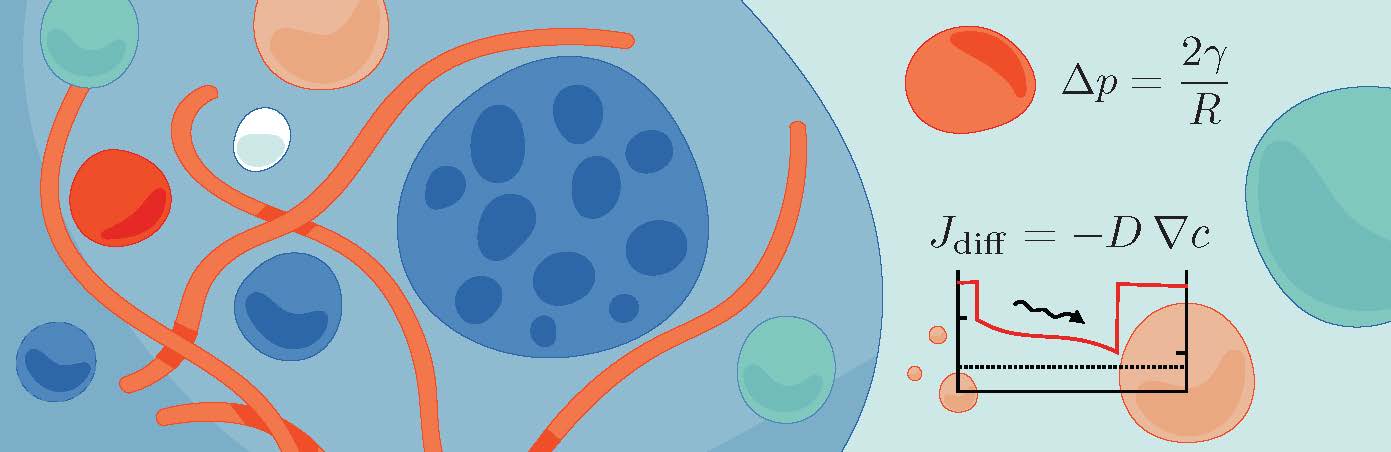
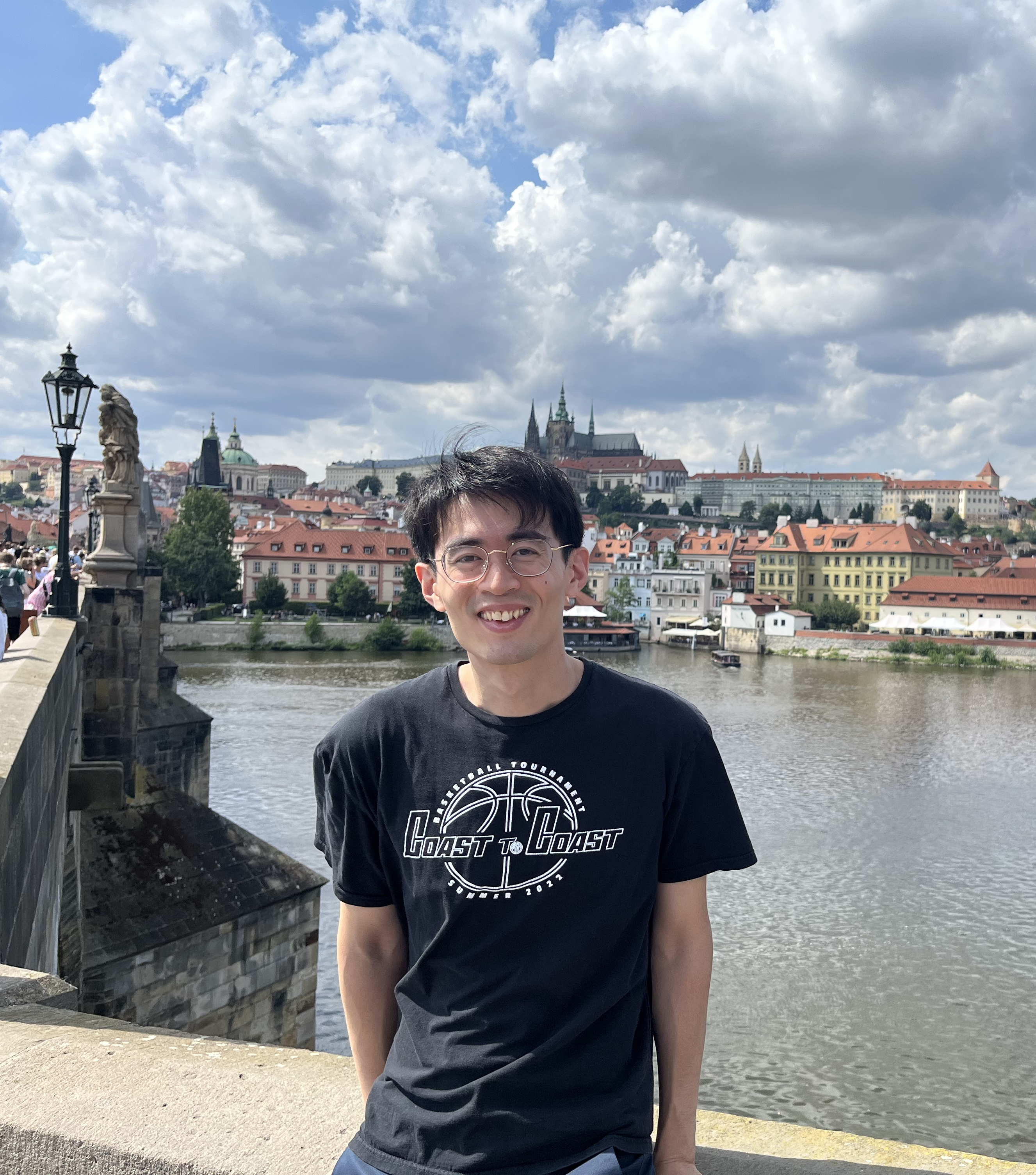
Thomas Michaels is an Assistant Professor at the Department of Biology, ETH Zürich, leading the Michaels Group . His research focuses on theoretical models of biomolecular condensates and protein aggregation in biological systems. Research Themes : Protein aggregation, liquid-liquid phase separation, membrane biophysics, and the role of condensates in neurodegenerative diseases like Alzheimer’s and Parkinson’s. Collaborative Approach : Integrates theoretical physics, control theory, and computational biology with experimental validation to design therapeutic strategies. Recent Publications highlight his work on amyloid formation mechanisms, lipid interactions, and phase-separated compartments as biochemical reactors. His group trains PhD students in systems biology and biocondensate physics.
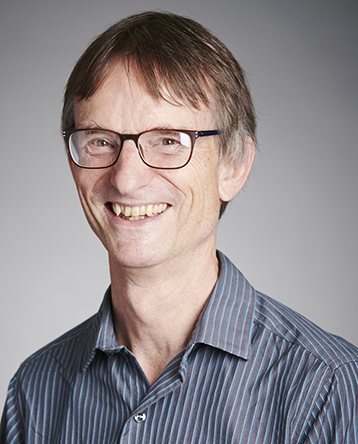
Wengong Jin is an Assistant Professor at the Khoury College of Computer Sciences, Northeastern University, and a visiting research scientist at the Eric and Wendy Schmidt Center at the Broad Institute. He holds a PhD from MIT CSAIL, advised by Prof. Regina Barzilay and Prof. Tommi Jaakkola. Research Interests: His work focuses on geometric and generative AI models for drug discovery, biology, and chemical engineering. Key areas include equivariant neural networks (e.g., FAFormer), diffusion models for binding energy prediction, antibody/enzyme design (RefineGNN, SurfPro), and molecular design through graph neural networks (Junction Tree VAE). He also explores domain generalization and systems for autonomous molecular discovery. Publications: His research has been published in top venues like NeurIPS, ICLR, ICML, Nature, Science, and Cell. Recent breakthroughs include discovering novel antibiotics using explainable AI and designing synergistic drug combinations for cancer treatment. Awards: He has received the BroadIgnite Award, Dimitris N. Chorafas Prize, and MIT EECS Outstanding Thesis Award for his contributions to computational biology and AI-driven drug discovery. Teaching: Currently teaches a PhD seminar on AI for Science, focusing on integrating machine learning into scientific discovery processes.
Anthony Rollett is a Professor in the Department of Materials Science and Engineering at Carnegie Mellon University , where he has been a faculty member since 1995. He serves as the Principal Investigator and Co-Director of the NASA-supported Institute for Model-Based Qualification & Certification of Additive Manufacturing (IMQCAM) and co-director of the Next Manufacturing Center . Prior to CMU, he held leadership roles at Los Alamos National Laboratory (1991-1995). Education: Ph.D., Materials Engineering, Drexel University (1987) MA, Metallurgy and Materials Science, Cambridge University (1977) Research Interests: Rollett’s work focuses on microstructural evolution and microstructure-property relationships in 3D using experiments and simulations. His expertise spans additive manufacturing , metal 3D printing , materials for energy systems , grain growth , recrystallization , and stereology , with techniques like high-energy diffraction microscopy (HEDM) and dynamic x-ray radiography (DXR) . Scientific Contributions: He has over 320 peer-reviewed publications and an h-index >80 . His recent articles highlight machine learning for laser processing , fatigue analysis of additively manufactured alloys, and design optimization for heat exchangers in supercritical CO2 and solar thermal applications . Scientific Awards: Fellow of ASM International (1996) Fellow of the Institute of Physics (UK) (2004) Fellow of The Minerals, Metals & Materials Society (TMS) (2011) Cyril Stanley Smith Award (TMS, 2014) Member of Honor, French Metallurgical Society (2015) US Steel Professor (2017) Francqui International Professor (2020-2021) International FAME Award (2023) Leadership & Impact: Rollett co-led the development of a NASA Space Technology Research Institute for additive manufacturing and established a new master’s program in additive manufacturing (2018). His research group is funded by industry , federal agencies , and Pennsylvania state grants . He also serves on the Basic Energy Science Advisory Committee and Defense Programs Advisory Committee for the Department of Energy.
Andrew Spakowitz is a Professor of Chemical Engineering, Materials Science and Engineering, and by courtesy, Applied Physics and Chemistry at Stanford University. He currently serves as the Senior Associate Dean for Research and Faculty Affairs and holds the Tang Family Foundation Chair of the Department of Chemical Engineering. His academic career at Stanford spans from Assistant Professor (2006-2014) to Associate Professor (2014-2020) and now Professor since 2020. Dr. Spakowitz earned his PhD in 2004, MS in 2001 from the California Institute of Technology, and his BS in Chemical Engineering from the University of Wisconsin, Madison in 1999. He completed postdoctoral training in Molecular and Cell Biology and Biophysics at UC Berkeley from 2004-2006. His research focuses on theoretical and computational approaches to understanding biological processes and complex materials. The Spakowitz lab addresses fundamental chemical and physical phenomena through four main research themes: chromosomal organization and dynamics, protein self-assembly, polymer membranes, and charge transport in conducting polymers. His group employs diverse theoretical and computational methods including analytical theory of semiflexible polymers, polymer field theory, continuum elastic mechanics, Brownian dynamics simulation, equilibrium and dynamic Monte Carlo simulations, and reaction-diffusion modeling. Analysis of his recent publications reveals a strong emphasis on epigenetics and chromatin dynamics, with significant work on DNA methylation patterns, nucleosome clustering, and chromosome organization. His research also extends to polymer physics applications in biological systems, particularly in respiratory diseases, water purification membranes, and bacterial phage interactions with human mucus. Tang Family Foundation Chair of the Department of Chemical Engineering Professor Spakowitz mentors several graduate students and postdoctoral scholars in the Chemical Engineering and Materials Science departments. His lab members work on diverse projects spanning from chromatin dynamics to polymer membranes for water purification. He teaches multiple courses including CHEMENG 120B (Energy and Mass Transport), CHEMENG 340 (Molecular Thermodynamics), CHEMENG 466 (Polymer Physics), and CHEMENG 467 (Physics of Biomacromolecules). The Spakowitz lab operates from Clark S295 at Stanford University, conducting theoretical and computational research that bridges chemistry, physics, biology, and engineering disciplines to address complex problems across multiple length and time scales.
Karen C. Cheung is a Professor in the Department of Electrical and Computer Engineering at the University of British Columbia, with cross-appointments in the Faculty of Medicine and the School of Biomedical Engineering where she serves as Director of the Graduate Program. She holds her office in KAIS 3064 and can be reached at (604) 827-4114. Dr. Cheung received her BSc and PhD degrees in Bioengineering from the University of California, Berkeley in 1998 and 2002, respectively. From 2002-2005, she was a postdoctoral researcher at the École Polytechnique Fédérale de Lausanne in Switzerland. She joined UBC in 2006 and has established herself as a leading researcher in biomedical microsystems. Her research spans multiple areas of biomedical engineering with particular focus on lab-on-a-chip systems for cell culture and characterization , inkjet printing for tissue engineering , and implantable neural interfaces . Her work integrates microfluidics, biosensors, and tissue engineering to create platforms that better mimic in vivo conditions for drug screening and disease modeling. Current projects include developing organ-on-a-chip models of the human airway for studying aerosol exposure effects, creating microscale tumor models for cancer research, and advancing silicon photonic biosensors for medical diagnostics. Dr. Cheung leads the Bio-Medical Micro Devices Laboratory at UBC, which houses multiple research teams working on cutting-edge biomedical technologies. Her lab has developed microfluidic platforms capable of precisely controlling oxygen levels around tumor spheroids to study cancer treatment responses under realistic physiological conditions. The lab also works on novel fabrication techniques for microelectrode arrays and tissue clearing protocols for 3D imaging of microtissues. As an educator, Dr. Cheung teaches several specialized courses including ELEC 361 (Molecules to Mechanisms), ELEC 464 (Nanotechnology and Nature), EECE 301 (Topics in Nanotechnology and Microsystems), ELEC 473 (Biological Micro-Electro-Mechanical Systems), and ELEC 521 (Biomedical Microdevices). She has supervised numerous graduate students through their MASc, PhD, and postdoctoral work, with many alumni now holding academic positions or working in the biomedical industry. Her research is supported through multiple funding sources and collaborations with industry partners. Dr. Cheung is affiliated with several research centers including the Airway Centre, Bionics Network, Centre for Blood Research, and the Institute for Computing, Information and Cognitive Systems (ICICS) at UBC.
Burak Ozdoganlar is a Ver Planck Endowed Chair Professor of Mechanical Engineering at Carnegie Mellon University (CMU) and Associate Director of the Engineering Research Accelerator. He holds courtesy faculty positions in Biomedical Engineering and Materials Science and Engineering. Ozdoganlar earned his Ph.D. in Mechanical Engineering from the University of Michigan (1999), M.S. degrees from Ohio State University (1993, 1995), and a B.S. in Aeronautical Engineering from Istanbul Technical University (1991). Ph.D., Mechanical Engineering, University of Michigan (1999) MS, Mechanical Engineering, Ohio State University (1995) MS, Aeronautical and Astronautical Engineering, Ohio State University (1993) BS, Aeronautical Engineering, Istanbul Technical University (1991) Ozdoganlar’s research focuses on multi-scale manufacturing processes (macro/micro/nano), precision engineering , structural dynamics , and modal testing , with applications in biomedical device fabrication , microneedle arrays , soft electronics , and 3D ice printing for vascular networks. His work bridges computational modeling with experimental validation. Recent scientific awards include the 2023 AIMBE College of Fellows induction, ASME Fellow (2019), and NSF CAREER Award (2006). He served as interim CTO of the Advanced Robotics for Manufacturing (ARM) Institute and chaired the ASME-MED Manufacturing Equipment Technical Committee. Ozdoganlar leads projects in scalable manufacturing for implantable medical devices , bioelectric medicine , and wearable robotics . His lab develops 3D ice-printed vascular templates for tissue engineering and liquid metal circuits for soft electronics, funded by institutions like the Manufacturing Futures Institute and ARPA-H.
Associate Professor Ng Bing Feng leads research in Additive Manufacturing, Aerospace Engineering, and Thermofluids at Nanyang Technological University's School of Mechanical & Aerospace Engineering. As Cluster Director for Smart & Sustainable Building Technologies at NTU's Energy Research Institute, he oversees projects spanning energy-efficient cooling technologies, advanced filtration systems, and bio-inspired materials. His interdisciplinary work integrates advanced manufacturing with environmental engineering, focusing on sustainable solutions for air quality management and thermal regulation. Current research explores radiative cooling technologies, acoustic agglomeration for emissions control, and crashworthy structures via biomimetic design. Professor Ng's publications demonstrate consistent innovation in multi-scale manufacturing and fluid dynamics, with growing emphasis on sustainable urban technologies. Methodologies combine experimental fluid dynamics with computational modeling and AI-driven design. Leadership Roles: Cluster Director, Energy Research Institute @ NTU Principal Investigator for multiple industry collaborations in sustainable materials Research Output: 42+ publications in high-impact journals Multiple patents in filtration technologies and cooling systems
Dr. Yogambha Ramaswamy is a Senior Lecturer in the School of Biomedical Engineering at The University of Sydney and a member of the Sydney Nano Institute. She holds a Master’s in Biotechnology from the University of Queensland and a PhD in Biomedical Engineering from the University of Sydney (2009). Her postdoctoral career began as a Vice-Chancellor’s Postdoctoral Research Fellow at the University of New South Wales, followed by a Peter Doherty Early Career Fellowship in 2013 before joining the University of Sydney in 2015. Dr. Ramaswamy’s research focuses on biomaterials, tissue engineering, and mechanobiology, with a particular emphasis on developing calcium silicate-based ceramics and biopolymers for orthopedic and regenerative applications. Her recent work explores the role of physical cues in modulating stem and cancer cell behavior. She teaches courses such as AMME1961 (Introduction to Biomedical Engineering B) and AMME5962 (Introduction to Mechanobiology). Her research has been supported by grants including the NHMRC Early Career Fellowship and collaborations with institutions like the CSIR-Indian Institute of Chemical Technology and the University of Otago. Her publications span biomaterials, nanotechnology, and mechanobiology, with recent work addressing atherosclerosis, hydrogel design, and nanomedicine. She currently supervises PhD students Frank (biomaterials) and Alexander (atherosclerosis research).
Dr. Ahmet Acar is an Associate Professor at the Department of Biological Sciences, Middle East Technical University (METU), Ankara, Turkey. He leads the Cancer Precision Medicine and Drug Resistance Laboratory, focusing on understanding mechanisms of drug resistance in cancer. His research integrates experimental models, next-generation sequencing, and deep learning to address clinical challenges in cancer therapy. Dr. Acar holds a B.Sc. from METU's Biological Sciences department and a Ph.D. from the Cancer Research UK Manchester Institute. He completed postdoctoral training at the Institute of Cancer Research, London, and the University of Manchester. Research Interests: Drug resistance mechanisms, precision oncology, tumor microenvironment modeling, patient-derived organoids, computational pathology, and evolutionary cancer biology. His lab develops 2D/3D co-culture systems, PDO biobanks, and AI-driven histopathology tools to improve treatment strategies. Recent Work Trends: Recent publications emphasize tumor evolution modeling, matrix mechanics in drug resistance, and AI applications in histopathology. Collaborations with hospitals in Turkey and Europe support PDO biobank initiatives. His team explores evolutionary steering strategies to exploit collateral drug sensitivities. Labs/Teams: Precision Medicine and Drug Resistance Lab at METU focuses on interdisciplinary approaches combining wet-lab experiments with computational methods. Current projects include ex vivo tumor modeling and AI-driven diagnostic tools for oncology.
Kelly Arnold is an Associate Professor in the Department of Biomedical Engineering at the University of Michigan. Her research integrates systems engineering principles with immunology to investigate variability in immune responses across infection, vaccination, and injury, with a focus on computational modeling and clinical translation. Research Focus Systems-level immune response modeling Vaccination and antibody functionality Vaginal microbiome-host interactions Chronic lung disease progression Computational serology and proteomics Recent Work Her 2025 studies examine SARS-CoV-2 vaccination responses in cancer patients and computational frameworks for vaginal probiotics. Earlier works (2024-2007) span COPD progression, lupus fibrosis, HIV susceptibility, and tissue engineering for fertility preservation. Methodologies include proteomic profiling, network modeling, and microfluidic systems.
Sushmita Roy is a Professor at the University of Wisconsin–Madison, affiliated with the Department of Computer Sciences and the College of Letters and Science. Her research focuses on developing computational methods in statistical machine learning to understand gene regulatory networks in living cells, particularly under environmental, developmental, disease, and evolutionary contexts. She explores bulk and single-cell genomic data integration to study processes like cell fate specification, host-microbe interactions, and diseases such as cancer and neurodevelopmental disorders. Her work emphasizes three key areas: inference of genome-scale transcriptional networks, evolutionary analysis of regulatory networks, and 3D genome organization dynamics. Roy’s lab collaborates across disciplines, leveraging genomic data from plant and mammalian systems. She has contributed to methodologies for analyzing chromatin accessibility, single-cell profiling, and network-based models of pathogen systems. Her affiliations include Wisconsin Institutes for Discovery, and she is a leader in computational biology and systems genomics research.
Prof. Dr. Helmuth Gehart is a faculty member at the Institute of Molecular Health Sciences , ETH Zurich . He leads the Tumor and Stem Cell Dynamics research group, focusing on dynamic cell identity in regeneration and cancer. Research Interests : Stem cell-environment interactions, organoid technology, single-cell sequencing, and mechanisms of tissue repair/tumorigenesis. Publications : 10+ articles (2015-2024) on organoid models, stem cell dynamics, and cancer biology.
Manuel R. Amieva is a Professor at Stanford University School of Medicine , holding joint appointments in Pediatrics - Infectious Diseases and Microbiology & Immunology . He is also a member of the Maternal & Child Health Research Institute (MCHRI) . His clinical practice at Stanford Medicine Children's Health focuses on pediatric infectious diseases. Education: Medical Education: Stanford University School of Medicine (1997) Fellowship: Stanford University Pediatric Infectious Disease Fellowship (2004) Internship & Residency: Stanford Health Care at Lucile Packard Children's Hospital (1998-1999) Dr. Amieva's research investigates host-pathogen interactions at epithelial barriers, with specific expertise in Helicobacter pylori , Listeria monocytogenes , Salmonella enterica , and Staphylococcus aureus . His lab develops innovative organoid culture systems with controlled polarity to study microbial colonization and oncogenic mechanisms. Key discoveries include: H. pylori's manipulation of epithelial junctions via the CagA protein Listeria's exploitation of cell extrusion sites for invasion Staphylococcus toxin interactions with adherens junctions Gastric stem cell activation by pathogens Recent publication trends show continued leadership in infectious disease mechanisms (2020-2025), with a focus on: Pathogen-specific epithelial breach strategies Organoid modeling of viral/bacterial interactions Redox-dependent host factor regulation Single-cell spatial transcriptomic analyses Multi-institutional educational frameworks His scientific collaborations span disciplines including: Gastric cancer genomics initiatives COVID-19 lung infection models Stem cell-microbe interactions Medical education reform projects Dr. Amieva maintains active clinical research while mentoring students in both the Microbiology & Immunology and Pediatrics programs. His lab at Stanford employs advanced 3D confocal microscopy and organ-on-a-chip technologies to visualize epithelial colonization dynamics.
Johannes Larsch is a tenure-track Assistant Professor at the Center for Integrative Genomics within the Faculty of Biology and Medicine at Université de Lausanne (UNIL). His research focuses on understanding the neuronal mechanisms underlying social interactions, using larval zebrafish as a model organism. He employs advanced techniques like virtual reality and optical imaging to study how social signals are processed in the brain. Education: Bachelor of Biology, University of Konstanz, Germany PhD in Neurobiology, Rockefeller University, USA (lab of Cori Bargmann) Postdoc at Max Planck Institute of Neurobiology, Germany (with Herwig Baier) Research interests center on neuronal circuits driving group behavior, social recognition, and the interplay between genetics and environment in shaping behavior. His lab investigates how individual brains coordinate collective social behaviors through studies of neuronal activity and circuit dynamics. Current lab openings include fully funded PhD and PostDoc positions focused on social neuroscience and neurogenomics. Contact: johannes.larsch@unil.ch .
Changhuei Yang is the Thomas G. Myers Professor of Electrical Engineering, Bioengineering, and Medical Engineering at California Institute of Technology, serving as Executive Officer for Electrical Engineering and Investigator at Heritage Medical Research Institute. He holds a Ph.D. and three master's degrees from MIT, with appointments at Caltech since 2003. Research focuses on: Advanced microscopy techniques including Fourier Ptychography Wavefront shaping for biological tissue imaging Optical phase conjugation for deep-tissue applications Compact medical devices for cerebral monitoring Publications demonstrate leadership in computational imaging, with recent advances in stain-free embryo analysis, portable cerebral blood flow monitors, and high-resolution volumetric imaging techniques using neural representations. Honored as National Academy of Inventors member. Research applications span deep-tissue biochemical imaging, incisionless surgery, and optogenetic activation systems.