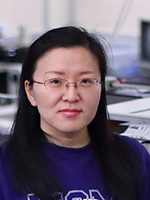
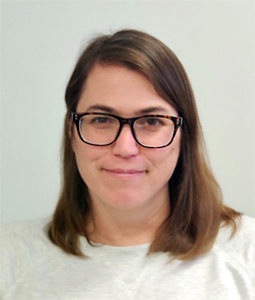
Rui He is a Professor in the Department of Electrical & Computer Engineering at Texas Tech University, holding the Ed and Linda Whitacre Faculty Fellowship. His research focuses on optical and magnetic phenomena in nanostructures, particularly leveraging Raman spectroscopy to study low-dimensional materials and quantum systems. Education PhD in Applied Physics (2006), Columbia University MS in Applied Physics (2003), Columbia University BS in Engineering (1999), Fudan University His work spans two-dimensional magnets, spin-phonon coupling, and magnetic particle imaging technologies. Recent articles highlight computational modeling of magnetic sensors, phonon dynamics in van der Waals solids, and additive manufacturing of magnetic materials for healthcare applications. Scientific Award Ed and Linda Whitacre Faculty Fellow (2022)
Manfred Jücker is a Professor at the Institute of Biochemistry and Signal Transduction within the University Medical Center Hamburg-Eppendorf (UKE) . His research focuses on phosphoinositide signaling pathways , particularly the PI3K/AKT/mTOR network , and their roles in cancer progression and leukemia pathogenesis . Jücker investigates how Akt isoforms differentially regulate metastasis , drug resistance , and cell survival in tumors like hepatocellular carcinoma , breast cancer , and colorectal cancer . Recent publications highlight his work on SHIP1 phosphatase in hematopoietic malignancies , targeted kinase inhibition in AML , and metabolic reprogramming via AKT isoform regulation . His team uses in vitro tumor models , xenotransplantation , and phosphoproteomics to explore novel therapeutic approaches. Jücker collaborates extensively with clinicians and researchers in oncology , immunology , and translational medicine , contributing to drug development strategies and personalized cancer therapy . Key projects include reducing animal experiments through in vitro tumoroids and analyzing CYTL1 as a treatment target in elderly AML patients.
Arash Mohammadi is an Assistant Professor in the Department of Electrical and Computer Engineering at Concordia University, Montreal, Canada. He holds a PhD from the University of Toronto (2015) and was formerly affiliated with Amirkabir University of Technology, Iran. His research bridges signal processing, artificial intelligence, and biomedical applications. Research Interests: Signal and image processing for healthcare (e.g., lung cancer detection, ECG analysis) Machine learning for smart grids and cyber-physical systems AI in mobile edge computing and 6G networks Transformer and diffusion models for medical and motion data Federated and efficient deep learning for edge devices His recent publications (2021–2025) in top venues like IEEE TSP, ICASSP, and AAAI demonstrate a strong focus on applying cutting-edge AI—especially vision transformers, Mamba architectures, and diffusion models—to critical domains such as medical diagnostics, gesture recognition, and network security. Trends include multimodal fusion, uncertainty quantification, and efficient model design. Scientific Contributions: Developed novel frameworks like NYCTALE and MIXCAPS for lung nodule malignancy prediction Introduced CacheMamba and TEDGE-Caching for edge network optimization Advanced EMG-based gesture recognition using hybrid and transformer models Contributed to cybersecurity in smart grids via attack detection models He actively advises students and collaborates with researchers such as Konstantinos N. Plataniotis and Jamshid Abouei. He has contributed to special issues on neurorehabilitation and AI for COVID-19 diagnosis. His work often involves interdisciplinary teams and real-world applications in healthcare and smart infrastructure.
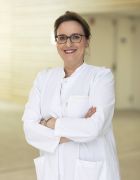
Prof. Dr. Stephanie E. Combs is a leading academic in Radiation Oncology at Technische Universität München (TUM), holding the position of Professor and Chair of the Department of Radiation Oncology. She also serves as the Dean of the TUM Faculty of Medicine since 2022. Her expertise spans highly conformal radiation therapy techniques (e.g., IMRT/IGRT/ART, proton, and carbon ion therapy), with a focus on brain and skull base tumors, pediatric oncology, gastrointestinal oncology, and biomarker-driven therapies. Prof. Combs studied medicine in Heidelberg and the United States, completed postdoctoral training in Heidelberg, and became Vice Chair of Radiation Oncology there before joining TUM in 2014. She has held leadership roles, including heading the TUM Senate from 2019 to 2022. Her research emphasizes precision medicine, radiation biology, and translational radiotherapy innovations. Her awards include the Basic/Translational Senior Science Award (2019), Robert Janker Award (2012), and multiple honors from German and international radiation oncology societies. Her work bridges clinical practice and research, with contributions to guidelines on target delineation for glioblastoma and skull base tumors. Prof. Combs’ publications focus on advancing radiation techniques, radiomics, and personalized therapy, with over 300 peer-reviewed articles. She leads initiatives in education, including a Master of Science program in Radiation Biology, and collaborates internationally in translational research.
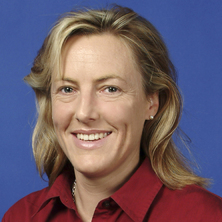
Liisa Hirvonen is a Senior Lecturer in Optical Microscopy at the Centre for Microscopy, Characterisation & Analysis (CMCA) at The University of Western Australia. She serves as Platform Leader for the Optical Microscopy facility and represents Western Australia in both Light Microscopy Australia and the Australia and New Zealand Society for Cell and Developmental Biology. Physics, PhD, King's College London (2008) Physics with Computer Science, BSc, King's College London (2005) Her research focuses on specialized fluorescence microscopy techniques including super-resolution, lightsheet microscopy, and fluorescence lifetime imaging (FLIM). With expertise spanning from instrument development to practical applications, she applies these techniques across biotechnology, bioengineering, medicine, agriculture, and materials science. Her work enables correlative and multimodal imaging by combining optical microscopy with electron microscopy, μCT, and nanoSIMs. Analysis of her recent publications reveals a strong focus on advancing time-correlated single photon counting (TCSPC) techniques, improving FLIM applications, and developing correlative microscopy workflows. Her research consistently bridges physics, engineering, and biological applications, with particular emphasis on quantitative imaging solutions for complex biological problems. Dr. Hirvonen actively leads multiple research projects including an ARC-funded WA lightsheet microscopy facility, development of human microvasculature models, and high-throughput histopathology scanning. She provides extensive training through online programs and practical courses for microscopy users across Western Australia, with a special focus on supporting HDR students in their research imaging needs. As Platform Leader of the CMCA Optical Microscopy facility, she oversees a comprehensive suite of advanced equipment including multiphoton confocal microscopes, Lionheart FX High Content Imagers, and specialized FLIM systems, enabling cutting-edge research across multiple scientific disciplines.
Professor Gabrielle Belz is an ARC Australian Laureate Fellow at The University of Queensland's Frazer Institute within the Faculty of Health, Medicine and Behavioural Sciences. She holds a PhD and multiple advanced degrees in veterinary science and immunology. Her research focuses on understanding protective immunity, cellular differentiation, and innate immune cell development, particularly in mucosal defenses against pathogens like influenza and herpesviruses. Belz pioneered systems for tracking virus-specific T cells and identified critical roles for CD4 T cell help in antiviral responses. Her work integrates multiparameter flow cytometry, systems biology, and in vivo models to study immune pathways in health and disease. Education: Bachelor of Veterinary Biology, The University of Queensland Bachelor (Honours) of Veterinary Science, The University of Queensland Doctor of Philosophy, The University of Queensland Doctoral Diploma, The University of Queensland Research Interests: Mechanisms of protective immunity against respiratory and gastrointestinal pathogens Role of innate lymphoid cells (ILCs) and T cells in mucosal immunity Immune responses to chronic infections and tumours Epithelial- immune cell cross-talk in barrier integrity Spatial biology and multi-omics approaches to study immune landscapes Awards & Honours: Arc Laureate Fellowship (2024) Gottschalk Medal (Australian Academy of Science) Wellcome Trust Overseas Fellowship HHMI International Research Scholar Award NHMRC Elizabeth Blackburn Fellowship Grants & Funding: ARC Australian Laureate Fellowships (2025-2029) NHMRC MRFF grants for lung cancer and immunotherapy research Cure Cancer Early Career Research Grants (2024-2026) Her laboratory actively supervises PhD candidates exploring mucosal immunity, vaccine development, and innate immune cell metabolism. Belz collaborates widely, leveraging cutting-edge platforms like spatial multi-omics to advance translational immunology.
Dr. Ahlam Ali is a Lecturer in Biomedical Science (Cancer Biology) at the School of Life Sciences , University of Wolverhampton. With a PhD in Experimental Therapeutics from Queen's University Belfast and industry experience in nanomedicine development, she bridges laboratory research with clinical translation. Specializes in drug repurposing for cancer and antiviral applications Pioneer in 3D primary culture models and high-throughput screening Develops nanotechnology-based delivery systems for drugs and genes Contributes to HPV vaccine commercialization (Phase I/IIA trials in 2023) Her recent research focuses on broad therapeutic strategies including Anti-COVID drug repurposing Nanoparticle delivery systems Cervical cancer prevention in Muslim communities Computational drug discovery She has received the Daniel Turnberg Travel Fellowship (2017, 2021), GCRF funding (2020), and a Yarmouk University trophy (2021). Her work extends to mentoring students and leading international collaborations across Jordan, Tunisia, Libya, and Saudi Arabia.
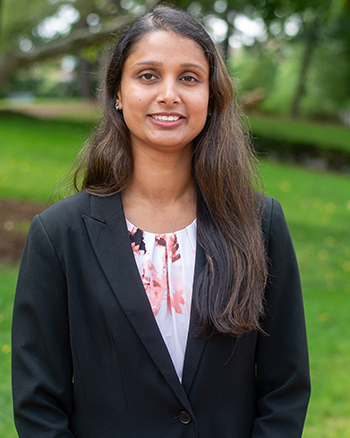
Devina Jaiswal serves as an Associate Professor of Biomedical Engineering at Western New England University, based in Sleith Hall with contact details including phone (413-782-1618) and email (devina.jaiswal@wne.edu). Her academic foundation includes advanced degrees from Pennsylvania State University and the University of Connecticut, establishing her expertise in biomaterials and cellular mechanics. Her educational background comprises: M.S. from Pennsylvania State University Ph.D. from the University of Connecticut Dr. Jaiswal's research centers on Tissue Engineering , BioMEMS , Drug Delivery , and Mechanobiology , with emphasis on mechanical micro-heterogeneity in biomimetic systems. She pioneers label-free characterization techniques and microtweezers-based stiffness analysis for 3D spheroids, bridging engineering principles with biological applications to advance regenerative medicine and cancer therapeutics through innovative biomaterial design. Her publication record (2012-2018) demonstrates consistent focus on mechanical properties of biomaterials and cellular microenvironments. Key themes include nanofiber matrix development for tissue scaffolds, osteoblast response to topographical cues, and micromagnetic cell manipulation systems. These works reveal strong interdisciplinary integration across biomedical engineering, materials science, and cell biology with direct applications in drug delivery optimization and tumor microenvironment modeling. No scientific awards are mentioned in the provided text. While specific advisees and grant funding details are not enumerated, her extensive co-authorship with researchers like Kazunori Hoshino and Kevin P. Claffey indicates active mentorship of graduate students and participation in collaborative research projects. The publication patterns suggest involvement in sustained grant-supported investigations into biomaterial mechanics and cellular response mechanisms. Dr. Jaiswal operates within a specialized laboratory environment focused on biomaterials characterization and cellular mechanics, utilizing microtweezers and micromagnetic systems for real-time single-cell analysis. Her research group maintains strong interdisciplinary connections with collaborators across multiple institutions, driving innovation in tissue engineering platforms and diagnostic microsystems.
Adelina Rogowska-Wrzesinska is an Associate Professor at the Department of Biochemistry and Molecular Biology, University of Southern Denmark. Specializing in Biomedical Mass Spectrometry and Systems Biology , her research spans proteomics, oxidative stress, protein oxidation, and 3D cell culture models. Affiliation : Department of Biochemistry and Molecular Biology, University of Southern Denmark Academic Role : Teaching and research leadership Her research interests focus on: Redox biology and protein oxidative modifications 3D spheroid models for disease and toxicity studies Mass spectrometry-based proteomics and lipidomics Oxidative stress in cellular senescence and disease Plant stress responses and proteomics Scientific Trends : Recent publications highlight advancements in 3D culture modeling (NAFLD, genotoxicity), redox proteomics (glutathionylation, disulfide bonds), and multi-omics integration (chromatin proteomics, lipidome mapping). Teaching and Supervision : She has supervised multiple PhD students (e.g., Christina Erika Hagensen, Helle Frandsen) and taught courses like Basic Biochemistry (BMB530) and Fundamental Molecular Biology (BMB504) .
Dr. Michele Zagnoni is a Reader (equivalent to Associate Professor) in the Department of Electronic & Electrical Engineering at the University of Strathclyde, Glasgow, UK. He leads the Zagnoni Lab, which focuses on developing microfluidic and lab-on-a-chip technologies for healthcare applications including fundamental biological research, drug screening, and personalized medicine therapy. His research group works on creating organ-on-a-chip in vitro models and synthetic biology applications. His academic qualifications include: Ph.D. degree in Electronic Engineering and Computer Science (2006) Dr. Eng. degree (5 year degree) in Electronic Engineering with Bioengineering qualification (2002) Italian state certification for engineering practice (2002) PostGraduate Certificate in Advanced Academic Studies (2012) Member of the EPSRC Peer Review College (2013) Dr. Zagnoni's research spans microfluidic technology development for healthcare applications with particular emphasis on: Development of microsystems for basic biology investigation Diagnosis and treatment of disease Creation of in vitro models and organ-on-a-chip systems Synthetic biology applications High-throughput screening and diagnostic systems His recent publications (2020-2025) demonstrate a strong trend toward neurological disease modeling, cancer research, and reproductive health applications using microfluidic platforms. His work bridges fundamental microfluidic technology development with applied healthcare solutions, with increasing focus on patient-derived models and precision medicine approaches for conditions including Parkinson's disease, Alzheimer's disease, cancer, and stroke. Scientific recognition includes: Member of Departmental Safety Committee (2011) Dr. Zagnoni actively supervises students and has secured numerous research grants, including major projects funded by EPSRC and the National Centre for the Replacement, Refinement and Reduction of Animals in Research (NC3Rs). His lab has developed innovative microfluidic platforms for drug screening, disease modeling, and diagnostic applications. Current research projects include developing human stroke-on-a-chip models, engineering the bone marrow niche to control stem cell regulation, and creating microfluidic platforms for immuno-oncology drug screening services. The Zagnoni Lab operates from the Technology and Innovation Centre at the University of Strathclyde and collaborates extensively with biotech and pharmaceutical industries. The lab has also spun out ScreenIn3D, a start-up company providing miniaturized oncology drug screening services using 3D human in vitro models of disease.
İlkay Öksüz is an Associate Professor in the Department of Computer Engineering at Istanbul Technical University (ITU), where he has been serving since 2021, following his appointment as a Doctoral Academic Staff member in 2020. He previously held research positions at King's College London (2017–2020), The University of Edinburgh (2016), and Yale University (2015–2016). He earned his Ph.D. in Computer, Decision and Systems Science from IMT School for Advanced Studies Lucca, Italy, in 2017, under the supervision of Prof. Sotirios Tsaftaris. B.Sc. in Electronics Engineering, Istanbul Technical University (2010) M.Sc. in Electrical-Electronics Engineering, Bahçeşehir University (2013) Ph.D. in Computer, Decision and Systems Science, IMT School for Advanced Studies Lucca (2017) His research focuses on medical image analysis, particularly in cardiac MRI, with core interests in image segmentation, registration, quality assessment, and reconstruction using deep learning. He also explores electricity price forecasting and explainable AI. His work bridges machine learning with clinical applications, aiming to improve diagnostic accuracy and automation in radiology. The 15 most recent publications highlight a strong trend in applying deep learning to medical imaging, especially cardiac and prostate MRI, mammography, and ECG analysis. A significant emphasis is placed on explainability , optimization , and clinical applicability , with frequent participation in MICCAI challenges and collaborations with radiology departments. Projects also extend into energy forecasting, showing interdisciplinary versatility. Scientific awards include: 2024 ITU Young Scientist Award in Engineering 2024 Parlar Research Incentive Award He leads the Predictive Intelligence and Medical Imaging (PIMI) Lab at ITU, mentoring graduate students and managing multiple funded projects, including the TUBITAK International Fellowship. His lab has achieved top placements in national and international AI competitions such as Teknofest and MICCAI challenges. He serves as principal investigator (PI) on several active grants focused on interpretable deep learning for medical imaging and electricity forecasting. The PIMI Lab, under his leadership, actively participates in high-impact medical AI challenges and has consistently achieved top rankings in competitions related to prostate cancer detection, breast imaging, and cardiac MRI reconstruction, demonstrating strong translational research impact.
Katie Kathrein is an Assistant Professor in the Department of Biological Sciences at the University of South Carolina's College of Arts and Sciences. Her research focuses on chromatin modifying factors in hematopoietic stem cells (HSCs) using zebrafish as a model organism. Research Interests The Kathrein Lab investigates how chromatin structure regulates HSC gene expression during development and differentiation. Key areas include: Epigenetic mechanisms in hematopoiesis Chromatin remodeling complexes 3D DNA organization Transcriptional regulation by histone modifications Zebrafish developmental models Therapeutic applications in stem cell transplants and cancer chemotherapy Publications Overview Dr. Kathrein's work spans developmental biology and epigenetics, with a focus on hematopoietic regulation through chromatin structure. Her publications highlight collaborations with prominent researchers in stem cell biology and developmental genetics, primarily using zebrafish models to explore fundamental biological processes.
Mary Kearns-Jonker is an Associate Professor in the Department of Pathology and Human Anatomy at Loma Linda University School of Medicine and serves as Co-Program Director of the Cancer, Developmental and Regenerative Biology PhD program. Her research is centered on regenerative medicine, with a focus on stem cell biology, xenotransplantation, and the impact of microgravity on cardiovascular progenitor cells. Her research interests span regenerative medicine , stem cell biology , cardiovascular development , and space biomedicine . She investigates how neonatal cardiovascular progenitor cells can be harnessed for cardiac repair, including mechanisms involving YAP1 signaling, extracellular vesicles, and the effects of hypoxia and microgravity. Her lab has pioneered studies on stem cell behavior in space, using the International Space Station to explore how microgravity alters gene expression and functional properties of progenitor cells, with implications for both Earth-based and space-based regenerative therapies. The recent publication trends highlight a strong focus on cardiac regeneration , microgravity effects , biomaterial scaffolds , and transcriptomic analysis . Her work bridges molecular biology, tissue engineering, and translational medicine, with increasing emphasis on space biomanufacturing and biotechnology. Efficient Generation of Integration-Free iPS Cells from Human Adult Peripheral Blood Using BCL-XL Together With Yamanaka Factors (2013) Gene therapy to inhibit xenoantibody production using lentiviral vectors in non-human primates (2007) Dr. Kearns-Jonker has led significant research initiatives, including a project on generating integration-free iPS cells and studies on xenotransplantation immunology. Her work has been supported by research grants related to gene therapy, stem cell transplantation, and spaceflight experiments. She mentors students and researchers in the Cancer, Developmental and Regenerative Biology program and contributes to advancing regenerative therapies for heart failure and organ repair. Her research team actively explores innovative solutions for end-stage organ failure, combining xenotransplantation strategies with stem cell-based repair. Current efforts include biomanufacturing in low Earth orbit and understanding how spaceflight alters stem cell regenerative potential, positioning her at the forefront of space biomedical research.
João Carlos Lopes de Carvalho is a Full Professor at the Faculty of Science and Technology of the University of Coimbra, Portugal, where he has held academic positions since 1987. He was promoted to Associate Professor in 2003 and attained Full Professor status in 2022. His research spans computational biology, biophysical modeling of cancer, and experimental particle physics, with extensive participation in international collaborations including CERN (CPLEAR, ATLAS) and DESY (HERA-B). PhD in Experimental Particle Physics, University of Liverpool (1994) Aggregate Title (Habilitation), University of Coimbra (2003) Bachelor’s Degree in Physics, University of Coimbra (1987) His research focuses on the computational modeling of biological systems, particularly the bioelectric mechanisms underlying cancer initiation and progression. He develops discrete models such as cellular automata and cellular Potts models to simulate tissue dynamics in 2D and 3D, with applications in bladder and prostate cancer. Earlier in his career, he contributed to particle detector development, data acquisition, and physics analysis in high-energy experiments. The recent trends in his publication record show a strong emphasis on multiscale modeling of tumor growth, angiogenesis, and the role of bioelectricity in carcinogenesis. His work integrates computational simulations with biological insights, targeting early cancer detection and therapeutic strategies. Articles are published in high-impact journals such as Scientific Reports , PLOS Computational Biology , and Bulletin of Mathematical Biology . Supervised or co-supervised 4 PhD theses and 19 master’s dissertations Participated in over 50 research projects, coordinating 9 Principal investigator on grants including FCT projects PTDC/EMD-TLM/7289/2020 and PTDC/BIA-CEL/31743/2017 Involved in major collaborations: CERN (ATLAS, CPLEAR), DESY (HERA-B), SNO+ João Carlos Lopes de Carvalho has been a key figure in advancing computational approaches in oncology and biophysics. His work bridges physics, engineering, and life sciences, contributing to both fundamental understanding and potential clinical applications in cancer research.
Luigi Preziosi is a Full Professor in the Department of Mathematical Sciences "GL Lagrange" (DISMA) at Politecnico di Torino , where he conducts interdisciplinary research at the intersection of mathematics, biology, and engineering. He is a member of the Interdepartmental Center PolitoBIOMed Lab and actively contributes to doctoral programs in Complex Systems for Quantitative Biomedicine at both Politecnico di Torino and the University of Turin. Research Interests: Mathematical modeling of cancer, focusing on tumor growth, cell invasion, and vascular network formation. Mechanics of cell aggregates, tissue growth, and multiphase modeling incorporating adhesion and stress relaxation. Biomechanics of cellular systems, including cell motility, durotaxis, and response to mechanical stretch. Engineering applications such as windblown sand mitigation, avalanche dynamics, soil mechanics, and composite materials manufacturing. His recent publications highlight a strong trend in multiscale and multiphase modeling , particularly in simulating tumor spheroids, cellular reorientation under mechanical stimuli, and the role of the extracellular matrix in cancer progression. These works integrate biomechanics with kinetic and continuum models to understand complex biological behaviors. Scientific Recognition: Fellow, Accademia dei Lincei (2016–present) Corresponding Member, Interuniversity Center for Mathematics Applied to Biology (CIMAB) (2010–present) Editorial and Academic Service: He holds editorial positions in several leading journals, including Mathematics in Engineering (President of Editorial Committee), PLOS ONE , Journal of Theoretical Biology , and Mathematical Medicine and Biology . He has led major research projects funded by the Italian PRIN and EU H2020 programs, such as SMaRT and DERMA. Advising and Research Leadership: He has supervised PhD students including Gabriele Fioretto and Claire Claude Yvonne Alamichel , and leads research groups focused on mathematical physics and biomedical modeling. His work bridges theoretical development with practical applications in oncology and environmental engineering. Laboratories and Research Networks: He is affiliated with the PolitoBIOMed Lab and has participated in international research networks such as M3CS-TU TH, SMaRT, and mcrtn, fostering collaboration in mathematical biosciences.