معرفی
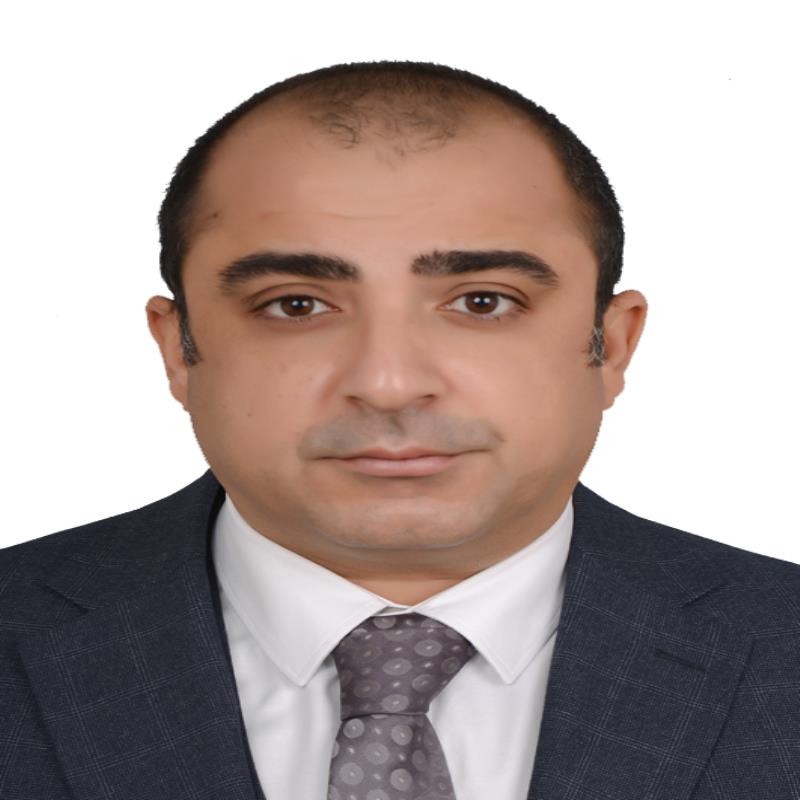
Dr. Yuri van Hoef is a Lecturer at the Department of History within the Erasmus School of History, Culture and Communication at Erasmus University Rotterdam. His research specializes in political history with a focus on emotions in politics, particularly exploring friendship between state leaders in contemporary history. His work bridges political theory, international relations, and diplomatic studies, emphasizing how personal relationships influence geopolitical dynamics.
Van Hoef holds a PhD from the University of Leeds (2018), where his thesis on political friendships among elite actors was awarded prestigious scholarships including the University Research Scholarship and White Rose University Consortium prizes. His educational background includes advanced studies in history and political science, culminating in his doctoral research analyzing relationships like Helmut Schmidt-Giscard d’Estaing and Margaret Thatcher-Reagan.
His research interests span contemporary political history, the role of emotions in diplomacy, and the conceptualization of friendship in international relations. He has published widely in journals like Political Psychology, International Affairs, and Politics and Governance, with notable works on Franco-German reconciliation, Middle Power diplomacy in the War on Terror, and the symbolism of friendship in post-Cold War Europe.
Van Hoef has received the ESHCC Incentive Award (2021) and actively engages in academic discourse through invited lectures (e.g., on Erdoğan-Obama relations) and media contributions discussing geopolitical tensions and historical perspectives on leadership dynamics. His work underscores the interplay between personal relationships and institutional politics, offering fresh insights into diplomatic strategies and collective memory construction.
He is affiliated with the ERMeCHS research cluster’s GFCP (Global Futures, Colonial Pasts) initiative, reflecting his broader engagement with historical legacies in contemporary political contexts. His research continues to explore underappreciated dimensions of affective politics in shaping international relations.
/prod01/yorksjacuk/media/content-assets/staff-profile-images/Dr-James-Cooper.jpg)