معرفی
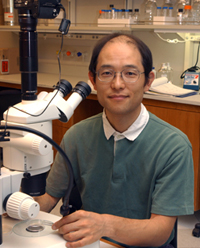
Yukio Saijoh is an Adjunct Assistant Professor of Neurobiology at the University of Utah, affiliated with the Molecular Biology Program. His research delves into vertebrate pattern formation, particularly focusing on left-right asymmetry and heart development using chick and mouse models.
Education:
- B.S. in Biology from Tohoku University, Japan
- Ph.D. in Biology from Tohoku University, Japan
Research Interests:
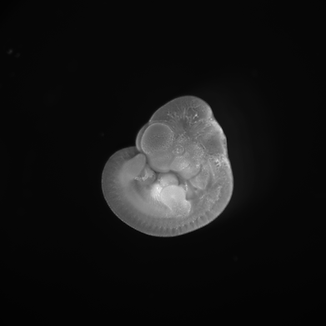
Dr. Saijoh's primary research revolves around understanding how vertebrates establish their complex body plans during embryogenesis. He investigates the genetic cascades that regulate left-right asymmetry, which is crucial for proper organ positioning and function. His work emphasizes the roles of endoderm in asymmetry establishment, cardiac looping morphogenesis, and intestinal asymmetric morphogenesis. These studies aim to elucidate the molecular mechanisms underlying congenital disorders such as biliary atresia, omphalocele, and cardiac malformations.
His research employs a multi-faceted approach, utilizing chick embryos for in vivo observations and mouse models for genetic manipulations. By examining cell behaviors like proliferation, migration, and differentiation, Dr. Saijoh uncovers the fundamental principles governing organogenesis and morphogenesis.
Publications Overview:
Dr. Saijoh has contributed extensively to developmental biology, with publications spanning from 2007 to 2018. His work covers a broad spectrum of topics including heart tube formation, gallbladder development, left-right asymmetry signaling, and the genetic basis of congenital diseases. His research integrates molecular genetics, embryology, and disease modeling to advance our understanding of vertebrate development.
Laboratory and Collaborations:
While specific details about his laboratory or team are not provided, Dr. Saijoh's collaborative efforts are evident through his extensive publication record with various co-authors. His affiliations with the University of Utah and Tohoku University underscore his active engagement in both research and academic communities. Future directions likely involve continued exploration of developmental genetics and their implications for human health.