معرفی
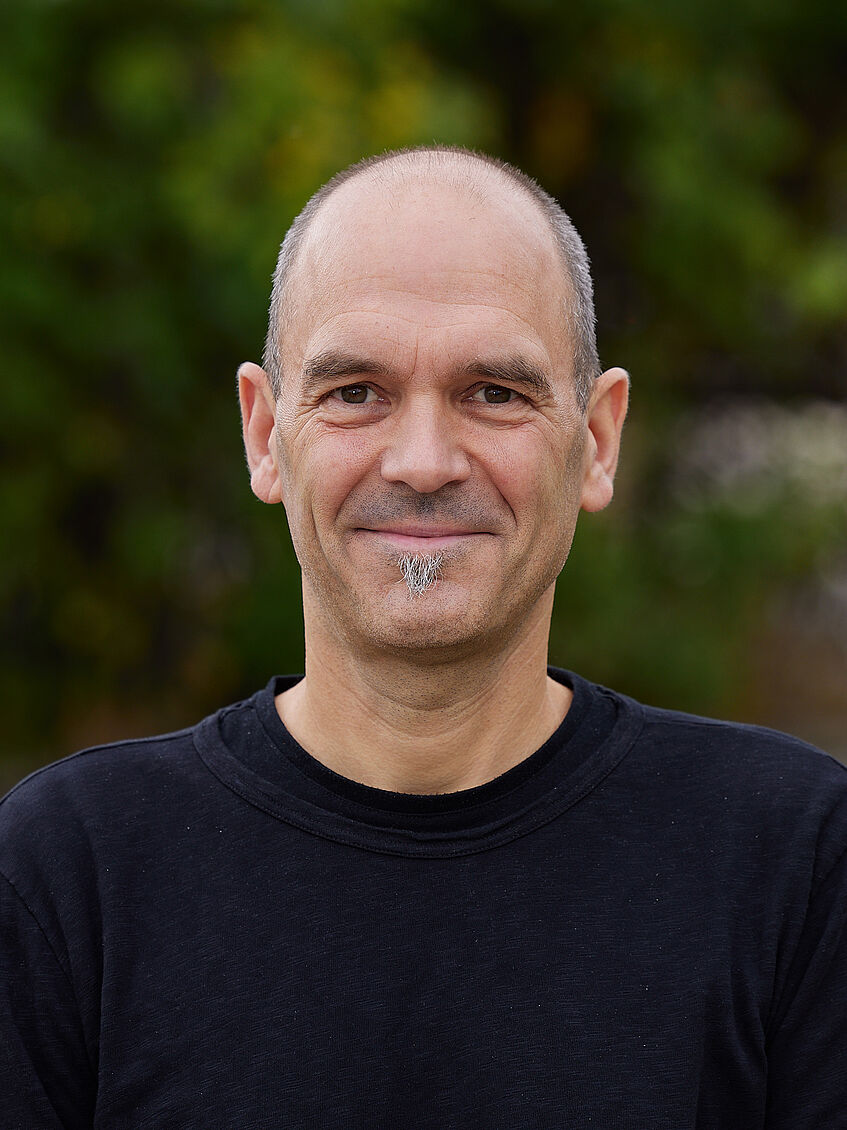
Yohannes Mehari is a Senior Lecturer in the Department of Biological Sciences at Auburn University, located in the College of Sciences and Mathematics. He is based in Funchess Hall and is actively involved in teaching and research in microbiology and immunology. His office is at 101 Life Sciences Building, Auburn, AL 36849, and he can be reached at (334) 844-1667 or via email at ytm0001@auburn.edu.
Education:
- Ph.D. - Middle Tennessee State University
- B.Sc. - University of Asmara, Asmara, Eritrea
Dr. Mehari's research focuses on microbial pathogens, particularly intranuclear and intracellular bacteria that infect amoebae. His work bridges molecular microbiology, bacterial pathogenesis, and immunology, with a special emphasis on amoeba-resistant bacteria as models for understanding host-pathogen co-evolution. He also contributes to molecular mycology, studying fungal-microbe interactions at the genetic level.
His recent publications center on the discovery and genomic characterization of two novel intranuclear bacteria, 'Candidatus Berkiella aquae' and 'Candidatus Berkiella cookevillensis'. These studies highlight his expertise in genome sequencing, bacterial taxonomy, and environmental microbiology, contributing to broader fields such as microbial evolution and host adaptation mechanisms.
Scientific Awards:
- No awards listed in the provided text.
Dr. Mehari is involved in mentoring and teaching at both undergraduate and graduate levels, notably teaching General Microbiology (BIOL 3200). While specific grant funding or student advisement details are not mentioned, his research output suggests active engagement in laboratory-based microbial genomics. He is likely part of a research team focused on intracellular pathogens and their ecological and evolutionary implications.
Laboratories and Research Teams:
- Research appears to be conducted in collaboration with investigators including Anthony L. Farone, Mary B. Farone, and John H. Gunderson, possibly within a microbial pathogenesis or environmental microbiology lab at Auburn University.