معرفی
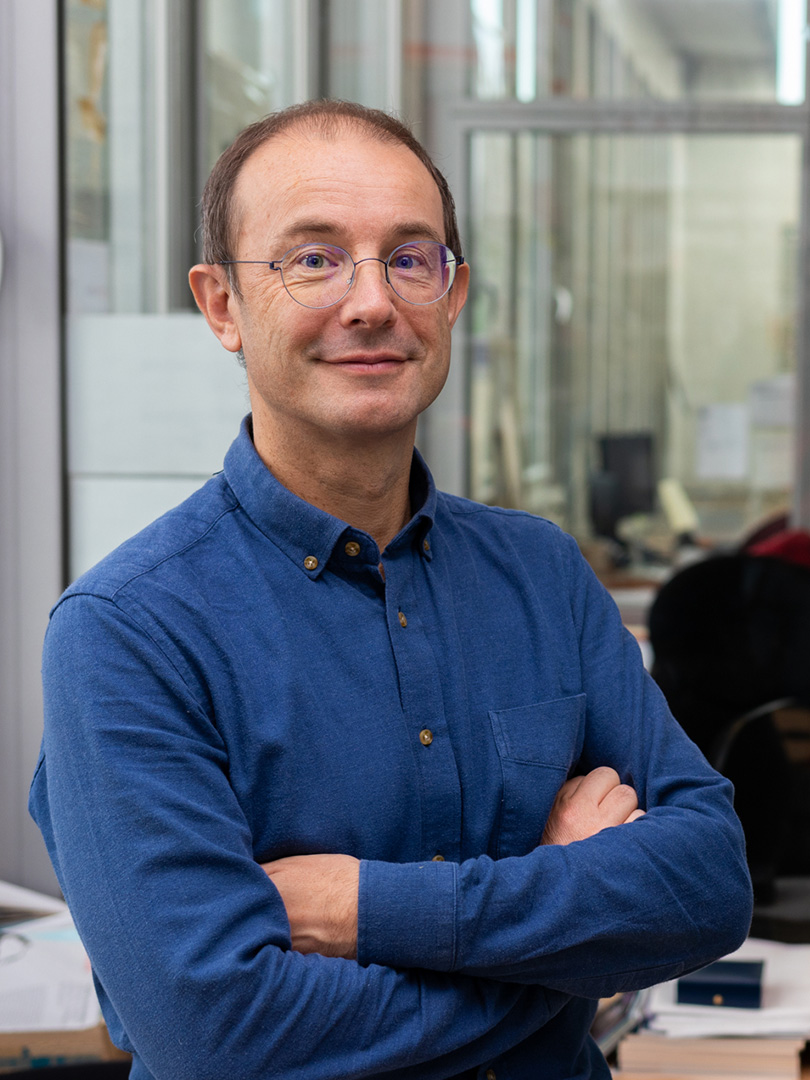
Yoan Simon is an Associate Professor at Arizona State University (ASU), holding dual affiliations in the School of Molecular Sciences and the Biodesign Center for Sustainable Macromolecular Materials and Manufacturing. Previously, he served as an Assistant Professor (2016–2021) and later Associate Professor (2021–2024) at the University of Southern Mississippi. His academic journey includes a PhD from the University of Massachusetts Amherst, a Master’s and Bachelor’s from Ecole Nationale Supérieure de Chimie de Montpellier, and postdoctoral work at ETH Zurich and the Adolphe Merkle Institute.
Simon’s research focuses on adaptive polymeric materials inspired by nature, emphasizing sustainability, mechanochemistry, and light upconversion. His team develops responsive materials for energy, environmental, and biomedical applications. Key areas include polymer architecture control, supramolecular chemistry, and low-power photonics. He has pioneered studies on mechanophores for real-time deformation monitoring and self-healing polymers.
His work has been recognized through awards such as the NSF CAREER Award (2020), ETH Fellowship (2008), and Hans and Marlies Zimmer International Scholar (2015). Simon actively teaches courses in research techniques, honors thesis supervision, and specialized topics in materials science. His lab, Simon Research Group, recruits students and postdocs to tackle challenges at the interface of chemistry and engineering.
- Education:
- PhD in Polymer Science & Engineering, University of Massachusetts Amherst
- MSc & BSc in Chemistry, Ecole Nationale Supérieure de Chimie de Montpellier
- Key Research Themes:
- Mechanochemistry and stimuli-responsive materials
- Photon upconversion and light-driven systems
- Self-healing and degradable polymers
- Adaptive nanocomposites and polymersomes
- Awards:
- NSF CAREER Award (2020)
- ETH Zurich Postdoctoral Fellowship (2008)
- Leonardo Da Vinci Fellowship
Simon’s articles highlight advancements in shockwave visualization via mechanophores, sustainable polymer design, and low-power photonics. His work bridges fundamental science with societal needs, addressing energy, sustainability, and material durability challenges.