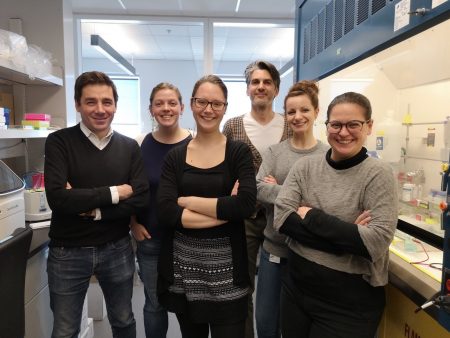
Ya-Chi Ho
دانشیار · HIV-1 persistence
Max Planck Institute of Molecular Cell Biology and Geneticsمعرفی
Ya-Chi Ho is an Associate Professor with Tenure in Microbial Pathogenesis and an Associate Professor on Term in Infectious Diseases at Yale School of Medicine. She serves as Director of Graduate Studies for the Microbiology PhD Program of Biological and Biomedical Sciences. Dr. Ho is affiliated with multiple Yale research centers including the Cancer Immunology program, Center for RNA Science and Medicine, Immunology, Internal Medicine, Microbiology, Virology Laboratories, Yale Cancer Center, and the Yale Center for Systems and Engineering Immunology (CSEI).
Dr. Ho's research focuses on understanding HIV-1 persistence and HIV-1-induced immune dysfunction using single-genome and single-cell approaches on clinical samples. Her work has revealed that HIV-1 preferentially persists in cytotoxic CD4+ T cells and identified antigen stimulation and tumor necrosis factor (TNF) as key drivers for the clonal expansion of HIV-1-infected cells. She developed innovative methods including HIV-1 full-length single-genome sequencing (Cell 2013) and single-cell HIV-1 SortSeq (Science Translational Medicine 2020), which became standard measurements for studying the HIV-1 latent reservoir.
Analysis of Dr. Ho's recent publications shows a strong trend toward single-cell multi-omics approaches to understand HIV persistence mechanisms, with increasing focus on tissue-resident memory T cells, spatial transcriptomics of HIV in tissues, and the intersection of HIV with other conditions like opioid use disorder. Her work bridges molecular virology, immunology, and clinical applications with the ultimate goal of developing an HIV cure.
Her notable awards include:
- Andy Kaplan Prize (2018)
- Gilead Sciences Research Scholar in HIV (2018)
- Rudolf J. Anderson Fellowship (2018)
- Lois E. and Franklin H. Top, Jr. Yale Scholar (2017)
- Distinguished Alumni Award from National Cheng Kung University (2016)
Dr. Ho's research is primarily funded by NIH grants, including an R21 awarded one year after her PhD completion and two R01-level grants secured within one year of starting her lab at Yale. She serves as an investigator for major collaborative projects such as the NIH Structural Biology Center CHEETAH, NIH Martin Delaney Collaboratory BEAT HIV and REACH (UM1), and a P01 grant. Her lab employs cutting-edge single-cell technologies to study HIV-infected cells directly from clinical samples, providing unique insights into HIV persistence mechanisms.
The Ya-Chi Ho Lab, located in the Boyer Center for Molecular Medicine, focuses on exploiting molecular virology, genetics, bioinformatics, immunology and single-cell technology to understand the mechanisms of HIV persistence and develop a cure for HIV. The lab's translational approach bridges bench discoveries into clinical applications, with rotation projects available from wet-bench virology/immunology experiments to computational analyses.