

معرفی
Xiaoyu Wang serves as an Assistant Professor in the Department of Chemical Engineering within the College of Engineering at the University of Arkansas. His research integrates computational molecular modeling with experimental approaches to investigate fundamental separation mechanisms for critical materials.
His educational background includes:
- B.S. in Chemistry from Sichuan University (2012)
- M.S. in Chemical Engineering from Illinois Institute of Technology (2015)
- Ph.D. in Chemical Engineering from Illinois Institute of Technology (2020)
Dr. Wang's research program centers on molecular-level understanding of separation thermodynamics using advanced simulation techniques. He specializes in quantifying free energy landscapes through metadynamics and umbrella sampling to decode solvation, adsorption, and phase transfer processes. His work extends to designing task-specific ionic liquids with switchable polarity and chelating side chains for rare earth purification, while also investigating zeolite frameworks and mineral interfaces for CO₂ capture and hydrocarbon separation applications.
Recent publications (2022-2024) demonstrate consistent focus on computational separation science, particularly for lanthanides and nuclear waste treatment. His work establishes critical structure-property relationships that bridge quantum-level interactions with macroscopic separation performance, emphasizing practical optimization under real environmental conditions.
No scientific awards were documented in the provided materials.
Dr. Wang leads the Critical Materials Separation Lab where he advises graduate students in computational and experimental separation research, though specific advisee names were not listed. His research program appears supported by institutional and likely federal funding sources focused on critical materials security.
The Critical Materials Separation Lab operates through three integrated thrusts: Molecular Dynamics for Critical Material Separation, Ionic Liquids Design for Advanced Separations, and Membrane and Interfacial Separation. The lab combines computational modeling with experimental validation to develop next-generation separation technologies for energy-critical applications.
Xiaoyu Wang در سایتهای دیگر
جستوجوهای مرتبط
شاید اینها هم برایتان مناسب باشند
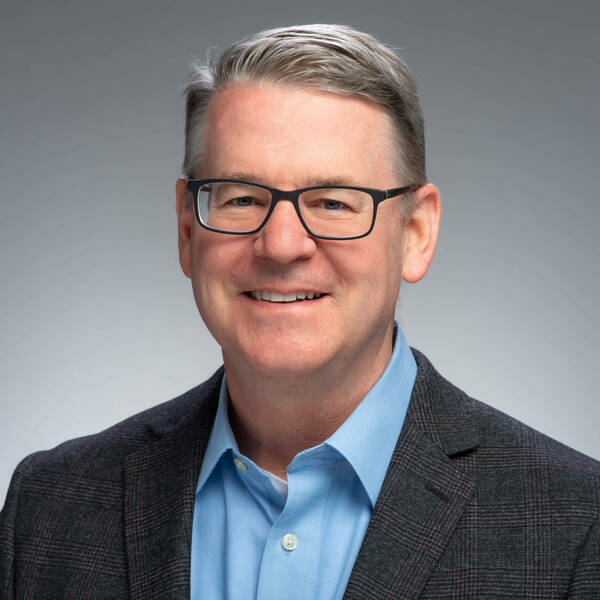 Edward MaginnUniversity of Notre Dame · استاد
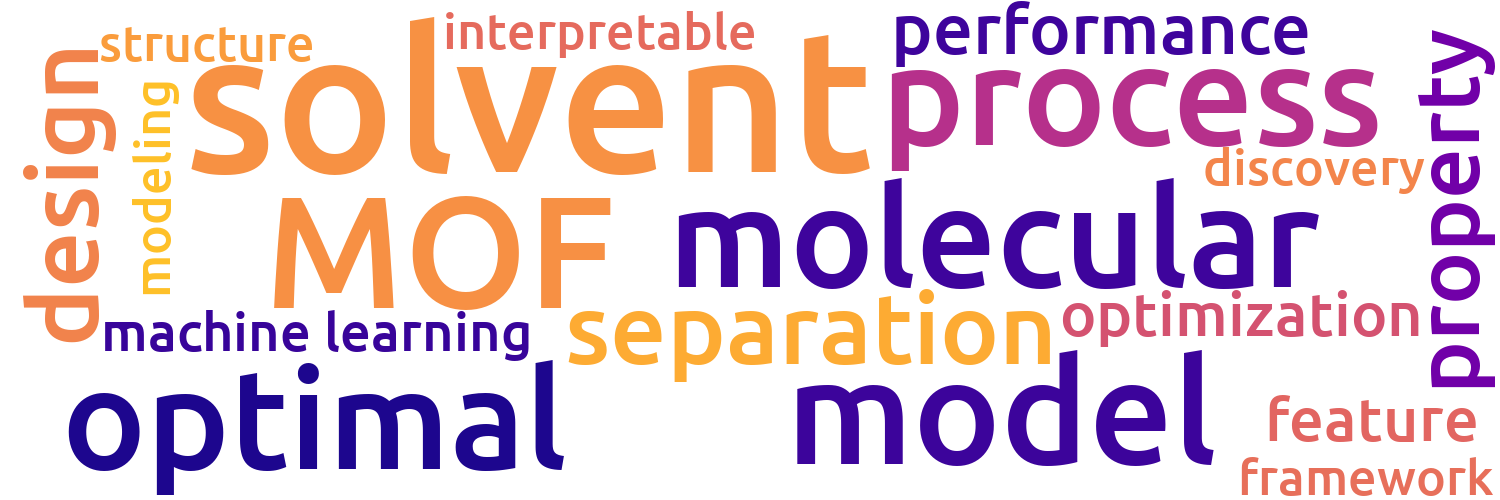 Zihao WangMax Planck Institute for Dynamics of Complex Technical Systems · پژوهشگر
 Valentina MiglioratiSapienza University of Rome · پژوهشگر
 Burcu GurkanCase Western Reserve University · استاد
 Mark B. ShiflettUniversity of Kansas · استاد
- WWillem VerboomUniversity of Twente · پژوهشگر