
معرفی
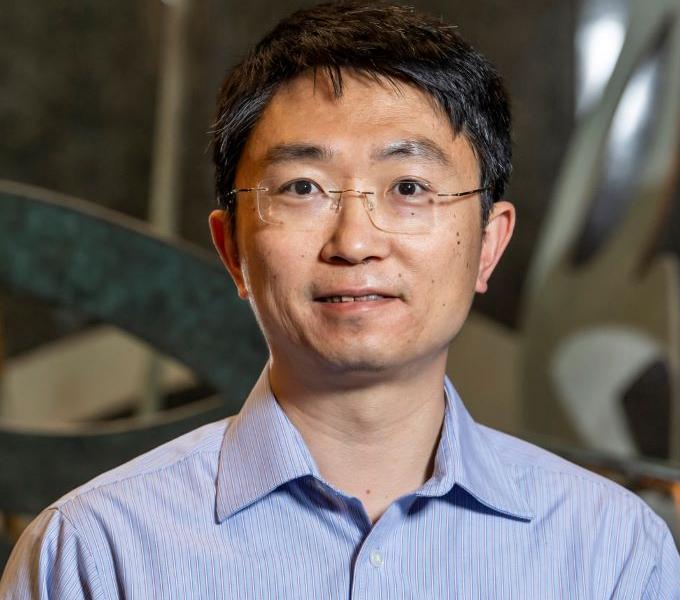
Xiaosong Wang is an Associate Professor of Pathology at the University of Pittsburgh School of Medicine and leads a research laboratory at UPMC Hillman Cancer Center. His work bridges computational genomics and experimental cancer biology to advance precision oncology.
Dr. Wang's research focuses on exploring uncharted areas of cancer genetics, with particular emphasis on gene fusions, intragenic rearrangements, and developing AI-driven approaches for precision oncology. His laboratory employs a multidisciplinary approach integrating computational genomics, machine learning, cancer genetics, and translational cancer biology to identify viable cancer targets and develop precision therapeutics.
His recent work has demonstrated that intragenic rearrangement burden (IRB) serves as a promising biomarker for predicting immunotherapy response in tumors with low tumor mutation burden. He has also identified recurrent gene fusions in breast cancer subtypes that serve as precision biomarkers matched with targeted therapies. His laboratory developed the "integral genomic signature analysis" approach, which predicts responses to targeted therapy and chemotherapy using multi-OMIC data.
Dr. Wang's laboratory has received significant funding from various sources:
- National Cancer Institute (two R01 awards and one R21 award)
- Department of Defense Congressionally Directed Medical Research Programs (two breakthrough awards, Idea Award, and two Postdoctoral Fellowship Awards)
- Susan G. Komen for the Cure Foundation (two Postdoc Fellowship awards)
- PA Breast Cancer Coalition, Nancy Owens Memorial Foundation, Breast Cancer Research Foundation
His laboratory has made several significant discoveries including ESR1-CCDC170, BCL2L14-ETV6, and RAD51AP1-DYRK4 as precision biomarkers for aggressive breast cancer subtypes. His team has also characterized amplified kinase targets in breast cancer such as TLK2 and NLK, conducting mechanistic studies and preclinical trials on their kinase inhibitors. Currently, they are developing the Genomics to Knowledge (G2K) AI framework that transforms multi-omics datasets into actionable biological insights through a dual-AI strategy combining mechanism-driven AI with agentic AI models.


