معرفی
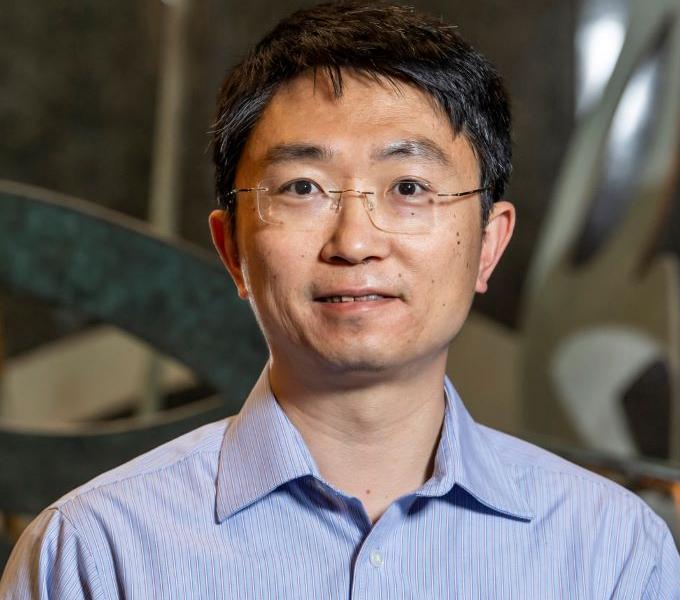
Xiaosong Wang is a Professor at the University of Pittsburgh School of Medicine where he directs the Wang Laboratory at UPMC Hillman Cancer Center. His research bridges computational genomics and clinical oncology with a focus on developing precision biomarkers for cancer treatment. His laboratory develops innovative computational approaches to analyze multi-omics data for advancing precision oncology.
Dr. Wang's research interests center on computational genomics, precision oncology, and translational cancer biology. His laboratory applies interdisciplinary approaches combining computational genomics, artificial intelligence, cancer genetics, and translational biology to explore uncharted areas of cancer genetics. Key research areas include identifying actionable cancer targets, developing AI-backed genomics tools, and advancing precision oncology based on multi-omics data. His work particularly focuses on breast cancer biomarkers, intragenic rearrangements as 'dark matter' of cancer genetics, and genomic markers for immunotherapy response prediction.
Analysis of Dr. Wang's publications reveals a consistent trajectory from foundational computational methods for gene fusion detection (2009-2014) toward increasingly sophisticated AI-driven approaches for precision oncology (2020-2024). His recent work emphasizes the development of the iGenSig-AI and G2K frameworks that integrate mechanism-driven AI with agentic models for autonomous hypothesis generation. A significant portion of his research focuses on translating computational findings into clinically actionable biomarkers, particularly for breast cancer and immunotherapy response prediction.
- DOD Breakthrough Award for studying predictive genomic biomarkers for precision immuno-oncology
- Level 2 Breakthrough Award from Department of Defense for TNBC-specific BCL2L14-ETV6 fusions research
- Women's Cancer Research and Education Pilot Award
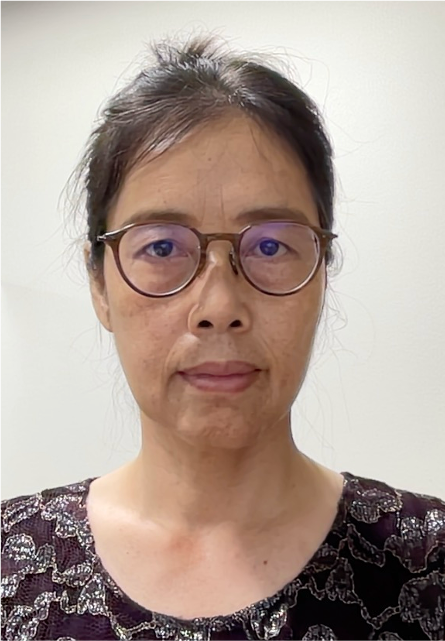
Dr. Wang leads an active research group with multiple postdoctoral researchers and computational biologists including Dr. Renu Sharma and Dr. Chuang Yang. His laboratory has received substantial funding from the Department of Defense for breakthrough cancer research. Current projects focus on translating computational biomarkers into genotype-directed targeted therapies for therapy-resistant breast cancers and developing the G2K AI framework for autonomous cancer biology discovery. The lab maintains several open-source computational tools including iGenSig, IndepthPathway, and intragenic-rearrangement-burden available on GitHub.
The Wang Laboratory operates at the intersection of computational biology and clinical oncology, with research teams dedicated to algorithm development, cancer genomics analysis, and translational validation. The lab has developed multiple computational frameworks including integral genomic signature analysis and the newer iGenSig-AI platform. Current efforts focus on creating a dual-AI strategy that combines mechanism-driven models with autonomous hypothesis-generating systems to accelerate cancer breakthroughs.