معرفی
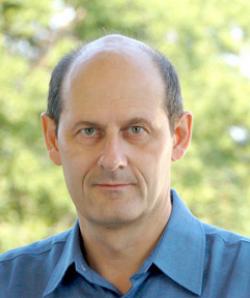
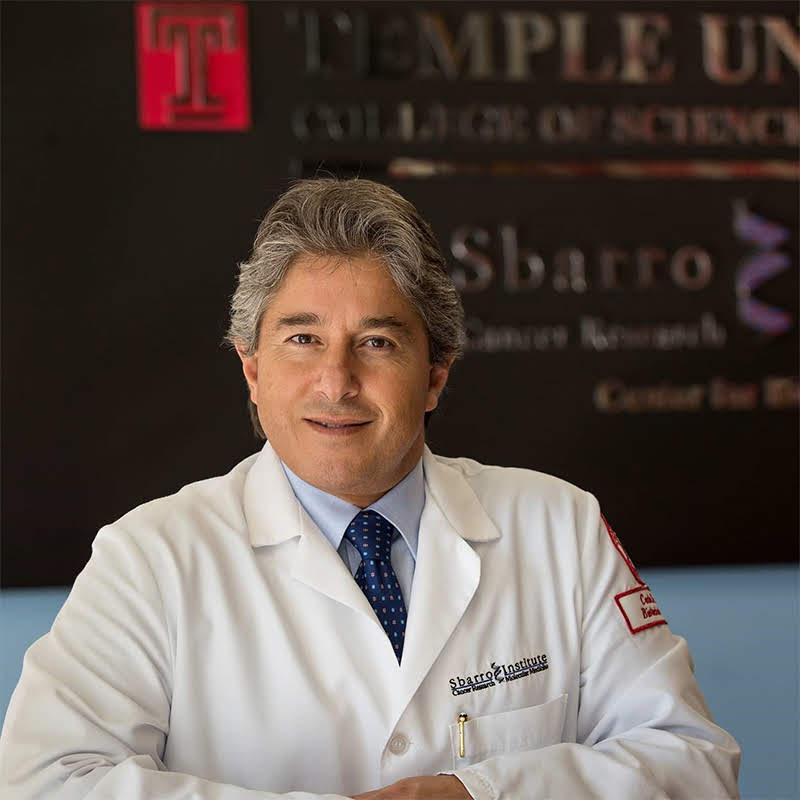
Xavier Graña-Amat, PhD, is a Professor at the Lewis Katz School of Medicine, Temple University, holding appointments in the Departments of Cancer and Cellular Biology, Medical Genetics and Molecular Biochemistry, and Biomedical Education and Data Science. He is also affiliated with the Fels Cancer Institute for Personalized Medicine. His research focuses on cell cycle regulation in normal and malignant cells, particularly mechanisms governing G1 phase transitions and their dysregulation in cancer. He investigates CDKs, cyclins, phosphatases, and tumor suppressors like p130 and the retinoblastoma family proteins. Additional work explores CDK9’s role in HIV replication and transcriptional elongation in T-cells.
Education:
- PhD in Biology (Molecular Biology and Biochemistry), University of Barcelona, 1991
- BSc in Biology (5-year program), University of Barcelona, 1985
- Postdoctoral training at Temple University’s Fels Institute (1991–1994), including Fulbright and Lady Tata Memorial Fellowships
Research Interests: Cell cycle control mechanisms, oncogenic signaling pathways, HIV-CDK9 interactions, and transcriptional regulation. His lab studies how CDK-cyclin complexes and phosphatases regulate cell cycle transitions, with implications for cancer and viral pathogenesis. Key topics include cyclin E/CDK2 activation in quiescent cells, SCFSKP2-mediated protein degradation, and CDK9’s role in HIV replication.
Publications Trends: Over 30 years of research, Dr. Graña-Amat’s work spans cell cycle biology and virology. Recent studies highlight CDK9-dependent genes and mechanisms of quiescence bypass in cancer. Earlier work elucidated p130 phosphorylation dynamics and HIV’s reliance on CDK9 activity during T-cell activation.
Awards & Honors: Member of the American Association for Cancer Research (AACR) and American Association for the Advancement of Science (AAAS).
Advising & Grants: While no advisees are listed, his lab has secured funding to study cell cycle regulators and HIV-CDK9 interactions. Collaborations focus on translational applications of cell cycle research in cancer therapy and antiviral strategies.
Labs & Teams: Leads a multidisciplinary team at Temple University, integrating molecular biology, biochemistry, and computational approaches to study cell cycle and viral pathogenesis. Works closely with the Fels Cancer Institute and Temple’s Biomedical Education initiatives.