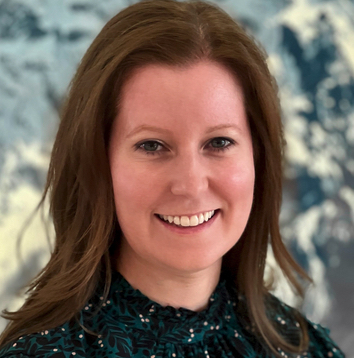
Wolf Hassenpflug
پزشک-پژوهشگر · Pediatric Hematology
University Medical Center Hamburg-Eppendorfمعرفی
Dr. Wolf Hassenpflug serves as a Senior physician specializing in Pediatrics and Youth Medicine at the University of Hamburg's Faculty of Medicine. He is affiliated with the Department of Pediatric Hematology and Oncology within the Center for Obstetrics and Pediatrics at the University Medical Center Hamburg-Eppendorf (UKE), where he maintains an active clinical practice alongside his research endeavors.
Dr. Hassenpflug's research program centers on pediatric blood disorders, with particular emphasis on thrombotic conditions and inherited bleeding disorders. His work spans both clinical and molecular aspects of these rare diseases, examining their genetic basis, diagnostic approaches, and therapeutic interventions. He has made significant contributions to understanding conditions like thrombotic thrombocytopenic purpura (TTP), von Willebrand disease, and other coagulation disorders in children. His research often involves international collaborations, as evidenced by multi-national studies involving European and Iranian patient populations.
Analysis of his publication record reveals a consistent research trajectory focused on rare blood disorders in pediatric populations, with recent work examining the intersection of these conditions with global health challenges like the COVID-19 pandemic. Dr. Hassenpflug has participated in significant multicenter studies including research on Ewing sarcoma treatments and the development of recombinant therapies for congenital thrombotic conditions. His work appears in high-impact journals including The New England Journal of Medicine, Blood Advances, and Thrombosis and Haemostasis, demonstrating both clinical relevance and scientific rigor.
As a clinical researcher, Dr. Hassenpflug has contributed to the development of therapeutic guidelines for hereditary thrombopathies and has been involved in international collaborative efforts to characterize rare bleeding disorders. His work bridges the gap between laboratory research and clinical practice, with a clear focus on improving outcomes for children with complex hematological conditions.