معرفی
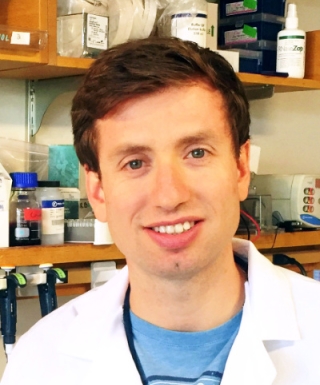
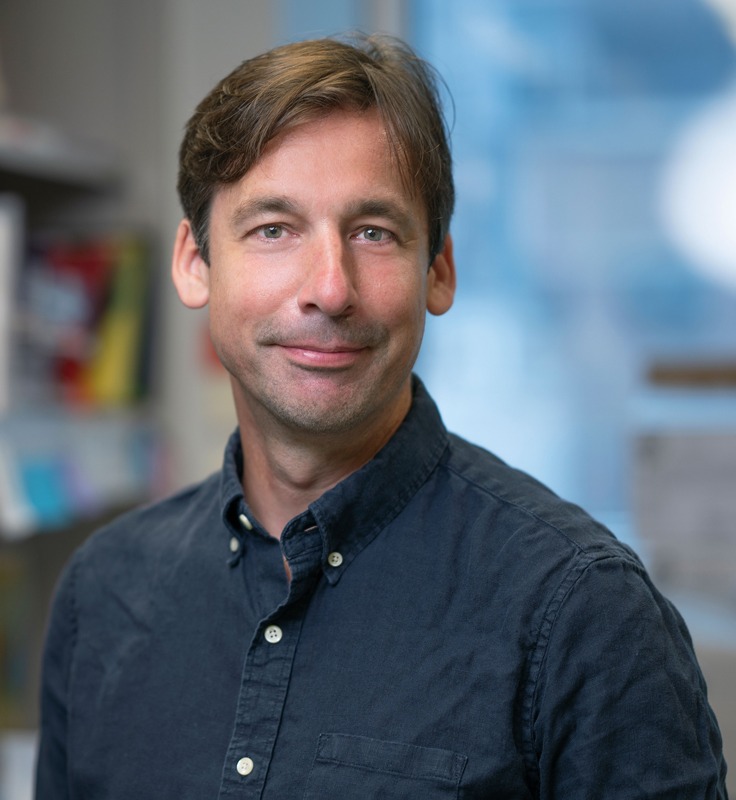
Dr. Weihang Chai is a Professor in the Department of Microbiology and Immunology at Chicago Medical School, Rosalind Franklin University of Medicine and Science, and serves as Director of the Center for Genetic Diseases. Previously, she was a tenured Full Professor at Loyola University Chicago Stritch School of Medicine where she joined just before the COVID-19 pandemic, having earlier founded her research laboratory at Washington State University in 2008.
Her academic training includes:
- PhD in Microbiology from Cornell University
- Postdoctoral fellowship at UT Southwestern Medical Center with Drs. Jerry Shay and Woodring Wright
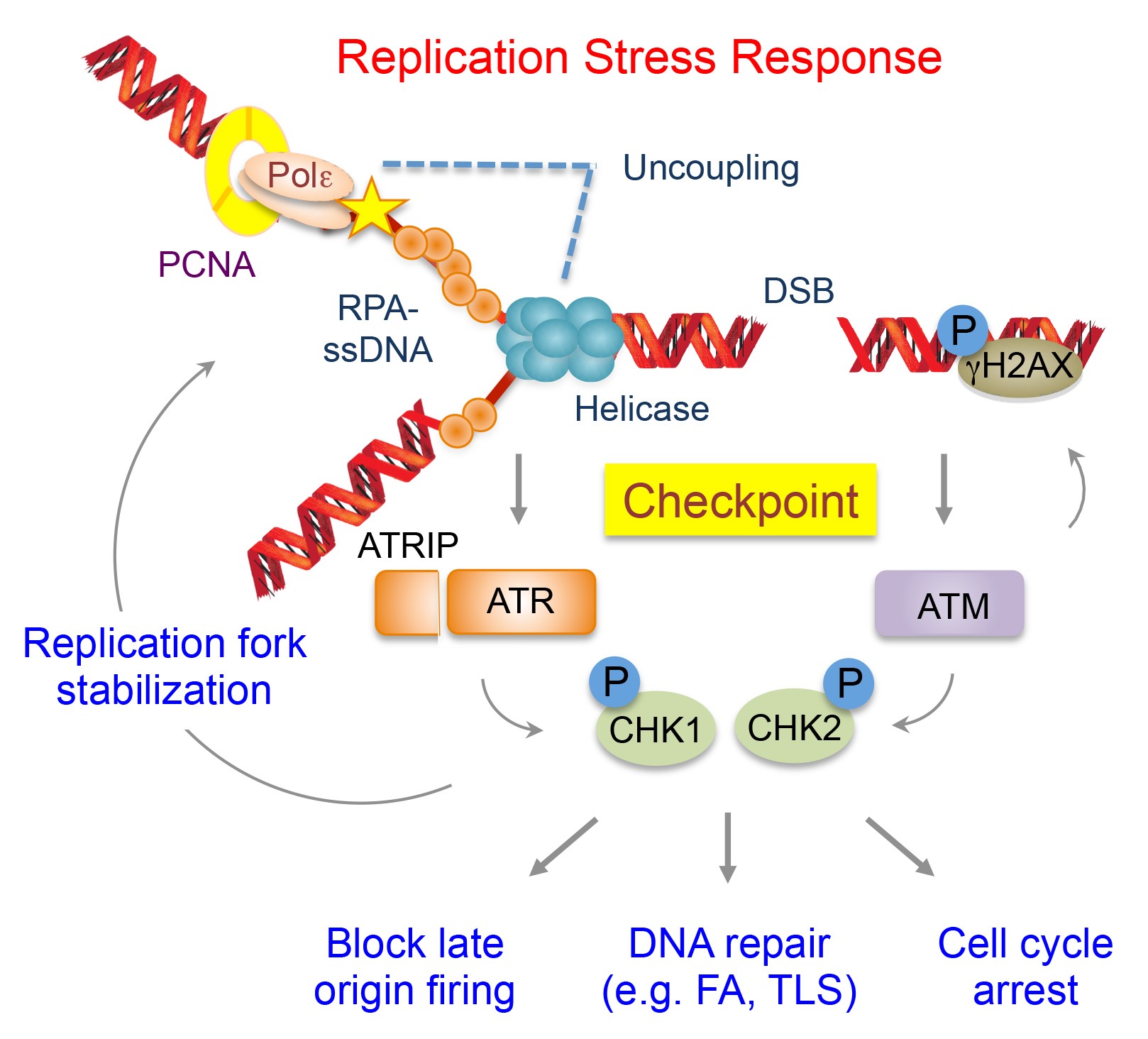
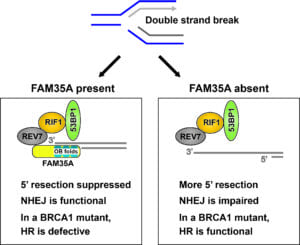
Dr. Chai's research program investigates molecular mechanisms maintaining genome stability during DNA replication stress, with seminal contributions establishing the CST complex's role in protecting stalled replication forks. Current work focuses on how cancer cells evade chemotherapy-induced DNA damage through CST-mediated genome protection pathways, bridging fundamental replication biology with clinical oncology applications.
Analysis of recent publications (2016-2024) reveals consistent emphasis on CST complex functions, replication fork dynamics, and therapeutic resistance mechanisms. Her work employs integrated approaches from molecular genetics to cancer models, yielding high-impact findings in journals like Nature Communications and Nucleic Acids Research that advance understanding of genome maintenance in disease.
No major scientific awards are explicitly listed in the provided information.
Dr. Chai's NIH R01-funded research supports an active laboratory training next-generation scientists. She mentors graduate students and postdoctoral fellows in advanced genomic techniques while fostering collaborations with clinical researchers. Trainees benefit from her extensive grant review experience as a standing member of NIH study sections and editorial board participation.
The research team investigates CST complex mechanisms using cutting-edge methodologies to dissect replication stress responses. Current projects explore how cancer cells exploit CST functions for chemoresistance, with translational potential for improving cancer therapies through targeted disruption of genome protection pathways.