معرفی
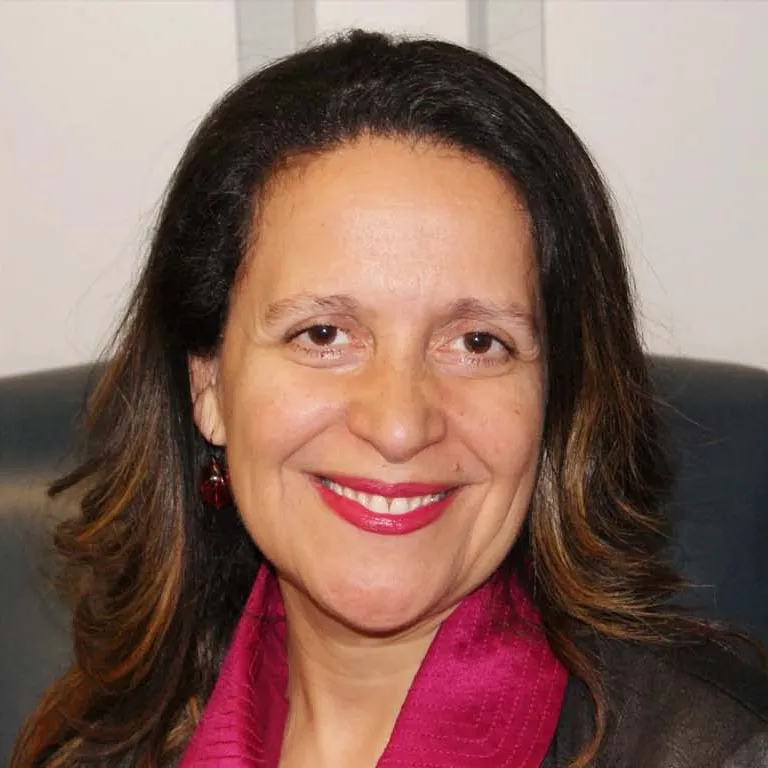
Victoria Ngo is an Associate Professor of Community Health and Social Sciences at the City University of New York Graduate School of Public Health & Health Policy (CUNY SPH). She also serves as Director of the Center for Innovation in Mental Health at CUNY SPH and Mental Health Director of the Center for Immigrant, Refugee and Global Health. Additionally, she holds an Adjunct Scientist position at the RAND Corporation. Her work focuses on mental health interventions for underserved populations, including ethnic minorities and low-resource communities, with a particular emphasis on implementation science, task-sharing models, and integrating mental health services into primary care and non-traditional settings. Dr. Ngo leads large-scale NIH-funded studies such as the Multi-Component Collaborative Care for Depression (MCCD) and the Harlem Strong Initiative, which employs a neighborhood-based collaborative care model to address mental health disparities. She collaborates with city agencies including the New York City Department of Health and Mental Hygiene to advance mental health integration strategies.
Dr. Ngo holds a PhD in Clinical Psychology (Child Clinical Emphasis) from Vanderbilt University, complemented by an MS and BA in Psychology from Vanderbilt and UC Davis. Her research interests span community mental health, global mental health, health disparities, implementation science, and quality improvement. She has pioneered task-shifting interventions in Vietnam and Uganda, focusing on training community health workers to deliver evidence-based mental health care. Recent projects include evaluating the effects of the M-DEPTH model on maternal depression and HIV care outcomes in Uganda and scaling depression care integration in Vietnamese primary clinics.
In 2021, she received the Sarah Mazelis Paper of the Year Award for her contributions to implementation science. Her work frequently engages community partners to ensure culturally appropriate solutions, addressing barriers such as stigma, logistical challenges, and systemic inequities. Current initiatives include a Learning Collaborative for USAID-funded mental health programs targeting trauma-affected communities globally.