معرفی
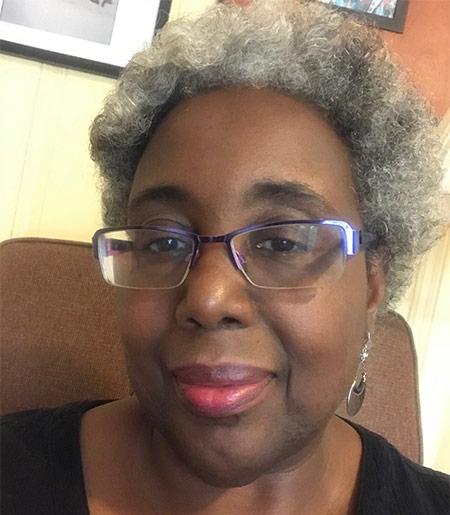
Victoria B. Tashjian serves as Professor of History at St. Norbert College, where she teaches core courses in African history, women's and gender studies, and peace and justice studies. Her academic home is the History department with significant cross-disciplinary contributions to Women's and Gender Studies and International Studies programs.
Her educational foundation includes a B.A. from William Smith College and advanced degrees (M.A. and Ph.D.) from Northwestern University. This training underpins her specialized focus on African diaspora and gender history.
Professor Tashjian's research program centers on African historical narratives with dual emphases: pre-colonial/colonial West Africa (particularly Asante society) and 19th-century African American settlement in Wisconsin. Her scholarship actively bridges medieval African studies with contemporary justice frameworks, examining how historical power structures inform present-day equity challenges. This manifests in courses like HIST 344 (Colonialism in Africa through the Novel) and HIST 351/WMGS 351 (Women, Gender, and Imperialism).
Her publication trajectory reveals consistent thematic threads across continents and eras. The 2019 article on Byrd Parker exemplifies her Wisconsin-focused work connecting abolitionist history to regional Black settlement patterns, while her book publications establish deeper expertise in African women's history and medieval African civilizations. This transnational approach creates unique pedagogical bridges between African and American historical contexts.
Recognition for her scholarly impact includes:
- Donald B. King Distinguished Scholar Award for research excellence
- Leonard Ledvina Award for Excellence in Teaching
Beyond conventional academic duties, Professor Tashjian maintains active leadership in campus diversity initiatives and international programming, frequently integrating her research on global justice movements into institutional strategy. Her work with the college's peace and justice studies framework demonstrates applied historical methodology addressing contemporary social challenges through curriculum development and community partnerships.