معرفی
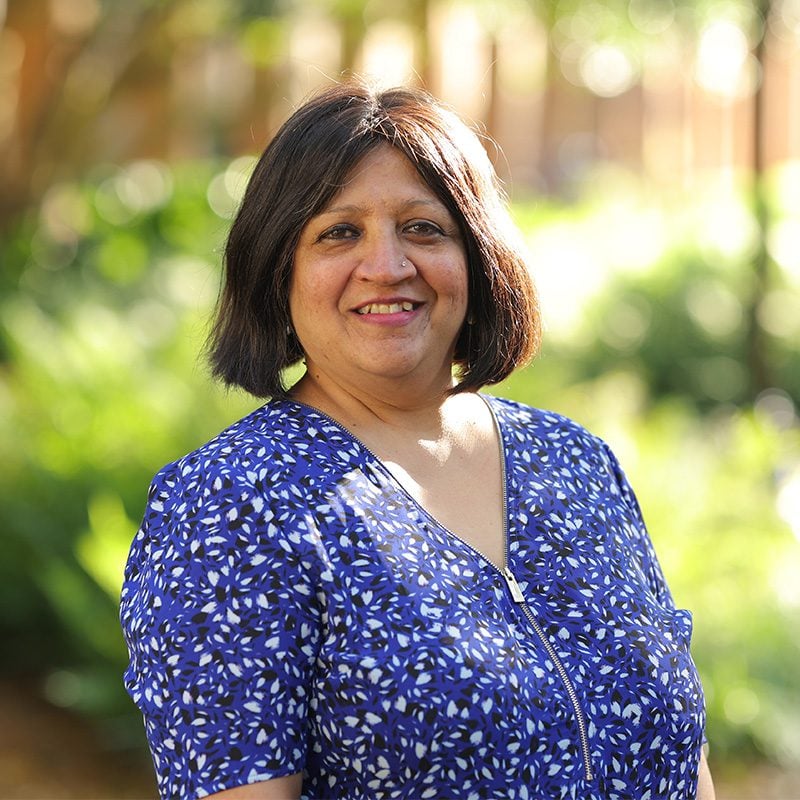
Veena Khandke serves as an Adjunct Professor across three academic units at Furman University: Asian Studies, Women's Gender and Sexuality Studies, and the Master's Degree Program in Advocacy and Equity. With teaching experience at Furman since 1995 and prior appointments at University of South Carolina Upstate, Middlebury College, and Greenville Technical College, she maintains a Faculty Affiliate position at Furman's Shi Institute for Sustainable Communities.
Her educational foundation includes:
- Ph.D. in Psychology from University of California, Davis
- M.A. in Psychology from University of Mumbai
- B.A. in Psychology from University of Mumbai
Professor Khandke's research examines critical intersections between poverty, gender, health, marginalized communities, and climate change through interdisciplinary lenses spanning Developmental Psychology, Global Health, and Sustainability. Her work actively connects academic analysis with real-world advocacy, particularly through United Nations platforms where she has convened multiple Commission on the Status of Women panels addressing gender-climate linkages and Sustainable Development Goals implementation.
While her publication record centers on educational methodology (notably 2012's interdisciplinary study abroad research), her professional impact is demonstrated through eight years directing global grantmaking at Together Women Rise (2014-2022) and consistent engagement with UNICEF USA on refugee and gender equality initiatives.
Her recognition includes the 2000 Exemplary Faculty Award from USC Upstate, with ongoing influence evidenced by frequent invitations to national policy discussions. Student mentorship remains central to her practice, as shown by supervised conference presentations on women's empowerment topics.
Through the Shi Institute affiliation and international partnerships, Professor Khandke cultivates collaborative approaches to sustainable development, emphasizing how gender equity serves as both a goal and catalyst for broader social transformation in climate-vulnerable communities worldwide.