معرفی
Vasiliki Tsamakda is Professor of Christian Archaeology and Byzantine Art History at Johannes Gutenberg University Mainz since her 2009 appointment. Her research centers on Byzantine visual culture with specialized focus on manuscript illumination, monumental art, catacomb painting traditions, Byzantine-Latin Western interactions, and North African ceramic studies.
Academic training includes a History and Archaeology Diploma from the University of Crete (1992), Heidelberg University doctorate on The Illustrated Chronicle of Johannes Skylitzes in Madrid (2001), and LMU Munich habilitation analyzing 14th-century Cretan church paintings in Kakodiki (2008). Fieldwork encompasses excavations at Tautavel (France) and Ladenburg (Germany), plus Austrian Academy of Sciences research on Rome's Domitilla Catacomb.
Her scholarly profile demonstrates sustained investigation into Mediterranean cross-cultural exchanges through artifacts and spaces. Key methodological approaches integrate art-historical analysis with archaeological context, particularly examining how religious narratives manifest in diverse media from manuscripts to funerary architecture across Byzantine territories.
Major recognitions include the DAAD scholarship (1993), Baden-Württemberg doctoral funding (1997-1999), Basilas Foundation support (2000), and a women-in-science re-entry grant (2005).
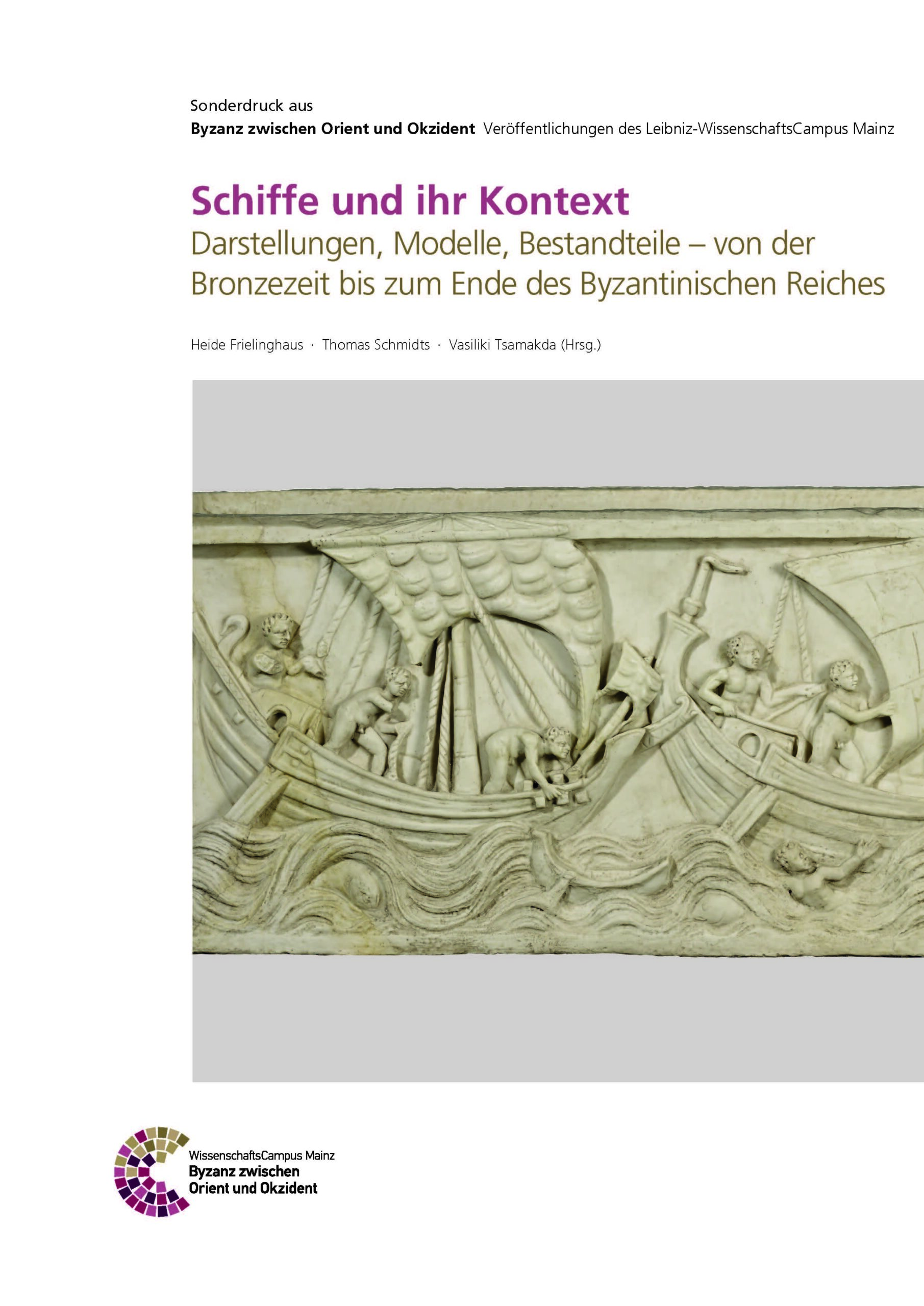
Professor Tsamakda actively shapes discourse through conference leadership including The Road to Hell: Sins and their After-Life Punishments (2013), Ships and their Context (2013), Private Portraits in Late Antique Art (2013), and Monks, Merchants and Artists in the Eastern Mediterranean (2012), often collaborating with institutions like the Römisch-Germanisches Zentralmuseum.