معرفی
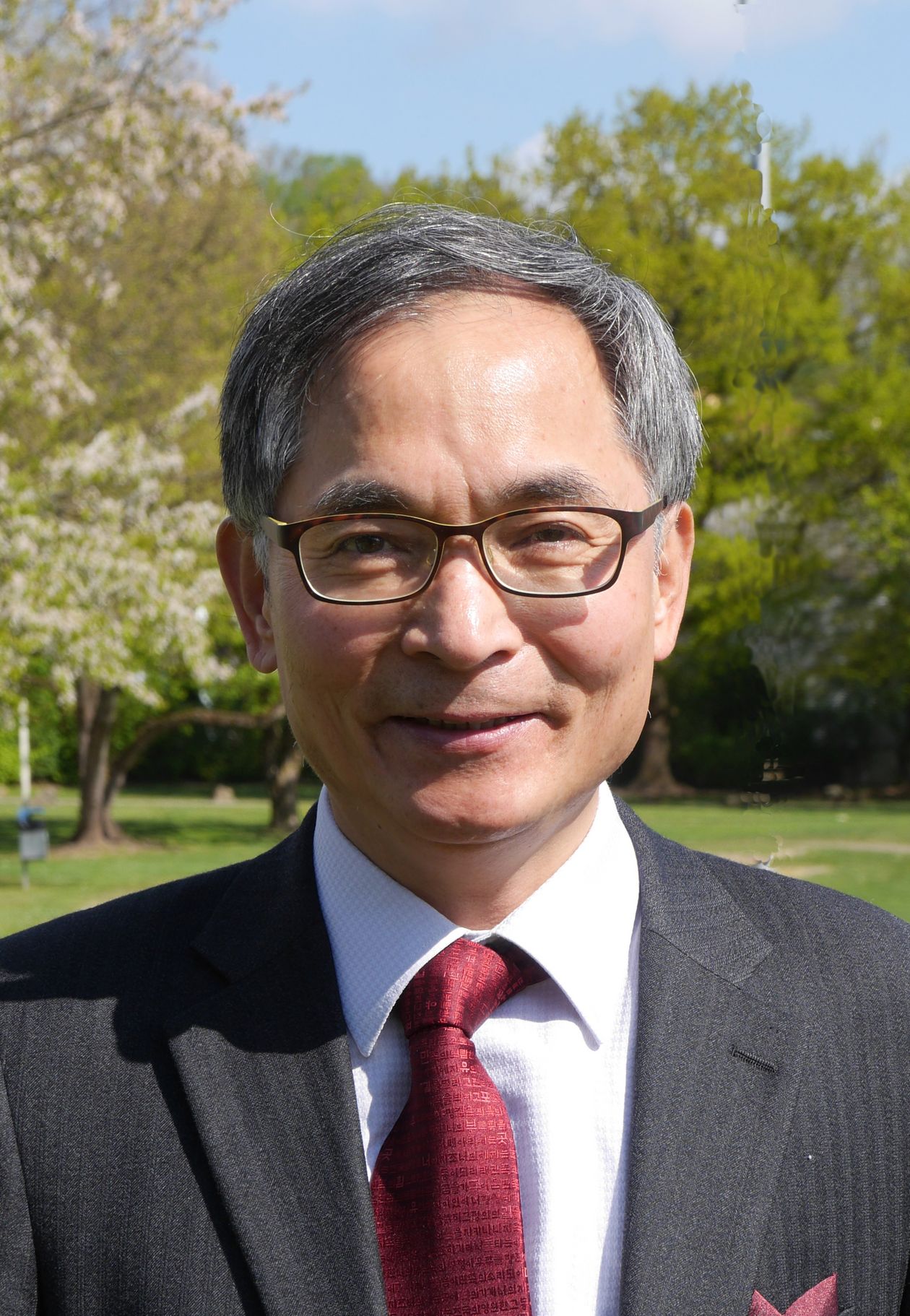
Unsuk Han is a Research Fellow at the Faculty of Humanities, Department of Asian and Oriental Studies, Eberhard Karls University of Tübingen. He is also the managing director of the Tuebingen Center for Korean Studies at Korea University (TUCKU). He has held academic positions at Korea University (1996–2011), Seoul National University (1996–1999), and Chungbuk University (1996–1998), and has been affiliated with Tübingen since 2011.
His educational background includes a Ph.D. in History from Universität Bielefeld (1995), an M.A. from Korea University, Seoul (1983), and a B.A. from the same institution (1981). His doctoral thesis focused on Karl Marx and Friedrich Engels’ views on nation-state and nationalism.
Unsuk Han’s research centers on comparative historical studies, particularly German and Korean unification, Cold War divisions, historical reconciliation, and history education in East Asia and Europe. He explores how societies confront their pasts, develop civil societies, and reconcile through education and dialogue. His work emphasizes the role of churches in democratization and human rights, as well as textbook dialogues between divided nations.
His recent scholarly output shows a strong trend in analyzing historical reconciliation through education, with a focus on German-Korean and German-Polish-Japanese comparisons. Topics include textbook reforms, national identity formation, post-reunification integration, and the teaching of difficult histories such as colonialism and the Holocaust. His interdisciplinary approach bridges history, political science, and education policy.
Unsuk Han has not received any explicitly mentioned scientific awards. However, his research is supported by the National Research Foundation of Korea, particularly for projects on the reception of German reunification in Korea and the role of German churches in Korean democratization.
He has delivered numerous lectures across Germany and Korea on topics such as peace, reconciliation, democracy, and church activism. He has also translated significant works in history and social theory. While no formal advisees are listed, his editorial and collaborative work indicates active academic mentorship and leadership.
He is engaged in ongoing research projects comparing German and Korean experiences of division and reunification, and continues to contribute to international dialogues on historical education and reconciliation.