
معرفی
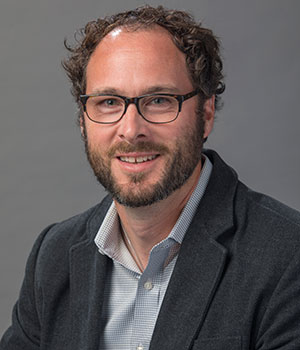
Troy Skwor is an Associate Professor in the Department of Biomedical Sciences at the University of Wisconsin–Milwaukee (UWM), College of Health Sciences. His research spans antimicrobial resistance, environmental microbiology, and photodynamic therapies, with a focus on Aeromonas species as model organisms. He is actively involved in mentoring students and leading externally funded research projects.
- Doctor of Philosophy in Medical Sciences, Texas A&M University, 2004
- Postdoctoral Fellow, Children’s Hospital Oakland Research Institute, 2005–2008
- Bachelor of Science in Medical Microbiology and Immunology, University of Wisconsin–Madison, 1999
Dr. Skwor's research centers on understanding the drivers of antimicrobial resistance (AMR) in bacterial populations, particularly Aeromonas, which are ubiquitous in aquatic environments and linked to diverse human infections. He investigates how resistance spreads across environmental, clinical, and agricultural systems using a One Health framework. A second major focus is photodynamic inactivation (PDI), exploring how light-activated compounds can eliminate drug-resistant bacteria and even target cancer cells. His work integrates molecular microbiology, environmental sampling, and translational therapeutic development.
His recent publications (2016–2025) reveal a strong trend in studying Aeromonas and Escherichia coli resistance patterns across wastewater, clinical, and environmental samples. He also investigates novel photosensitizers like metalloporphyrins for antimicrobial and anticancer applications. Collectively, his research addresses global challenges in AMR mitigation and alternative treatment strategies.
Scientific Awards and Recognition:
- Byoung Kim Teaching Excellence Award, UWM College of Health Sciences, 2023
- Roundtable Leader, World Antimicrobial Resistance Congress, Philadelphia, PA, 2024
Dr. Skwor has successfully mentored numerous undergraduate and graduate students who have co-authored publications and presented at national and international conferences. He has secured substantial external funding from agencies including the U.S. Environmental Protection Agency ($2M+), USDA ($649K), and the Department of Defense (SBIR/STTR grants). His grants focus on AMR mitigation in water systems, agricultural wastewater treatment, and novel therapies for drug-resistant infections. He leads the ARAPT Lab (Antimicrobial Resistance and Photodynamic Therapy Lab) at UWM, where interdisciplinary teams conduct cutting-edge research at the intersection of public health, environmental science, and biomedical innovation.


