معرفی
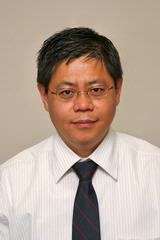
Dr. Tong Sun is an Assistant Professor of Pathology at Yale School of Medicine, specializing in surgical pathology and cytopathology with a focus on gynecological and genitourinary pathology. Her research emphasizes translational and molecular studies in cancer diagnostics, including the application of next-generation sequencing and molecular markers in cytology.
Education & Training:
- M.D. from Peking University Health Science Center (2002)
- Ph.D. in Molecular Oncology from Peking Union Medical College (2007)
- Postdoctoral Research Fellow at Dana-Farber Cancer Institute (2011)
- Clinical and Anatomic Pathology Residency at University of Massachusetts Medical School (2019)
- Cytopathology Fellowship at Massachusetts General Hospital (2020)
Research Interests:
Dr. Sun’s work bridges clinical practice and research, focusing on improving diagnostic accuracy through molecular profiling and cytological techniques. Key areas include:
- Genetic markers in castration-resistant prostate cancer
- Application of the Paris and International Systems for Urine/Serous Fluid Cytopathology
- Next-generation sequencing in urothelial and gynecologic malignancies
- Cytomorphologic challenges in transgender health and histological correlation
Publications & Trends: Over 50 peer-reviewed articles and 5 book chapters, highlighting advancements in cervical cytology, thyroid nodules, endometrial cancer prognosis, and ovarian cyst diagnostics. Recent work emphasizes molecular features of pancreatic and lung carcinomas.
Awards:
- Warren R. Lang Resident Physician Award (2020)
- Journal of American Society of Cytopathology Physician-in-training Award (2022)
Grants & Labs: Collaborates with Yale’s Gelb Genitourinary Translation Research Center and frequently publishes with co-authors like Guoping Cai and Adebowale Adeniran. No specific lab mentioned, but active in interdisciplinary cancer research teams.
Future Work: Expanding studies on KRAS mutations in biliary stenosis, SMARCA4-deficient lung carcinomas, and clinical validation of novel diagnostic tools in serous fluid cytology.