معرفی
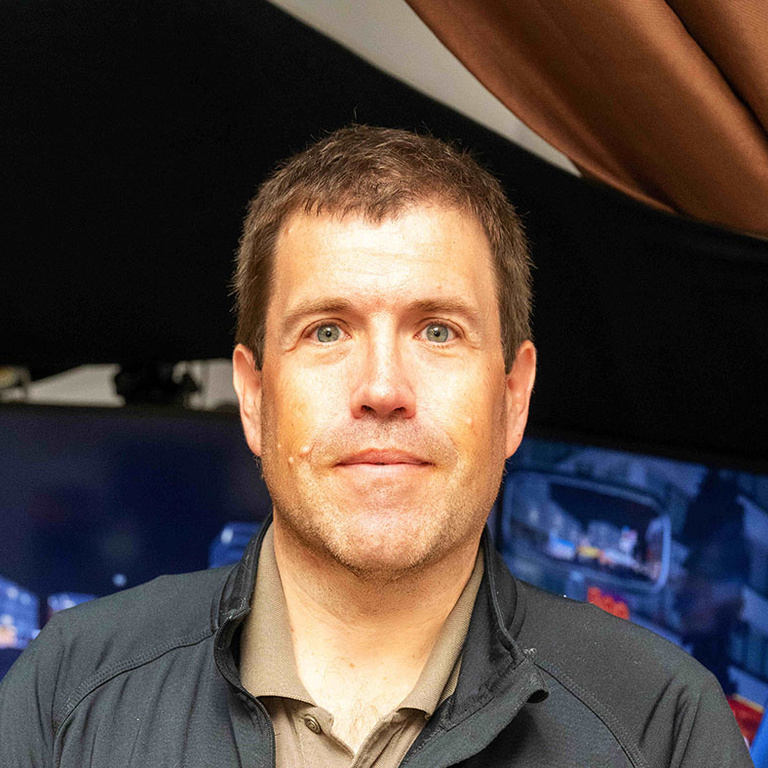
Timothy Leo Brown is the Director of Drugged Driving Research and Managing Director at the University of Iowa's National Advanced Driving Simulator (NADS) within the College of Engineering's Industrial and Systems Engineering department. With over 25 years of experience in driving research since 1994, Dr. Brown has established himself as a leading expert in drugged driving, particularly focusing on cannabis and alcohol effects on driving performance.
His research spans human factors in driving, vehicle safety systems, and impaired driving assessment through high-fidelity simulation. Brown's work examines how drivers interact with vehicle systems, particularly focusing on the effects of cannabis, alcohol, and other substances on driving performance metrics including lateral control, speed management, and reaction times. He has developed methodologies for detecting impairment through both behavioral and physiological measures, including EEG biomarkers.
Brown's publication record demonstrates consistent research productivity with over 130 publications, including numerous high-impact articles in 2023-2025 examining cannabis effects on driving performance, biomarker development for impairment detection, and comparative analyses of drug effects. His recent work has increasingly focused on naturalistic cannabis use effects, dose-response relationships, and developing objective metrics for impaired driving assessment.
Scientific Recognition:
- Recipient of the Jerome H. Ely Award for best article in Human Factors (2002)
- Member of National Academies Transportation Research Board Committee on Impairment in Transportation
- Member of Association for the Advancement of Automotive Medicine
- Member of International Council on Alcohol, Drugs, and Traffic Safety
- Member of University of Iowa's Behavioral/Social Sciences Institutional Review Board
Dr. Brown has served as principal investigator on numerous large-scale simulator projects, overseeing thousands of research participants. His work bridges engineering, human factors, and public health to address the growing challenge of drug-impaired driving as cannabis legalization expands across the United States. He maintains active collaborations with researchers in pharmacology, neuroscience, and traffic safety.