معرفی
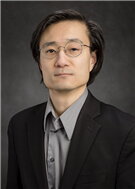
Timothy E Reddy serves as an Adjunct Professor in the Department of Biostatistics & Bioinformatics and Associate Professor in Molecular Genetics and Microbiology at Duke University. He is a core faculty member of the Duke Center for Statistical Genetics and Genomics and the Center for Combinatorial Gene Regulation, with appointments spanning biostatistics, molecular genetics, and biomedical engineering. His research integrates computational and experimental approaches to dissect gene regulatory mechanisms underlying complex diseases.
Education:
- Ph.D. in Genetics, Boston University (2007)
Dr. Reddy's research centers on noncoding genetic variation, epigenome editing, and statistical genomics. He pioneers CRISPR-based high-throughput functional assays to annotate regulatory elements and elucidate disease mechanisms in conditions like multiple sclerosis, schizophrenia, and polycystic ovary syndrome. His work bridges genome-wide association studies with mechanistic validation through epigenome editing and multi-omics integration, emphasizing combinatorial effects of regulatory variants.
His recent publications demonstrate a cohesive trajectory in developing and applying functional genomics tools, particularly CRISPR-based epigenome editing screens and statistical frameworks for variant interpretation. Key themes include cell-type-specific regulatory networks, noncoding variant pathogenesis, and translational applications for complex disease therapeutics across neurological, metabolic, and immune disorders.
Dr. Reddy leads multiple NIH-funded initiatives including the Duke FUNCTION Center (NHGRI), with current grants spanning CRISPR-based GWAS refinement (Open Philanthropy), noncoding variation in multiple sclerosis (NIAID), and schizophrenia genomics (NIMH). His collaborative projects involve institutions including Northwestern University and Mount Sinai, focusing on metabolic and reproductive disorders through integrated omics approaches.
As co-director of the Duke Center for Statistical Genetics and Genomics, he drives interdisciplinary efforts to map combinatorial noncoding causes of disease. His lab develops cutting-edge epigenome editing technologies like HyperCas12a for multiplexed regulatory screens while maintaining active collaborations with clinical researchers for translational applications.