معرفی
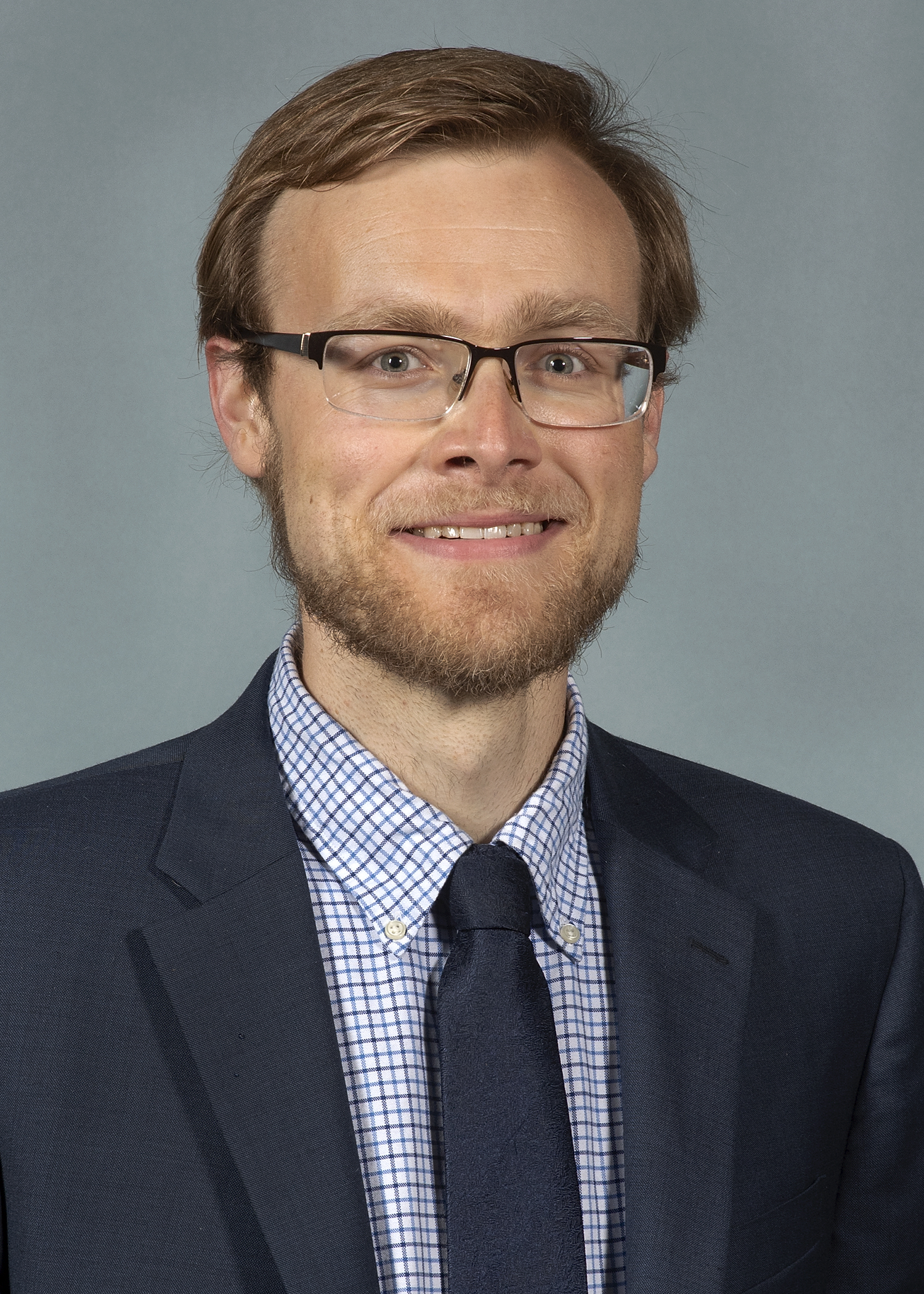
Timothy C. Winegard is an Associate Professor of History at Colorado Mesa University, where he teaches courses in Military History, Indigenous Studies, Global Civilizations, and North American History. He also serves as the head coach of the CMU men's hockey team, blending academic and athletic leadership.
Education:
- PhD in History, University of Oxford
- MA in War Studies, Royal Military College of Canada
- BEd in History, Nipissing University
- BA in History, University of Western Ontario
Dr. Winegard’s research focuses on the intersections of military, Indigenous, and environmental history, with a global perspective. His work explores how war, colonialism, and human interactions with nature have shaped civilizations. He has authored several influential books that examine the roles of Indigenous peoples in the World Wars, the geopolitical history of oil, and the profound impact of animals—particularly mosquitoes and horses—on human history.
His recent publications reveal a strong trend toward narrative-driven, transnational environmental and military history, often highlighting overlooked actors such as Indigenous soldiers and non-human agents like disease vectors. These works bridge academic scholarship and public engagement, reaching broad audiences through bestsellers and media appearances.
Scientific and Literary Recognition:
- New York Times Bestseller
- Los Angeles Times Bestseller
- Globe and Mail Bestseller
Dr. Winegard has advised numerous scholarly projects and public history initiatives, though specific student names are not listed. His work has been supported by extensive research grants and fellowships, inferred from international fieldwork and archival access across multiple continents. He has appeared on major media outlets including PBS Nova, BBC, CBC, NPR, and Netflix, and his books have been featured in The New York Times, Smithsonian, and Scientific American.
While no formal lab or research center is mentioned, his research is conducted through a multidisciplinary, globally engaged approach involving archival research, oral histories, and public scholarship. His projects often converge military, Indigenous, and environmental narratives, forming a unique intellectual trajectory.