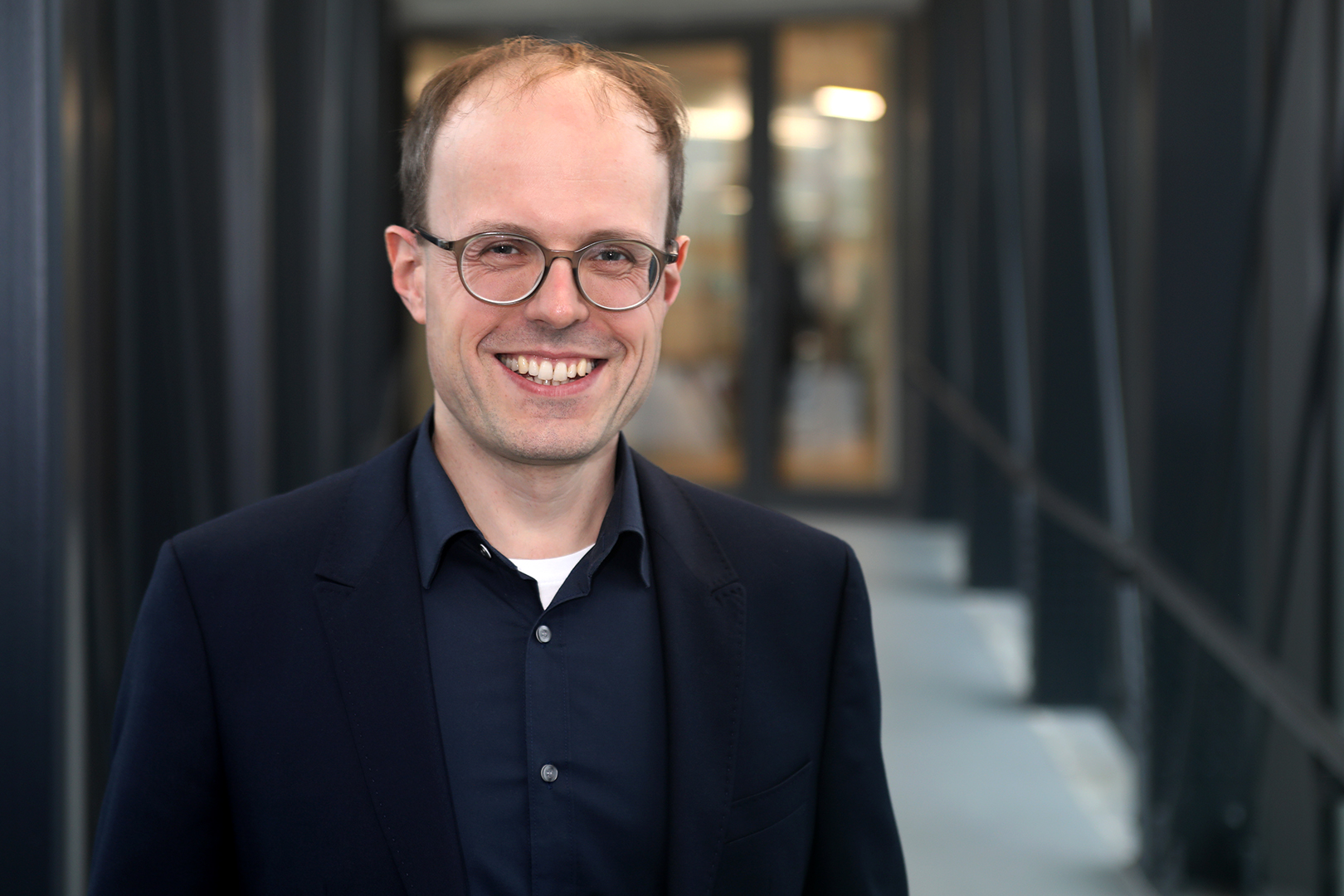
Thomas Wiegand
استاد · Solid-State NMR Spectroscopy
Max Planck Institute for Chemical Energy Conversionمعرفی
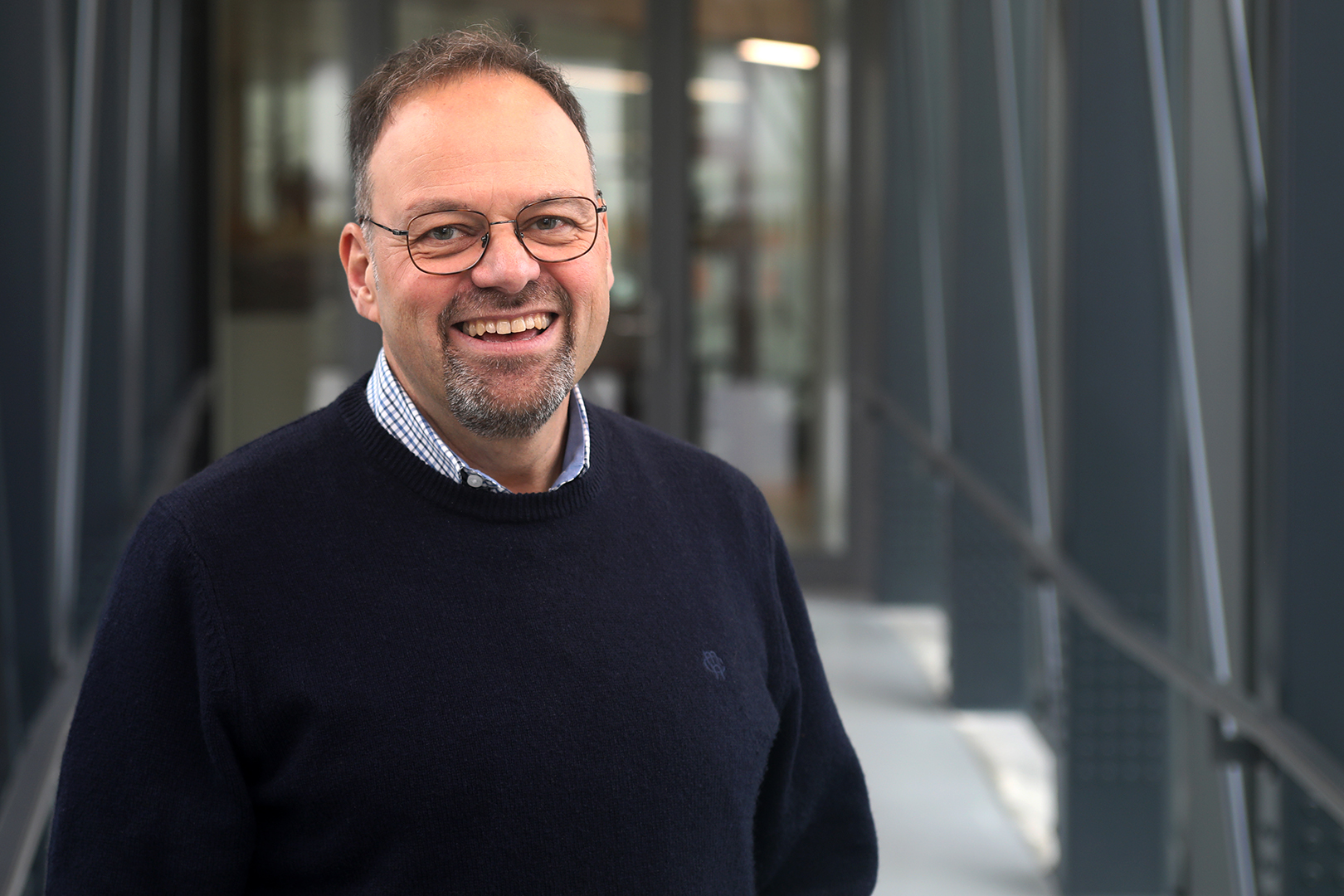
Prof. Thomas Wiegand is a W2 Heisenberg Professor at RWTH Aachen University and the leader of the Max Planck Research Group for Magnetic Resonance of Complex Materials and Catalysts at the Max Planck Institute for Chemistry and Catalysis (MPI CEC). He holds a Diploma in Chemistry from the University of Münster (2010), a PhD under Prof. Hellmut Eckert (2013), and completed a Habilitation at ETH Zurich (2019), followed by a Venia Legendi (2020). His research focuses on magnetic resonance spectroscopy, particularly solid-state NMR, to study catalytic processes in biology and chemistry, with an emphasis on non-covalent interactions, phase separation in biomolecular systems, and energy conversion mechanisms in proteins.
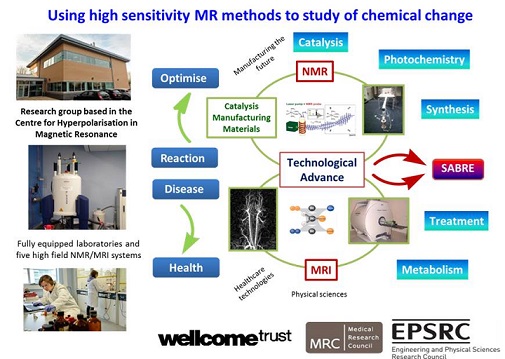
Wiegand's work integrates advanced NMR techniques like fast magic-angle spinning (MAS) and para-hydrogen-induced polarization (PHIP) to investigate systems ranging from frustrated Lewis pairs to protein-DNA interactions. His team also explores phase transitions in proteins linked to neurodegenerative diseases and ATP-driven motor proteins in DNA replication. Current group members include Dr. Riza Dervisoglu (lab coordinator) and PhD students Leeroy Hendrickx and Sven Moos.
His research outputs span high-impact journals such as Advanced Materials, Journal of the American Chemical Society, and Nature Communications, addressing topics like mechanochemical synthesis, hydrogenation catalysis, and RNA-protein interactions. While no specific awards are listed, his contributions to NMR methodology and interdisciplinary applications are evident through frequent collaborations and leadership roles.
Wiegand actively mentors students across all levels, emphasizing experimental and computational approaches to unravel molecular mechanisms in catalysis and biophysics. His lab bridges gaps between chemistry and biology, aiming to unify concepts in catalytic processes across disciplines.