معرفی
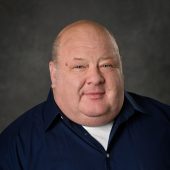
Thomas Tully, Jr. is Professor of Zoological Medicine in the Department of Veterinary Clinical Sciences at Louisiana State University's School of Veterinary Medicine. A diplomate of both the American Board of Veterinary Practitioners (Avian) and European College of Zoological Medicine (Avian), he maintains active clinical, research, and teaching roles with international appointments at Universiti Putra Malaysia and the Chinese Academy of Veterinary Medicine.
His educational background includes:
- BS, Louisiana State University (1982)
- DVM, Louisiana State University (1986)
- MS, Louisiana State University (1991)
Dr. Tully's research centers on advanced clinical care for exotic species, with particular emphasis on avian pathology, toxicology, and physiology. His work bridges laboratory investigations with clinical applications, examining topics from zinc toxicosis neuropathology to sodium detection mechanisms in parrots. Current projects focus on CBD pharmacokinetics, vital signs monitoring technology, and coagulation diagnostics in exotic species.
Analysis of his 2016-2020 publications reveals consistent output in high-impact journals including Avian Diseases and Journal of Exotic Pet Medicine, with research spanning avian oncology, reptile pathology, and behavioral physiology. His work demonstrates strong translational focus, moving from basic physiological studies to clinical applications for exotic animal care.
His extensive honors include:
- T.J. Lafeber Avian Practitioner of the Year (2011)
- Innovator Award (2021)
- LSU Distinguished Alumnus (2012-2013)
- Multiple Dean's Teaching Merit Honor Rolls
- Casadaban Award for Contributions to Louisiana Aviculture
Dr. Tully secures significant research funding from diverse sources including Audubon Institute ($33,000), CannaCompanion Inc. ($20,000), and LSU internal grants, supporting both clinical investigations and student training programs. His collaborations with BREC's Baton Rouge Zoo and international institutions enhance translational research opportunities.
Though no formal lab name is designated, his research group operates through LSU SVM's clinical facilities and partner institutions, conducting studies that directly impact exotic animal veterinary practice worldwide.