معرفی
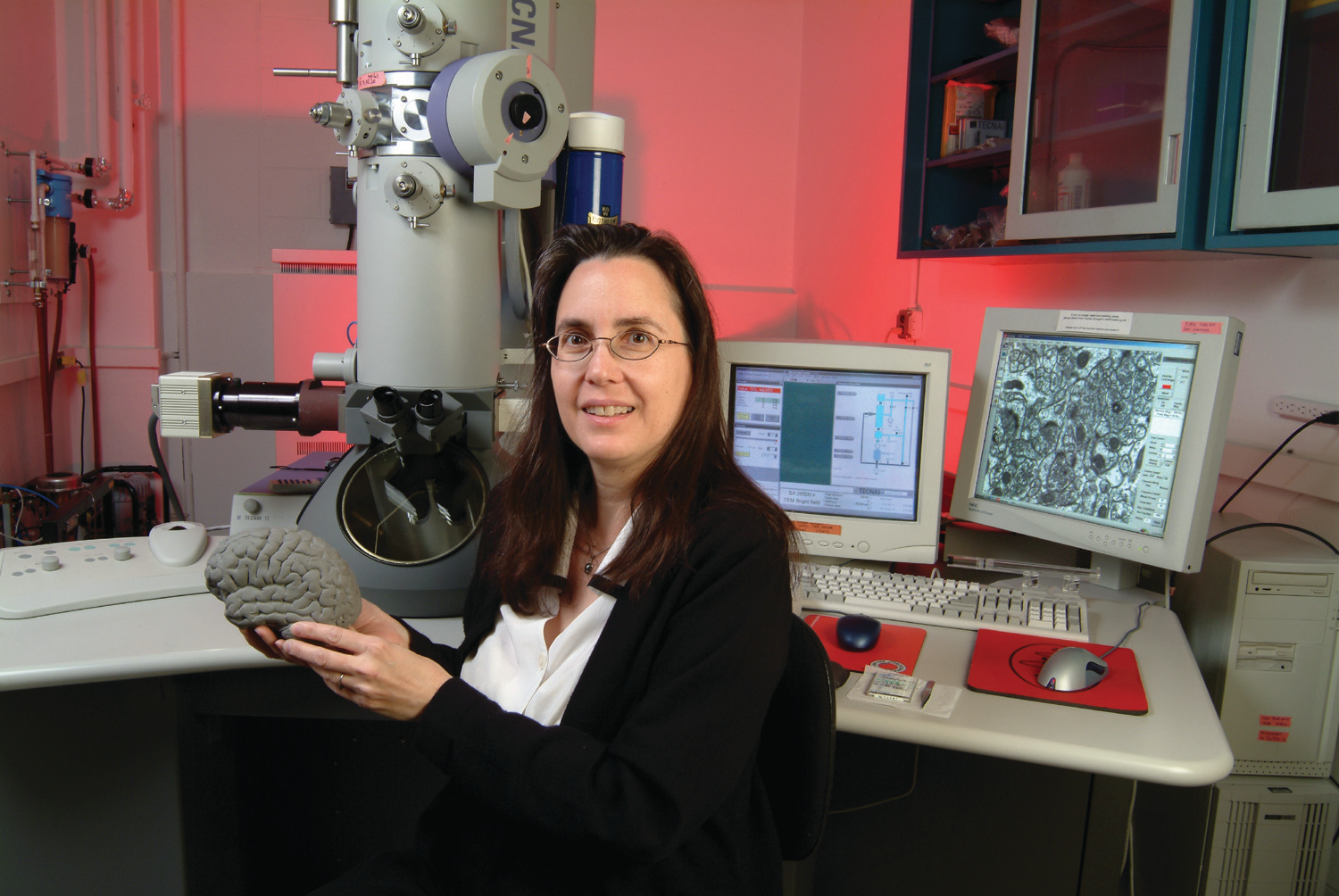
Teresa A. Milner is a Professor of Neuroscience at Weill Cornell Medicine's Graduate School of Medical Sciences and a member of the Feil Family Brain & Mind Research Institute. She has been a dedicated faculty member since joining as a postdoctoral research fellow in 1982, rising through the ranks to become a full Professor in 2003. Her work bridges neuroscience, endocrinology, and cardiovascular research, with a particular focus on sex differences in brain function across the lifespan.
Dr. Milner received her B.S. from the University of California, Irvine and her Ph.D. from the University of California, San Diego. She completed her postdoctoral training at Weill Cornell Medicine, where she has remained throughout her distinguished career.
Dr. Milner's research program centers on understanding estrogen influences on brain function over the life cycle, with particular emphasis on two main systems: 1) cardiovascular circuitry in the hypothalamus, and 2) the learning and memory networks modulated by the hippocampus and its connections. Her laboratory employs multidisciplinary anatomical, molecular, and physiological approaches, including the technically sophisticated method of electron microscopic immunocytochemistry. Key areas of investigation include:
- Neural mechanisms of hypertension susceptibility in a mouse model of menopause
- Sex differences in the hippocampal opioid system and their implications for addiction
- Characterization of a novel "accelerated ovarian failure" mouse model of menopause
- Estrogen receptor distribution and function in various brain regions
- Neurobiological substrates underlying sex differences in hypertension during peri- and post-menopausal periods
Analysis of Dr. Milner's recent publications (2022-2025) reveals a continued focus on the intersection of menopause, neuroinflammation, and neurodegenerative processes. Her work increasingly incorporates advanced genomic and single-cell techniques to examine how estrogen signaling affects brain function at the molecular level. There's a clear trajectory toward understanding the mechanisms linking hormonal changes during menopause to increased risk of Alzheimer's disease and hypertension, with particular attention to sex-specific neuroinflammatory responses in the hippocampus and hypothalamus.
Dr. Milner has received numerous prestigious awards recognizing her excellence in mentoring and teaching:
- Excellence in Mentoring Award, Weill Cornell Medical College Postdoctoral Association (2008)
- Award for Teaching Excellence, Weill Cornell Medical College Medical School (for Brain and Mind) (2010)
- Excellence in Teaching and Mentoring Award, Weill Cornell Graduate School of Medical Sciences (2012)
- Dean's Award for Excellence in Mentorship, Weill Cornell Medicine (2021)
- Forty Years of Service, Weill Cornell Medicine (2022)
Throughout her career, Dr. Milner has mentored more than 160 individuals, ranging from high school students to senior faculty members. Her laboratory has been consistently supported by NIH grants and collaborative funding, with recent projects focusing on the effects of chronic opioid exposure in single-cell RNA expression in the non-human primate hippocampus following HIV, in collaboration with Drs. Tilgner and Ndhlovu. Her work bridges basic neuroscience with clinical implications, particularly regarding women's health issues related to menopause and addiction.
The Milner Laboratory, housed within the Feil Family Brain & Mind Research Institute, maintains state-of-the-art facilities for electron microscopy, molecular biology, and physiological studies. Current lab members include graduate student Tracey Van Kempen and postdoctoral researcher Jose Da Silva Marques Lopes. The lab collaborates extensively with other researchers at Weill Cornell Medicine and beyond, including scientists at The Rockefeller University, where Dr. Milner holds an adjunct professorship.