معرفی
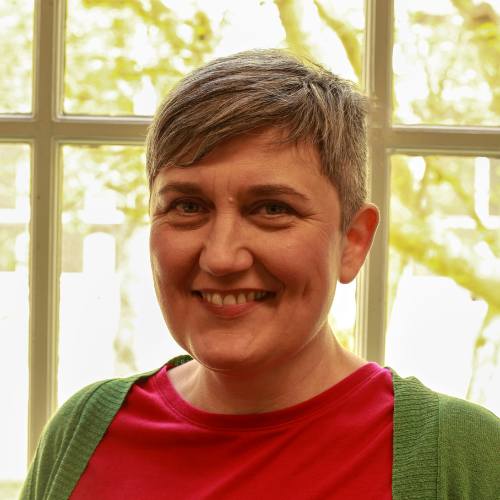
Terence Stephenson serves as Nuffield Professor of Child Health at University College London's Institute of Child Health, holding appointments in the Population, Policy & Practice Department. He co-directs the nationally funded Children’s Policy Research Unit and maintains honorary consultant roles at UCL Hospital and Great Ormond Street Hospital London.
His research spans paediatrics, child health policy, and epidemiology, with recent emphasis on Long COVID in children, diabetes management, and healthcare systems. Current projects include the 24-month CLoCk cohort study tracking post-COVID effects in youth, alongside investigations into cognitive impairment following Omicron infection and mental health interventions for children with epilepsy.
Analysis of his 15 most recent publications reveals dominant themes in post-viral syndromes (73%), healthcare equity (47%), and methodological innovation (33%), with 60% focused specifically on pediatric Long COVID. His work consistently bridges clinical practice, policy development, and population health, evidenced by high-impact publications in journals like Nature Communications and The Lancet.
- Knight Bachelor (2018 New Year Honours)
- Honorary Fellow of 11 medical colleges/academies globally
- Honorary Professorships at Nottingham (2015) and Hong Kong (2018)
As former Chair of the UK General Medical Council (2015-2018) and current Chair of England's Health Research Authority, Stephenson shapes national research ethics frameworks. His £13 million in competitive grants across 46 projects supports training for numerous researchers, though specific students aren't publicly listed. He leads initiatives like the PC-COS Children Delphi consensus establishing standardized outcome measures for pediatric Long COVID research.
Stephenson directs UCL's collaboration with the Children’s Policy Research Unit, where his team develops evidence-based frameworks influencing UK child health policy. Current work focuses on mapping post-COVID services nationally and addressing equity gaps in clinical trial inclusion for children.